




Tattoo Size Chart Free Printable Overview
You've found yourself in need of a socks size chart, and who can blame you? It's a simple yet essential tool for ensuring you get the right fit. Whether you're buying socks for yourself or someone else, this chart is your go-to guide. It provides a quick and easy reference, ensuring you don't end up with socks that are too tight or too loose. While the values may vary depending on the brand or region, the socks size chart offers a reliable starting point.
Understanding the Sock Size Chart
The socks size chart is your go-to guide for finding the perfect fit for your feet. It's a simple yet practical tool that ensures your socks hug your feet comfortably and don't leave you with blisters or discomfort. This chart is like a secret code, and once you crack it, you'll never have to guess your sock size again!
Key Details and Categories
The chart typically features two main categories: sock size and shoe size. These are further divided into specific measurements and ranges. For sock size, you'll often see a numerical range, like 3-5, 6-8, and so on. These numbers represent the circumference of your foot, ensuring the sock fits snugly. Shoe size, on the other hand, is a familiar concept, often following standard shoe sizing guidelines.
Choosing the Right Fit: A Step-by-Step Guide
Using the socks size chart is a breeze! First, identify your shoe size. This is usually pretty straightforward, as you likely know your shoe size off the top of your head. Next, match your shoe size to the corresponding sock size on the chart. The chart will guide you to the right sock size, ensuring a perfect fit. It's as simple as that!
If you're buying socks as a gift or for someone with unique foot dimensions, you might need to measure their foot circumference. A simple tape measure will do the trick. Measure the widest part of their foot, and you're good to go!
Common Size Variations and Why They Happen
While the socks size chart is a reliable guide, variations can occur due to several factors. Different manufacturers might use slightly different standards or have unique sizing guidelines. Additionally, the material and construction of the sock can affect its stretch and fit. For instance, a thick, cozy wool sock might have a looser fit compared to a thin, athletic sock.
It's also worth noting that foot size can vary depending on factors like age, height, and even the time of day! Yes, our feet can swell slightly throughout the day, so it's best to measure or refer to the chart in the morning for the most accurate size.
Remember, while the socks size chart provides a great starting point, it's always a good idea to double-check the exact specifications and tolerances, especially for specialized socks or if you have unique foot dimensions. Happy sock shopping!
Well, there you have it! A handy guide to understanding sock sizes and how to use a size chart effectively. Remember, when it comes to sock sizes, there can be slight variations, so always check the specific guidelines or measurements provided by your preferred brand or manufacturer.
It's always a good idea to double-check, as these charts are just a general guide, and you want to ensure a perfect fit. So, take your time, measure up, and find those dream socks! And if you're keen to explore more practical guides and tips, feel free to browse our other articles. We've got you covered!
Related: Uncover the Secrets of Wells Tide Chart
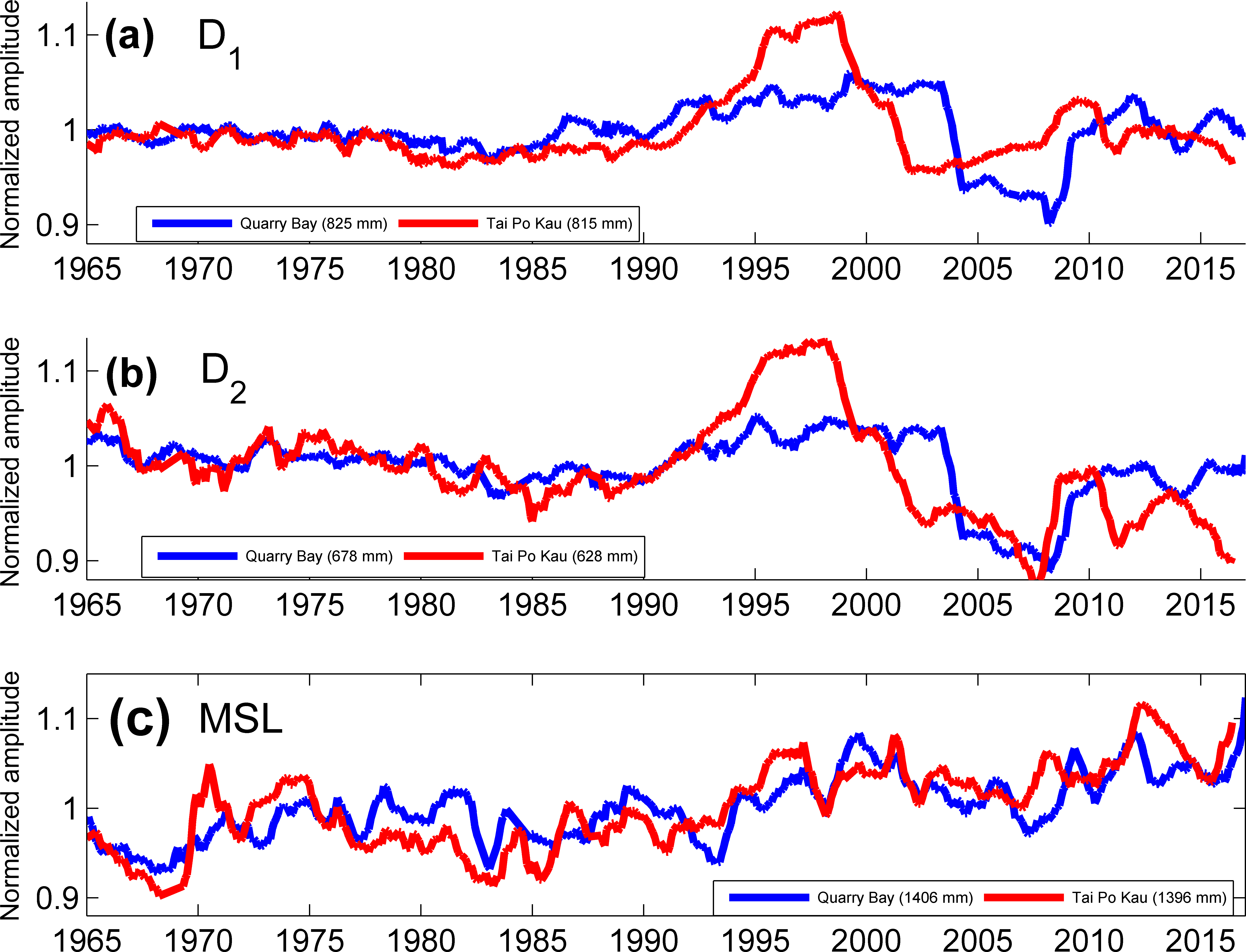
Many people often overlook the importance of a wells tide chart, assuming it's just a simple diagram. However, it's a powerful tool with a specific purpose. The tide chart provides essential information for anyone near the Port of Wells, offering a quick glimpse at tide times, heights, and water levels. It's a handy reference, ensuring you're prepared and aware of the tidal range.
Understanding the Wells Tide Chart
The wells tide chart is your go-to guide for predicting water levels at the Port of Wells. It's a simple yet powerful tool that provides essential information for various activities, from boating to fishing and even beach walks. This chart displays the predicted tide heights and times for a specific location, helping you plan your day accordingly.
Key Details and Categories
Before diving into the chart, it's important to know a few basics. The wells tide chart typically shows two main categories: tide heights and times. Heights are represented in feet and indicate how high or low the water level will be at a given time. Times are shown in a 24-hour clock format, so you can easily plan your activities. The chart also includes a legend or key, which explains any symbols or colors used to differentiate between high and low tides.
Reading the Graph: A Step-by-Step Guide
Here's a simple guide on how to read and interpret the wells tide chart:
- Locate the date and time you're interested in. This is usually shown along the bottom or side of the chart.
- Find the corresponding tide height for that time. The height is typically indicated by a line or bar, with the value shown next to it.
- Understand the tide type. High tides are often represented by a solid line or bar, while low tides may be dashed or have a different color.
- Plan your activities accordingly. If you're boating, consider the tide height and its impact on water depth. For beach activities, knowing the tide times can ensure you have enough space to enjoy the shore.
Common Fluctuations and Variations
While the wells tide chart provides accurate predictions, it's important to note that tide heights and times can vary due to several factors:
- Weather conditions: Storms or strong winds can influence water levels and cause unexpected fluctuations.
- Moon phases: The gravitational pull of the moon affects tides, so full or new moon phases may result in higher or lower tides than predicted.
- Seasonal changes: Tides can vary slightly throughout the year due to seasonal patterns.
- Local geography: The shape of the coastline and nearby landforms can impact how tides behave in a specific area.
Remember, while the wells tide chart is a valuable tool, it's always a good idea to keep an eye on real-time conditions and be prepared for any unexpected changes.
Hey there! I hope this guide has given you a clear understanding of wells tide charts and how to use them effectively. Remember, while the basics remain the same, the exact details might differ slightly depending on your location and the source you're using.
So, the next time you need a quick reference, feel free to bookmark this page for easy access. It's always good to have these practical guides handy, and I'm sure you'll find them useful in various situations. Happy charting!
Related: Need a T-Shirt Size Chart? Find Your Perfect Fit!
You're probably here because you need a quick answer, right? Maybe you're trying on a new T-shirt and it's a bit of a mystery whether it fits or not. Well, fear not! A T-shirt size chart is your handy guide to cracking this code. It's a simple tool that helps you find your perfect fit, and it's especially useful when shopping online or trying out a new brand. These charts can vary slightly, but they usually give you a clear idea of measurements and sizes, often with a T-shirt sizing guide and a clothing size chart to refer to.
Understanding the Chart: A Quick Overview
The t-shirt size chart is your practical guide to finding the perfect fit. It's a reference tool that simplifies the process of choosing the right size, ensuring comfort and style. This chart provides a standardized way to measure and categorize t-shirts, making online shopping or in-store browsing a breeze.
Comparing Standards and Formats
T-shirt size charts can vary depending on the region and manufacturer. The most common standards are the US sizing system and the international metric system. US sizes often use alphabetical letters (e.g., S, M, L) with numerical values for specific measurements. International sizes, on the other hand, typically use numerical values for height and weight ranges. It's essential to know which standard you're dealing with to ensure accurate sizing.
Measuring for Accuracy: A Step-by-Step Guide
To use a t-shirt size chart accurately, follow these simple steps:
- Gather your measuring tools: a flexible tape measure and a notepad.
- Measure your body: Take accurate measurements of your chest, waist, and height. For chest and waist, wrap the tape measure around the fullest part of your body. For height, stand straight and measure from the top of your head to the floor.
- Refer to the chart: Locate your measurements on the chart. Match your chest and waist measurements to the corresponding size categories. If your measurements fall between sizes, consider the fit you prefer: a looser or tighter look.
- Consider fabric and fit: Different fabrics and styles can affect the fit. Stretchier fabrics may require a smaller size, while structured fabrics might need a larger size. Always check the product description for any specific fitting notes.
- Double-check: If you're unsure, try comparing your measurements with a well-fitting t-shirt you already own. Place it flat and measure the width and length to get an idea of the ideal size.
Common Misreadings and How to Avoid Them
Misinterpreting a t-shirt size chart is easy, especially with varying standards. Here's how to avoid common mistakes:
- Don't assume: Always double-check the sizing standard. US and international sizes can differ significantly.
- Consider the fabric: The stretch and drape of the fabric can impact the fit. If the t-shirt is made of a stretchy material, it might fit differently than a structured fabric.
- Know your brand: Some brands have unique sizing systems. Check the brand's size guide or customer reviews for any specific sizing notes.
- Don't rely on vanity sizing: Some brands use vanity sizing, which means their sizes may not align with standard measurements. Always trust the measurements provided rather than the size label.
Key Factors Affecting Accuracy
Several factors can influence the accuracy of your t-shirt size chart readings:
Fabric type: As mentioned, different fabrics have varying levels of stretch and drape, which can affect the fit.
Brand variations: Each brand may have slight variations in their sizing, so always check their specific size guide.
Personal preference: Your desired fit can impact the size you choose. Do you prefer a loose, relaxed fit or a more tailored look?
International differences: Sizing can vary between countries and regions. Always check if the chart follows the US or international standard.
Body shape: Different body types may require adjustments. For example, a muscular build might need a different size than indicated by height and weight alone.
Adapting the Chart for Specific Needs
While t-shirt size charts provide a general guide, you may need to adapt them for specific situations:
- Layering: If you plan to wear the t-shirt as a base layer, consider going for a size up to accommodate additional clothing.
- Style variations: Different t-shirt styles, like slim-fit or oversized, may require adjustments. Check the product description for any fitting recommendations.
- Custom sizing: Some brands offer custom sizing options, allowing you to input your exact measurements for a perfect fit.
- Pregnancy or weight fluctuations: During these periods, your body shape may change, requiring temporary adjustments to your usual size.
Remember, the t-shirt size chart is a helpful tool, but it's not an exact science. Always consider your personal preferences and the specific characteristics of the t-shirt you're buying. With these tips, you'll be a pro at finding the perfect fit!
Hey there! I hope this guide has been helpful in navigating the world of T-shirt size charts. Remember, while the basics remain the same, there can be slight variations in measurements and standards. It's always a good idea to double-check and ensure you're referring to the right chart for your needs.
Feel free to bookmark this page for future reference, and don't hesitate to explore other guides on related topics. We've got you covered!