



Teacher Appreciation Week Cards Overview
A chore weekly chart is a handy tool to keep your household tasks organized and ensure a smooth daily routine. This guide will show you how to make the most of your chart, offering a simple and effective way to manage chores.
The beauty of a chore chart is its adaptability; you can customize it to fit your family's needs. Whether you prefer a simple task list or a more visual weekly planner, the key is finding a format that works for you and helps keep everyone on track with their household duties.
What is a Chore Weekly Chart?
A chore weekly chart is a practical tool to help you organize and manage household tasks efficiently. It's a visual representation of your weekly chores, making it easier to stay on top of your responsibilities and ensure a clean and well-maintained home.
Understanding the Key Details
The chart typically consists of a grid with days of the week across the top and chore categories down the side. Each cell represents a specific chore for a particular day. Common categories include cleaning tasks like vacuuming, laundry, dishes, and grocery shopping. The chart provides a clear overview of what needs to be done and when.
Reading and Applying the Chart
Here's a step-by-step guide to using your chore weekly chart:
- Start by identifying the tasks you want to include. Consider daily, weekly, and monthly chores, as well as any specific tasks that need to be done regularly, like taking out the trash or changing bed linens.
- Assign tasks to each day of the week. Distribute the chores evenly to avoid an overwhelming workload on any single day.
- Use symbols or colors to indicate the status of each chore. For example, a checkmark can signify completion, while a red X might mean the task is overdue.
- Review and update your chart regularly. As you complete tasks, mark them off. If something comes up and a chore needs to be rescheduled, adjust the chart accordingly.
- Involve your family or housemates. If you're sharing the workload, ensure everyone understands their responsibilities and can refer to the chart for guidance.
Variations and Differences
While the basic concept of a chore weekly chart remains consistent, there can be variations based on personal preferences and household needs. Here are some factors that may cause differences:
- Household size: A larger family may require more complex chore rotations to ensure fairness.
- Individual preferences: Some people prefer a simple list format, while others like the visual appeal and organization of a chart.
- Task frequency: Certain chores may need to be done daily or monthly, influencing how you structure your chart.
Common Mistakes and How to Avoid Them
It's easy to make mistakes when creating a chore weekly chart, but these tips can help you avoid them:
- Overloading: Avoid assigning too many tasks to one day. Spread the workload evenly to prevent burnout.
- Forgetting regular tasks: Include all recurring chores, even if they seem obvious. It's easy to overlook something like taking out the recycling or wiping down kitchen counters.
- Not updating: Regularly review and update your chart to reflect changes in your routine or household needs.
Tips for Success
To make the most of your chore weekly chart and ensure it works effectively for your household, consider these best practices:
- Personalize your chart: Tailor it to your specific needs and preferences. Add notes or symbols that make sense to you and your family.
- Keep it visible: Display your chart in a central location, like the kitchen or family room, so everyone can refer to it easily.
- Review and adjust: Regularly assess how well your chart is working and make adjustments as needed. Flexibility is key to a successful chore management system.
- Involve everyone: Encourage participation and ownership of chores by involving all family members or housemates in creating and maintaining the chart.
A chore weekly chart is a great way to stay organized and ensure everyone pitches in. With the right approach, you can create a simple and effective system for your household. Remember, it's all about finding a balance and making it work for your unique situation.
When adapting any guide, it's important to consider your specific needs and context. While these charts offer a solid framework, they can be tailored to suit your family's routines and preferences. So, take the time to customize and make it your own! And don't forget to explore our other resources for even more practical tips and tricks.
Related: How to Read a Sock Size Chart?
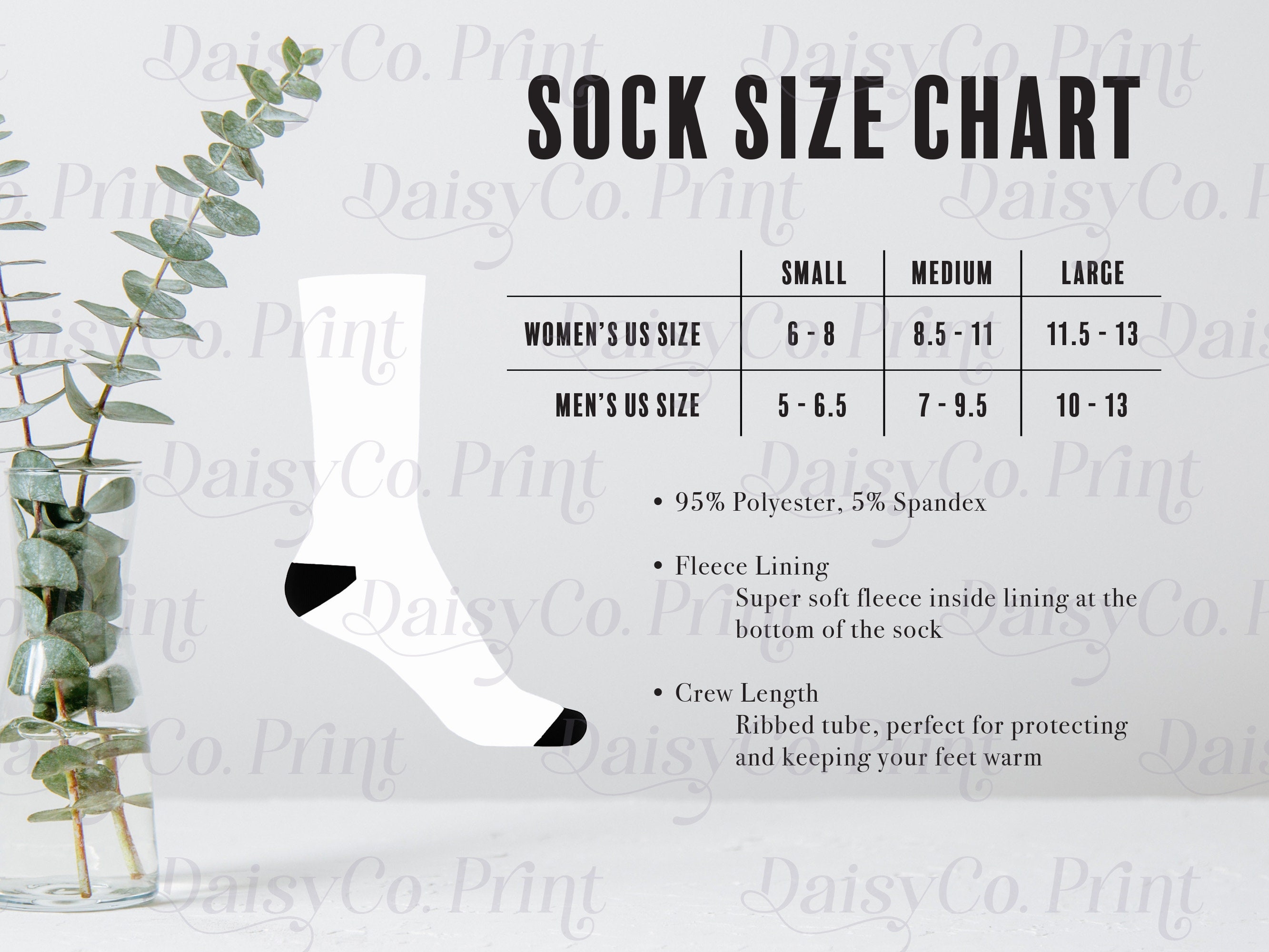
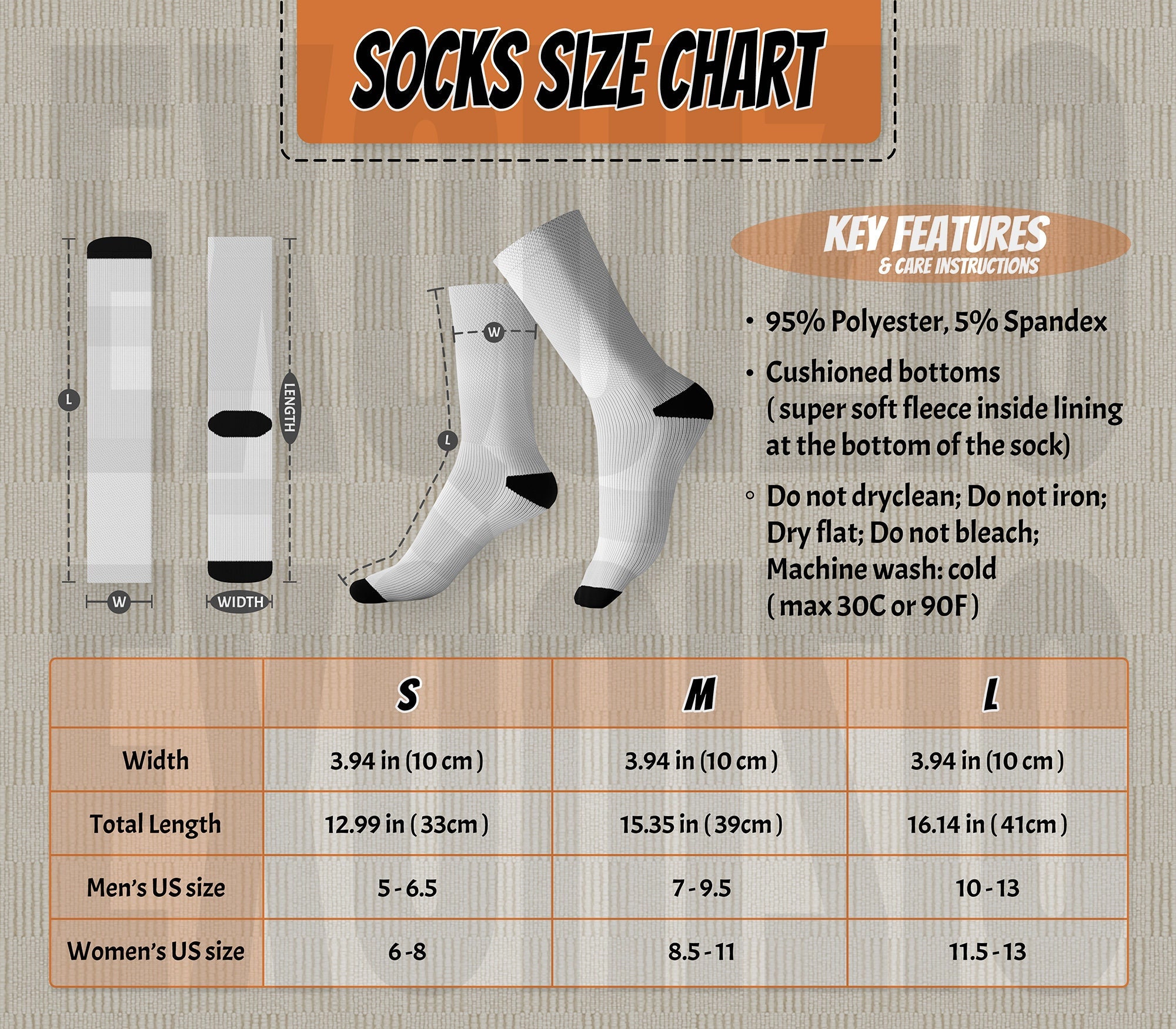
Many people overlook the importance of a sock size chart and its accuracy, often leading to ill-fitting socks and discomfort. This simple tool is your secret weapon against blisters and sore feet!
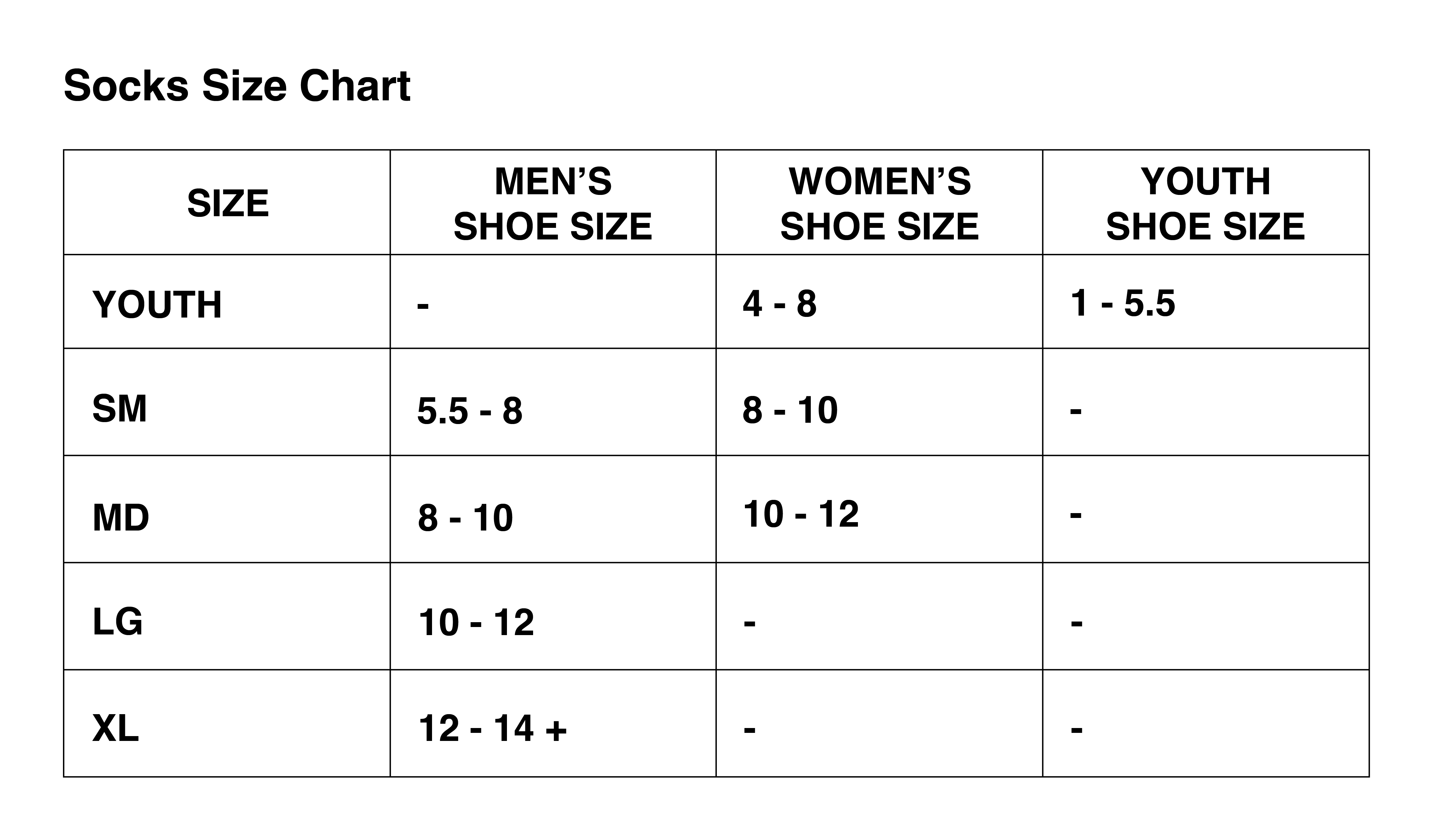
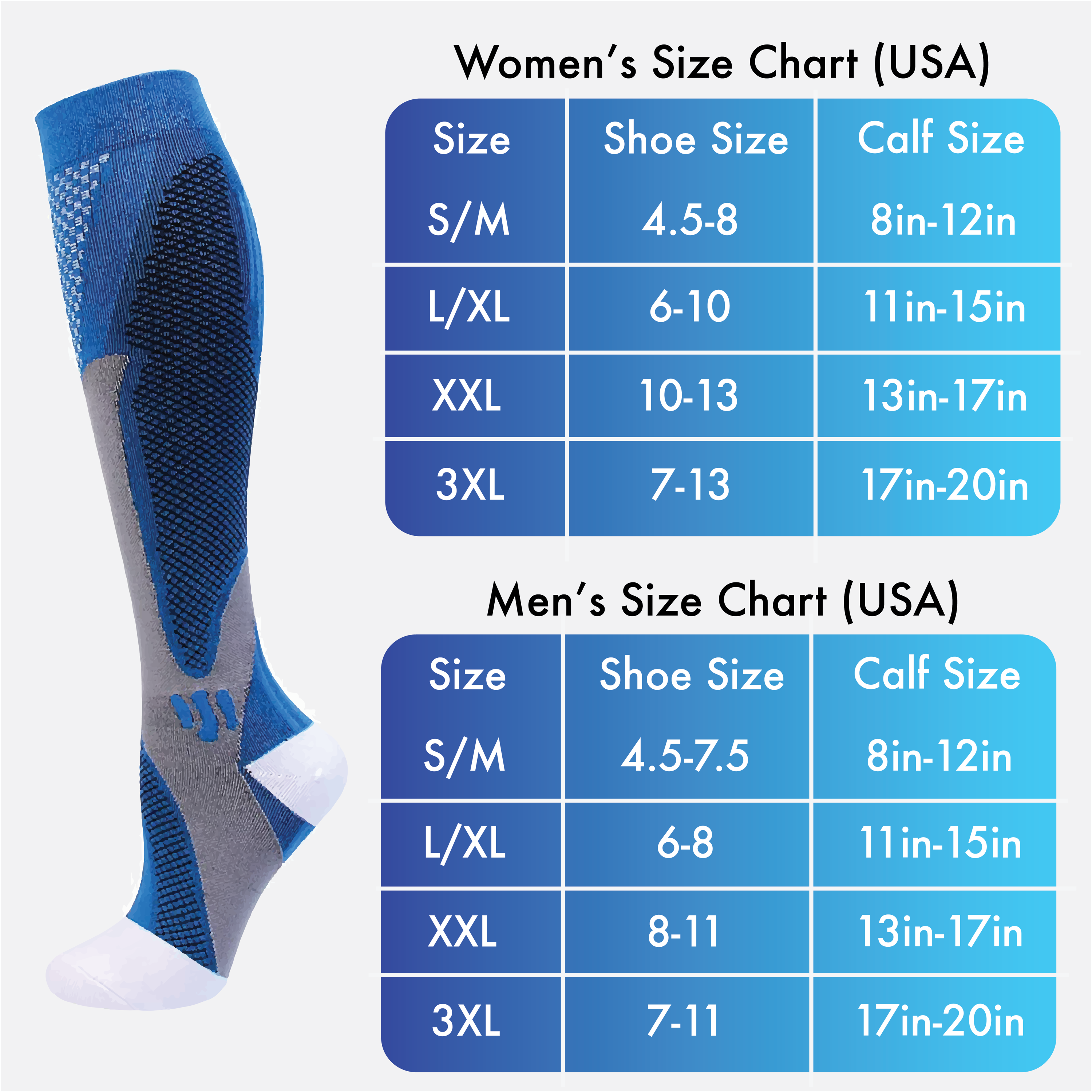
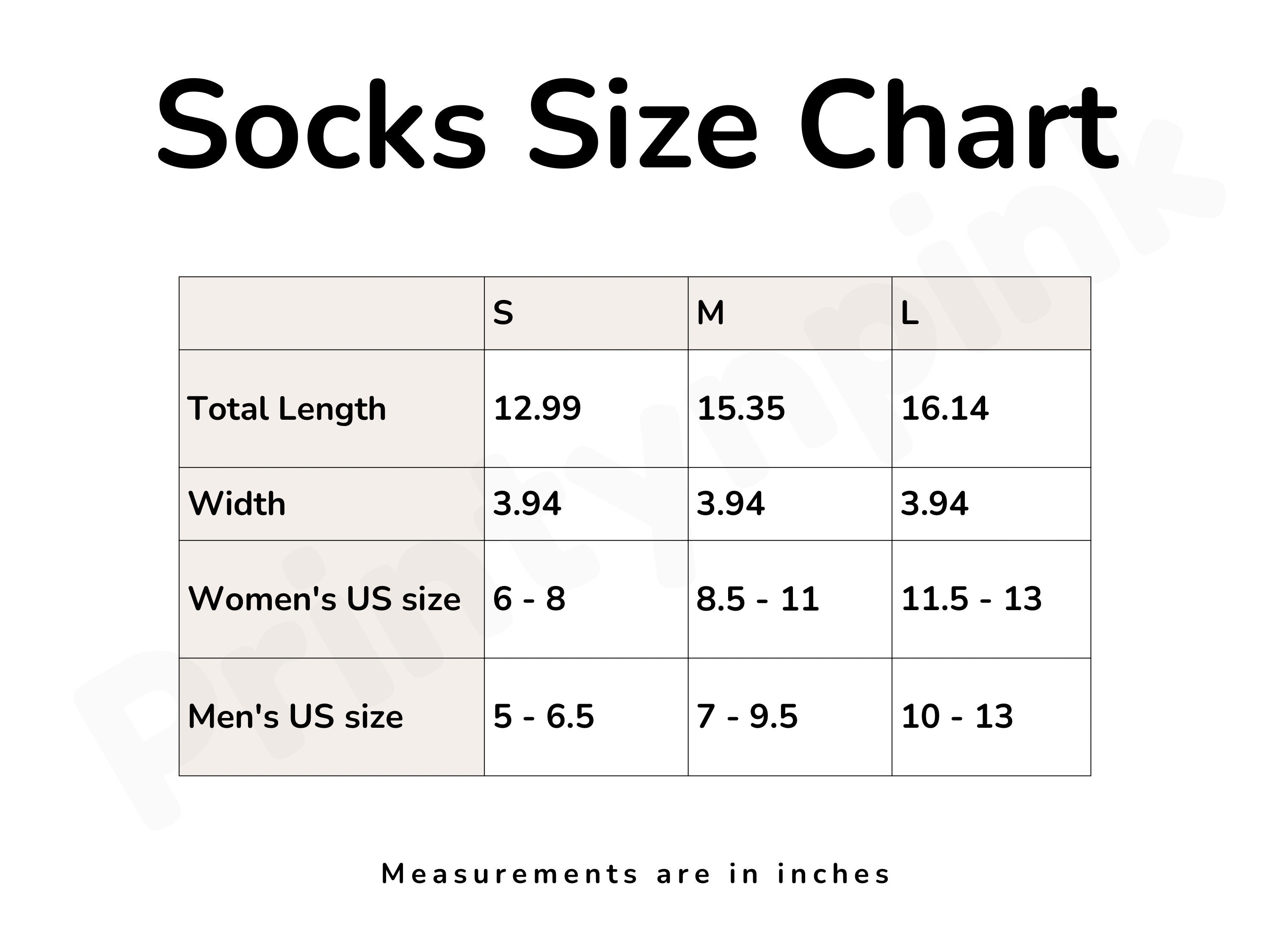
A sock size chart is a straightforward reference, yet it can vary depending on the brand and region. It's a quick guide to ensure you choose the right size, and it's especially useful when buying online. Think of it as a map to finding the perfect fit, guiding you through the process of matching your foot measurements to the right sock size.
Understanding the Sock Size Chart
A sock size chart is your go-to guide for finding the perfect fit for your feet. It's a simple tool that helps you match your foot measurements to the right sock size, ensuring comfort and avoiding any awkward bunching or slipping.
Key Details and Categories
The chart typically displays two main categories: foot length and sock size. Foot length is usually measured in centimeters (cm) or inches, and it's the distance from the heel to the tip of your longest toe. Sock size, on the other hand, is a standardized measurement that corresponds to this foot length. It's important to note that sock size charts can vary slightly depending on the region and manufacturer, so it's good to check if you're using an international sock size chart or one specific to your country.
How to Read and Apply the Chart
Using a sock size chart is straightforward:
Measure your foot length. Place your foot on a flat surface and use a ruler or measuring tape to get the distance from your heel to the longest toe.
Find your foot length on the chart. Look for the column or row that matches your measured foot length.
Identify the corresponding sock size. The intersecting row or column will give you the recommended sock size.
Choose your socks. Now you can confidently pick your socks, knowing they'll fit comfortably and snugly.
Variations and Differences
While sock size charts provide a standardized guide, there can be variations across different brands and manufacturers. Some may have slightly different size ranges or use unique sizing systems. It's always a good idea to check the brand's specific size guide, especially if you're ordering online or trying a new brand. Additionally, the type of sock (e.g., crew, ankle, or no-show) can also impact the fit, so consider the style you prefer.
Common Mistakes and How to Avoid Them
One of the most common mistakes is not measuring your foot length accurately. Ensure you're standing up and placing your foot flat on the measuring surface. Another pitfall is assuming all sock size charts are the same. Always double-check if you're using an international or regional chart, especially when shopping online or across borders. Lastly, remember that foot shape and width can also affect the fit, so consider trying on socks if possible, or opting for a brand that offers a generous return policy.
Well, that's a wrap on our sock size chart adventure! You now have the tools to ensure you're always getting the perfect fit, which is a win-win for your comfort and style.
Remember, while this guide offers a solid framework, exact values can vary slightly between different standards and sources. So, take a moment to double-check the specific requirements or guidelines relevant to your context. And there you have it—a simple yet effective way to ensure your socks are always a snug and cozy fit!
Related: Understand the Hair Shade Chart: A Simple Guide
You're here because you need a quick fix, right? A simple, reliable reference for your hair color adventure. Well, the hair shade chart is your trusty guide, a visual map to navigate the world of hair colors. It's a handy tool, a quick-glance reference, offering a range of shades and tones to explore. From natural hues to bold, vibrant choices, the chart lays it all out. You'll find tone levels, hair dye shades, and even a color wheel to help you match and create your desired look.
Understanding the Hair Shade Chart: Your Guide to Hair Color
The hair shade chart is a handy tool that helps you navigate the world of hair color. It's a visual reference, often in the form of a color wheel or a detailed table, that displays a range of hair colors and their corresponding shades. This chart is your friend when you want to achieve a specific hair color or match a particular shade.
Comparing Hair Color Standards and Formats
There are different standards and formats for hair color charts, which can vary based on the region and the manufacturer. The most common ones are the hair dye shades charts, which use a numerical system to represent different tones. These charts often have a range of numbers, like 1 to 10 or 1 to 12, with each number representing a distinct shade. For instance, a level 1 might be the darkest black, while a level 10 could be a light blonde.
Using the Hair Shade Chart: A Step-by-Step Guide
Using the hair shade chart is simple once you know how. First, identify the standard or brand you're working with. This ensures you're using the right chart for your hair color products. Next, locate your current hair color on the chart. This gives you a starting point. Then, decide on your desired hair color. The chart will help you visualize the difference and choose the right shade.
For example, if you have dark brown hair (let's say a level 4) and want to go lighter, you might aim for a level 6 or 7, which could be a beautiful, warm medium brown. Always remember to consider your natural hair color and its condition. If your hair is very dark, achieving a light blonde might require multiple sessions and a professional's expertise.
Avoiding Missteps: Common Pitfalls and How to Avoid Them
One common mistake is not considering your natural hair color's base. The hair shade chart often shows the results on pre-lightened hair, so if your hair is darker, the result might be different. Always check the chart's instructions or consult a professional for guidance.
Another pitfall is not accounting for tone. The chart might show a single number for a shade, but in reality, there are often variations within that shade, like ash, golden, or warm tones. These subtle differences can make a big impact on the final result, so choose wisely!
Factors Affecting Accuracy: Key Considerations
- Hair tint: Your natural hair color and its condition play a significant role. Pre-lightened or bleached hair will react differently to dye compared to virgin hair.
- Tone levels: The tone of your desired shade matters. A warm tone, for instance, will look different on someone with cool undertones.
- Shade guide: Always refer to the specific shade guide provided by the dye manufacturer. These guides often offer more detailed information about the results on different hair types and tones.
Choosing the Right Chart: Adapting to Your Needs
There are various charts available, each with its own system and range. Some charts might use letters or even a combination of numbers and letters. It's essential to choose the right chart for your needs. If you're using a specific brand of hair dye, they often provide their own shade chart. Alternatively, you can find generic charts that offer a broader range of shades.
Keeping Your Reference Reliable for Future Use
To ensure you can rely on your hair shade chart in the future, it's important to keep it in a safe place. Consider making a digital copy or taking a photo of the chart for easy reference. This way, you can quickly access it whenever you need to choose or match a hair color. Additionally, stay updated with the latest charts and standards. Hair color trends and technologies evolve, so having the most current reference ensures accurate results.
Hey there! I hope this guide has been helpful in navigating the world of hair shade charts. Remember, these charts are a great tool, but the specifics can vary, so always double-check the source and standard you're using.
Feel free to explore other guides on our site to learn more about related topics and discover practical tips for your hair journey. We've got you covered with simple, straightforward advice!