







Teacher Daily Planner Template Overview
The gtv ctv ptv chart is a handy tool for anyone seeking quick insights and a visual representation of key data. This guide will walk you through the basics, ensuring you can navigate and utilize this chart effectively.
It's a versatile reference, often used to compare and analyze data points, and while the specific values may vary depending on your context, the chart's structure remains a reliable framework. Think of it as your go-to visual guide, offering a simple yet powerful way to interpret and apply information.
Understanding the GTV CTV PTV Chart: A Quick Overview
The GTV CTV PTV chart is a valuable tool used to understand and compare different aspects of a project or process. It provides a visual representation of key measurements and helps you make informed decisions. This chart is versatile and can be applied to various fields, making it a handy reference.
Comparing GTV, CTV, and PTV: What's the Difference?
Each category on the GTV CTV PTV chart represents a specific measurement or standard. GTV (Gross Target Volume) refers to the entire area of interest, often the largest value. CTV (Clinical Target Volume) focuses on a specific, clinically relevant region within the GTV. Finally, PTV (Planning Target Volume) considers additional margins to account for potential variations. These categories help define the target and its critical areas.
Step-by-Step Guide to Using the GTV CTV PTV Chart
- Identify your project's requirements and the specific measurements you need to consider.
- Locate the relevant category on the chart: GTV, CTV, or PTV.
- Read the values or ranges provided for each category. These values may vary depending on the standard or region, so ensure you're using the correct reference.
- Compare the measurements and understand the differences between the categories. This comparison helps you make decisions based on the level of precision required.
- Apply the insights from the chart to your project. For instance, if you're dealing with a critical medical procedure, you might focus more on the CTV and PTV to ensure accuracy.
Common Misreadings and How to Avoid Them
It's essential to remember that the GTV CTV PTV chart provides a general guide and may not cover every unique scenario. Always double-check the specific standards or guidelines relevant to your field or project. Misreading the chart can lead to incorrect assumptions, so ensure you understand the context and any variations that may apply. For instance, the values might differ between metric and imperial systems, so always verify the units of measurement. Additionally, some charts might use different labels or categories, so be mindful of any variations in terminology.
Well, there you have it! A handy guide to help you navigate the world of gtv, ctv, and ptv charts. Remember, while the basics remain the same, the exact details might differ slightly, so always refer to the specific standards or sources relevant to your project.
Feel free to explore our other guides; we've got plenty of practical tips and tricks to share, ensuring you have all the knowledge you need to tackle any challenge that comes your way. Happy learning, and stay curious!
Related: How to Use the Apoquel Dose Chart?
Frustrated by the endless search for the right information? You're not alone. Many pet owners find themselves seeking a quick, reliable guide to navigate the apoquel dose chart and ensure their furry friends receive the correct dosage. This chart is a crucial tool, offering a simple yet effective way to determine the appropriate treatment for canine allergies. With variations in dosing based on factors like weight and region, having a clear, accessible reference is essential.
Understanding the Apoquel Dose Chart
The apoquel dose chart is a valuable tool for pet owners and veterinary professionals, offering a clear guide to administering the correct dosage of apoquel, a medication used to treat canine allergies. This chart simplifies the process, ensuring your dog receives the right amount based on their weight.
Key Details and Categories
The apoquel dose chart typically presents two main categories: weight ranges and corresponding dosage recommendations. Weight is a critical factor, as it determines the appropriate dose. The chart provides a range of weights, often in kilograms or pounds, with the recommended dosage for each range. This ensures accuracy and safety in medication administration.
Step-by-Step Guide: Reading and Applying the Chart
Follow these steps to accurately use the apoquel dose chart:
- Weigh your dog accurately. Ensure the scale is suitable for your dog's size and provides precise readings.
- Locate your dog's weight on the chart. If their weight falls within a range, choose the dosage for the lower weight in the range. For instance, if your dog weighs 15 kg and the range is 15-20 kg, select the dosage for 15 kg.
- Measure the dosage precisely. Use the appropriate measuring tool, such as a syringe or oral dispenser, to ensure an accurate dose.
- Administer the medication as directed. Follow the instructions for the frequency and timing of doses, typically twice daily for the first two weeks and then once daily thereafter.
Variations and Differences
It's important to note that apoquel dose charts may vary slightly depending on the region and the specific manufacturer's guidelines. Factors like the dog's age, breed, and overall health may also influence dosage, so it's crucial to consult with a veterinarian for personalized advice. Additionally, the chart provides a general guide, and individual cases may require adjustments.
- Key factors influencing dosage:
- Weight of the dog
- Manufacturer's guidelines
- Region-specific standards
- Dog's age and breed
- Overall health condition
Common Dosage Mistakes and How to Avoid Them
To ensure accurate dosing:
- Always refer to the most recent apoquel dose chart provided by your veterinarian or the medication's packaging.
- Avoid rounding up or down when determining the dosage. Stick to the precise weight and corresponding dosage.
- Be mindful of the medication's expiration date and storage instructions to maintain its effectiveness.
- Consult your veterinarian if you have any concerns or questions about the dosage or your dog's response to the medication.
Remember, while the apoquel dose chart is a helpful guide, it's essential to prioritize your dog's health and well-being. Regular communication with your veterinarian is key to ensuring the best care for your canine companion.
Remember that while this chart provides a valuable reference, the exact doses and guidelines may differ slightly depending on various factors. It's always a good idea to consult with a veterinarian for personalized advice and to ensure the best care for your furry friend.
Feel free to bookmark this page for future use, and don't forget to check out our other practical guides for pet owners! We aim to make your life a little easier with these handy resources.
Related: Home Renovation Contractor Simple Guide
I'm feeling a bit overwhelmed by the thought of my upcoming home renovation. I've heard home renovation contractor is the way to go, but I'm not sure where to start. I want to get it right, so I'm doing some research to find the best approach.
Understanding the Home Renovation Contractor
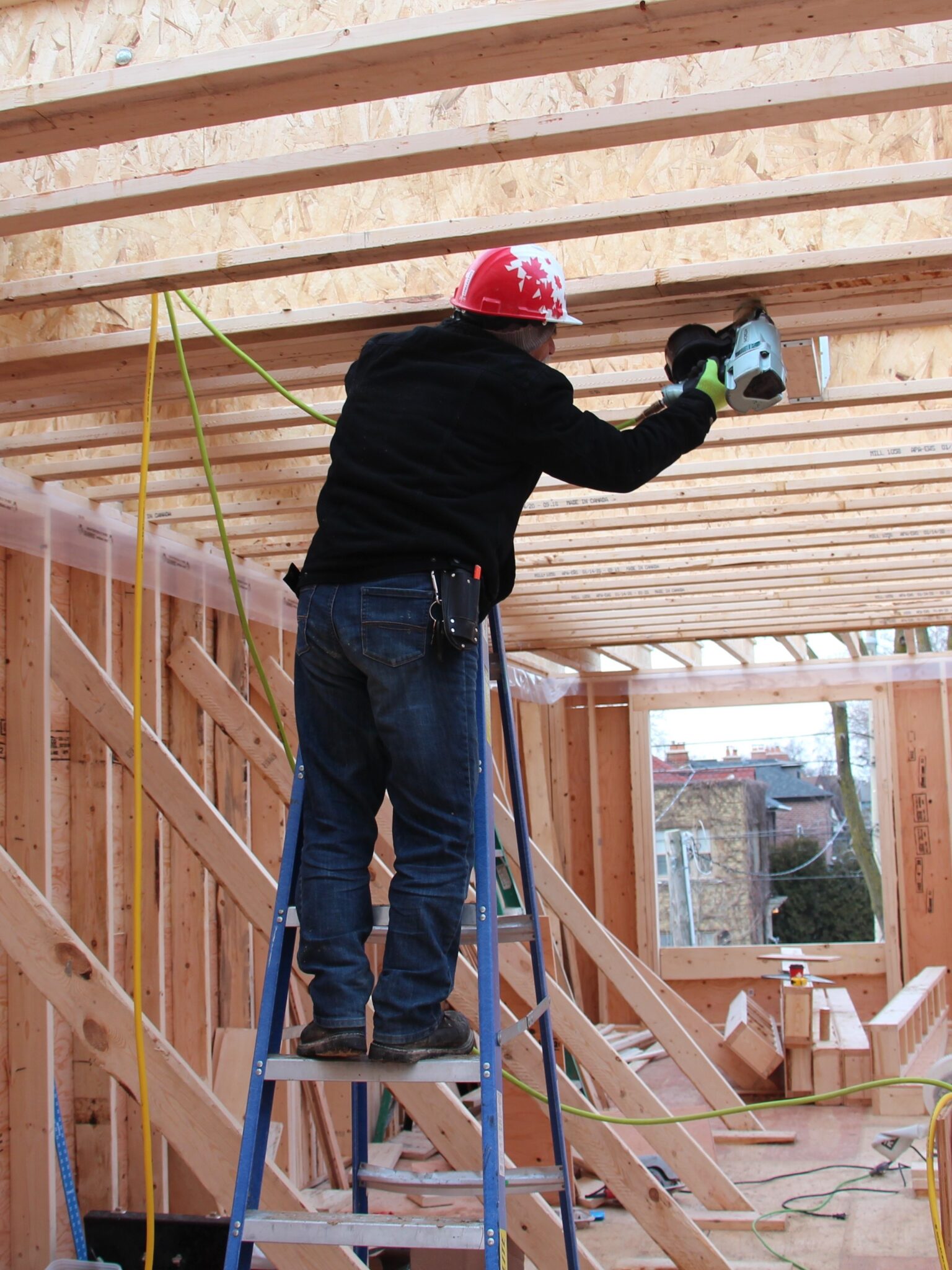
A home renovation contractor is your go-to expert for all things related to transforming your living space. They handle the ins and outs of construction and remodeling, ensuring your vision becomes a reality. From adding a room to updating your bathroom, these professionals manage the entire process, from planning to completion.
When you hire a home renovation contractor, you're getting a team of skilled workers who can handle various tasks. They'll coordinate the work, manage the timeline, and ensure the project stays on track and within budget. It's a one-stop shop for all your renovation needs, taking the stress out of the process.
Finding and Hiring the Right Contractor
Finding a reliable home renovation contractor is key. Check online reviews and ask for recommendations from friends or family. Once you've found a few potential contractors, it's important to ask the right questions. Inquire about their experience, the scope of their work, and any specific skills or certifications they have.
Get detailed quotes from at least three contractors. Compare these quotes, but remember the cheapest isn't always the best. Look for a balance between cost and quality. A good quote will include a breakdown of costs, the timeline, and a clear understanding of the work to be done.
Construction Companies and Their Names
Construction companies often have unique names that reflect their brand and services. A good name should be memorable, easy to pronounce, and give a hint about the business. Some creative names could be Build-It-Right, Renovate & Revive, or Home Transformation Specialists.
Before settling on a name, check its availability for local registration and as a domain. You want to ensure your business name isn't already taken and that you can secure a matching website address.
Industry Tools and Data
The construction industry uses various tools and data to estimate costs and manage projects. One such tool is RSMeans, which provides cost databases and escalation data to help contractors and estimators. This data is crucial for accurate pricing and helps ensure projects stay within budget.
Construction Jobs and Salaries
The construction industry offers a range of roles, from general contractors to specialized tradespeople. Salaries can vary depending on the role, experience, and location. Estimators, for example, play a crucial part in pricing projects accurately.
If you're interested in construction jobs, check local job boards, company websites, and industry-specific platforms. It's a hands-on, rewarding career with plenty of opportunities.
Big Construction Companies
Large construction companies often have the resources to take on major projects. They may have a broader range of services and a larger team of specialists. However, smaller companies can offer personalized service and may be more flexible.
The size of the company doesn't always determine its quality. It's important to research and choose a company that aligns with your needs and budget, regardless of its size.
Final Thoughts
Hiring a home renovation contractor can be a great way to bring your home improvement dreams to life. With the right team, you can transform your space and create a home you love. So, take the time to research, ask questions, and find the perfect fit for your project.