Teeth Names Chart Editable Overview
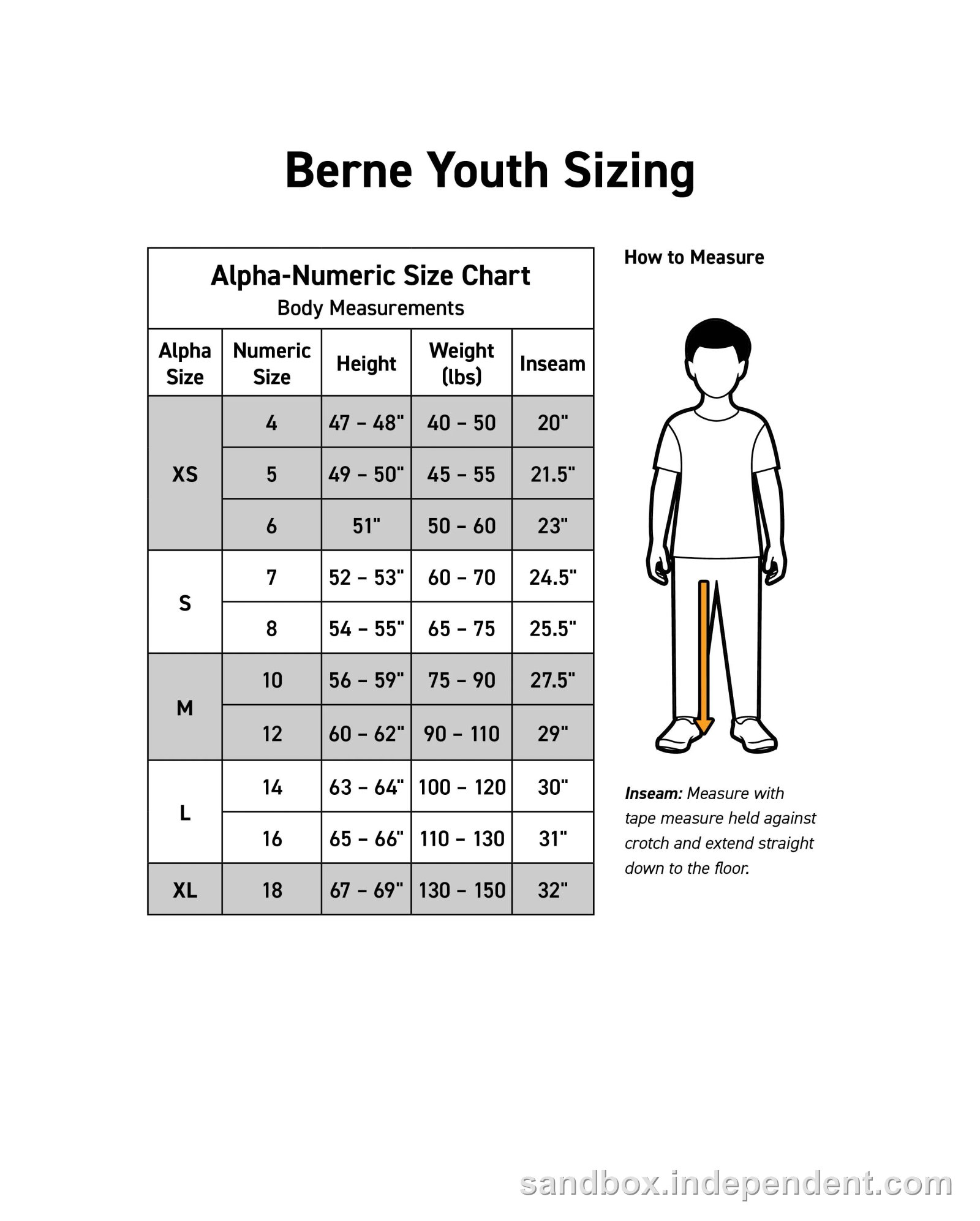
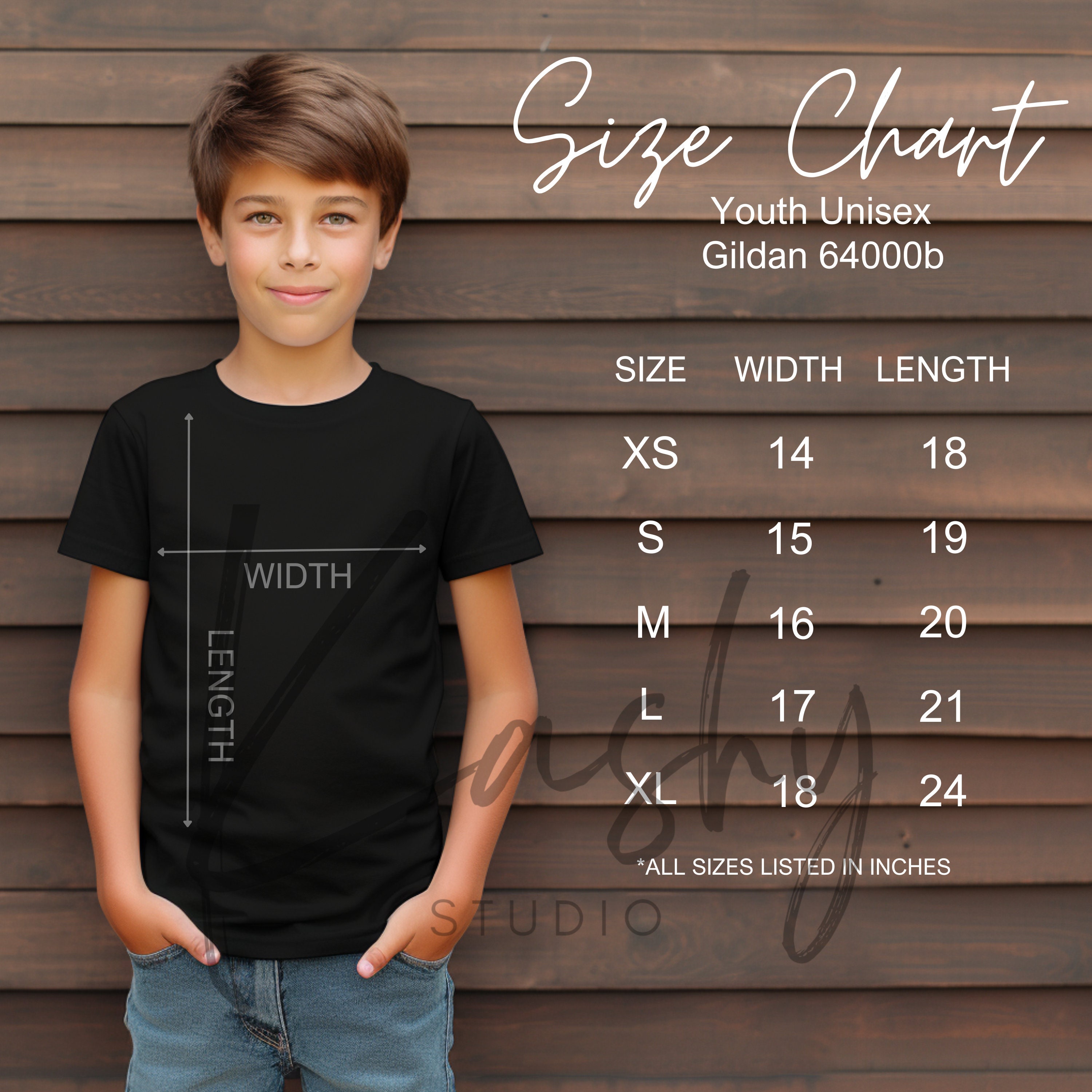
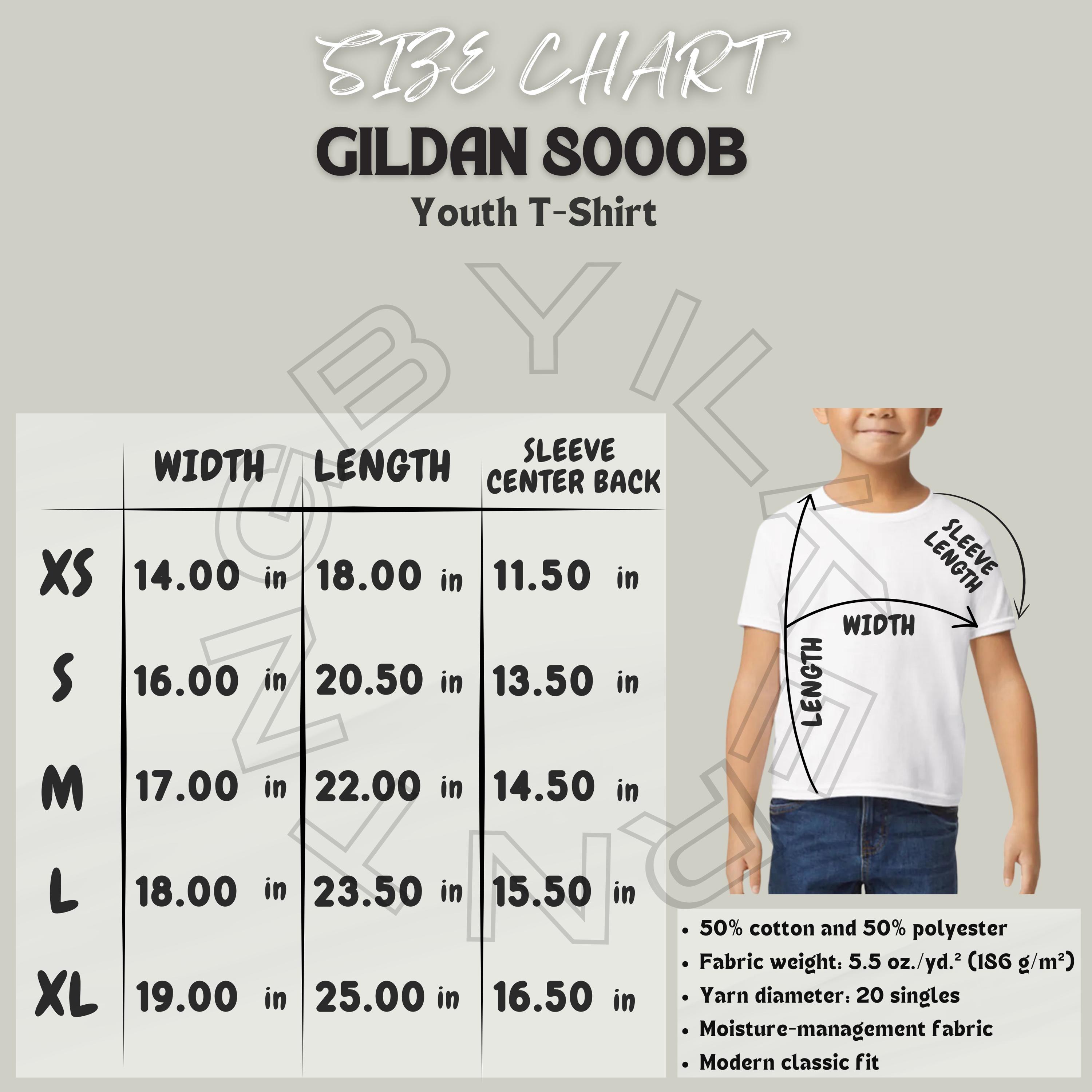
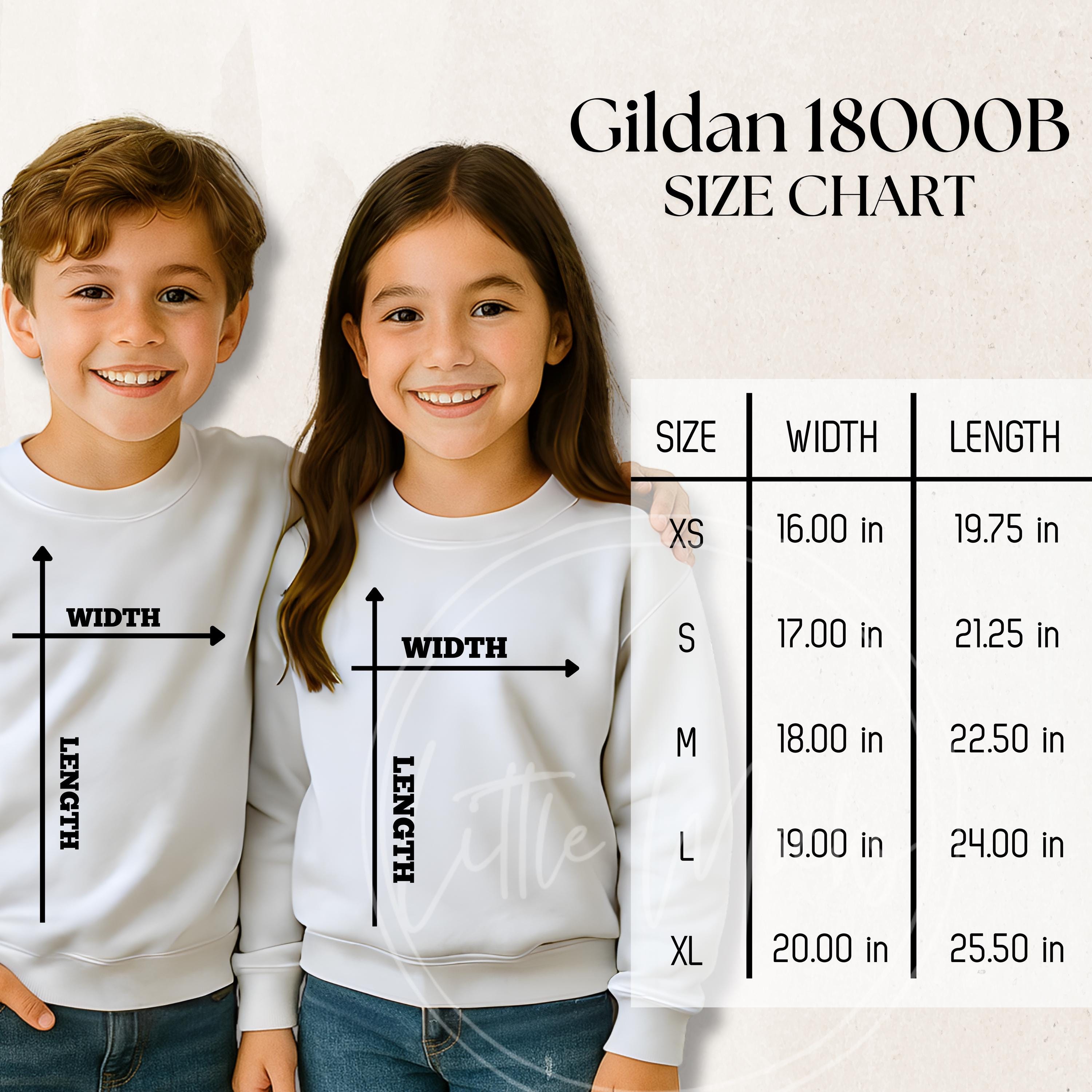
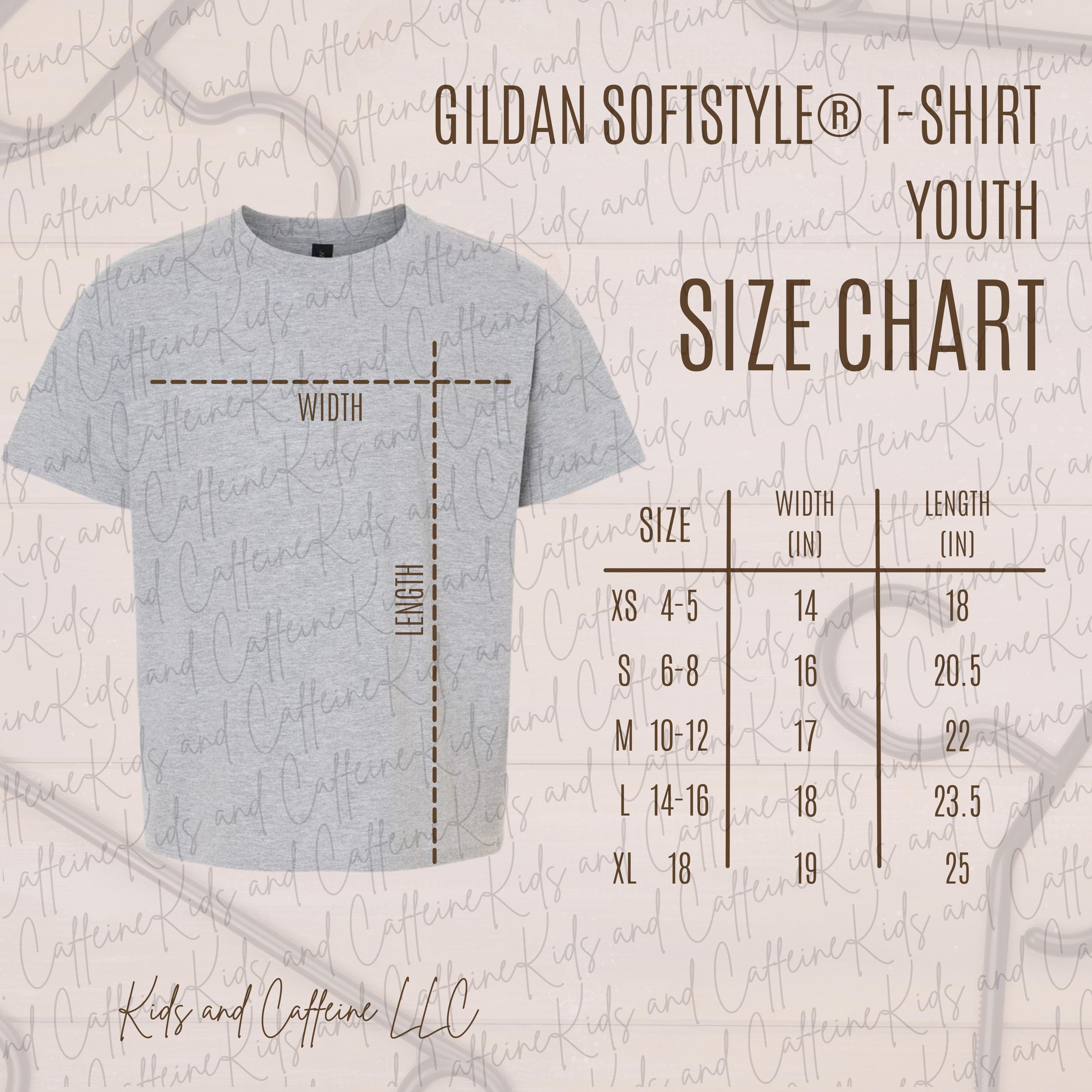
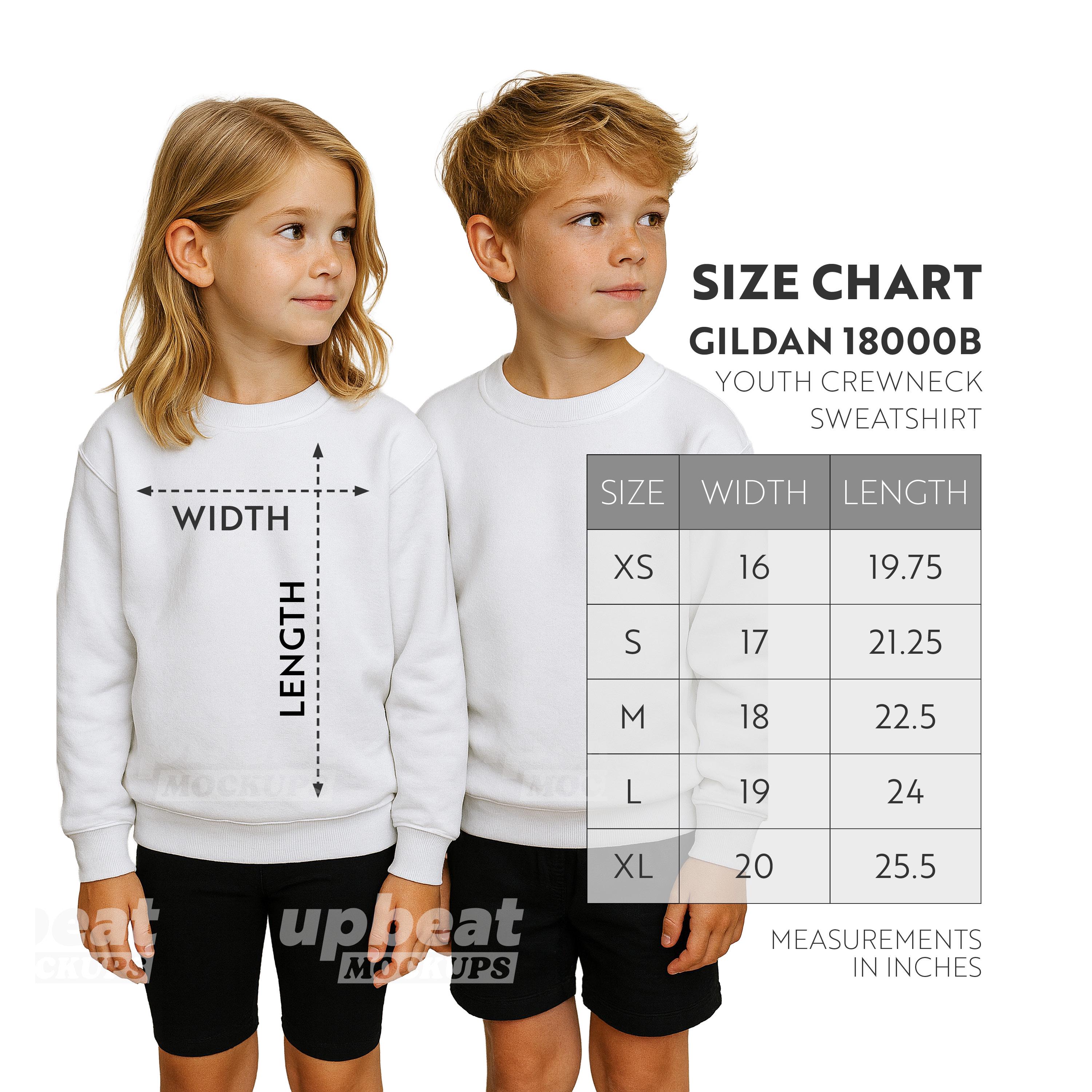
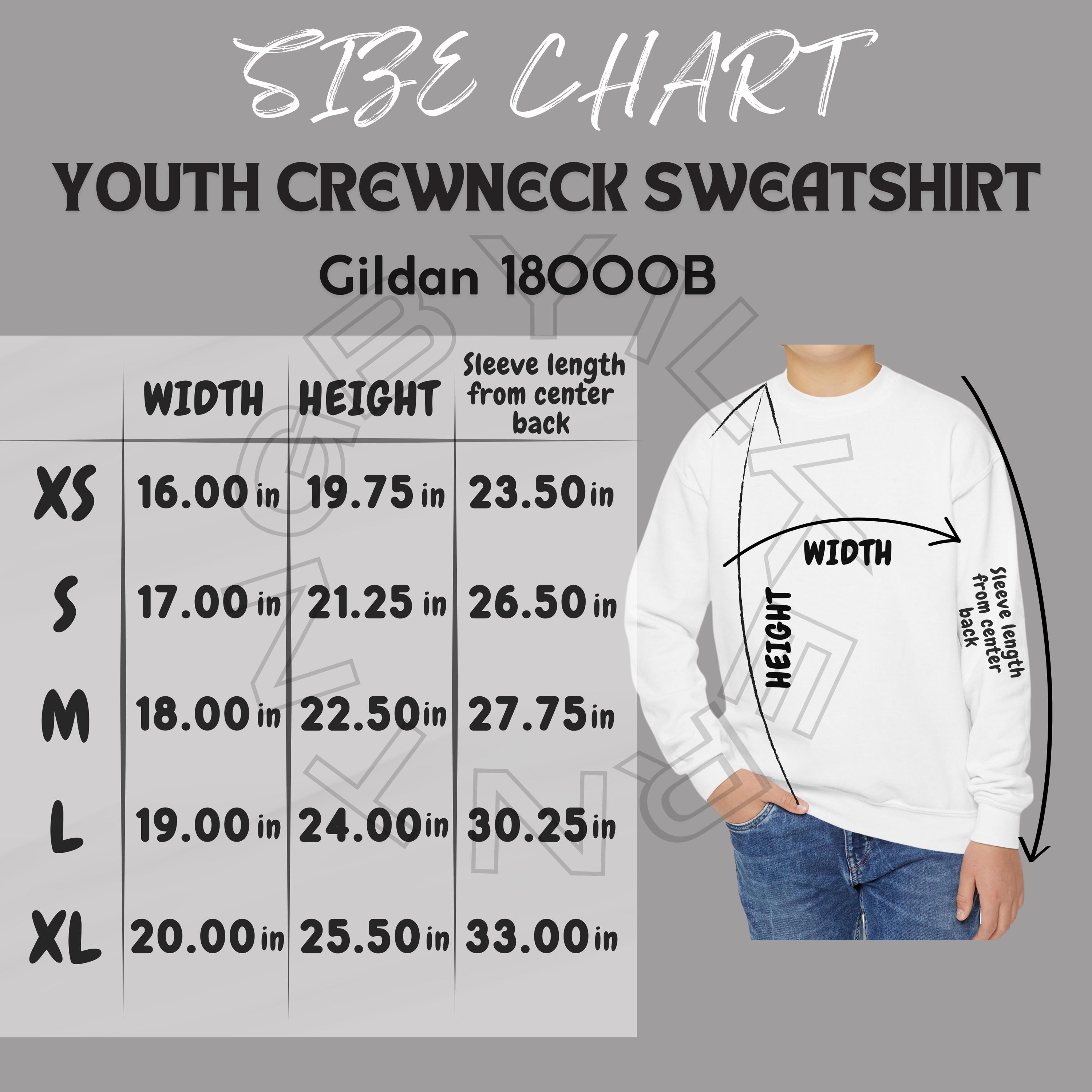
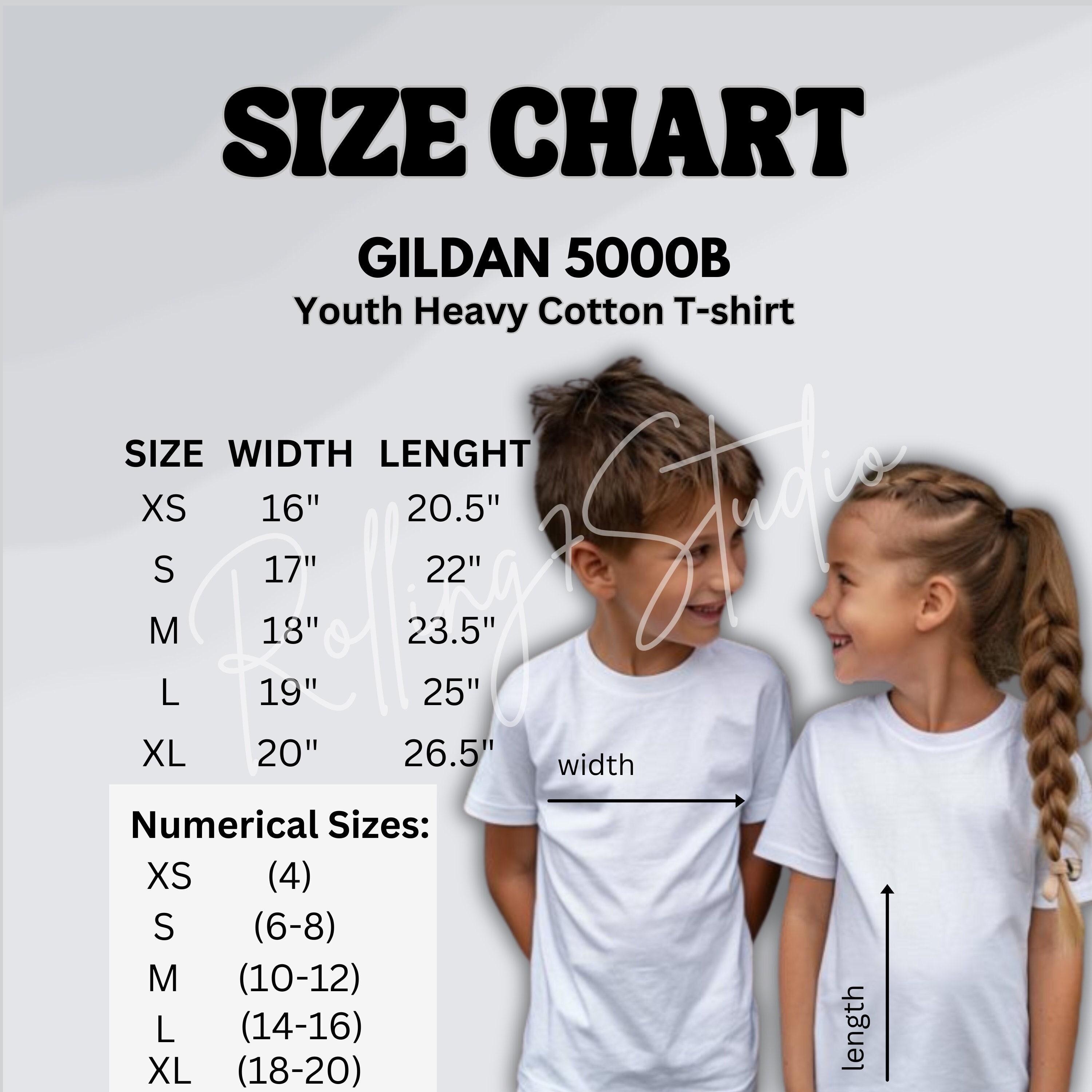
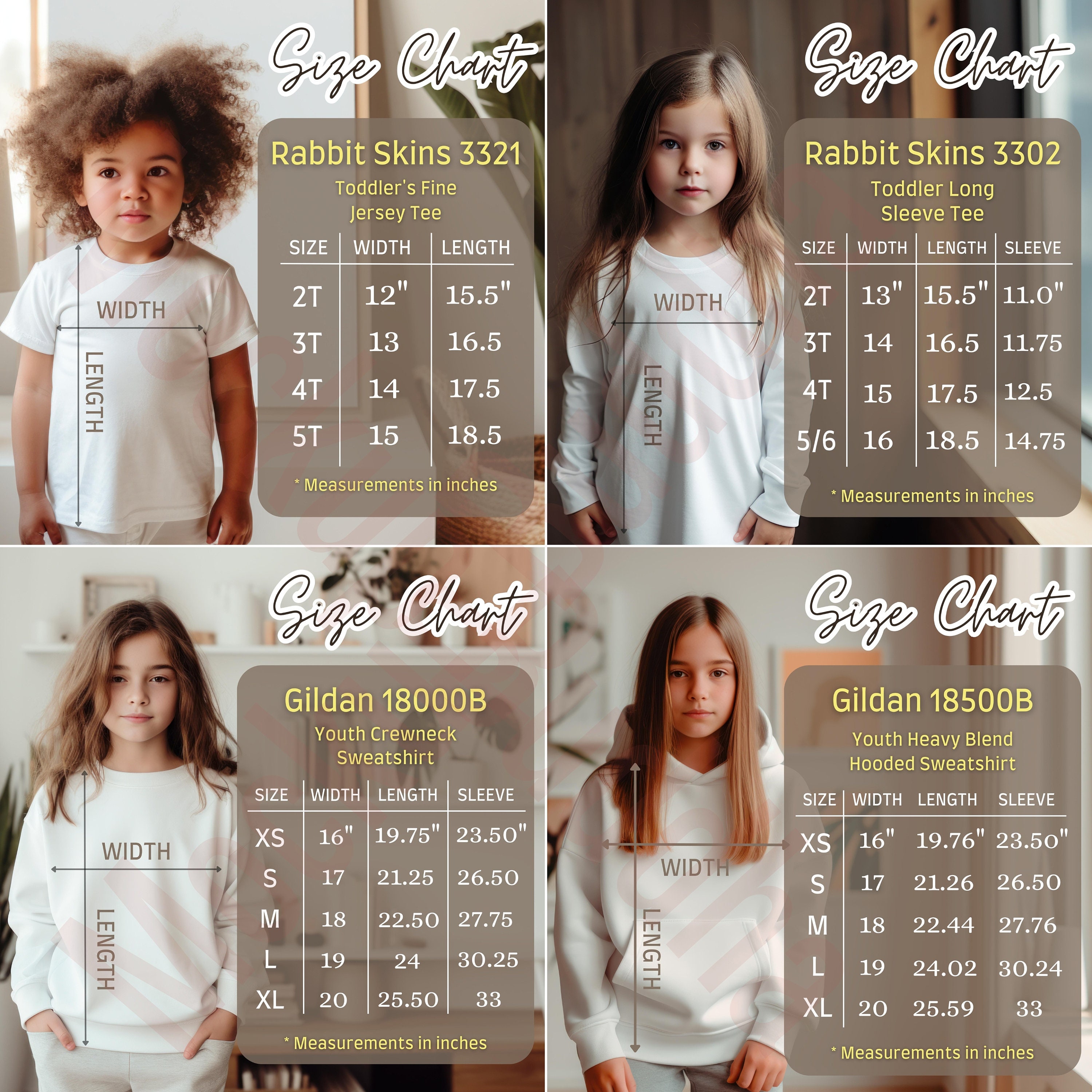
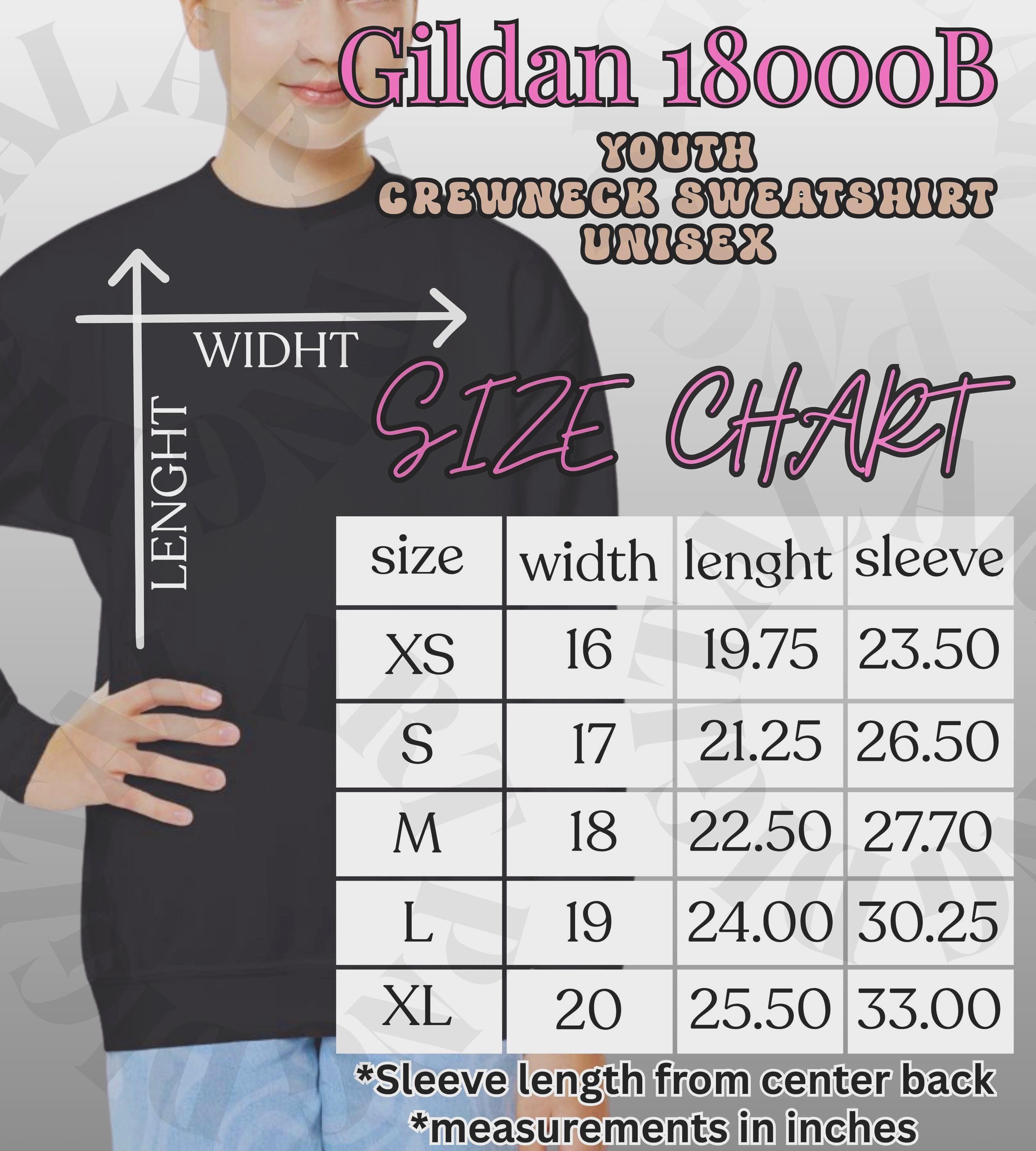
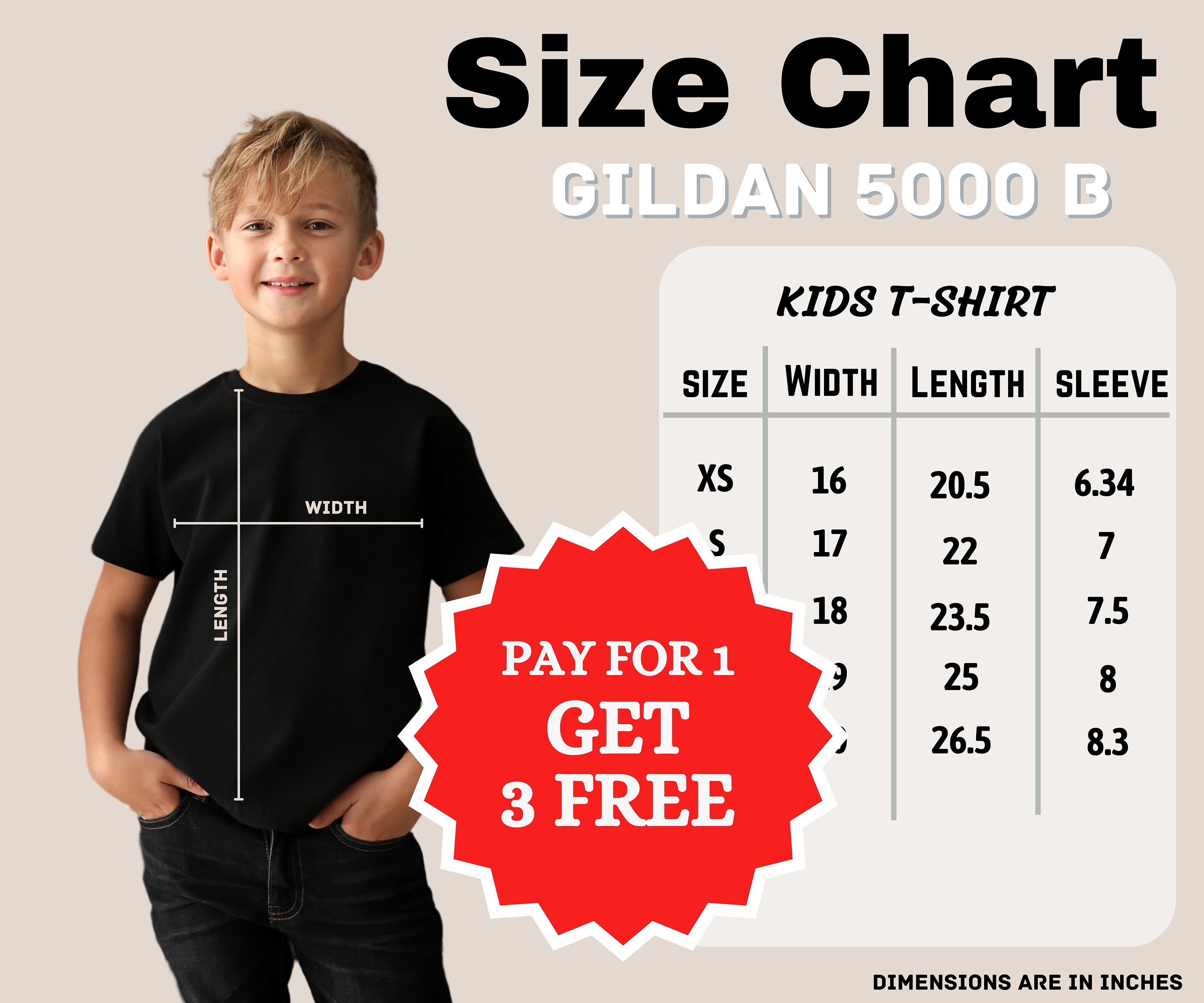
A youth size chart is a handy tool for parents and caregivers, offering a quick and accurate way to find the right fit for kids' clothing and shoes. This guide will show you how to navigate these charts, ensuring you get the perfect size every time.
Understanding the youth size chart is essential, especially when shopping online or for specific brands. While the charts provide standard measurements, they can vary slightly, so knowing how to read them is key.
Youth Size Chart: A Practical Guide
A youth size chart is an essential tool for parents and caregivers to ensure kids' clothes and shoes fit comfortably and correctly. This chart provides a standardized guide to help you choose the right size for children's apparel and footwear.
Key Details and Categories
The youth size chart typically includes categories for clothing and shoes, with specific measurements for each. For clothing, you'll find sizes ranging from XS (extra small) to XL (extra large), each with corresponding chest, waist, and height measurements in inches or centimeters. Shoe sizes, on the other hand, are numbered and often include an age range as a reference.
Understanding the Chart: Step-by-Step
To use the youth size chart accurately, follow these steps:
- Measure your child's chest, waist, and height. Ensure you use a flexible measuring tape for an accurate reading.
- Locate the appropriate category on the chart: clothing or shoes.
- For clothing, find the size that best matches your child's measurements. If their measurements fall between two sizes, choose the larger size for comfort and room to grow.
- For shoes, identify the size that aligns with your child's age or foot length.
- Always double-check the specific brand or manufacturer's guidelines, as sizing can vary slightly between brands.
Common Size Variations and Why They Occur
It's important to note that youth sizes can vary depending on several factors:
- Region and Standard: International youth size charts may use different units or have slightly different measurements. Always check if the chart follows US or international standards.
- Clothing Style: Different types of clothing, like shirts, pants, or jackets, may have unique sizing requirements.
- Shoe Type: Athletic shoes, for instance, might have a different fit compared to dress shoes.
- Individual Differences: Every child's body is unique, so variations in body shape and size are common.
Practical Sizing Tips and Common Mistakes to Avoid
Here are some tips to ensure accurate sizing:
- Measure your child regularly, as they grow quickly!
- Don't assume that all brands follow the same sizing guidelines.
- When in doubt, opt for a slightly larger size to allow for growth.
- Avoid relying solely on age for shoe sizing; foot length is a more accurate indicator.
- Remember that comfort and fit are crucial, so always try items on if possible.
By following these guidelines and understanding the factors that influence youth sizing, you'll be able to choose the perfect fit for your child's clothes and shoes.
Hey there, I hope this youth size chart guide has been a helpful resource for you. Remember, when it comes to sizing, exact values can differ slightly, so always double-check the source and standard you're using.
It's always a good idea to bookmark pages like these for future reference, especially when you're shopping for kids and need a quick reminder of the right measurements. Feel free to explore our other guides too; we've got plenty of practical tips and tricks to make your life easier!
Related: How to Use the Cerenia Dose Chart?
You're likely here because you need a quick solution or some clarity on how to use the cerenia dose chart effectively. It's a handy tool, often in the form of a table or diagram, designed to make dosing cerenia, an anti-nausea medication, simple and accurate. This chart is a go-to reference for pet owners and vets alike, providing a straightforward guide to ensuring your furry friend gets the right dose. While the values may vary depending on factors like weight and region, the cerenia dose chart offers a reliable starting point for administering this veterinary nausea medication.
Understanding the Cerenia Dose Chart
The cerenia dose chart is a valuable tool for pet owners and veterinary professionals, providing a quick and easy reference guide for administering the antiemetic medication Cerenia. This chart ensures accurate dosing, which is crucial for treating nausea and vomiting in cats and dogs.
Key Details and Units
The chart typically displays two key categories: animal weight and corresponding dose. Weight is usually measured in pounds (lbs) for cats and dogs, with standard weight ranges from a few pounds to over 100 lbs. The dose is presented in milligrams (mg) and often includes both oral and injectable options, depending on the medication's form.
Interpreting the Chart: A Step-by-Step Guide
- Locate your pet's weight on the chart. Ensure you have an accurate and recent weight measurement, as this is the primary factor in determining the correct dose.
- Find the corresponding dose for that weight. The chart will indicate the recommended dose, typically in a range to allow for slight variations. For example, a 20-lb dog might have a dose range of 20-25 mg.
- Administer the medication as directed. Follow the instructions on the medication label, which will specify whether to use the oral or injectable form. Ensure you use the correct form and measure the dose accurately.
- Repeat as needed. The frequency of administration will depend on the medication's instructions and your pet's specific condition. Always consult your veterinarian for guidance on the appropriate dosing schedule.
Variations and Differences
While the cerenia dose chart provides a standard guide, variations can occur due to several factors. Different manufacturers may have slightly different recommendations, so always check the specific medication's label. Additionally, the chart's weight ranges might not cover all pets, especially very small or large breeds. In such cases, consult your veterinarian for precise dosing instructions. Storage and handling tips can also impact the medication's effectiveness, so always follow the storage guidelines to maintain the drug's integrity.
Remember, while the cerenia dose chart is a helpful tool, it's essential to prioritize your pet's health and well-being. Always seek professional advice if you have any concerns or questions about administering medication.
Remember, the Cerenia dose chart is a handy tool, but it's always a good idea to double-check the specifics for your unique situation. Exact dosages and guidelines can vary, so it's best to consult the relevant resources or seek professional advice when needed.
Feel free to explore our other guides; we've got plenty of practical tips and references to help you navigate various topics with ease. Happy learning, and stay informed!
Related: What's the right window size chart for your needs?
A window size chart is a handy tool for anyone looking to understand window measurements quickly and easily. This guide will take you through the basics, covering what you need to know to read and use these charts effectively.
It's a simple reference, but one that can vary depending on your location and the type of window you're dealing with. Whether you're after standard window dimensions or more specific measurements, a good chart will provide a clear overview, helping you choose the right size for your needs.
Understanding Window Size Charts
A window size chart is a valuable tool for anyone planning a construction or renovation project. It provides a quick reference guide to standard window dimensions, helping you choose the right size and type for your space. These charts are a handy way to visualize and compare options, ensuring your windows fit the intended space and serve their purpose.
Key Details and Categories
Before diving into a window size chart, it's essential to understand the basic units and categories. Most charts use inches for width and height, with standard sizes ranging from 18" x 18" to 36" x 72". These dimensions cover a wide range of common window types, including single-hung, double-hung, casement, and fixed windows. The charts often include a breakdown of these categories, making it easy to identify the right type for your needs.
Reading the Chart: A Step-by-Step Guide
- Identify the window type you require. This could be a double-hung window for ease of use or a casement window for ventilation.
- Locate the relevant section on the chart. Each type will have its own set of standard sizes.
- Choose the size that best fits your space. Consider the width and height of the opening and ensure the window provides adequate coverage.
- Note the dimensions and any additional details, such as the number of panes or the window's energy efficiency rating.
- Cross-reference with other charts or guidelines to ensure accuracy, especially if you're working with non-standard sizes or unique architectural features.
Variations and Differences
Window size charts can vary depending on the standard being used. While most follow a similar format, there may be slight differences in dimensions or the inclusion of specific window types. For instance, some charts might cater to a wider range of window styles, including awning or bay windows. It's crucial to refer to the right chart for your region or project requirements. Additionally, manufacturers may have their own charts with slight variations to accommodate their product range.
Common Mistakes and How to Avoid Them
One of the most common mistakes is assuming that all windows are created equal. Different window types have unique purposes and may not fit the same space. Always refer to the correct chart for the window style you need. Another pitfall is neglecting to consider the frame size. The window size chart typically refers to the glass dimensions, so ensure you account for the frame when measuring your space. Finally, don't forget to check for any local building regulations or guidelines that might impact your window choices.
Well, there you have it! A window size chart is a handy tool to keep in your back pocket. It's a simple reference guide, but one that can save you time and ensure accuracy when planning your next project.
Remember, while this chart provides a great starting point, it's always wise to double-check the specific requirements for your unique situation. Exact values can vary, so it's best to be prepared and avoid any potential pitfalls. So, bookmark this page, and you'll have a quick and easy solution whenever you need it.