





Teeth Names Chart Free Printable Overview
Many people struggle with the idea of a jeans size chart, assuming it's a complex and confusing tool. But it's actually a simple and handy reference, a quick guide to finding your perfect fit!
The chart offers a visual or tabular overview, providing waist and hip size measurements, along with other key details like inseam length and leg opening. While values may vary slightly between brands and regions, the jeans size chart is a reliable starting point for an accurate fit.
Understanding the Jeans Size Chart
The jeans size chart is your guide to finding the perfect fit for your denim dreams! It's a handy tool that translates your body measurements into the right jeans size, ensuring you look and feel great. This chart is like a secret code, but don't worry, it's easy to crack!
Key Details and Categories
Let's break down the chart's categories. Typically, a jeans size chart will have two main measurements: waist size and hip size. These are the most critical factors in finding a comfortable and flattering fit. You'll also find other details like inseam length, leg opening, and rise, which add precision to your choice. These measurements are usually in inches or centimeters, depending on the standard used. Always check the chart's units to ensure accuracy.
How to Read and Apply the Chart
Using the jeans size chart is a breeze! Here's a step-by-step guide:
- Measure your waist and hip sizes. Ensure you're measuring at the right points; for the waist, it's the narrowest part of your torso, and for the hips, it's the widest part.
- Find your waist and hip measurements on the chart. The chart will often have a grid or table format, with waist sizes along one axis and hip sizes on the other.
- Look for the intersection of your waist and hip measurements. This will give you your recommended jeans size. For example, if your waist is 28 inches and your hips are 36 inches, the chart might recommend a size 6.
- Consider other details like inseam length. If you prefer a specific leg length, choose a size that accommodates your desired inseam.
- Try it on! While charts are accurate, personal preferences and body shapes vary. So, it's always best to try the jeans and see how they feel and look.
Size Variations and Differences
It's important to note that jeans size charts can vary slightly between brands and manufacturers. This is because each brand might have a unique fit philosophy or use different measurement standards. Additionally, regional differences can impact size charts, with some countries using different sizing systems. Always check the brand's specific size guide or denim size chart to ensure you're using the right measurements. It's a good idea to refer to the brand's size guide when shopping online to avoid any surprises.
Finding the perfect jeans size is an adventure, and with this guide, you're equipped to navigate the jeans size chart like a pro!
Well, there you have it! A handy jeans size chart to keep on hand for all your denim adventures. Remember, these charts are a great starting point, but it's always wise to check the specific brand's size guide for any unique fits or styles.
Jeans shopping can be a fun and practical experience, and with this guide, you're well-equipped to find your perfect fit. So, happy browsing and remember to bookmark this page for future denim missions!
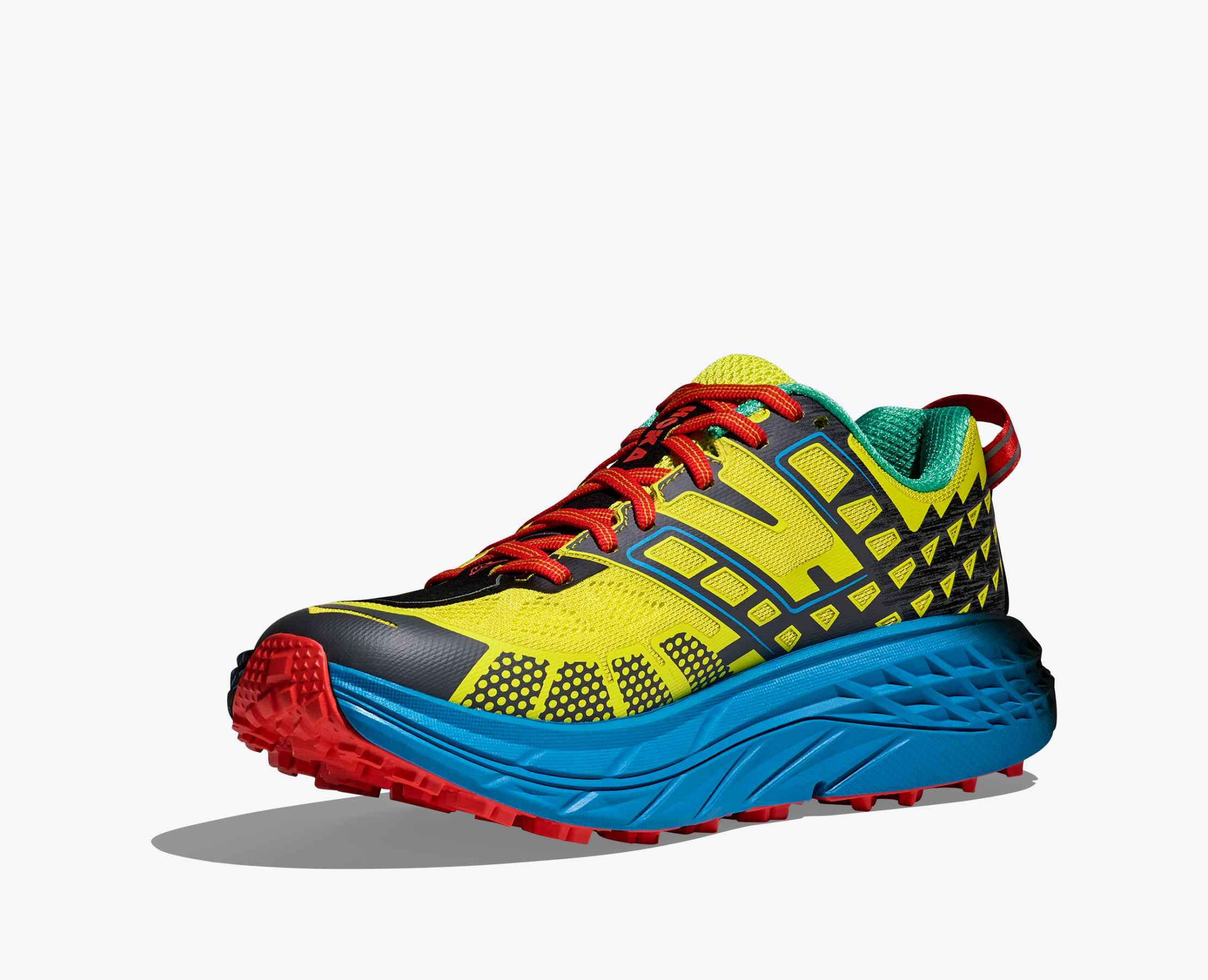
Related: Get the Right Fit: Hoka Size Chart Guide
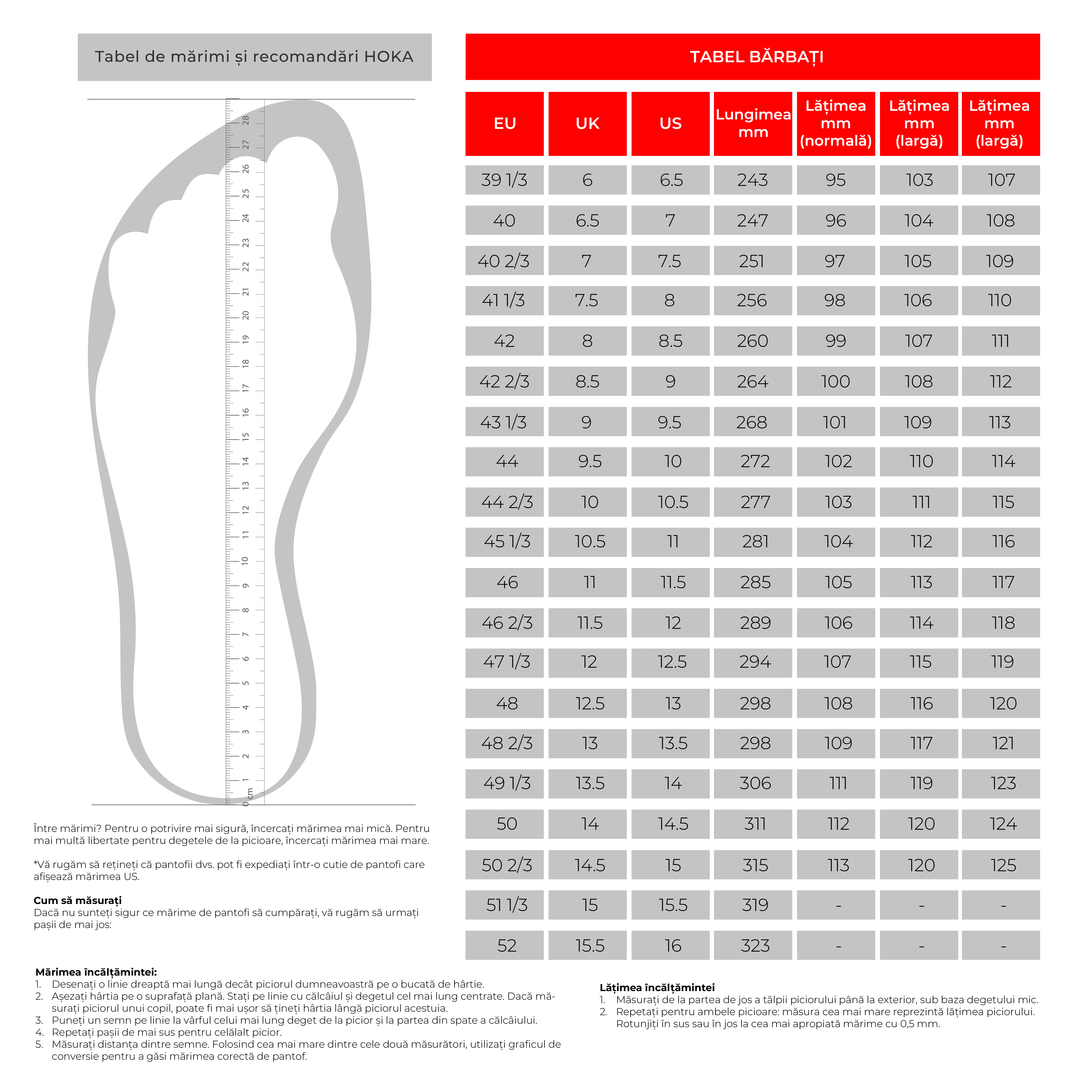
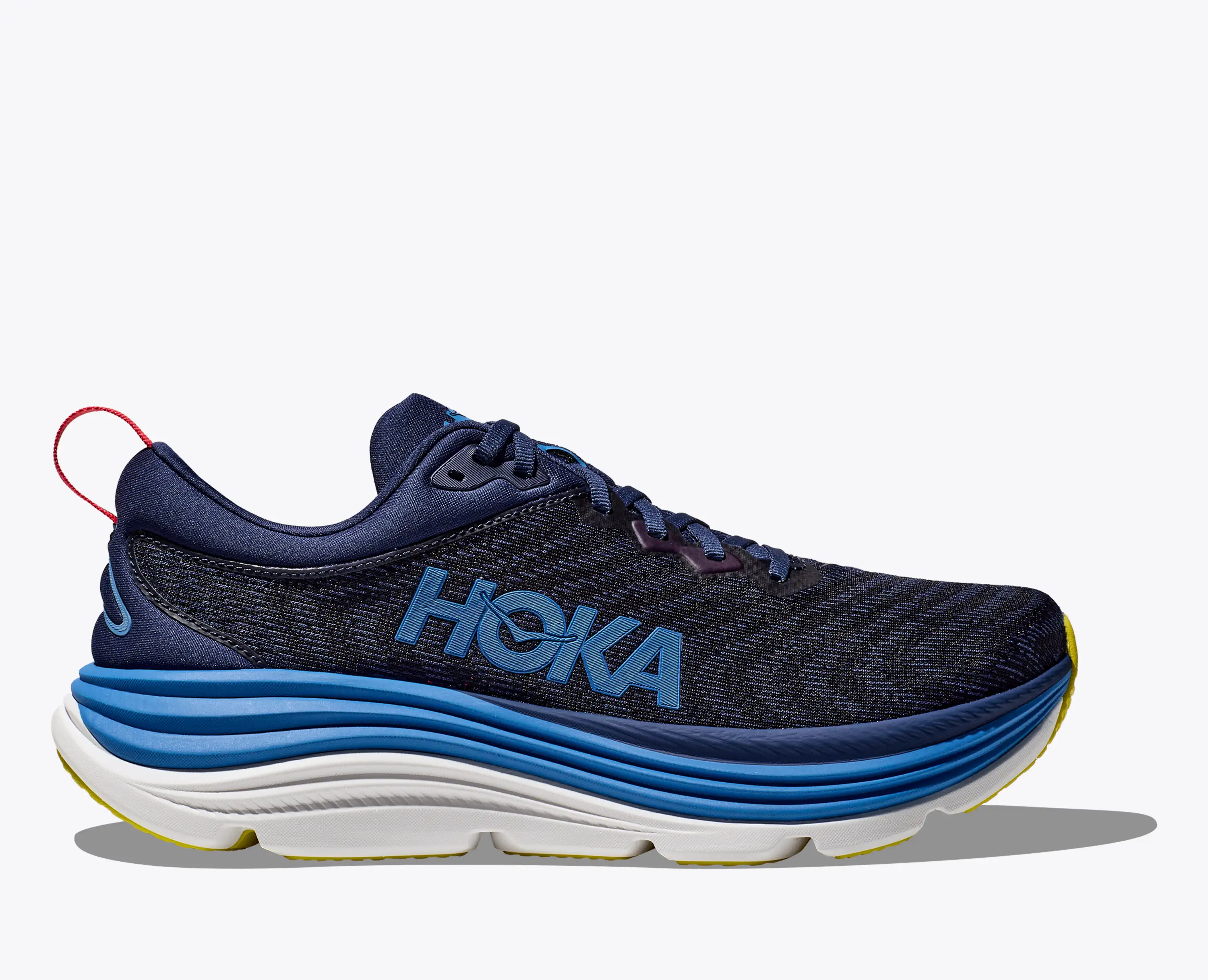
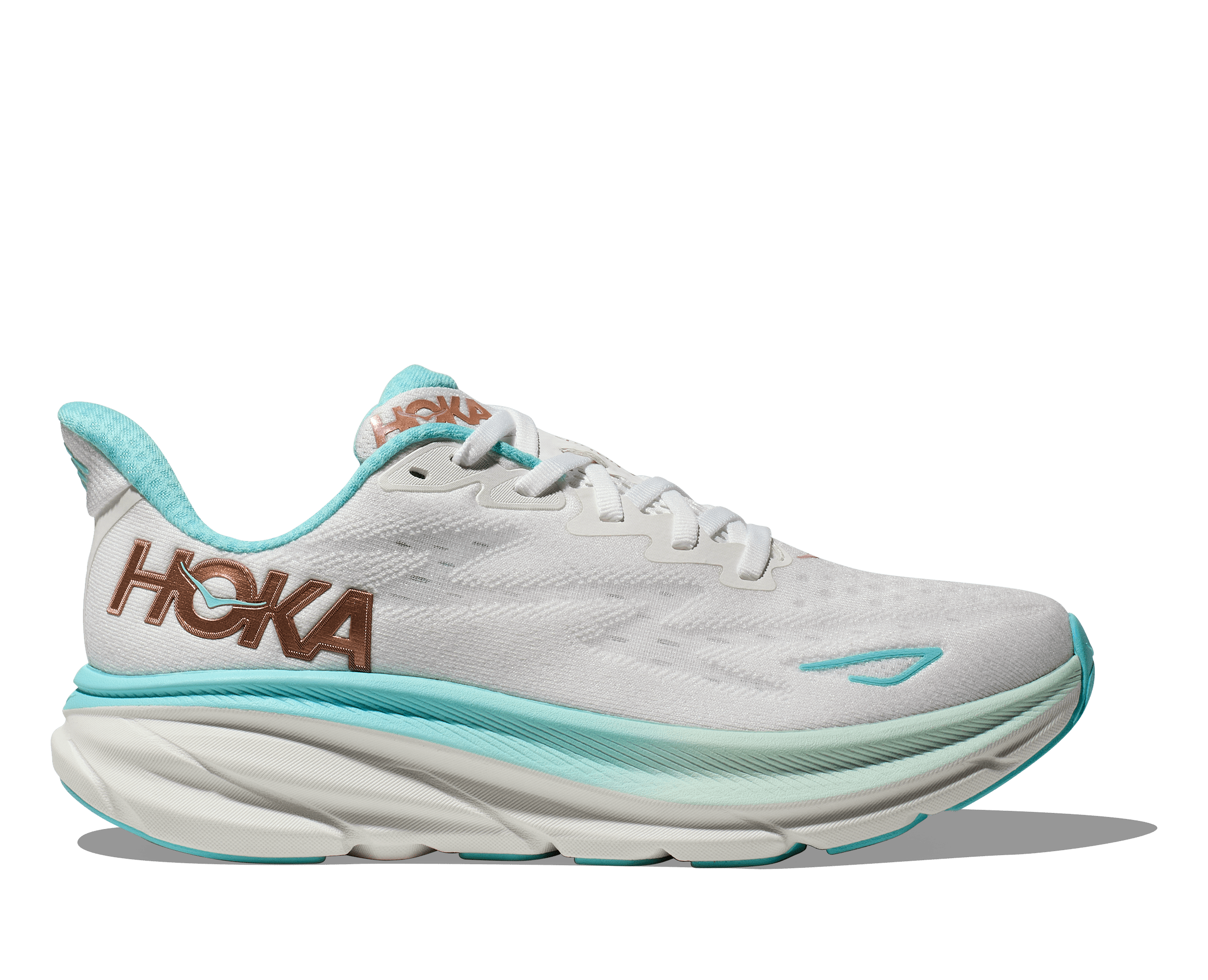
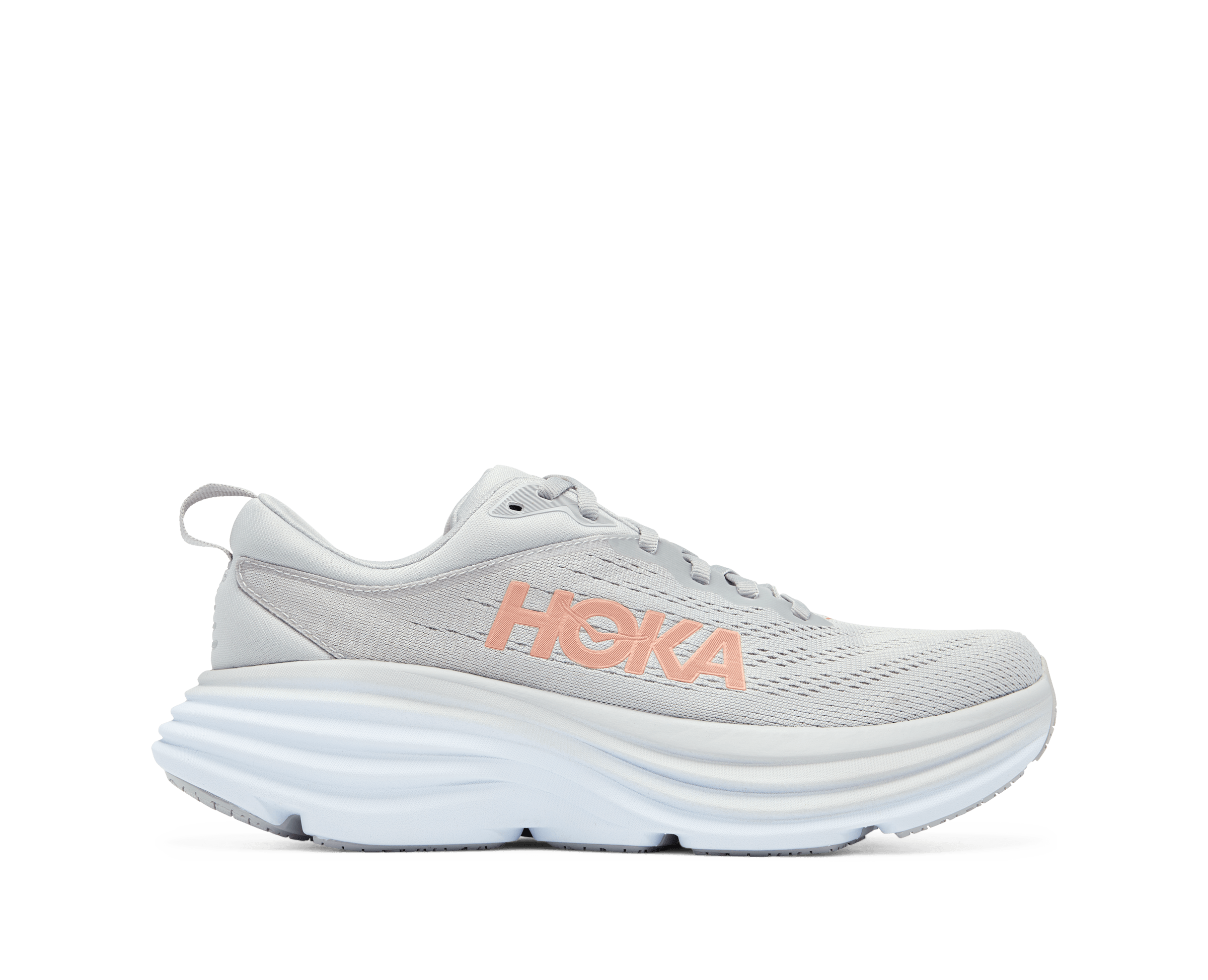
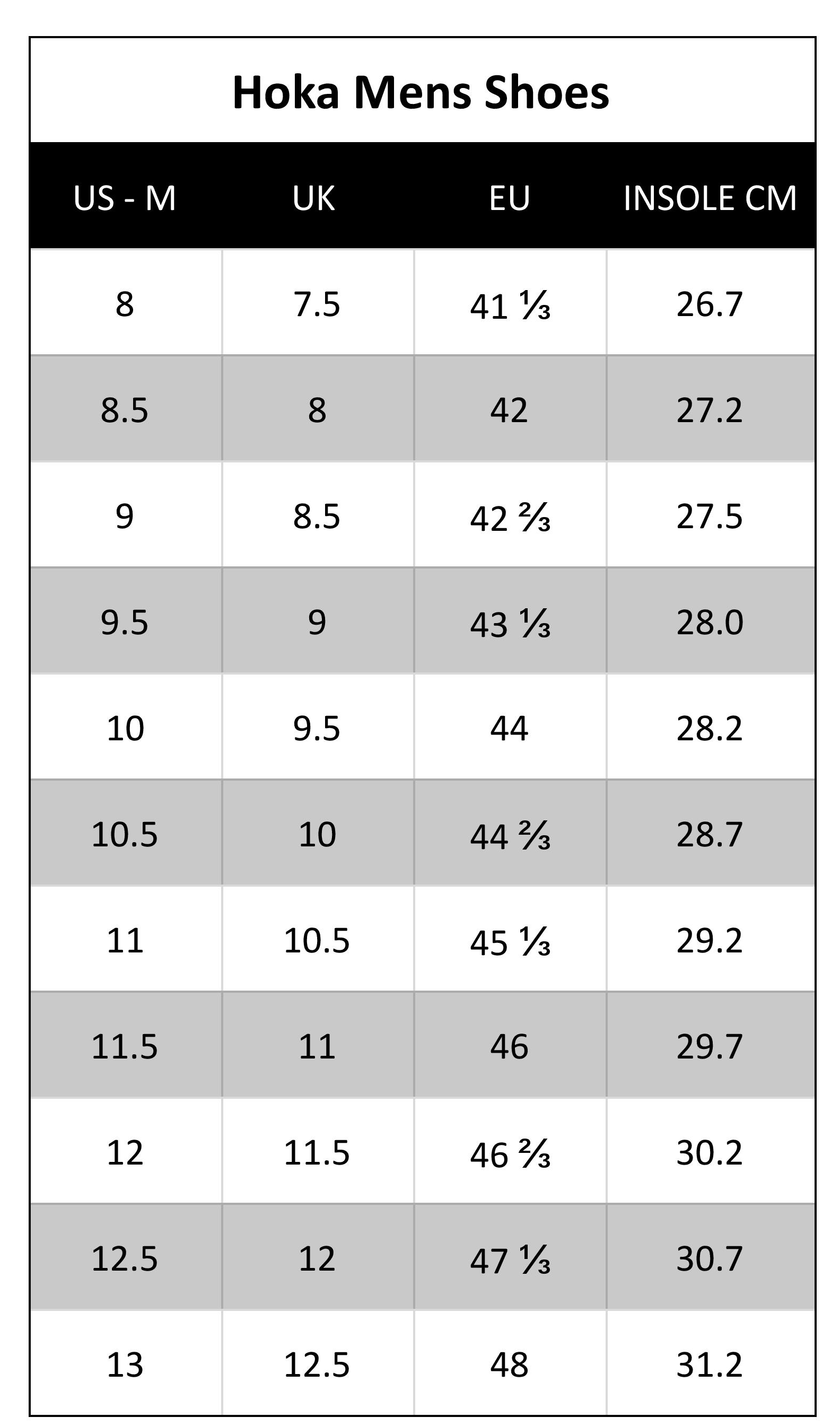
Many folks assume that a Hoka size chart is a one-size-fits-all guide, but it's actually a bit more nuanced than that. While it provides a handy reference, these charts can vary depending on the brand and the type of shoe.
So, when you're looking at a Hoka sizing guide, remember it's not just about the numbers; it's about finding the perfect fit for your unique feet. Whether you're a runner seeking the right Hoka running shoe sizes or just need a quick shoe size conversion, these charts are your friends!
Understanding the Hoka Size Chart
The Hoka size chart is your guide to finding the perfect fit for your feet. It's a simple yet effective tool that helps you navigate the world of Hoka footwear sizes. This chart ensures you get the right size, whether you're a runner seeking comfort or just looking for a stylish pair of shoes.
Key Details and Categories
The Hoka size chart typically includes standard foot measurements, with length and width being the primary dimensions. Length is measured in either US sizes or metric (international) sizes, depending on the region and standard. Width, on the other hand, often has a few variations, such as narrow, regular, and wide, to accommodate different foot shapes.
How to Read and Apply the Chart
- Start by determining your foot length. This is the foundation of your size selection. Measure your foot, or refer to a previous pair of shoes that fit well.
- Next, consider your foot width. If you have a wider foot, you may need to size up or opt for a wider width option.
- Using the Hoka size chart, match your foot length and width to the corresponding size. The chart will guide you to the appropriate size, considering both dimensions.
- Remember, the chart provides a starting point. It's always a good idea to try on the shoes to ensure a comfortable fit.
Variations and Differences
Hoka size charts may vary slightly depending on the shoe model and intended use. For instance, running shoes might have a different fit compared to casual footwear. Additionally, Hoka might offer specific width options for certain models, catering to a broader range of foot shapes. Always check the Hoka sizing guide for the particular model you're interested in.
Common Mistakes and How to Avoid Them
One common mistake is assuming all shoe brands use the same size standards. Hoka sizes might differ from other brands, so relying solely on your usual size can lead to an incorrect fit. Always refer to the Hoka one one size guide for accuracy. Another pitfall is neglecting to measure your foot width. While length is crucial, width variations can make a significant difference in comfort. Ensure you consider both dimensions when using the Hoka size chart.
Well, that's the lowdown on Hoka size charts! You now have the tools to navigate these charts with ease and find your perfect fit. Remember, while these charts are a great guide, exact values can differ, so always check your specific requirements.
It's worth bookmarking this page for future reference; you never know when you might need to size up (or down!) for your next adventure. Happy measuring, and here's to comfortable feet!
Related: How to Read and Use My Virtua Chart: A Guide
Many people approach my virtua chart with a misconception that it's a complex and intimidating tool, but it's quite the opposite. "My virtua chart" is a straightforward and incredibly useful resource, designed to provide an instant snapshot of information. It offers a simple and visual way to understand and compare data, making it an efficient reference for anyone seeking quick insights. This chart, or virtual reference table, is an accessible guide, and its versatility is often an unexpected benefit.
An Overview of My Virtua Chart
My Virtua Chart is a versatile and practical tool, offering a visual representation of various measurements and conversions. It serves as a quick reference guide for everyday use, providing an easy way to navigate and understand different units and their relationships. This chart is an invaluable resource for anyone seeking accurate and efficient conversions.
Comparing Standards and Formats
The beauty of My Virtua Chart lies in its ability to accommodate multiple standards. Whether you're working with the imperial system or metric units, the chart adapts to your needs. It presents conversions for length, weight, volume, and temperature, ensuring you can easily switch between different measurement systems. The chart's flexibility makes it an essential tool for international use, where multiple standards often coexist.
Step-by-Step Guide to Using My Virtua Chart
Using My Virtua Chart is straightforward. First, identify the unit you want to convert from. Locate this unit on the chart, and follow the row or column to find the equivalent value in the desired unit. For instance, if you're converting inches to centimeters, find the "inches" row and follow it to the "cm" column. The intersection gives you the accurate conversion.
- Start by identifying the unit you wish to convert from.
- Locate this unit on the chart, typically along the left side or top.
- Follow the row or column associated with your unit to the desired unit.
- The intersection provides the accurate conversion value.
- Repeat for any additional conversions needed.
Variations and Common Misreadings
While My Virtua Chart is a reliable tool, it's essential to be aware of potential variations. Different industries or regions may have specific tolerances or standards, so always double-check critical applications. - Common mistakes include misreading decimal places or assuming a single chart covers all variations. - Always refer to the chart's key or legend for any specific notes or exceptions. - Stay vigilant, especially when dealing with precise measurements, to ensure accurate conversions.
Your Virtua Chart is a handy tool, offering a quick and practical solution for your reference needs. With its clear structure, you can easily navigate and find the information you require.
Remember, while this guide provides a solid framework, it's essential to consider your unique circumstances. Exact values and details may vary, so a quick check of your specific context will ensure you're on the right track. It's always a good idea to have this page bookmarked for future reference; a simple and efficient way to keep your projects organized and on course.