

Teeth Names Chart Sheet Overview
Many folks assume that a youth sizes chart is just for clothes, but it's so much more! While it's true that these charts are essential for nailing the perfect fit in kids' clothing, they also cover a wide range of products, from shoes to sports gear. A quick glance at a youth sizes chart can save you time and ensure an accurate fit, whether you're shopping for your own kids or buying a gift.
Understanding the Youth Sizes Chart
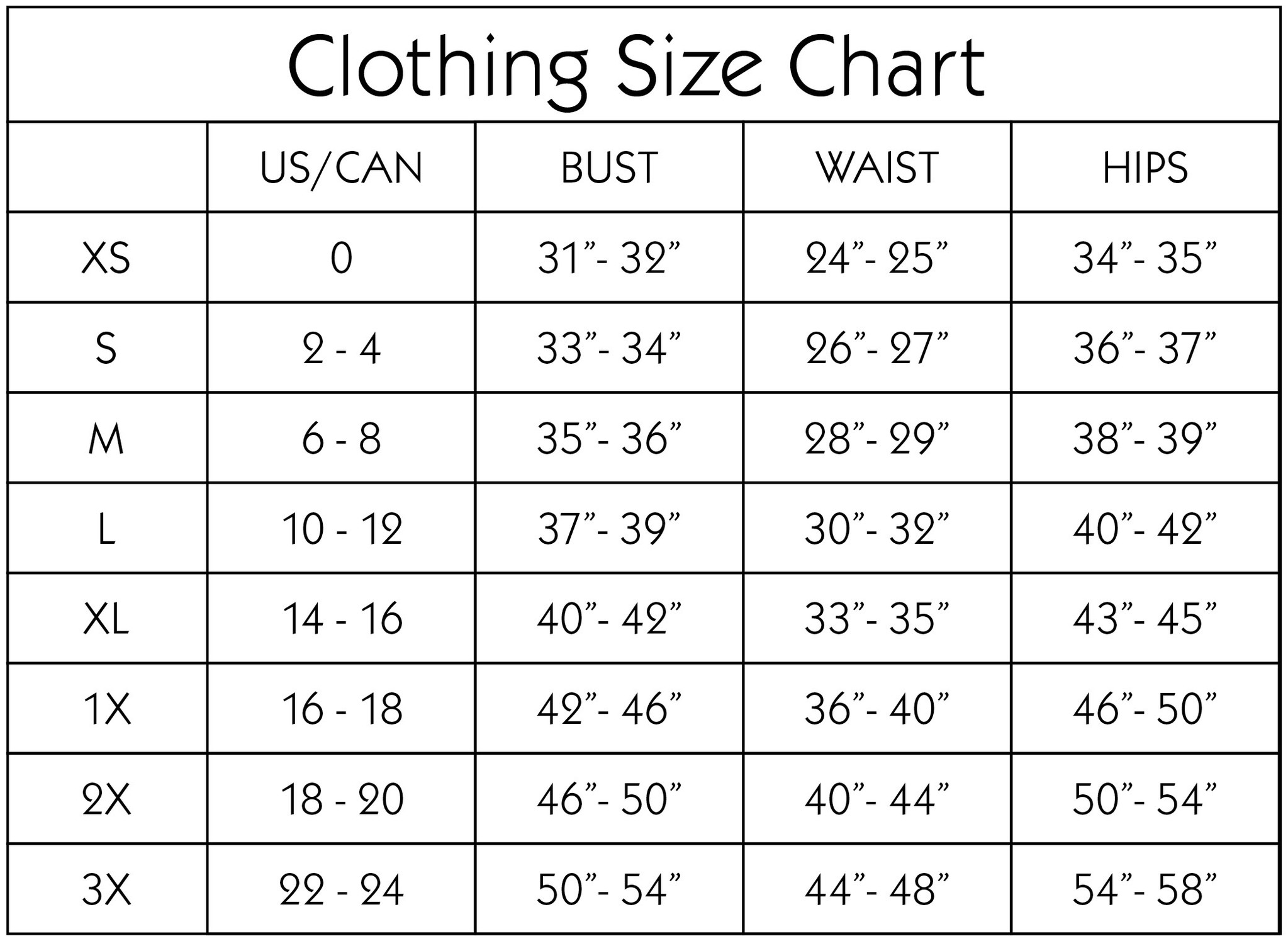
The youth sizes chart is a handy reference tool for parents and caregivers to navigate the world of kids' clothing and footwear sizing. It provides a standardized guide to help you choose the right size for your child, ensuring a comfortable and well-fitted outfit. This chart is a valuable resource, especially when shopping online or for specific brands, as it can vary from the standard.
Comparing Standards and Formats
There are a few key standards and formats to be aware of when using a youth sizes chart. The most common are the US standard, which is widely used in North America, and the metric or international standard, which is more prevalent in Europe and many other parts of the world. These standards may have slight variations in measurements and categories, so it's essential to know which one you're dealing with. Additionally, some brands might have their own unique sizing systems, especially for specialized sportswear or fashion lines.
Step-by-Step Guide to Using the Chart
Here's a simple process to follow when using a youth sizes chart:
Identify the standard: Determine whether you're using the US or metric standard. This information is usually indicated on the chart or provided by the retailer.
Measure your child: Take accurate measurements of your child's body, including height, weight, and key dimensions like chest, waist, and hip circumference. You can use a measuring tape or refer to existing measurements if you have them.
Locate the relevant category: Using the measurements, find the corresponding size category on the chart. This will typically involve matching height and weight ranges or specific body measurements.
Check the brand's fit: Some brands may have a slightly different fit or style, so it's a good idea to check their size guide or reviews to ensure the chosen size will fit as expected.
Consider growth: If you're buying for a growing child, you might want to opt for a slightly larger size to allow for growth spurts. Just ensure it's not too loose, as this can affect comfort and safety, especially with footwear.
Common Misreadings and How to Avoid Them
One of the most common mistakes is assuming that all brands and retailers use the same sizing standards. Always double-check the specific brand's guidelines or consult the youth sizes chart for that particular brand if available. Another pitfall is relying solely on age-based sizing, as children's growth rates vary, and this method may not always provide an accurate fit. It's best to measure your child and refer to the chart for a more precise size recommendation.
Factors Affecting Accuracy
When using a youth sizes chart, keep in mind these key factors that can influence the accuracy of the size selection:
Growth spurts: Children's bodies can change rapidly, so regular measurements are essential to ensure the chosen size is still appropriate.
Brand variations: As mentioned, different brands may have unique sizing systems, so always check their guidelines.
International travel: If you're shopping while traveling abroad, be aware of the different standards and ensure you're using the correct chart or guidelines.
Activity-specific sizing: For sports or specialized clothing, the fit and sizing may differ, so consider the purpose of the garment.
Adapting the Chart for Specific Needs
While the youth sizes chart provides a general guide, you might need to adapt it for specific situations. For example, if your child has a unique body shape or is particularly tall or short for their age, you may need to adjust the size selection accordingly. Some charts offer extended size ranges or special categories for these cases. It's also worth noting that certain clothing items, like coats or jackets, may have a more relaxed fit, so you might opt for a larger size to allow for layering.
Keeping Your Reference Reliable
To ensure you have a reliable reference for future purchases, consider the following:
Update measurements: Regularly measure your child's body dimensions, especially during growth spurts or seasonal changes.
Save the chart: Keep a digital or physical copy of the youth sizes chart you're using, along with any brand-specific size guides.
Share with caregivers: If others, like grandparents or babysitters, are shopping for your child, ensure they have access to the correct sizing information.
Check for updates: Sizing standards and brand guidelines can change over time, so periodically review the charts and guides to stay up-to-date.
So, there you have it! You're now equipped with a comprehensive understanding of youth sizes and how to navigate the various charts and standards. Remember, it's always a good idea to cross-reference and ensure you're using the right measurements for your specific needs.
Feel free to explore our other guides for more practical tips and tricks. We've got you covered with a range of handy resources to make your life easier!
Related: A Beginner's Guide to Arrow Spine Chart
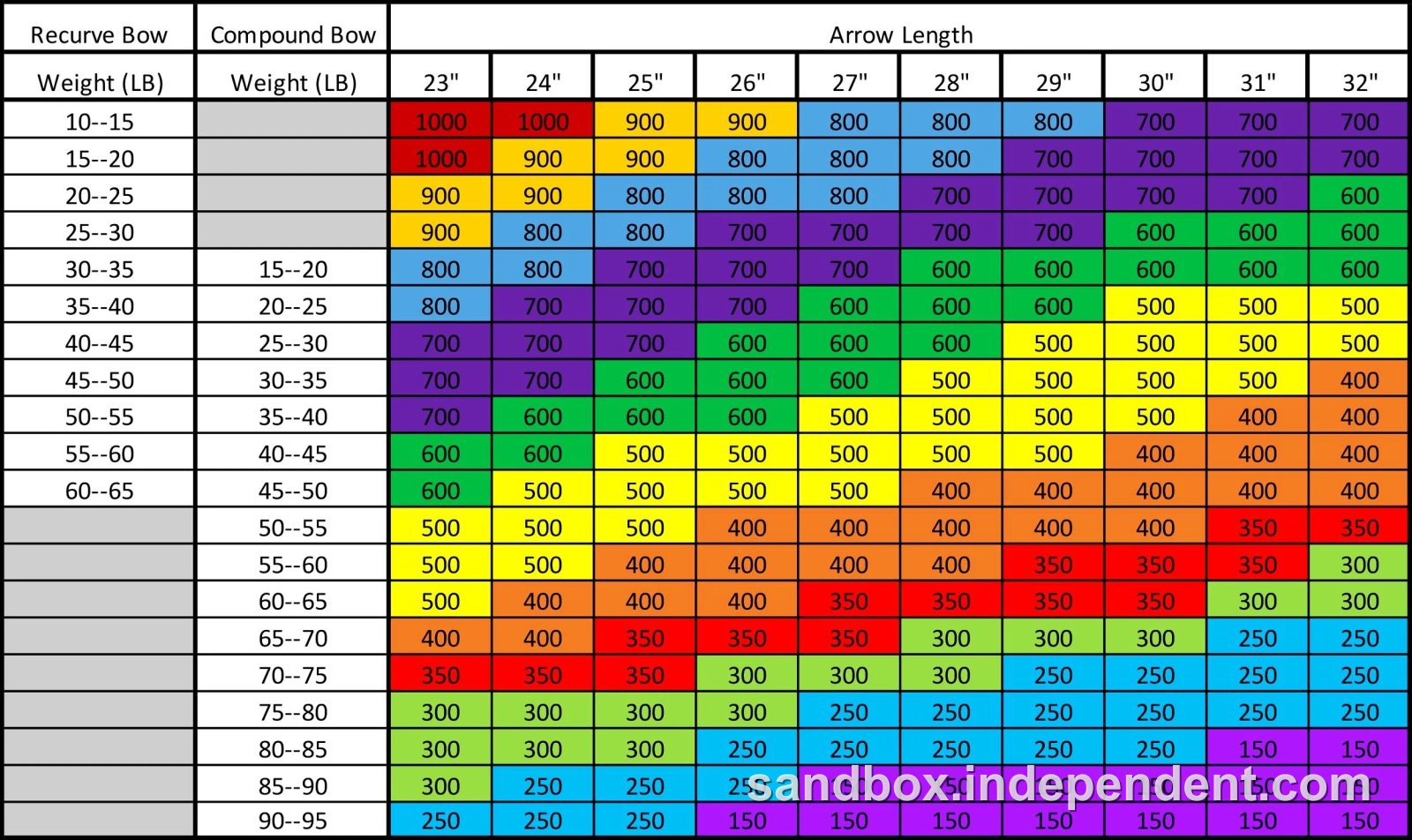
An arrow spine chart is a handy tool for archers, offering a simple way to choose the right arrow. This guide will walk you through the chart's basics, helping you understand its key features and how to use it effectively.
The chart provides a quick reference, showing arrow stiffness or spine weight, which is crucial for accurate shooting. It considers factors like arrow length and your draw weight, ensuring you pick the perfect arrow for your needs. Whether you're into hunting or target practice, the chart's versatility covers various archery styles and preferences.
What is an Arrow Spine Chart?
An arrow spine chart is a valuable tool for archers and bow hunters. It provides a visual representation of the stiffness or flexibility of an arrow, which is a critical factor in arrow selection. This chart helps you choose the right arrow spine for your bow and intended use, ensuring optimal performance and accuracy.
Understanding the Key Details
The arrow spine chart typically displays two main categories: arrow length and spine weight. Arrow length is measured in inches or centimeters, depending on the standard used. Spine weight, also known as arrow stiffness, is represented by a numerical value that indicates the amount of deflection an arrow undergoes when a force is applied. This value is usually measured in pounds or grams, again depending on the standard. The chart provides a reference for selecting the appropriate spine weight based on arrow length, bow draw weight, and intended use.
How to Read and Apply the Chart
To use the arrow spine chart effectively, follow these steps:
Determine your arrow length. Measure the length of the arrow you intend to use, ensuring it matches the standard used on the chart.
Find the corresponding spine weight range for your arrow length. The chart will provide a recommended range of spine weights suitable for that length.
Consider your bow's draw weight. The draw weight of your bow is a crucial factor. Higher draw weights generally require stiffer arrows with higher spine weights, while lower draw weights may call for more flexible arrows with lower spine weights.
Select the right spine weight. Choose a spine weight that falls within the recommended range for your arrow length and is suitable for your bow's draw weight. This ensures the arrow will have the right amount of flexibility and stiffness for optimal performance.
Test and adjust if needed. After selecting an arrow with the recommended spine weight, test it with your bow. If you notice excessive deflection or poor arrow flight, you may need to adjust the spine weight. Consult the chart again and try a slightly different spine weight until you achieve the desired performance.
Variations and Differences
It's important to note that arrow spine charts can vary depending on the standard used. Different regions and manufacturers may have their own charts with slightly different values and categories. Additionally, the intended use of the arrow, whether for hunting or target shooting, can also influence the recommended spine weights. Hunting arrows often require stiffer spines for better penetration, while target arrows may prioritize accuracy and stability.
Common Mistakes and How to Avoid Them
One common mistake is using an arrow with an incorrect spine weight. This can lead to poor arrow flight, accuracy issues, and even damage to your bow. To avoid this, always refer to the arrow spine chart and select the appropriate spine weight for your specific needs. Another mistake is ignoring the impact of draw weight. Remember that your bow's draw weight is a critical factor in spine selection. Failing to consider this can result in an arrow that is too flexible or too stiff, affecting your shooting experience and accuracy.
Practical Tips for Accurate Results
When using an arrow spine chart, consider these best practices:
- Always double-check the standard and units used on the chart to ensure accuracy.
- Take into account your shooting style and personal preferences. Some archers prefer a slightly stiffer or more flexible arrow, so adjust the spine weight accordingly.
- If you're an experienced archer, you may have a preferred spine weight range based on past experiences. Use the chart as a guide but trust your instincts as well.
- Consult with experienced archers or professionals if you're unsure about spine selection. They can provide valuable insights and help you make an informed decision.
- Regularly inspect your arrows for damage or wear. Over time, arrows can lose their stiffness, so it's essential to replace them when necessary.
By following these tips and understanding the arrow spine chart, you'll be well-equipped to select the right arrow spine for your archery needs, ensuring accurate and enjoyable shooting experiences.
Well, there you have it! Understanding arrow spine charts is a great foundation for any archer's toolkit. Remember, these charts are a handy guide, but always double-check the specific details for your bow and arrows.
The key is to ensure you're using the right values and units for your setup. It's a simple yet powerful tool, and with a bit of practice, you'll be able to use it like a pro. So, keep this page bookmarked, and you'll always have a quick reference guide when you need it. Happy shooting!
Related: Find Your Perfect Fit: Jeans Size Chart Guide
Many people struggle with the idea of a jeans size chart, assuming it's a complex and confusing tool. But it's actually a simple and handy reference, a quick guide to finding your perfect fit!
The chart offers a visual or tabular overview, providing waist and hip size measurements, along with other key details like inseam length and leg opening. While values may vary slightly between brands and regions, the jeans size chart is a reliable starting point for an accurate fit.
Understanding the Jeans Size Chart
The jeans size chart is your guide to finding the perfect fit for your denim dreams! It's a handy tool that translates your body measurements into the right jeans size, ensuring you look and feel great. This chart is like a secret code, but don't worry, it's easy to crack!
Key Details and Categories
Let's break down the chart's categories. Typically, a jeans size chart will have two main measurements: waist size and hip size. These are the most critical factors in finding a comfortable and flattering fit. You'll also find other details like inseam length, leg opening, and rise, which add precision to your choice. These measurements are usually in inches or centimeters, depending on the standard used. Always check the chart's units to ensure accuracy.
How to Read and Apply the Chart
Using the jeans size chart is a breeze! Here's a step-by-step guide:
- Measure your waist and hip sizes. Ensure you're measuring at the right points; for the waist, it's the narrowest part of your torso, and for the hips, it's the widest part.
- Find your waist and hip measurements on the chart. The chart will often have a grid or table format, with waist sizes along one axis and hip sizes on the other.
- Look for the intersection of your waist and hip measurements. This will give you your recommended jeans size. For example, if your waist is 28 inches and your hips are 36 inches, the chart might recommend a size 6.
- Consider other details like inseam length. If you prefer a specific leg length, choose a size that accommodates your desired inseam.
- Try it on! While charts are accurate, personal preferences and body shapes vary. So, it's always best to try the jeans and see how they feel and look.
Size Variations and Differences
It's important to note that jeans size charts can vary slightly between brands and manufacturers. This is because each brand might have a unique fit philosophy or use different measurement standards. Additionally, regional differences can impact size charts, with some countries using different sizing systems. Always check the brand's specific size guide or denim size chart to ensure you're using the right measurements. It's a good idea to refer to the brand's size guide when shopping online to avoid any surprises.
Finding the perfect jeans size is an adventure, and with this guide, you're equipped to navigate the jeans size chart like a pro!
Well, there you have it! A handy jeans size chart to keep on hand for all your denim adventures. Remember, these charts are a great starting point, but it's always wise to check the specific brand's size guide for any unique fits or styles.
Jeans shopping can be a fun and practical experience, and with this guide, you're well-equipped to find your perfect fit. So, happy browsing and remember to bookmark this page for future denim missions!