







Template Monthly Planner Overview
I was looking to get some home improvements done, and I kept seeing "general contractor Houston" pop up in my searches. So, I thought I'd share my findings and what I learned about finding the right person for the job.
What's a General Contractor?
A general contractor is a key player in the construction world. They're like the project manager, overseeing the whole show. From start to finish, they coordinate everything: the builders, the materials, the timing, and the budget. It's their job to make sure your project runs smoothly and stays on track.
So, why would you need one? Well, if you're planning a big home renovation or building project, a general contractor can be a real asset. They have the experience and connections to get the job done efficiently and to a high standard. They'll handle the logistics so you don't have to, and they'll make sure everything is up to code and safe.
Finding and Hiring a General Contractor
When it comes to hiring a general contractor Houston, there are a few things to consider. First, check their credentials and experience. Make sure they're licensed and insured, and ask about their past projects. You want someone with a proven track record and the right skills for your job.
Get quotes from a few different contractors. Compare their prices, but also look at what's included. Some might offer better value by including more services or higher-quality materials. Don't just go for the cheapest option; consider the overall package and what's best for your project.
Company Names and the Industry
Naming a construction business is an art. It needs to be memorable, professional, and reflect the company's values. Some great names I've seen are "BuildStrong", "Renovate Right", and "HomeCrafters". These names are catchy and give a clear idea of what the company does.
When choosing a name, make sure it's unique and available. Check local business registries and domain names to avoid any legal issues or confusion. It's also a good idea to keep it simple and easy to remember.
The Construction Industry and Jobs
The construction industry offers a range of roles, from estimators who calculate costs to project managers who oversee the entire process. These jobs can be found through specialist recruitment agencies or by checking job boards. It's a skilled industry, so expect to see requirements for qualifications and experience.
Data and Tools
In the construction world, tools like RSMeans are essential. RSMeans provides cost data and estimates, helping contractors and businesses plan and budget. It's a valuable resource, used by professionals to ensure accurate pricing and stay competitive.
Large vs. Small Firms
The construction industry has a mix of large and small firms. Larger companies often have more resources and can take on bigger projects, but they might not offer the same personal touch. Smaller firms might be more flexible and responsive, but may have limited capacity. It's a balance between scale and service.
Final Thoughts
Finding the right general contractor Houston is about more than just searching online. It's about doing your research, asking the right questions, and finding someone who understands your vision. With the right contractor, your project can be a success, so take the time to find the best fit.
Related: A Quick Guide to Ems Charts Login
Ems charts login is a handy tool for anyone in the medical field, offering a quick glance at essential emergency procedures. This guide will take you through the basics, ensuring you know how to access and interpret these charts effectively.
The charts provide a visual overview of emergency protocols, offering a simple and fast reference for medical responders. While the specific values and formats may vary depending on your region or organization, the ems charts login system ensures a standardized approach, making it a reliable and accessible resource.
Understanding EMS Charts Login
EMS charts login is a valuable tool for emergency medical services personnel, providing a quick reference guide to various emergency procedures and treatment protocols. This chart is designed to offer key information at a glance, aiding rapid decision-making during critical situations.
Key Details and Prerequisites
The EMS charts login typically includes a range of categories and symbols, each representing a specific action or response. These categories may cover areas such as patient assessment, vital signs, medication administration, and emergency equipment usage. The chart often uses standardized symbols and colors to ensure easy interpretation. For instance, a red cross might indicate a critical action, while a green symbol could represent a less urgent step.
Interpreting the Data: A Step-by-Step Guide
- Begin by identifying the primary issue or symptom for which you require guidance. This could be a medical condition, an injury, or an environmental factor affecting the patient.
- Locate the relevant section on the chart. EMS charts login are often organized by body systems or common emergency scenarios.
- Follow the flow of the chart, reading the instructions and taking note of any specific actions or medications required. Pay attention to any special symbols or notes that provide additional context.
- Ensure you understand the recommended course of action before proceeding. If in doubt, consult a more detailed reference or seek guidance from a senior medical professional.
- Act upon the instructions, ensuring you follow any specific timing or dosage requirements.
Variations and Differences
It's important to note that EMS charts login may vary depending on the specific standard or protocol being followed. Different regions and organizations may have slightly different approaches to emergency response, so it's crucial to be aware of any local variations. Additionally, the chart's design and content might evolve over time as medical knowledge and practices advance. Always refer to the most up-to-date version of the chart for accurate and reliable information. While EMS charts login provides a comprehensive overview, it is not a substitute for thorough training and medical expertise. It serves as a valuable tool to support decision-making, but individual judgment and clinical skills are essential in emergency situations.
So, there you have it! A simple and practical guide to navigating EMS charts. Remember, these charts are a handy tool, but it's always wise to double-check the specific details and standards relevant to your situation.
Consider bookmarking this page for future reference; it might just save you some time and effort the next time you need a quick refresh on EMS charts. Happy charting!
Related: What is a bolt sizes chart and how to use it?
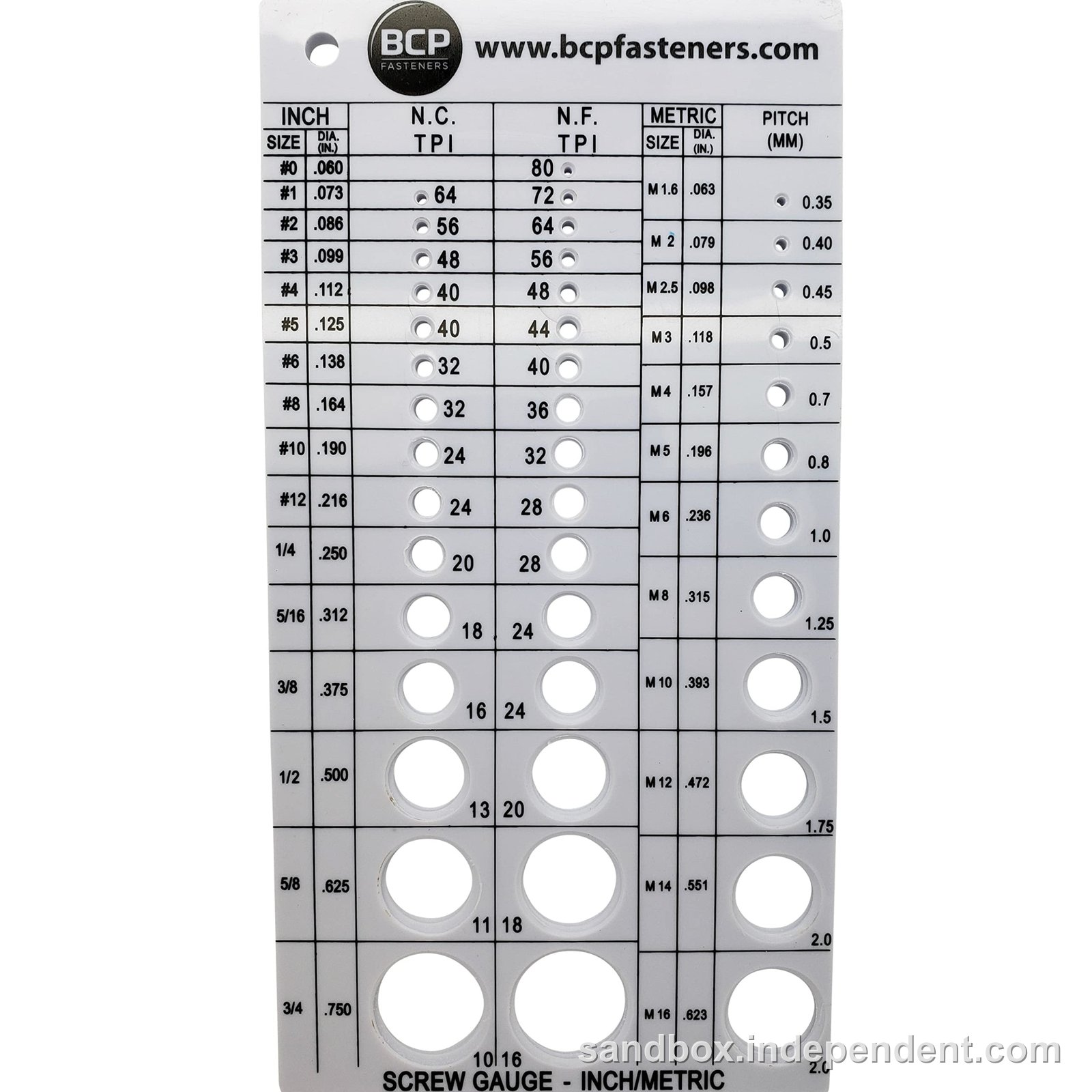
A bolt sizes chart is a handy tool for anyone seeking precise information about bolt dimensions. This guide aims to provide a clear overview, offering a quick reference for those who need to interpret and utilize such charts effectively.
The chart presents a visual representation of bolt sizes, typically including details like length, diameter, and thread pitch. While the values may vary depending on the standard or region, this guide will help you navigate and understand the key measurements, ensuring you can make accurate comparisons and selections.
Understanding the Bolt Sizes Chart
The bolt sizes chart is a comprehensive guide that provides a standardized overview of various bolt dimensions. It offers a quick reference for engineers, builders, and DIY enthusiasts to select the right bolt for their projects. This chart simplifies the process of identifying and specifying bolts, ensuring accurate and compatible fastening solutions.
Key Details and Units
The chart typically includes columns for bolt diameter, length, thread pitch, and sometimes head style. Diameter is measured across the threads, while length refers to the overall length of the bolt, excluding the head. Thread pitch represents the distance between threads and is crucial for compatibility with nuts and threaded holes. The units used in the chart depend on the standard followed, such as inches or millimeters.
Reading Bolt Specs: A Step-by-Step Guide
To use the bolt sizes chart, follow these steps:
- Identify the required bolt diameter. This is often determined by the size of the hole or the object being fastened.
- Determine the necessary bolt length. Consider the thickness of the materials being joined and any additional space needed for the nut.
- Select the appropriate thread pitch. This ensures compatibility with existing threads or the intended application.
- Cross-reference the chosen diameter, length, and thread pitch on the chart to find the corresponding bolt size.
- Verify the head style if needed. Some charts include this information, offering a complete specification.
Variations and Differences
While the bolt sizes chart provides a standardized reference, variations exist due to different standards and contexts. For instance, metric and imperial systems have distinct units and measurements. Additionally, specific industries or applications may require non-standard bolt sizes or unique head styles. It's essential to consult the relevant standard or specification for your project to ensure accuracy.
Common Mistakes and How to Avoid Them
- Failing to consider the thread pitch can lead to incompatible connections. Always check the thread pitch, especially when working with existing threads.
- Neglecting to account for head style may result in poor fit or functionality. Some bolts have unique head designs for specific purposes.
- Relying solely on the chart without considering the project's specific requirements can lead to oversights. Always double-check the exact specifications and tolerances for your application.
- Not verifying the standard being followed can cause confusion. Ensure you are using the correct chart for your region or industry.
Remember, while the bolt sizes chart is a valuable tool, it is essential to cross-reference and verify the information with the relevant standards and specifications for your project.
While the information provided in this guide offers a solid foundation, it's important to remember that bolt sizes and standards can vary slightly between different industries and applications. Exact values may differ based on the specific context and source you're working with.
Feel free to explore our other guides for more detailed insights and practical tips. We've got a range of resources to help you navigate various aspects of construction and engineering, so take a look and find what works best for your projects!