



Thank You Coloring Page Overview
A window size chart is a handy tool for anyone looking to understand window measurements quickly and easily. This guide will take you through the basics, covering what you need to know to read and use these charts effectively.
It's a simple reference, but one that can vary depending on your location and the type of window you're dealing with. Whether you're after standard window dimensions or more specific measurements, a good chart will provide a clear overview, helping you choose the right size for your needs.
Understanding Window Size Charts
A window size chart is a valuable tool for anyone planning a construction or renovation project. It provides a quick reference guide to standard window dimensions, helping you choose the right size and type for your space. These charts are a handy way to visualize and compare options, ensuring your windows fit the intended space and serve their purpose.
Key Details and Categories
Before diving into a window size chart, it's essential to understand the basic units and categories. Most charts use inches for width and height, with standard sizes ranging from 18" x 18" to 36" x 72". These dimensions cover a wide range of common window types, including single-hung, double-hung, casement, and fixed windows. The charts often include a breakdown of these categories, making it easy to identify the right type for your needs.
Reading the Chart: A Step-by-Step Guide
- Identify the window type you require. This could be a double-hung window for ease of use or a casement window for ventilation.
- Locate the relevant section on the chart. Each type will have its own set of standard sizes.
- Choose the size that best fits your space. Consider the width and height of the opening and ensure the window provides adequate coverage.
- Note the dimensions and any additional details, such as the number of panes or the window's energy efficiency rating.
- Cross-reference with other charts or guidelines to ensure accuracy, especially if you're working with non-standard sizes or unique architectural features.
Variations and Differences
Window size charts can vary depending on the standard being used. While most follow a similar format, there may be slight differences in dimensions or the inclusion of specific window types. For instance, some charts might cater to a wider range of window styles, including awning or bay windows. It's crucial to refer to the right chart for your region or project requirements. Additionally, manufacturers may have their own charts with slight variations to accommodate their product range.
Common Mistakes and How to Avoid Them
One of the most common mistakes is assuming that all windows are created equal. Different window types have unique purposes and may not fit the same space. Always refer to the correct chart for the window style you need. Another pitfall is neglecting to consider the frame size. The window size chart typically refers to the glass dimensions, so ensure you account for the frame when measuring your space. Finally, don't forget to check for any local building regulations or guidelines that might impact your window choices.
Well, there you have it! A window size chart is a handy tool to keep in your back pocket. It's a simple reference guide, but one that can save you time and ensure accuracy when planning your next project.
Remember, while this chart provides a great starting point, it's always wise to double-check the specific requirements for your unique situation. Exact values can vary, so it's best to be prepared and avoid any potential pitfalls. So, bookmark this page, and you'll have a quick and easy solution whenever you need it.
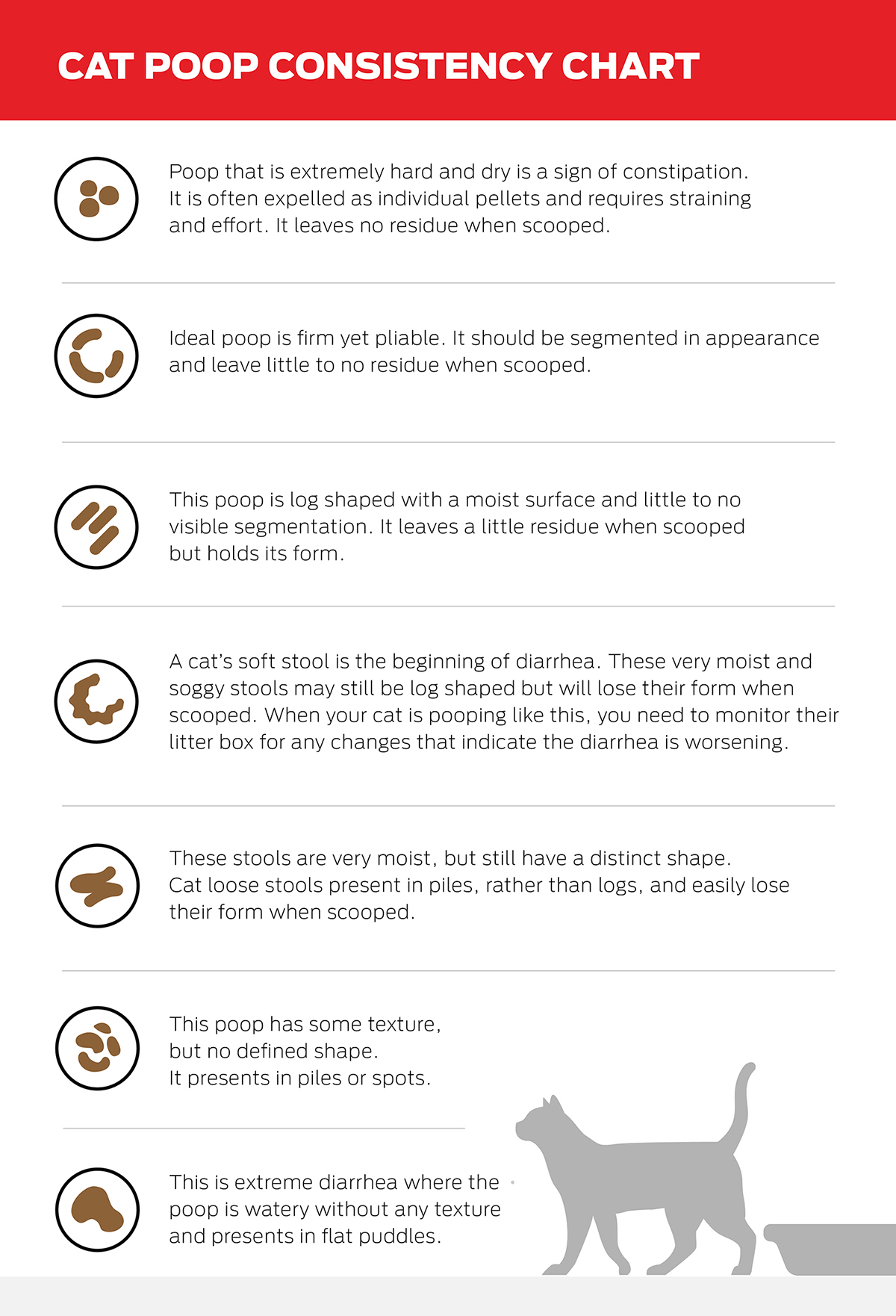
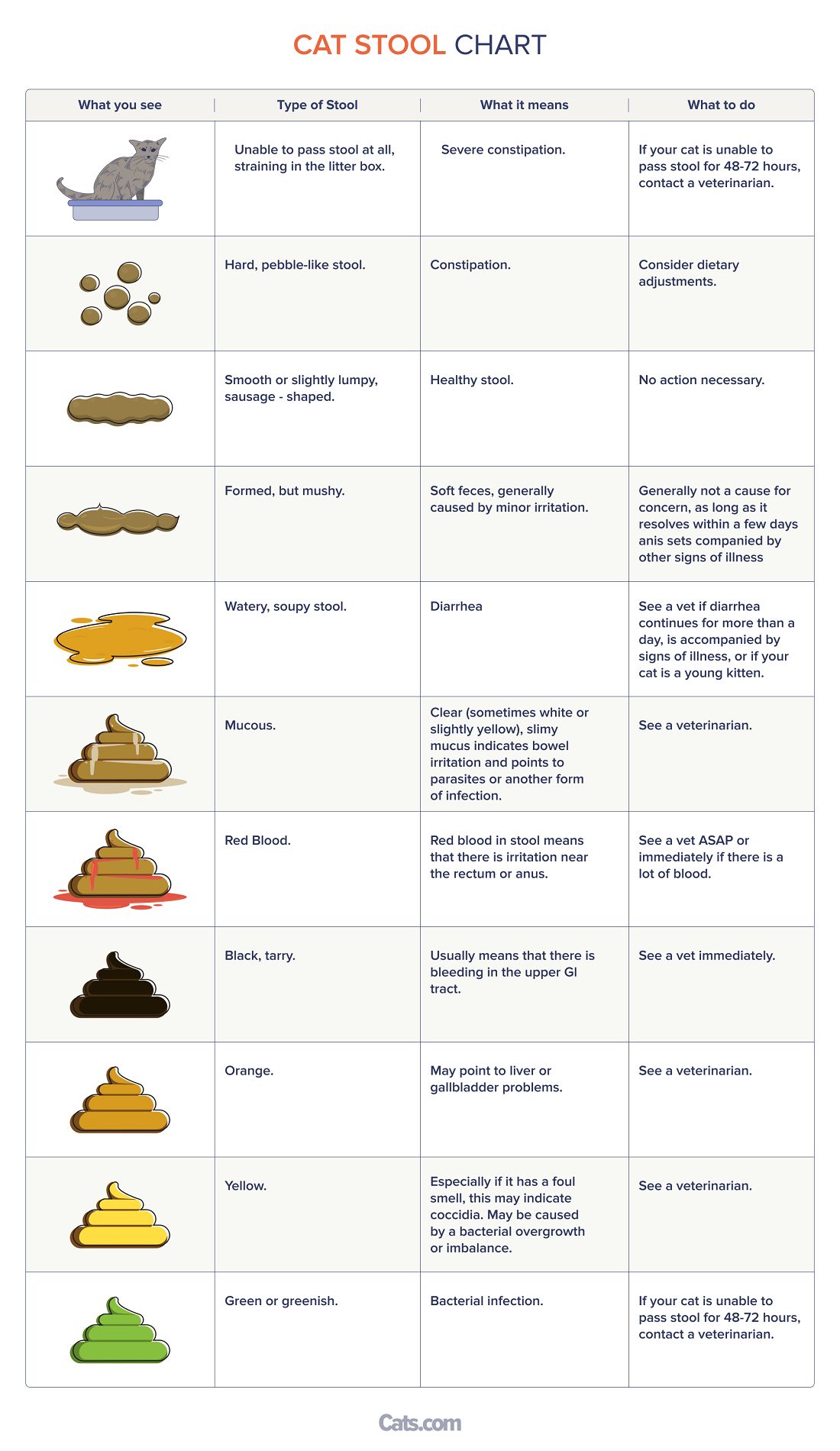
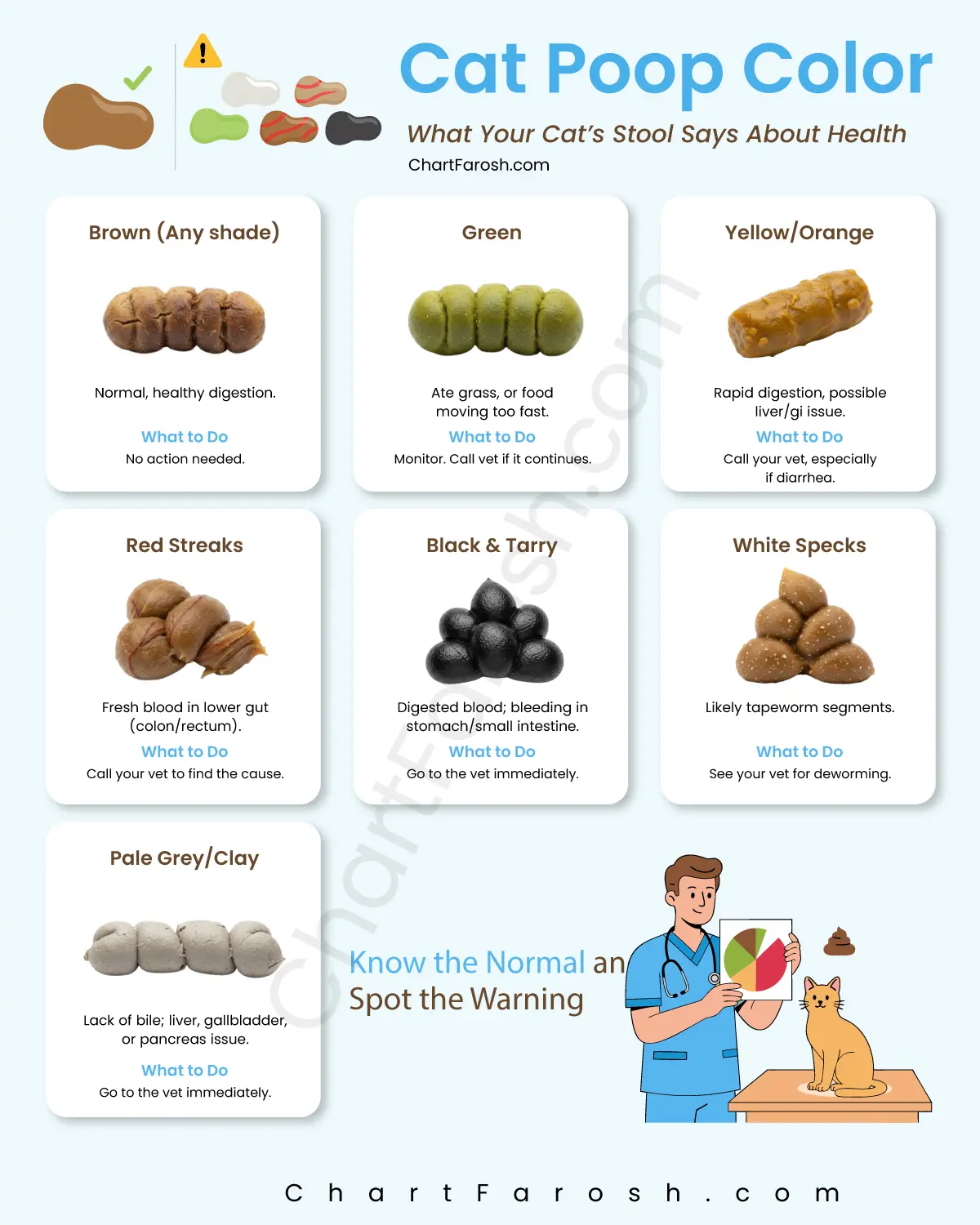
Related: Cat Poop Chart: Your Quick Reference Guide
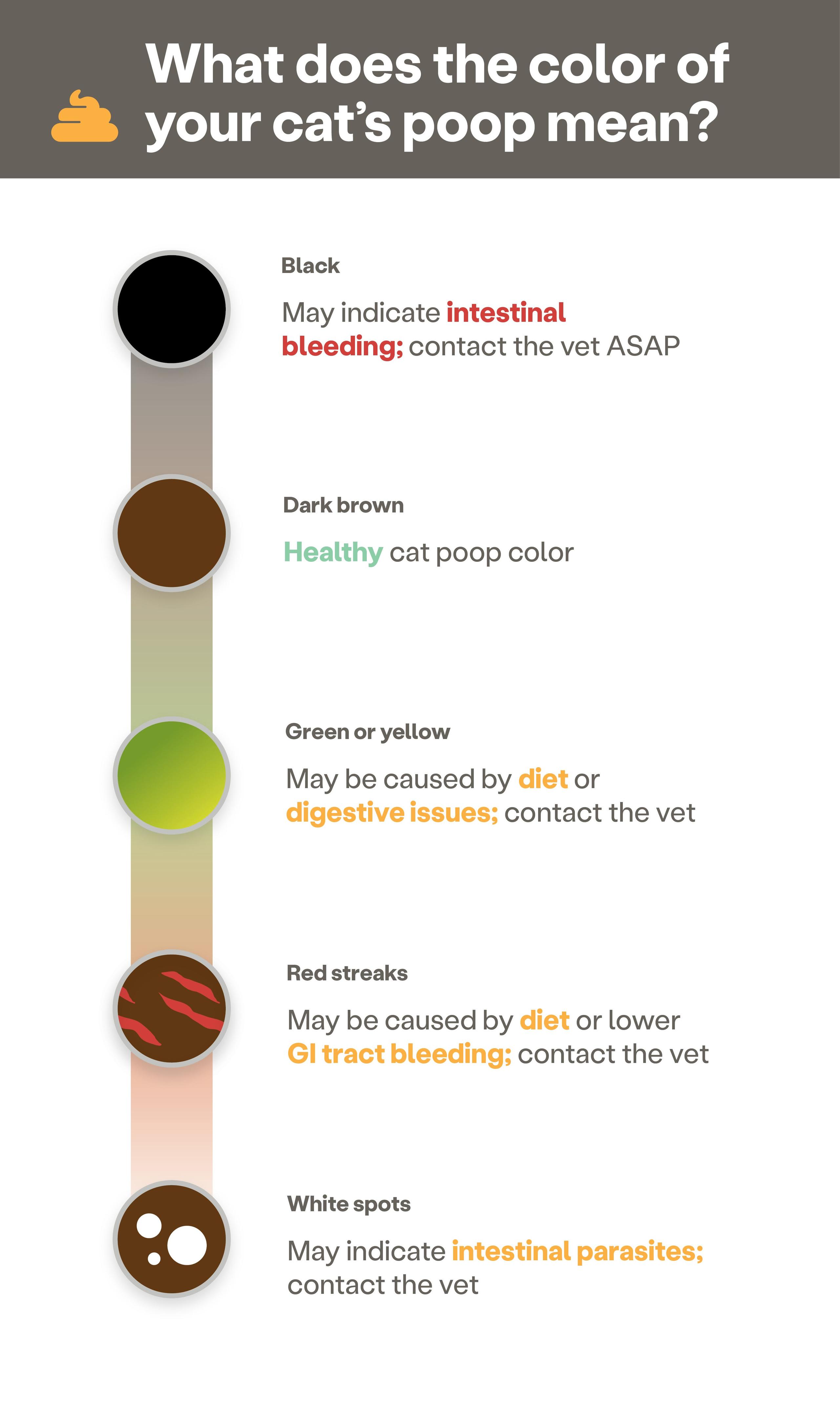
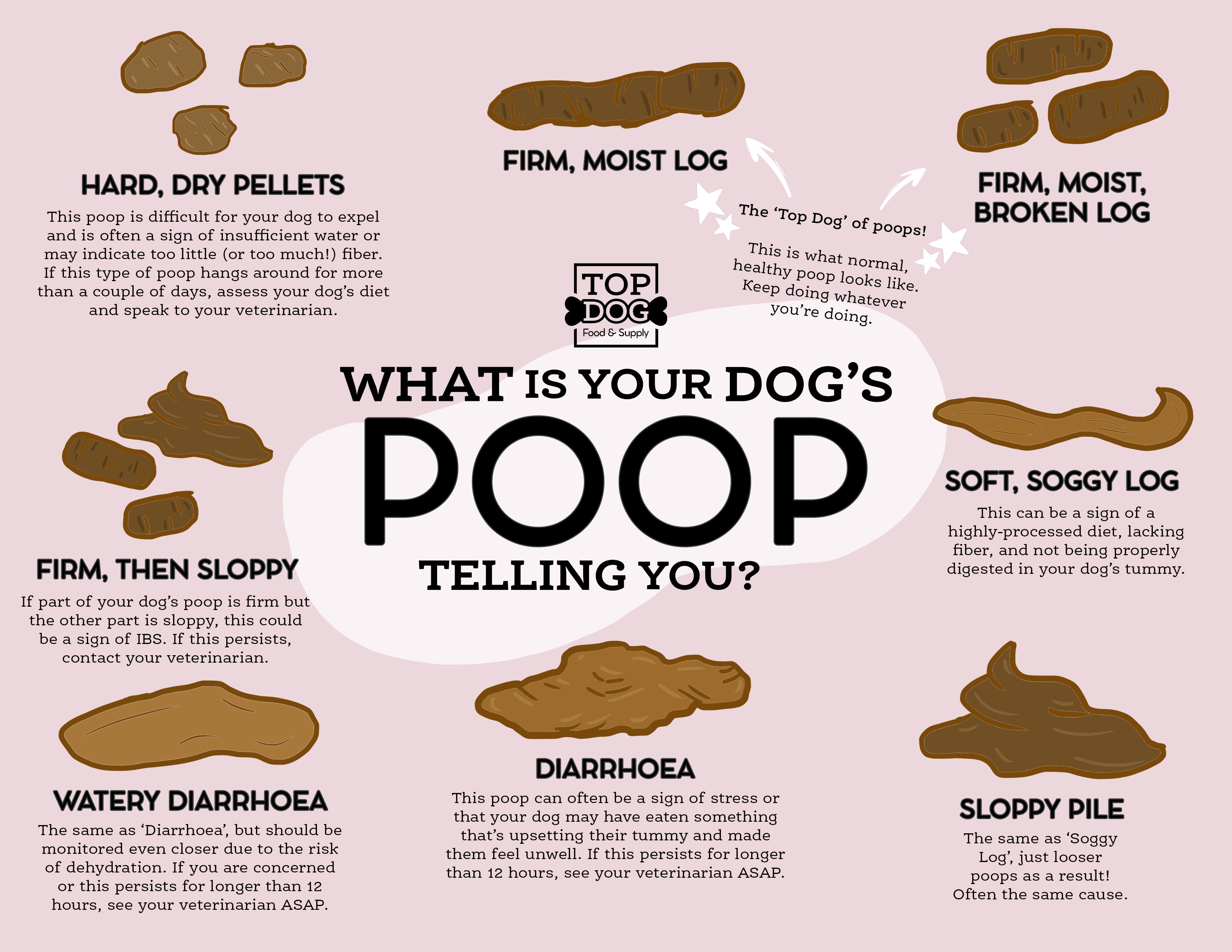
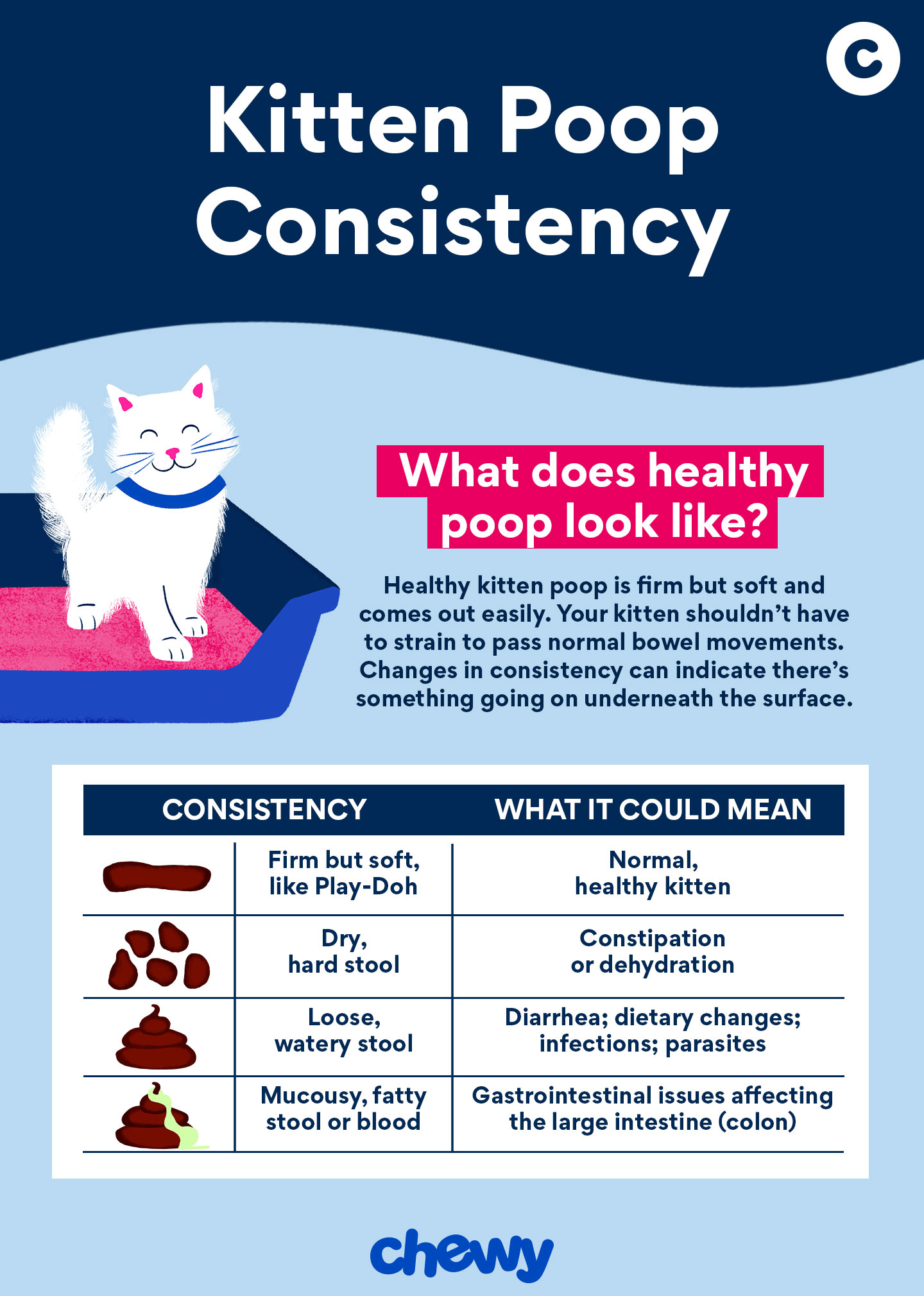
You're likely here because you've heard of the cat poop chart and are curious about what it entails. Perhaps you're a pet owner seeking a quick reference guide to understand your cat's health or maybe you're a veterinary professional looking for a reliable tool. This chart, also known as the feline stool scoring system, offers a simple yet effective way to monitor a cat's well-being. It provides a visual representation, often with a color-coded guide, to assess the consistency and color of cat feces, which can indicate potential health issues. While the specific values and formats may vary, the cat poop chart serves as a valuable resource for anyone seeking a straightforward method to keep an eye on their cat's health.
Understanding the Cat Poop Chart: A Practical Guide
The cat poop chart, also known as the feline stool scoring system, is a valuable tool for cat owners and veterinary professionals. It provides a visual guide to assess the consistency and overall appearance of cat feces, offering insights into a cat's digestive health. This chart is an essential reference for monitoring and maintaining your feline friend's well-being.
Comparing Chart Formats and Standards
There are several versions of the cat poop chart available, each with its own set of categories and standards. The most common formats include a 7-point scale and a 5-point scale. The 7-point scale provides a more detailed assessment, covering a broader range of stool consistencies, from very firm to liquid diarrhea. The 5-point scale is a simplified version, focusing on the key variations in stool appearance. Both formats are widely used and offer accurate assessments when applied correctly.
Step-by-Step Guide to Using the Chart
Using the cat poop chart is a straightforward process:
- Collect a fresh sample of your cat's feces. Ensure it is intact and not contaminated.
- Refer to the chart and identify the closest match to the sample's consistency and appearance.
- Note the corresponding score or category on the chart.
- Interpret the score: a lower score indicates healthier, well-formed stools, while higher scores may suggest digestive issues.
- Repeat this process regularly to monitor any changes over time.
Avoiding Misinterpretations and Pitfalls
While the cat poop chart is a reliable tool, misinterpretations can occur. Here are some common mistakes to avoid:
- Relying solely on color: The chart considers overall consistency and texture, so focus on these aspects rather than just color.
- Ignoring other symptoms: Changes in stool consistency may indicate an underlying issue. Observe your cat for any other signs of illness or discomfort.
- Overinterpreting: Remember, the chart is a guide. If you have concerns, consult a veterinarian for a professional assessment.
Key Factors Affecting Accuracy
Several factors can influence the accuracy of your assessment using the cat poop chart:
- Diet: Changes in your cat's diet can impact stool consistency. Ensure a consistent, high-quality diet to maintain stable results.
- Hydration: Adequate water intake is crucial. Dehydration can lead to firmer stools, so monitor your cat's water consumption.
- Stress and Environment: Stressful situations or changes in the cat's environment can affect digestion. Consider these factors when interpreting the chart.
- Medication: Certain medications may impact stool consistency. Be aware of any recent changes in your cat's medication.
Adapting the Chart for Specific Needs
The cat poop chart can be tailored to specific situations or individual cats. If your cat has unique dietary needs or medical conditions, you may need to adjust the chart's categories or scores. Consult with your veterinarian to determine the most suitable format and interpretation for your cat's specific health needs.
Maintaining Reliable Reference
To ensure the cat poop chart remains a reliable tool, consider the following:
- Regular Updates: Stay informed about any updates or revisions to the chart's standards. Veterinary organizations may release new versions, so keep your reference materials current.
- Consistent Observation: Observe your cat's stool regularly and note any significant changes. This helps you identify trends and potential issues early on.
- Professional Guidance: If you notice persistent changes or have concerns, seek advice from a veterinarian. They can provide expert interpretation and guidance.
By following these practical tips and understanding the key factors, you can effectively utilize the cat poop chart to monitor your cat's digestive health and ensure their overall well-being.
While the cat poop chart offers a valuable and practical tool, it's important to remember that variations can occur. Exact details may differ slightly based on the context and specific guidelines you follow. So, it's always a good idea to refer to reliable sources and adapt the chart to suit your needs.
Feel free to explore other guides and resources on our platform to uncover more helpful insights and practical tools. We've got a range of topics covered, so you can find the information you need with ease.
Related: Find Your Perfect Fit: The Levi Size Chart Guide
You're here because you need a quick solution, right? Well, if you're looking for a bold and reliable way to find your perfect Levi's fit, the Levi size chart is your go-to tool. It's a simple yet effective guide, offering a visual representation of sizes and measurements, making it easy to navigate. With just a glance, you can ensure you're getting the right size, whether it's for yourself or a gift. This chart is a handy reference, especially when you're in a rush and need a quick sizing solution.
Understanding the Levi Size Chart
The levi size chart is your go-to guide for finding the perfect fit in Levi's jeans and clothing. It's a simple tool to ensure you get the right size, whether you're shopping online or in-store. This chart provides measurements and size categories to help you choose the best fit for your body.
Standard Sizing Options
Levi's size chart follows a standard sizing system, typically based on waist size and inseam length. This means you'll find consistent sizing across their products, making it easier to find your fit. The chart usually includes categories like waist size (in inches or centimeters), inseam length, and sometimes additional measurements like hip and thigh circumference.
How to Use the Levi Size Chart: A Step-by-Step Guide
- Identify your waist size. This is the most critical measurement for jeans. Measure your waist at the point where you usually wear your pants, keeping the tape measure snug but not tight.
- Determine your inseam length. This is the distance from your crotch to the hem of your pants. You can measure this while wearing well-fitting pants or by standing against a wall and measuring the distance from your crotch to the floor.
- Refer to the levi size chart. Find your waist size and inseam length on the chart. The chart will provide you with the corresponding size, typically in numerical or alphabetical categories.
- Consider other measurements. If the chart offers additional measurements like hip or thigh circumference, you can use these to ensure an even better fit.
Common Misreadings and How to Avoid Them
One common mistake is assuming all brands use the same sizing standards. While Levi's size chart is consistent within their brand, sizes may vary across different brands and styles. Always double-check the specific size guide for the item you're interested in. Additionally, be mindful of the units used. Some charts may use inches, while others use centimeters. Ensure you're comparing like with like.
Factors Affecting Size Variations
Several factors can influence the accuracy of your size determination. First, body shape varies, and the chart provides a general guide. Second, the fit you prefer (e.g., slim, regular, or relaxed) can affect the size you choose. Lastly, the fabric and stretchiness of the material can impact the fit, so consider the fabric type when using the chart. Remember, the levi size chart is a helpful tool, but it's always a good idea to try on clothing to ensure the perfect fit.
Hey there! We hope you found this guide on the Levi size chart helpful and that it's made your sizing quest a little easier. Remember, when it comes to size charts, exact details can differ slightly, so always double-check the source and standard you're using.
We've got a bunch of other guides on various topics, so feel free to explore and discover more practical tips and tricks. Happy reading, and we hope to see you around!