

The Four Belfries Overview
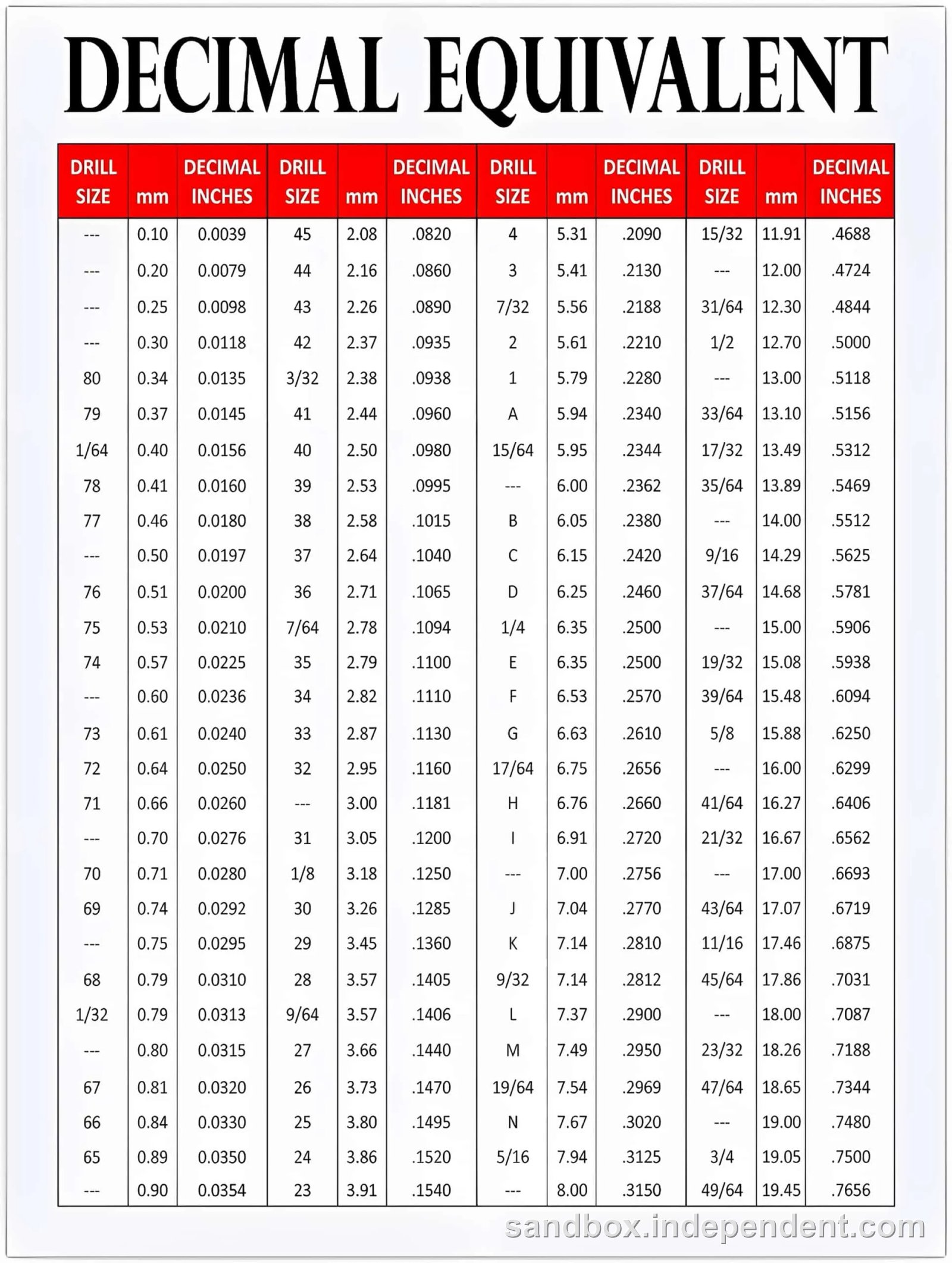
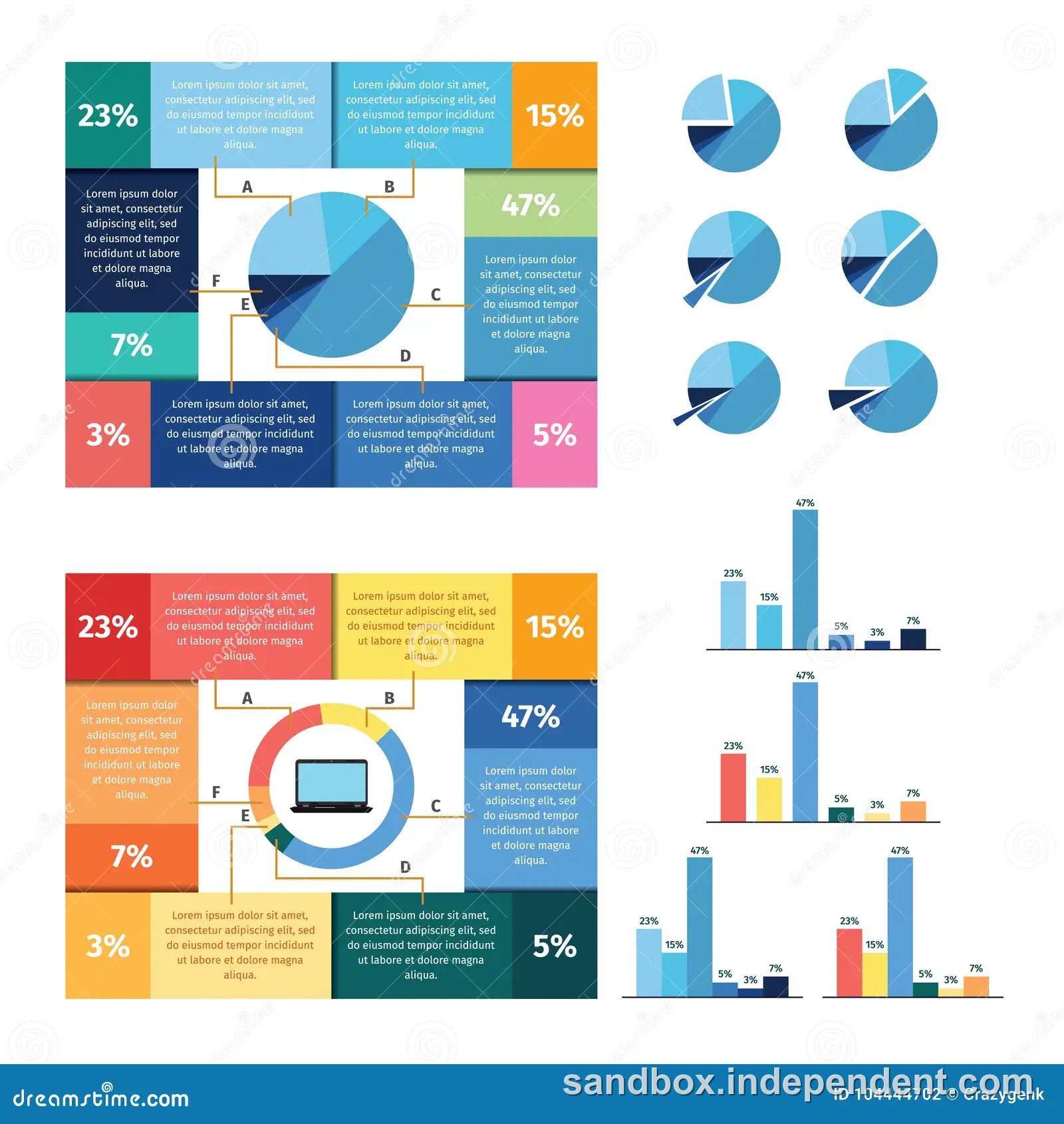
You're here, searching for that fdny salary chart, probably to get a quick glimpse of the numbers and understand what you're dealing with. It's a handy reference, and these charts can vary, so it's great to have an overview. The FDNY salary structure is designed to reward experience, and you'll see that reflected in the different roles and their pay grades. From firefighters to EMS, captains, and lieutenants, each position has its own pay scale, and the fdny salary chart gives you a snapshot of these.
Understanding the FDNY Salary Chart
The FDNY salary chart is a valuable tool that provides insight into the compensation structure for firefighters and emergency medical services (EMS) personnel within the Fire Department of New York City (FDNY). It offers a clear overview of the salary ranges, rank-based pay, and benefits associated with different positions.
Key Details and Categories
When examining the FDNY salary chart, you'll notice it's organized by rank and position. The chart typically includes roles such as firefighters, lieutenants, captains, and EMS personnel. Each position is further categorized by years of service or experience, with corresponding salary ranges. Additionally, the chart may provide information on overtime pay and pension calculations, which are essential components of FDNY compensation.
Reading and Applying the Chart
To utilize the FDNY salary chart effectively, follow these steps:
- Identify your position and rank within the FDNY. This is crucial as it determines your specific salary range.
- Locate your rank on the chart and find the corresponding salary column. Ensure you're considering the correct pay grade based on your years of service.
- Review the salary range provided for your position and rank. This range typically represents the minimum and maximum earnings for that role.
- Understand that overtime pay is often calculated separately and may not be included in the base salary range.
- If you're planning for retirement, use the pension calculator section of the chart to estimate your pension benefits.
- Remember, the chart provides a general overview, so individual circumstances and factors may impact your exact compensation.
Variations and Differences
Salary variations within the FDNY can occur due to several factors:
- Years of Service: As you gain experience and progress in your career, your salary range typically increases.
- Rank and Position: Different ranks and positions within the FDNY have distinct salary structures.
- Overtime Pay: FDNY personnel may earn additional income through overtime work, which can significantly impact their overall compensation.
- Pension Benefits: Retirement benefits vary based on individual contributions and years of service.
- Special Assignments: Certain roles or assignments within the FDNY may come with unique compensation packages.
Common Mistakes and How to Avoid Them
When interpreting the FDNY salary chart, avoid these common pitfalls:
- Assuming the chart covers all aspects of compensation: Remember, it provides a general overview. Double-check with official FDNY resources for detailed information on specific benefits and allowances.
- Ignoring rank-based pay differences: Each rank has its own salary range, so ensure you're considering the correct pay grade.
- Overlooking overtime pay: Overtime work can significantly boost your earnings, so factor it into your financial planning.
- Forgetting about pension calculations: Retirement planning is crucial. Use the pension calculator to estimate your future benefits accurately.
- Not considering individual factors: Your exact compensation may vary based on personal circumstances and performance. Consult with FDNY resources for a precise understanding of your earnings.
Well, there you have it! A handy guide to understanding the FDNY salary chart. It's always good to have a clear picture of the numbers, and now you know where to start.
Remember, these figures are a great reference, but it's important to check the specifics for your situation. Exact values may differ slightly, so always double-check the official sources for your context. It's a quick and easy process, and now you have the tools to do it confidently.
Related: Learn the Violin Notes Chart: A Simple Guide
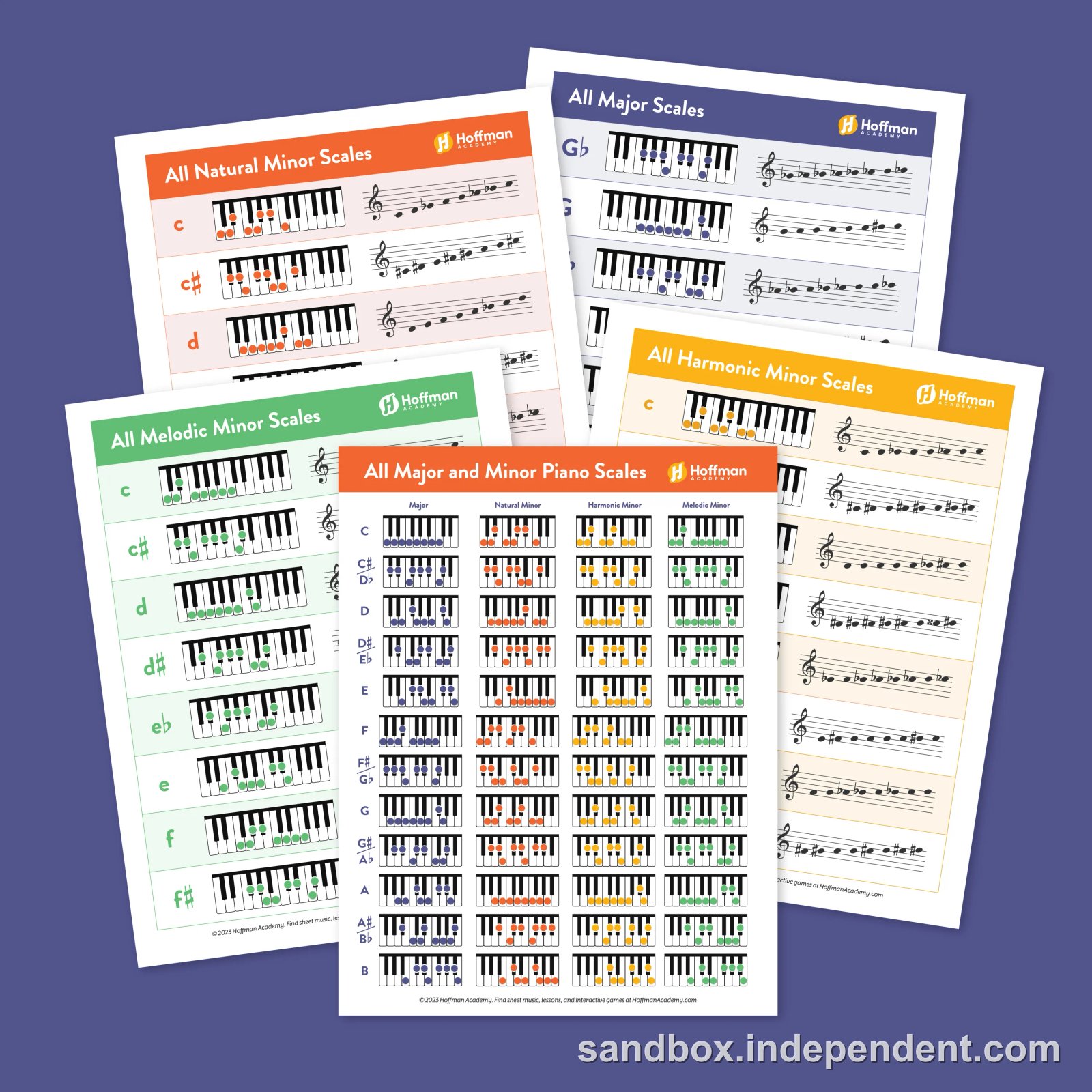
A violin notes chart is a handy tool for any violinist, offering a quick glance at the notes and their positions. This guide will cover the basics, helping you navigate and utilize this reference effectively.
The chart provides a visual representation of the violin's strings and their corresponding notes. While the standard tuning is a common reference point, it's worth noting that variations can occur, especially with different playing styles and regional traditions.
Understanding the Violin Notes Chart
The violin notes chart is a handy tool for any violinist, offering a visual guide to the notes and their positions on the fingerboard. It's like a map, helping you navigate the strings and find the right notes with ease. This chart is especially useful for beginners, providing a clear reference point as they learn to play.
Comparing Note Patterns and Formats
There are various types of violin notes charts, but the most common format shows the fingerboard with frets or positions marked. Each fret or position corresponds to a specific note. You'll often see charts with different colors or symbols to indicate the notes on each string. Some charts also include finger placement guides, showing you where to position your fingers for each note.
Using the Chart: A Step-by-Step Guide
- First, familiarize yourself with the chart. Understand the layout and how the notes are represented. Each string has its own unique set of notes, so pay attention to the differences.
- Next, locate the open strings. These are the notes played without pressing any fingers on the fingerboard. You'll see them at the top of the chart, typically marked as G, D, A, and E.
- Now, start exploring the notes on each string. Press your finger at the indicated positions to play the corresponding notes. For example, if the chart shows a green circle at the third position on the D string, that indicates the note F#.
- Practice moving between notes smoothly. Try playing scales or simple melodies using the chart as a guide. The more you practice, the easier it will be to memorize the note positions.
- As you advance, you can explore alternative tunings and more advanced techniques. The chart can still be a valuable tool, even for experienced players, as it provides a quick reference for less familiar pieces or new styles.
Common Misreadings and How to Avoid Them
One common mistake is assuming that the chart represents the exact position of your fingers. Remember, it's a guide, and your hand size and finger length may vary. Always adjust the finger placement slightly to find the most comfortable and accurate position for your hand.
Another pitfall is ignoring the context. The chart provides a general guide, but the specific piece you're playing may require slight variations. Always refer to the sheet music or listen to the piece to understand the intended notes and their context.
Factors Affecting Accuracy and Real-World Use
The accuracy of the violin notes chart depends on several factors. Firstly, the chart's scale and size can impact its precision. A larger chart may provide more detail, but it's essential to find a balance between size and portability.
Secondly, the chart's design and formatting can affect its usability. Look for charts with clear, easy-to-read fonts and colors. Avoid overly complex designs that may distract from the main purpose of the chart.
Lastly, remember that the chart is a tool, not a substitute for practice and musical understanding. It's a guide to help you find the right notes, but the real magic happens when you internalize the music and play with expression and feeling.
Hey there! We've covered a lot of ground in this blog post, giving you a comprehensive guide to violin notes charts. Remember, these charts are a handy tool, and while the basics remain the same, you might find slight variations depending on your specific needs and the source you're using.
So, the next time you're practicing or teaching, be sure to bookmark this page for a quick reference. It's always good to have these resources at your fingertips, and we've got plenty more guides to explore, so feel free to dive in and discover more!
Related: Understanding the Mens Size Chart
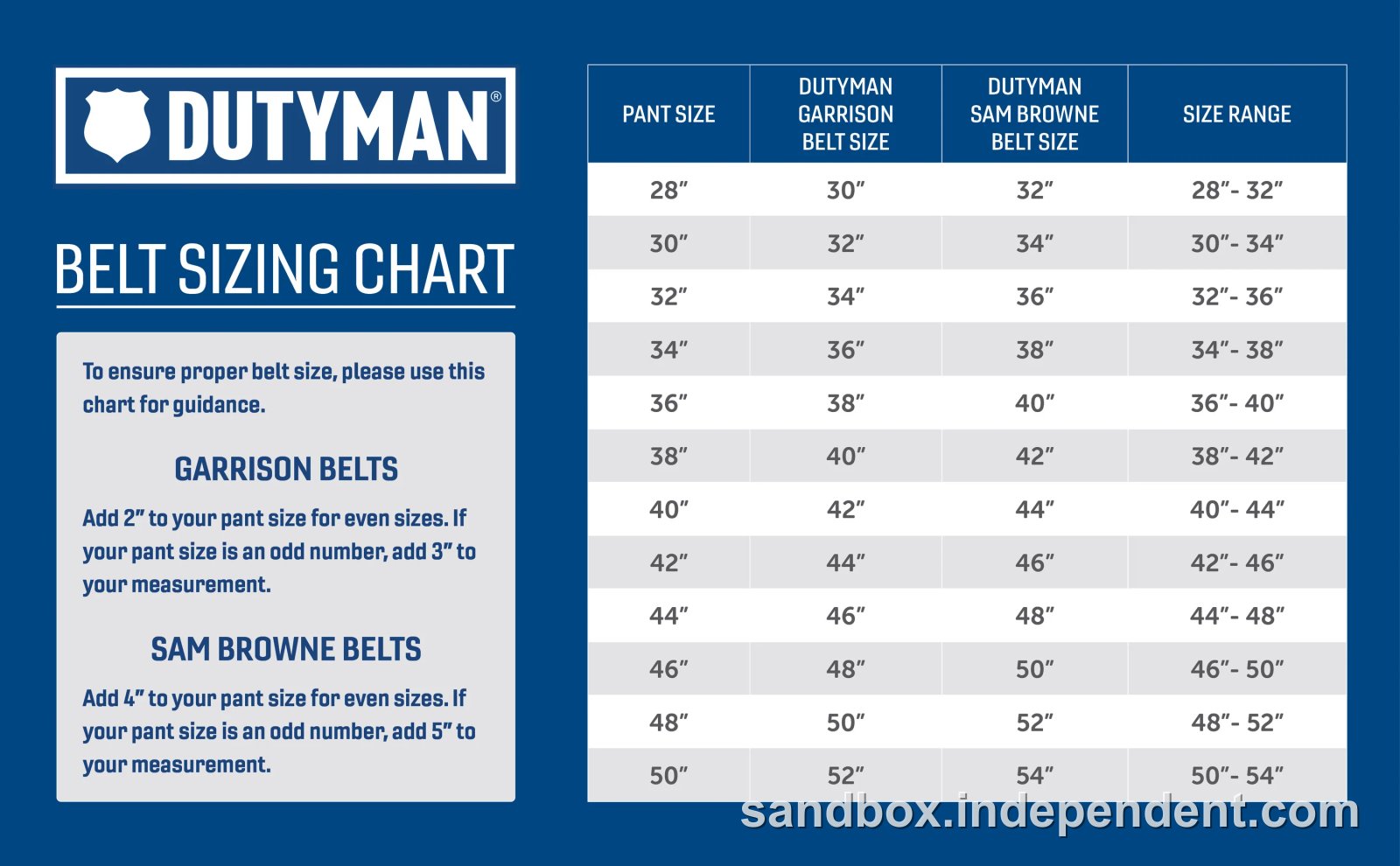
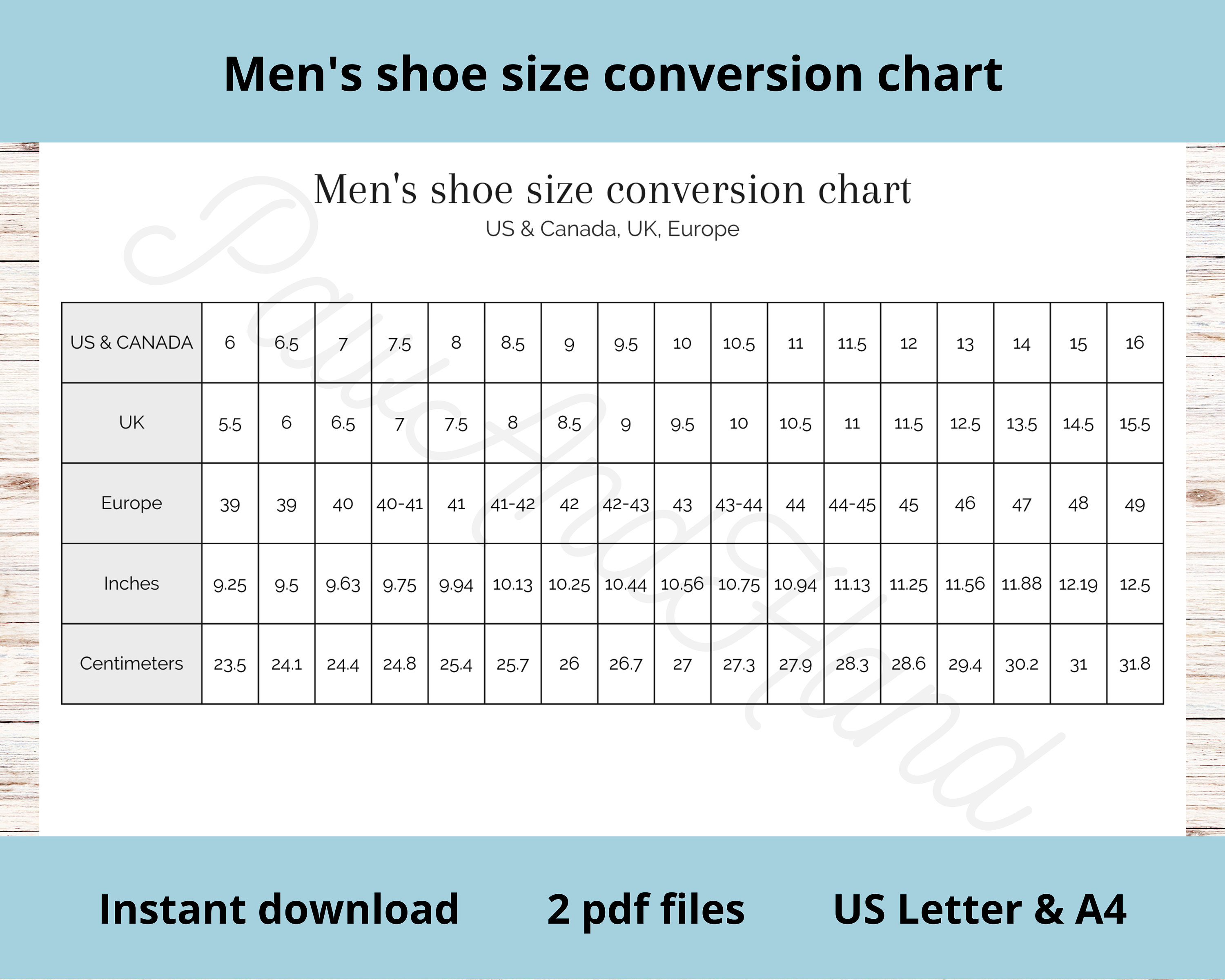
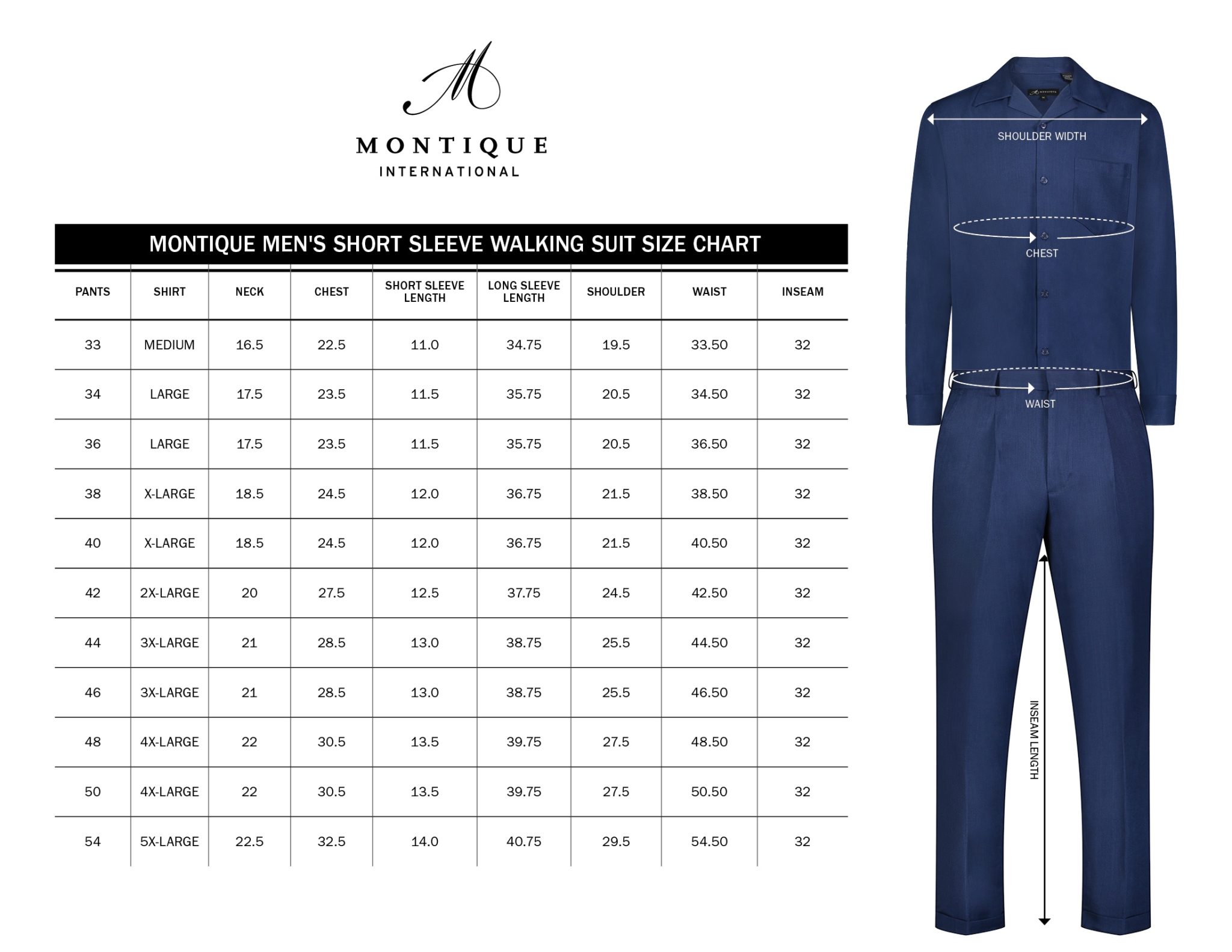
You've found yourself searching for a mens size chart, perhaps for a specific item or to understand the sizing standards better. This chart is a handy tool, offering a quick and visual way to navigate clothing and shoe sizes, especially when you need to get the right fit. It provides a simple reference, often with clear columns and rows, making it easy to find your size and ensure a comfortable, well-fitted garment. While the values and formats may vary, depending on the brand or region, the mens size chart is a reliable starting point for anyone seeking a precise fit.
Understanding the Mens Size Chart
The mens size chart is a valuable tool for anyone looking to find the perfect fit for their clothing or footwear. It provides a standardized guide to help determine the right size for men's garments, ensuring a comfortable and well-tailored look. This chart simplifies the process of finding your size by offering a clear reference for various measurements.
Key Measurements Explained
The mens size chart typically includes essential measurements such as chest, waist, and hip circumference, along with height and sometimes sleeve length. These measurements are presented in a tabular format, with columns indicating different sizes and rows for each measurement. The chart may also include a size guide, offering a quick reference for the corresponding measurements of each size.
Reading and Applying the Chart: A Step-by-Step Guide
Identify the measurement you need: Start by determining the specific measurement you want to find, whether it's chest size, waist size, or any other relevant dimension.
Locate the correct column: Find the column on the chart that corresponds to the size you believe you are. This is usually indicated by a size label, such as "Small," "Medium," or "Large."
Check the measurements: Within the chosen column, look for the row that matches the measurement you're seeking. For instance, if you're finding your chest size, locate the row labeled "Chest."
Compare and select: Compare the measurement on the chart with your own body measurements. If your measurement falls within the range provided, that size should be a good fit. If not, try the next size up or down and repeat the process until you find the closest match.
Consider other factors: While the chart provides a general guide, individual body shapes and preferences may vary. Consider factors like your desired fit (loose or fitted) and the style of the garment when making your final size selection.
Common Size Variations and Their Causes
Size charts can vary depending on several factors. One significant influence is the standard being used, as different regions and manufacturers may have their own sizing systems. For instance, a size "Medium" in the US may not align with a "Medium" in Europe. Additionally, the intended use of the garment can impact sizing; athletic wear, for example, often has a different fit compared to casual wear. It's essential to be aware of these variations and refer to the specific size chart provided by the brand or retailer.
Mistakes to Avoid and How to Get it Right
A common mistake is relying solely on your usual size without considering the specific brand or style. Each brand may have its unique sizing, so it's crucial to refer to the provided size chart. Additionally, ensure you measure yourself accurately, as slight variations can make a difference in finding the perfect fit. Always double-check the measurements against the chart to avoid any sizing errors.
Tips for Accurate Sizing and a Perfect Fit
To ensure an accurate fit, measure yourself with a flexible tape measure. Take your measurements while wearing minimal clothing to get the most precise results. If you're between sizes, consider the fabric and style of the garment. Some materials have more give, allowing for a slightly looser fit, while others may be more structured and require a precise size match. Don't be afraid to try on different sizes and trust your judgment based on the provided size chart and your own comfort.
While we've covered the essentials, it's worth noting that the specifics of size charts can vary, so it's always a good idea to double-check the source and ensure you're using the right measurements for your context.
Don't worry, though; with a bit of practice, reading and applying size charts will become second nature. If you ever need a quick refresher, feel free to revisit this guide or explore our other helpful references. It's always good to have these tools at your fingertips!