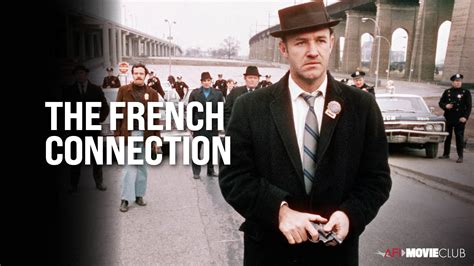
The 1971 film “The French Connection” is a landmark achievement in American cinema, known for its gritty realism, intense action sequences, and powerful performances. Directed by William Friedkin and starring Gene Hackman and Roy Scheider, the movie tells the story of two New York City detectives who embark on a perilous mission to dismantle a massive heroin smuggling operation. As we delve into the world of “The French Connection,” we’ll uncover some fascinating movie secrets that showcase the film’s enduring impact on the world of cinema.
One of the most significant aspects of “The French Connection” is its roots in real-life events. The film is loosely based on the true story of the 1961 seizure of 32 kilograms of heroin in New York City, which was orchestrated by a group of French smugglers. The movie’s screenplay, written by Ernest Tidyman, takes creative liberties with the actual events, but the core concept remains the same. This blending of fact and fiction adds a layer of authenticity to the film, making it feel more like a documentary than a work of fiction.
The film’s cast is also noteworthy, with Hackman and Scheider delivering performances that are both nuanced and intense. Hackman, in particular, brings a sense of depth to his character, Jimmy “Popeye” Doyle, a tough, no-nonsense detective with a penchant for bending the rules. Scheider, on the other hand, plays Buddy “Cloudy” Russo, a more reserved and analytical detective who often finds himself at odds with Doyle’s unorthodox methods. The chemistry between the two leads is undeniable, and their partnership is a key element in what makes “The French Connection” so compelling.
From a technical standpoint, “The French Connection” is also remarkable for its editing and sound design. The film’s editor, Gerald B. Greenberg, employed a rapid-cutting style that added to the overall sense of tension and urgency. The sound design, meanwhile, is characterized by its use of diegetic sound, which creates a more immersive experience for the viewer. These technical aspects, combined with the film’s gripping storyline and outstanding performances, make “The French Connection” a must-see for cinephiles and casual viewers alike.
In conclusion, “The French Connection” is a landmark film that continues to captivate audiences with its gritty realism, intense action sequences, and powerful performances. By uncovering the movie secrets behind this classic film, we gain a deeper appreciation for the craftsmanship and innovation that went into its creation. Whether you’re a film enthusiast or simply a fan of great storytelling, “The French Connection” is a must-see that will leave you on the edge of your seat.
What was the inspiration behind "The French Connection"?
+The film is loosely based on the true story of the 1961 seizure of 32 kilograms of heroin in New York City, which was orchestrated by a group of French smugglers.
What innovative filmmaking techniques were used in "The French Connection"?
+Friedkin employed a documentary-style approach, using handheld cameras and natural lighting to create a sense of realism.
What is the significance of the film's editing and sound design?
+The film's editor, Gerald B. Greenberg, employed a rapid-cutting style that added to the overall sense of tension and urgency, while the sound design used diegetic sound to create a more immersive experience for the viewer.
As we reflect on the enduring legacy of “The French Connection,” it becomes clear that this film is more than just a crime thriller – it’s a masterpiece of American cinema that continues to influence filmmakers to this day. By exploring the movie secrets behind this classic film, we gain a deeper understanding of the craftsmanship, innovation, and attention to detail that went into its creation. Whether you’re a seasoned film enthusiast or simply a fan of great storytelling, “The French Connection” is a must-see that will leave you on the edge of your seat and eager for more.