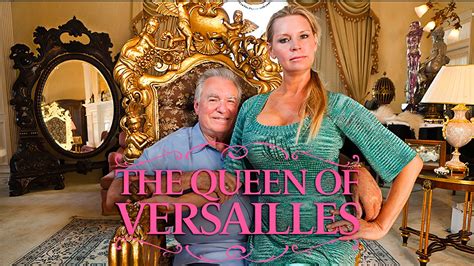
In the heart of Florida, there exists a mansion so grand, so opulent, and so utterly fascinating that it has captured the imagination of people around the world. The Queen of Versailles, as it has come to be known, is a 90,000-square-foot palace that was conceived by Jackie and David Siegel, a couple who embody the American dream of success and excess. Their story, however, is not just about the mansion they built; it’s a complex tapestry woven from threads of ambition, familial dynamics, and the unpredictability of fortune.
At the core of this narrative is the Siegel family, who rose to prominence through David’s timeshare company, Westgate Resorts. Their wealth and status enabled them to embark on the ambitious project of building their dream home, a replica of the Palace of Versailles, only bigger and more extravagant. The Queen of Versailles documentary, directed by Lauren Greenfield, offers an intimate look into the lives of the Siegels, capturing their triumphs and struggles against the backdrop of the 2008 financial crisis, which threatened to derail their monumental project.
One of the most compelling aspects of the Queen of Versailles is its multifaceted portrayal of wealth and the American Dream. On one hand, the Siegels’ rags-to-riches story is a quintessential representation of the possibilities that America offers to those who are determined and hardworking. David Siegel’s ascent from a humble background to becoming one of the richest men in the country is a testament to the entrepreneurial spirit and the rewards of risk-taking. On the other hand, the film also delves into the societal pressures and personal costs associated with maintaining such a high level of luxury and status, highlighting the intricate balance between ambition and happiness.
The documentary also explores the psychological and emotional dimensions of building a home that is, in many ways, a monument to one’s ego and success. The Queen of Versailles, with its replicas of the Hall of Mirrors and other iconic features of the French palace, is not just a residence; it’s a declaration of the Siegels’ arrival at the pinnacle of societal hierarchy. This aspect of the documentary raises profound questions about the nature of taste, class, and the pursuit of happiness in a consumerist society.
Furthermore, the project faced significant challenges, including the economic downturn, which forced the Siegels to reconsider their priorities and confront the very real possibility that their dream might not become a reality. This turn of events adds a layer of complexity to the narrative, shifting the focus from the mere extravagance of wealth to the resilience and adaptability required to navigate the unpredictable landscape of high-stakes finance.
In addition to its exploration of wealth and status, the Queen of Versailles offers a fascinating case study on family dynamics and the role of women in wealthy households. Jackie Siegel, with her blend of acumen, charm, and unapologetic extravagance, emerges as a central figure in the documentary, providing insights into the life of a woman who has both benefited from and contributed to the wealth of her family. Her relationship with David and their children is multifaceted, revealing the tensions and harmonies that exist within a family where wealth and business intertwine.
The Queen of Versailles is more than a documentary about building a mansion; it's an anthropological study of the wealthy, an exploration of the human desire for status and luxury, and a reminder of the vulnerabilities that lie beneath the surface of success.
The future of the Queen of Versailles, like many grand projects, is not without its uncertainties. As the global economy continues to evolve and societal values shift towards more sustainable and equitable lifestyles, one cannot help but wonder about the long-term place of such opulent structures within our cultural landscape. Will they stand as lasting monuments to human ingenuity and the pursuit of beauty, or will they become relics of an era marked by excess and irresponsible extravagance?
What inspired the Siegels to build the Queen of Versailles?
+The idea to build the Queen of Versailles was inspired by the Palace of Versailles in France, which the Siegels visited. They were captivated by its grandeur and decided to build an even larger version as their family home.
How big is the Queen of Versailles?
+The Queen of Versailles spans over 90,000 square feet, making it one of the largest private homes in the United States.
What challenges did the Siegels face during the construction of the Queen of Versailles?
+The Siegels faced significant financial challenges, particularly following the 2008 financial crisis, which threatened to halt the construction of their dream home.
In conclusion, the Queen of Versailles stands as a complex and intriguing symbol of American ambition, wealth, and the relentless pursuit of dreams, no matter how grand or unconventional they may seem. As a documentary, it offers a nuanced exploration of the human experience, delving into the intricacies of family, business, and the societal pressures that accompany great wealth. Whether one views the Queen of Versailles as an emblem of excess or a testament to the power of vision and determination, it undoubtedly leaves an indelible mark on the imagination, prompting reflections on the nature of luxury, happiness, and the enduring legacy of human creativity and endeavor.