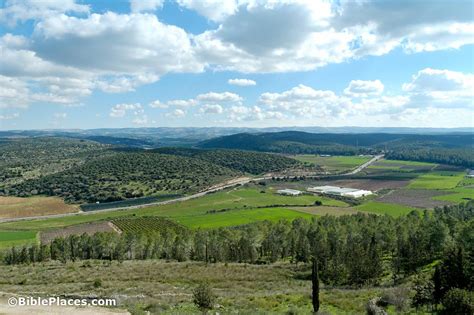
In the scorching desert landscape of the Middle East, where the sun dips into the horizon and paints the sky with hues of crimson and gold, lies a valley steeped in history and biblical significance. The Valley of Elah, a site of immense archaeological and spiritual importance, has been a witness to the rise and fall of civilizations, the birth of prophets, and the unfolding of divine dramas. This valley, nestled between the Judaean Mountains and the Philistine coastal plain, has been a stage for some of the most pivotal events in human history, and its legacy continues to captivate the imagination of people around the world.
The Valley of Elah is perhaps most famously known as the site of the epic battle between the young shepherd David and the giant Philistine warrior Goliath. As recounted in the biblical account, David, armed with nothing but a sling and a stone, faced off against the formidable Goliath, who was decked in armor and boasted of his invincibility. The outcome of this battle, in which David emerged victorious, would go on to shape the course of Israel’s history and cement David’s reputation as a hero and a future king. This legendary encounter has become an enduring symbol of faith, courage, and the triumph of the underdog, inspiring countless adaptations, interpretations, and artistic renderings throughout the centuries.
Beyond its association with the David and Goliath narrative, the Valley of Elah boasts a rich and diverse cultural heritage. Archaeological excavations have uncovered evidence of human habitation dating back to the Chalcolithic period, around 4500-3500 BCE. The valley’s strategic location, situated at the crossroads of major trade routes, made it an attractive site for settlement and commerce. As various empires rose and fell, the Valley of Elah played host to a succession of occupiers, each leaving their mark on the landscape. From the ancient Israelites to the Romans, Byzantines, and Ottoman Turks, each civilization has contributed to the valley’s complex tapestry of history and culture.
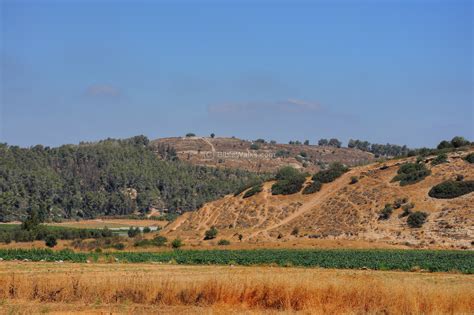
One of the most significant archaeological discoveries in the Valley of Elah is the ancient city of Khirbet Qeiyafa, which dates back to the 10th century BCE. This fortified city, believed by some to be the biblical town of Shaaraim, offers a unique glimpse into the lives of the ancient Israelites during the time of King David. Excavations at the site have uncovered a complex system of walls, gates, and towers, as well as a sophisticated network of agricultural terracing and water management. The discovery of a monumental inscription, known as the Khirbet Qeiyafa ostracon, has also shed new light on the linguistic and literary traditions of the ancient Israelites.
In addition to its historical and archaeological significance, the Valley of Elah is also a site of breathtaking natural beauty. The valley’s unique geography, characterized by rolling hills, verdant valleys, and sparkling springs, makes it an attractive destination for hikers, nature enthusiasts, and photographers. The valley’s flora and fauna are equally impressive, with a diverse range of plant and animal species thriving in the area. As the seasons change, the valley is transformed, with the spring bringing a vibrant display of wildflowers, and the autumn ushering in a harvest of olives, grapes, and other crops.
Despite its many attractions, the Valley of Elah is not without its challenges. The region has been impacted by various environmental and social issues, including deforestation, soil erosion, and conflict over land ownership. Efforts to preserve the valley’s natural and cultural heritage are ongoing, with various organizations and initiatives working to promote sustainable tourism, support local communities, and protect the valley’s fragile ecosystem.
In conclusion, the Valley of Elah is a place of immense historical, cultural, and natural significance, a site that has captivated the imagination of people for millennia. From its legendary association with David and Goliath to its rich archaeological heritage and breathtaking natural beauty, the valley offers a unique and unforgettable experience for visitors from around the world. As we reflect on the valley’s enduring legacy, we are reminded of the power of faith, courage, and the human spirit, and the importance of preserving our shared cultural and environmental heritage for future generations.
What is the biblical significance of the Valley of Elah?
+The Valley of Elah is perhaps most famously known as the site of the epic battle between the young shepherd David and the giant Philistine warrior Goliath. This legendary encounter has become an enduring symbol of faith, courage, and the triumph of the underdog, inspiring countless adaptations, interpretations, and artistic renderings throughout the centuries.
What are some of the archaeological discoveries in the Valley of Elah?
+One of the most significant archaeological discoveries in the Valley of Elah is the ancient city of Khirbet Qeiyafa, which dates back to the 10th century BCE. Excavations at the site have uncovered a complex system of walls, gates, and towers, as well as a sophisticated network of agricultural terracing and water management. The discovery of a monumental inscription, known as the Khirbet Qeiyafa ostracon, has also shed new light on the linguistic and literary traditions of the ancient Israelites.
What are some of the environmental and social challenges facing the Valley of Elah?
+The region has been impacted by various environmental and social issues, including deforestation, soil erosion, and conflict over land ownership. Efforts to preserve the valley's natural and cultural heritage are ongoing, with various organizations and initiatives working to promote sustainable tourism, support local communities, and protect the valley's fragile ecosystem.
What are some of the best ways to experience the Valley of Elah?
+The Valley of Elah is a site of breathtaking natural beauty, with a diverse range of plant and animal species thriving in the area. Visitors can hike, bike, or take a guided tour to explore the valley's unique geography and natural attractions. The valley is also home to a number of archaeological sites, museums, and cultural attractions, offering a wealth of historical and cultural insights into the region's rich heritage.
The Valley of Elah is a place of immense historical, cultural, and natural significance, a site that has captivated the imagination of people for millennia. From its legendary association with David and Goliath to its rich archaeological heritage and breathtaking natural beauty, the valley offers a unique and unforgettable experience for visitors from around the world.
Pros and Cons of Visiting the Valley of Elah
| Pros | Cons |
|---|---|
| Rich cultural and historical heritage | Environmental and social challenges facing the region |
| Breathtaking natural beauty | Conflict over land ownership and access restrictions |
| Unique archaeological sites and museums | Limited infrastructure and tourist facilities in some areas |
Planning a Visit to the Valley of Elah: A Step-by-Step Guide
- Research the region’s history, culture, and natural attractions to determine the best time to visit and what to expect.
- Plan your itinerary, including visits to archaeological sites, museums, and natural attractions.
- Book your accommodations and transportation in advance, especially during peak travel seasons.
- Respect local customs, traditions, and environmental regulations to minimize your impact on the region.
- Stay safe by following guidelines and instructions from local authorities and tour guides.