
Thinking Of You Cards Printable Overview
A window size chart is a handy tool for anyone looking to understand window measurements quickly and easily. This guide will take you through the basics, covering what you need to know to read and use these charts effectively.
It's a simple reference, but one that can vary depending on your location and the type of window you're dealing with. Whether you're after standard window dimensions or more specific measurements, a good chart will provide a clear overview, helping you choose the right size for your needs.
Understanding Window Size Charts
A window size chart is a valuable tool for anyone planning a construction or renovation project. It provides a quick reference guide to standard window dimensions, helping you choose the right size and type for your space. These charts are a handy way to visualize and compare options, ensuring your windows fit the intended space and serve their purpose.
Key Details and Categories
Before diving into a window size chart, it's essential to understand the basic units and categories. Most charts use inches for width and height, with standard sizes ranging from 18" x 18" to 36" x 72". These dimensions cover a wide range of common window types, including single-hung, double-hung, casement, and fixed windows. The charts often include a breakdown of these categories, making it easy to identify the right type for your needs.
Reading the Chart: A Step-by-Step Guide
- Identify the window type you require. This could be a double-hung window for ease of use or a casement window for ventilation.
- Locate the relevant section on the chart. Each type will have its own set of standard sizes.
- Choose the size that best fits your space. Consider the width and height of the opening and ensure the window provides adequate coverage.
- Note the dimensions and any additional details, such as the number of panes or the window's energy efficiency rating.
- Cross-reference with other charts or guidelines to ensure accuracy, especially if you're working with non-standard sizes or unique architectural features.
Variations and Differences
Window size charts can vary depending on the standard being used. While most follow a similar format, there may be slight differences in dimensions or the inclusion of specific window types. For instance, some charts might cater to a wider range of window styles, including awning or bay windows. It's crucial to refer to the right chart for your region or project requirements. Additionally, manufacturers may have their own charts with slight variations to accommodate their product range.
Common Mistakes and How to Avoid Them
One of the most common mistakes is assuming that all windows are created equal. Different window types have unique purposes and may not fit the same space. Always refer to the correct chart for the window style you need. Another pitfall is neglecting to consider the frame size. The window size chart typically refers to the glass dimensions, so ensure you account for the frame when measuring your space. Finally, don't forget to check for any local building regulations or guidelines that might impact your window choices.
Well, there you have it! A window size chart is a handy tool to keep in your back pocket. It's a simple reference guide, but one that can save you time and ensure accuracy when planning your next project.
Remember, while this chart provides a great starting point, it's always wise to double-check the specific requirements for your unique situation. Exact values can vary, so it's best to be prepared and avoid any potential pitfalls. So, bookmark this page, and you'll have a quick and easy solution whenever you need it.
Related: Find Your Perfect Puma Size: A Quick Guide
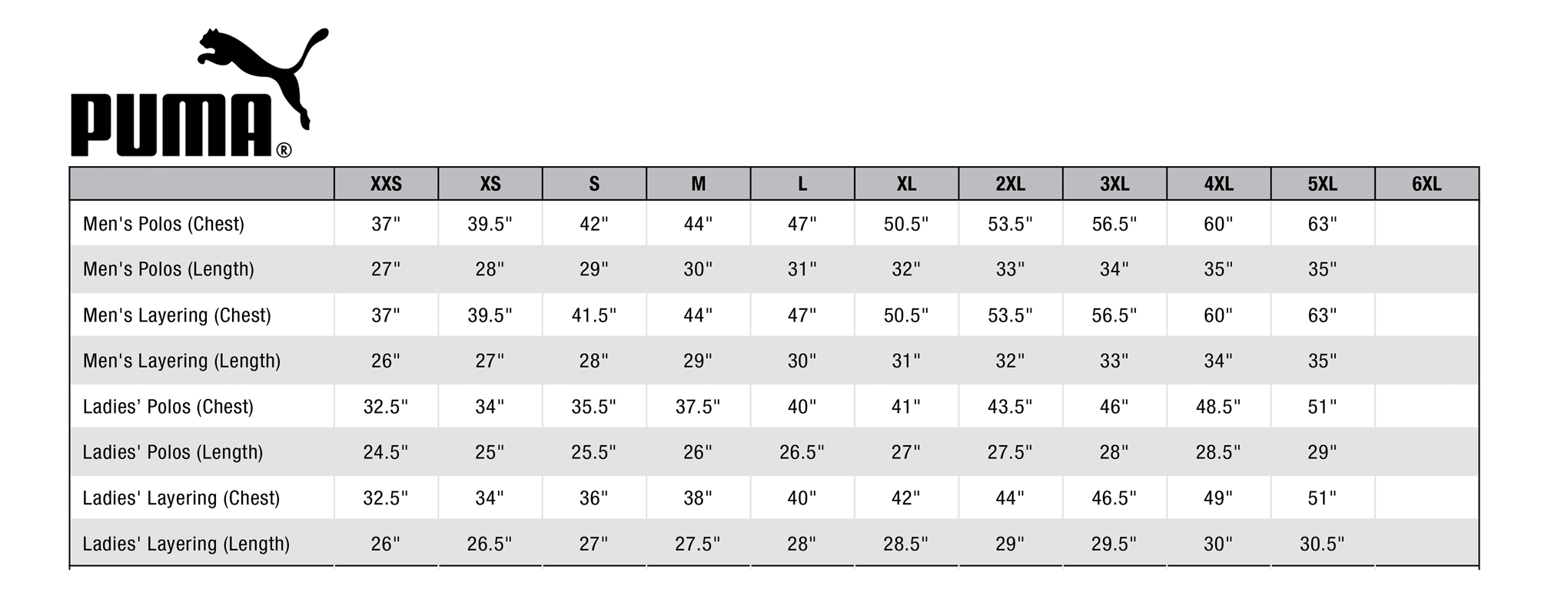
A common pitfall when using a Puma size chart is assuming that one standard size fits all. This is a mistake many of us have made, and it's an easy trap to fall into, especially with the variety of sizing systems out there. The Puma size chart, a simple yet essential tool, offers a reliable guide to ensure you find the perfect fit for your Puma gear. It's a quick reference, but one that can make a big difference in your comfort and confidence.
Understanding the Puma Size Chart: Your Guide to Perfect Fit
The Puma size chart is a valuable tool for anyone looking to purchase Puma footwear or apparel. It provides a clear and concise guide to help you find your ideal size, ensuring a comfortable and well-fitted product. This chart is designed to offer a standardized sizing system, making it easier for customers to navigate Puma's range.
Comparing Size Standards: International vs. US
Puma size charts typically follow two main standards: the international or metric system and the US sizing system. These charts provide conversions between the two, ensuring a seamless shopping experience for customers worldwide. The international system uses centimeters (cm) for length measurements, while the US system relies on numerical sizes.
Step-by-Step Guide to Using the Puma Size Chart
To accurately use the Puma size chart, follow these simple steps:
Identify the type of product you wish to purchase. Puma's size charts cater to various items, including shoes, clothing, and accessories.
Locate the specific size chart for your chosen product. Puma provides separate charts for men's, women's, and kids' sizes, ensuring an accurate fit for all.
Measure your body or feet, depending on the product. For shoes, measure your foot length accurately, ensuring you stand up straight and measure both feet, as sizes may vary slightly.
Refer to the size chart and find your measurement. The chart will provide a range of sizes with corresponding measurements. Choose the size that aligns with your measurement, ensuring a comfortable fit.
Consider any additional fit preferences. Puma's size charts offer guidance on whether a particular style runs small, large, or true to size. This information helps you make an informed decision.
Common Misreadings and How to Avoid Them
While the Puma size chart is straightforward, a few common misreadings can occur:
Shoe size variations: Shoe sizes can vary slightly between brands, so always refer to Puma's specific chart. Don't assume your usual size will fit perfectly.
Clothing size differences: Clothing sizes can be influenced by various factors, such as style, fabric, and fit preferences. Puma's size guide offers helpful tips to ensure an accurate fit.
Kids' sizes: Children's growth can be rapid, so regular measurements are essential. Puma's kids' size chart provides age and height ranges to help you choose the right size.
Remember, while the Puma size chart is a valuable tool, it's always a good idea to double-check specific product details and customer reviews for any unique sizing considerations.
While every effort has been made to ensure the accuracy of this guide, it's important to note that exact details can differ slightly depending on the specific product or brand you're dealing with. Puma's size charts are a great starting point, but always double-check with the manufacturer's guidelines for the most precise fit.
Remember, this is a handy reference, so feel free to bookmark this page for future use. It's a quick and easy way to ensure you're getting the right size, and it's always good to have these practical guides on hand. For more helpful tips and tricks, be sure to explore our other guides too!
Related: Find Your Perfect Fit: The Levi's Size Chart Guide
Many people approach the Levis size chart with a bit of trepidation, assuming it's a complex and confusing tool. However, it's actually a straightforward guide that can make finding your perfect fit a breeze. The chart, often accompanied by a sizing guide, provides a clear and visual representation of Levis' sizing system, ensuring you can easily navigate the brand's unique sizing standards. It's a simple reference, yet a powerful tool when you understand its layout and key measurements, such as waist size and inseam length.
Understanding the Levis Size Chart
The Levis size chart is a valuable tool for anyone looking to find their perfect fit in Levis jeans. It provides a clear and standardized guide to help you determine your size based on key body measurements. This chart ensures a consistent sizing experience across Levis products, making it easier to shop with confidence.
Key Details and Categories
The Levis size chart typically includes measurements for waist size, hip size, and inseam length. These measurements are crucial in determining the right fit for your body. The chart provides a range of sizes, usually in inches or centimeters, depending on the standard being used. For example, the waist size may be listed in inches, while the inseam length is given in centimeters. It's important to note that these measurements are specific to Levis products and may differ from other brands' sizing guides.
How to Read and Apply the Chart
To use the Levis size chart accurately, follow these steps:
- Measure your waist size: Use a measuring tape to find the circumference of your waist, ensuring the tape is parallel to the floor. This measurement should be taken at the point where you would normally wear your jeans.
- Determine your hip size: Measure the fullest part of your hips, again keeping the tape parallel to the floor. This measurement is crucial for a comfortable and flattering fit.
- Check your inseam length: Measure the length from your crotch to the point where you want your jeans to end. This measurement ensures the jeans have the desired length and fit.
- Refer to the Levis size chart: Locate your waist and hip measurements on the chart. The intersection of these measurements will give you your size. For example, if your waist is 32 inches and your hip measurement is 40 inches, you would look for the size that corresponds to these dimensions.
- Consider the style: Different Levis styles may have slightly different fits, so be sure to check the specific style guide for any variations. Some styles may have a slimmer or more relaxed fit, impacting the overall sizing.
Variations and Differences
It's important to note that sizing can vary across different standards and regions. Levis, like many clothing brands, may have slight variations in their size charts depending on the market. Additionally, individual body shapes and preferences can also impact the fit. Some people may prefer a looser or tighter fit, which can influence their size choice. It's always a good idea to refer to the brand's size guide and consider any style-specific notes.
Common Mistakes and How to Avoid Them
- Not measuring accurately: Ensure you follow the correct measuring techniques to get precise measurements. Inaccurate measurements can lead to an incorrect size choice.
- Ignoring style-specific guides: Different Levis styles may have unique fits. Always check the style guide to ensure you're choosing the right size for the style you want.
- Relying solely on past purchases: Sizing can change over time, and brands may update their size charts. It's best to measure yourself each time you shop to ensure an accurate fit.
- Assuming one size fits all: Levis offers a range of sizes to accommodate different body types. Don't be afraid to try different sizes to find the perfect fit.
- Neglecting care and maintenance: Proper care and maintenance of your jeans can impact their fit over time. Follow the care instructions to ensure your jeans maintain their shape and size.
Well, there you have it! A comprehensive guide to navigating the world of Levi's size charts. Remember, while this chart provides a solid foundation, exact values can vary, so always double-check your specific needs and requirements.
Consider bookmarking this page for future reference; it's a handy tool to have at your fingertips when you need to quickly find the right size. Stay stylish and confident, and happy sizing!