









Third Person Limited Means Overview
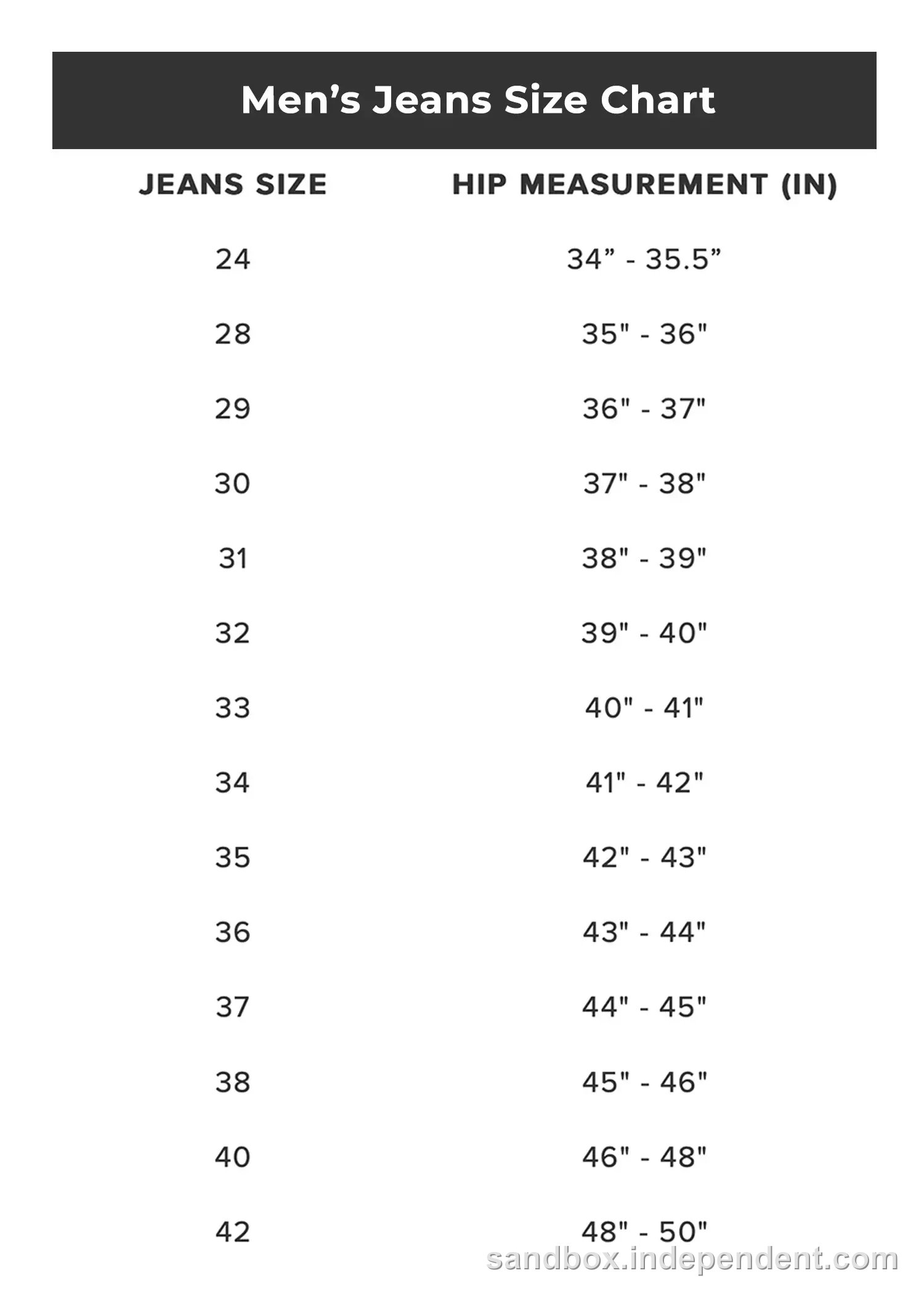
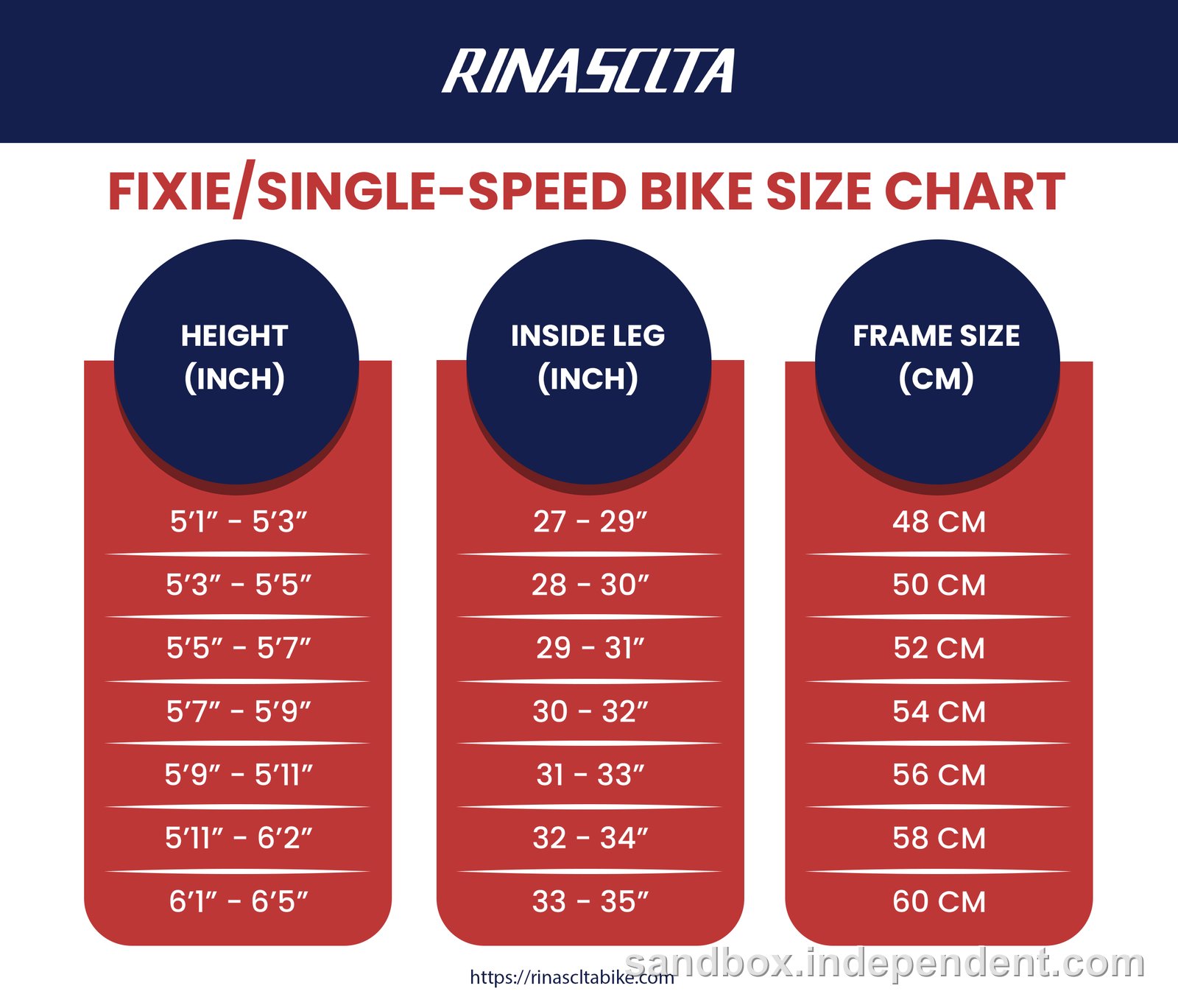
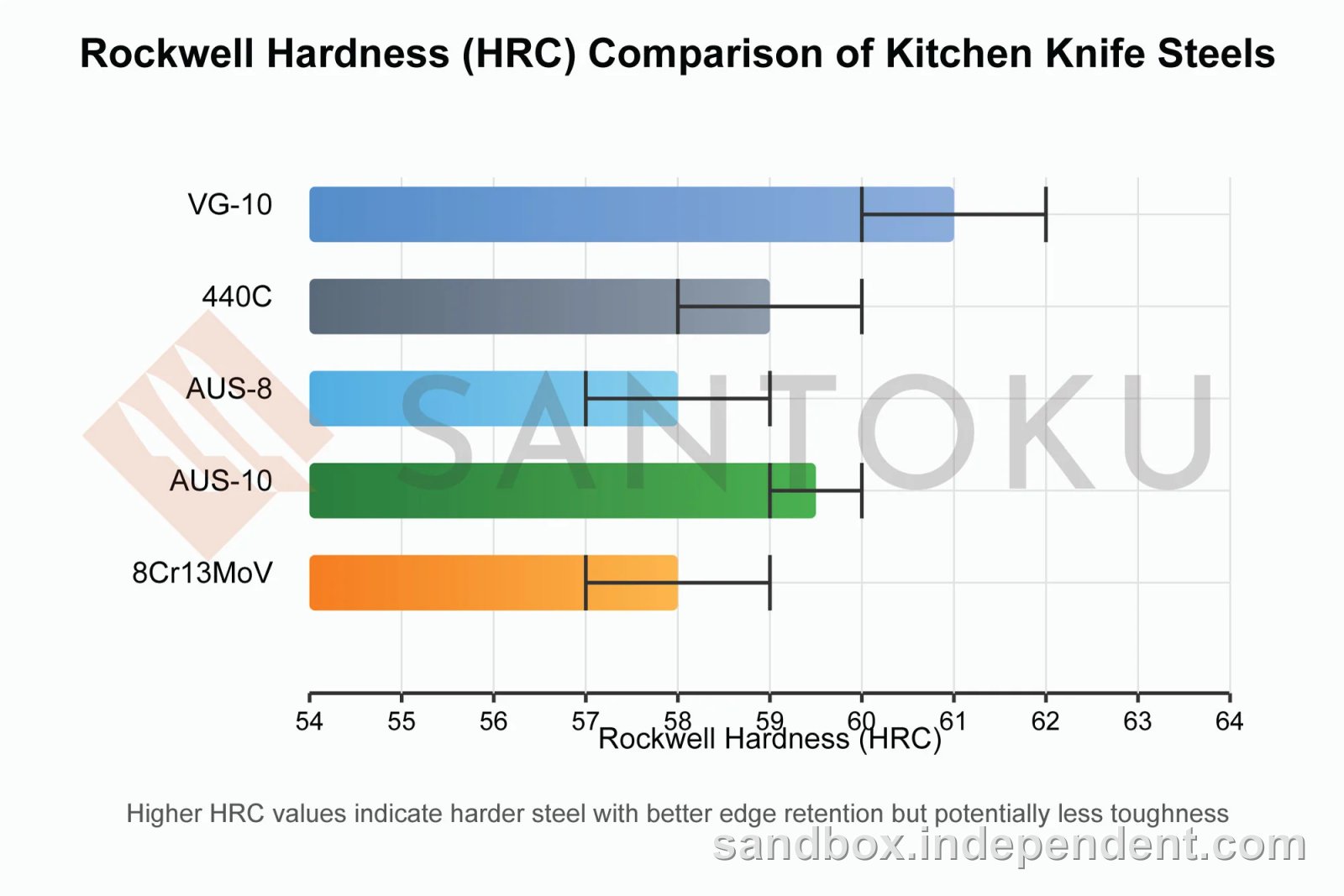
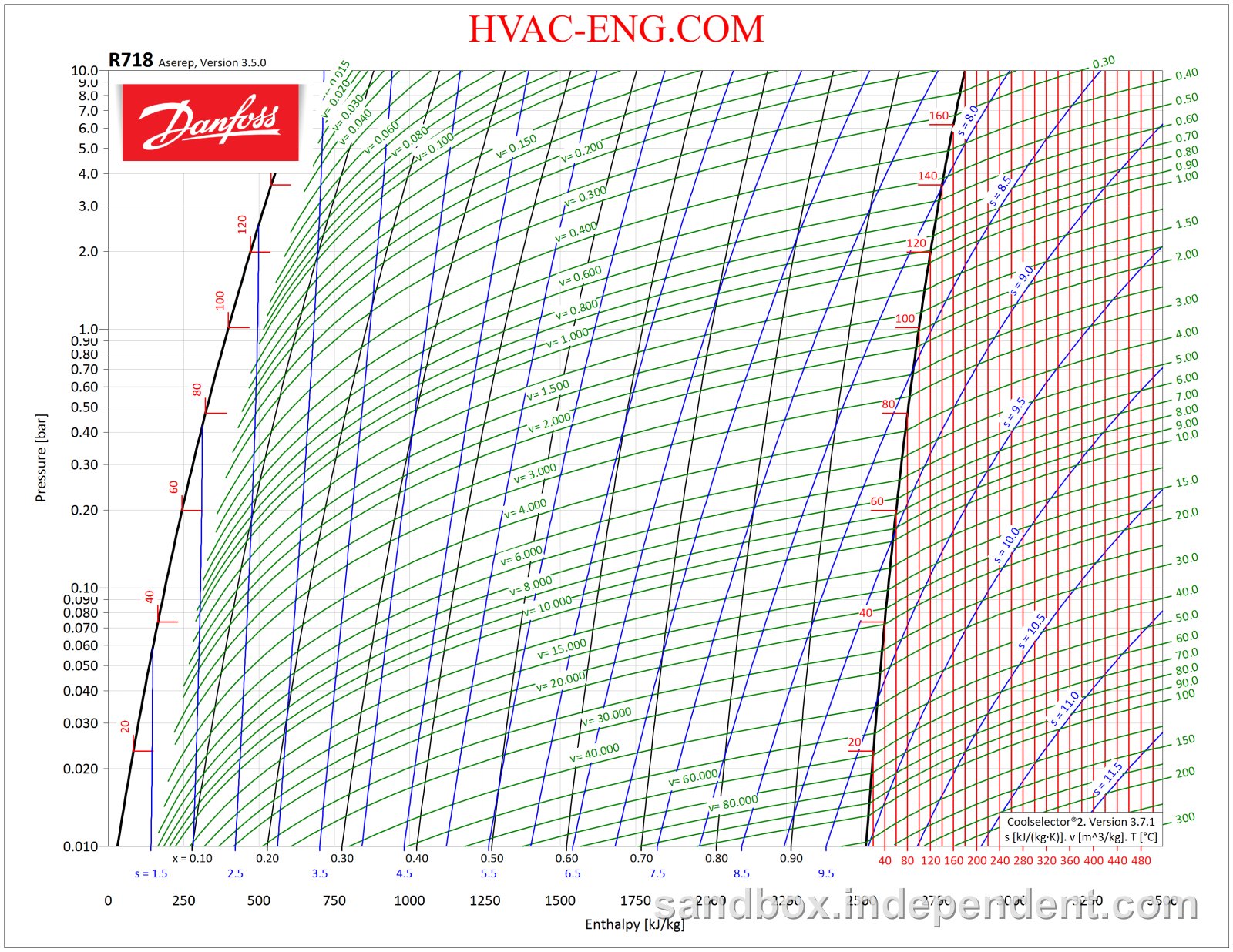
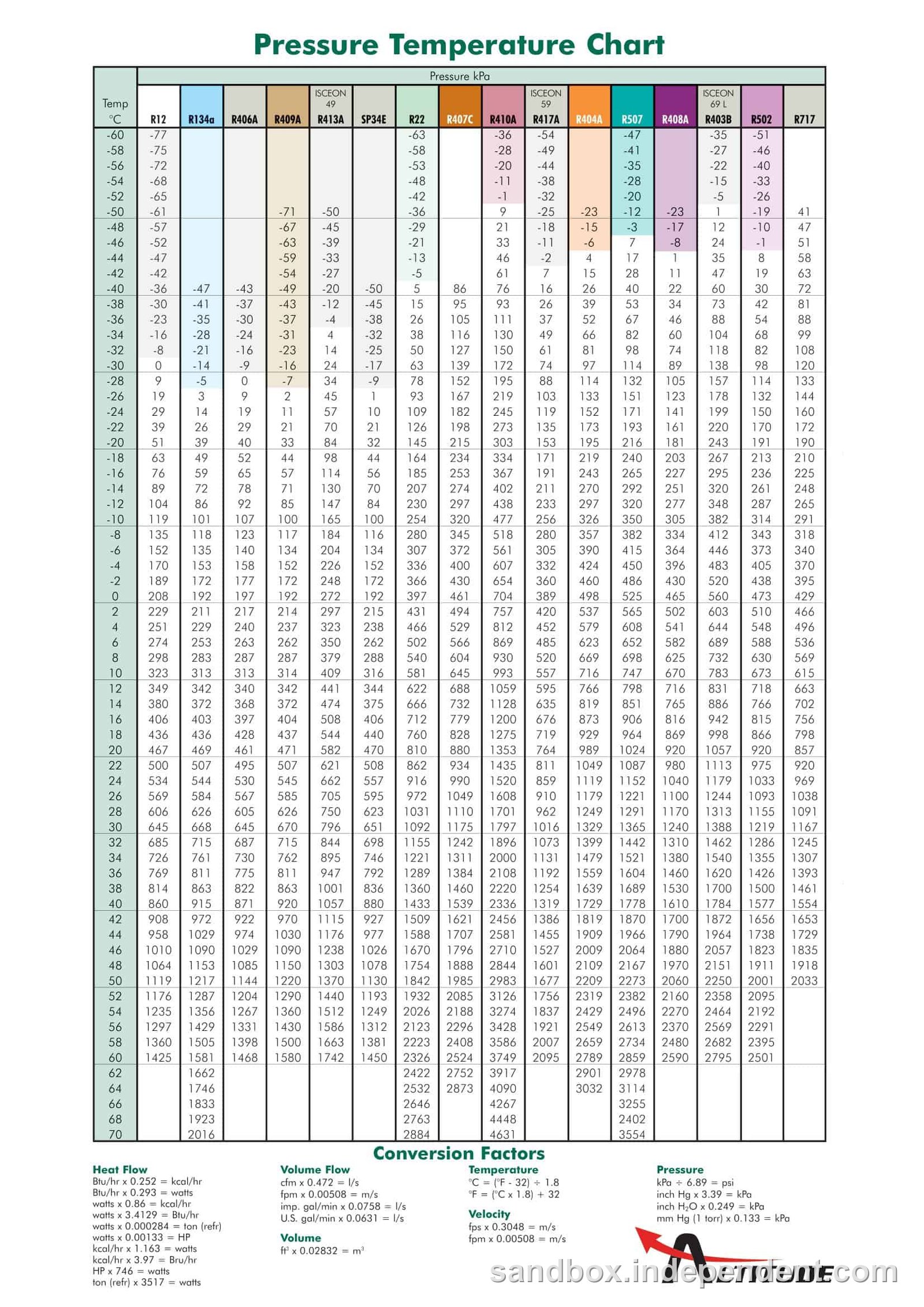
Many people approach my virtua chart with a misconception that it's a complex and intimidating tool, but it's quite the opposite. "My virtua chart" is a straightforward and incredibly useful resource, designed to provide an instant snapshot of information. It offers a simple and visual way to understand and compare data, making it an efficient reference for anyone seeking quick insights. This chart, or virtual reference table, is an accessible guide, and its versatility is often an unexpected benefit.
An Overview of My Virtua Chart
My Virtua Chart is a versatile and practical tool, offering a visual representation of various measurements and conversions. It serves as a quick reference guide for everyday use, providing an easy way to navigate and understand different units and their relationships. This chart is an invaluable resource for anyone seeking accurate and efficient conversions.
Comparing Standards and Formats
The beauty of My Virtua Chart lies in its ability to accommodate multiple standards. Whether you're working with the imperial system or metric units, the chart adapts to your needs. It presents conversions for length, weight, volume, and temperature, ensuring you can easily switch between different measurement systems. The chart's flexibility makes it an essential tool for international use, where multiple standards often coexist.
Step-by-Step Guide to Using My Virtua Chart
Using My Virtua Chart is straightforward. First, identify the unit you want to convert from. Locate this unit on the chart, and follow the row or column to find the equivalent value in the desired unit. For instance, if you're converting inches to centimeters, find the "inches" row and follow it to the "cm" column. The intersection gives you the accurate conversion.
- Start by identifying the unit you wish to convert from.
- Locate this unit on the chart, typically along the left side or top.
- Follow the row or column associated with your unit to the desired unit.
- The intersection provides the accurate conversion value.
- Repeat for any additional conversions needed.
Variations and Common Misreadings
While My Virtua Chart is a reliable tool, it's essential to be aware of potential variations. Different industries or regions may have specific tolerances or standards, so always double-check critical applications. - Common mistakes include misreading decimal places or assuming a single chart covers all variations. - Always refer to the chart's key or legend for any specific notes or exceptions. - Stay vigilant, especially when dealing with precise measurements, to ensure accurate conversions.
Your Virtua Chart is a handy tool, offering a quick and practical solution for your reference needs. With its clear structure, you can easily navigate and find the information you require.
Remember, while this guide provides a solid framework, it's essential to consider your unique circumstances. Exact values and details may vary, so a quick check of your specific context will ensure you're on the right track. It's always a good idea to have this page bookmarked for future reference; a simple and efficient way to keep your projects organized and on course.
Related: What is a Flange Bolt Chart?
A common pitfall when working with flange bolt charts is assuming they are universal and consistent across industries. In reality, these charts can vary based on factors like standards, regions, and specific applications. It's essential to understand that a flange bolt chart is a tailored tool, providing precise information for a particular context.
These charts offer a quick reference for flange bolt dimensions, including sizes, strengths, and markings. While the format may differ, the purpose remains the same: to ensure accurate selection and application of flange bolts, a critical component in many industries.
Understanding the Flange Bolt Chart
The flange bolt chart is a valuable reference tool for anyone working with flange connections. It provides a quick and practical guide to selecting the right bolts for your project. This chart offers a visual representation of various bolt sizes, strengths, and specifications, ensuring accurate choices for your application.
Comparing Standards and Formats
Different standards and regions may have variations in flange bolt charts. For instance, the metric bolt chart follows international standards, while the ANSI B18.2.1 is specific to the US. These charts detail bolt dimensions, including head size, shank length, and thread pitch, ensuring compatibility with flange dimensions. Additionally, bolt strength is indicated by markings on the head, following standards like SAE J429.
Applying the Flange Bolt Chart: A Step-by-Step Guide
To use the flange bolt chart effectively, follow these steps:
- Identify the flange size and type you are working with. This information is crucial for selecting the correct bolt.
- Refer to the chart and locate the corresponding flange size. Each flange size will have a range of recommended bolt sizes and strengths.
- Choose the bolt size that best fits your application, considering factors like load capacity and space constraints.
- Check the bolt head markings to ensure you select bolts with the appropriate strength rating.
- Confirm the thread pitch and length of the bolts to ensure they match the flange's thread and provide sufficient grip.
Common Misreadings and Pitfalls
While the flange bolt chart is a precise tool, misreadings can occur. Here are some common pitfalls:
- Failing to consider the specific standard or region's chart: Different standards may have variations in dimensions and markings. Always use the correct chart for your application.
- Neglecting to check bolt head markings: These markings indicate bolt strength and must match your requirements.
- Assuming all charts are universal: While charts provide general guidelines, some applications may require specific bolt dimensions or strengths. Always double-check exact specifications, especially for critical applications.
Key factors to consider:
- Flange size and type
- Bolt size and strength
- Thread pitch and length
- Specific application requirements
By following these guidelines and being mindful of potential variations, you can accurately utilize the flange bolt chart for your projects.
Remember, while this guide offers a comprehensive overview, the exact details may differ slightly depending on your specific needs and the standards you follow. It's always a good idea to refer to the latest editions of the relevant standards and consult with experts when making critical decisions.
Feel free to explore our other guides for more practical insights and tips. We've got a range of topics covered, so you can find the information you need to tackle various projects with confidence. Happy learning and exploring!
Related: Field Construction Manager Essential Guide
I'm thinking of doing some home improvements, and I've been hearing a lot about field construction managers. Who are these people, and what do they do exactly? I want to know if I need one for my project and what to expect.
The Role of a Field Construction Manager
A field construction manager is a vital part of any construction project, big or small. They're the ones on the ground, overseeing the day-to-day operations and making sure everything runs smoothly. These managers ensure the job stays on track, on budget, and up to standard. They coordinate with contractors, workers, and suppliers to keep the project moving forward.
The field construction manager's role is critical, especially for larger projects or those with tight deadlines. They're the go-to person for any issues that arise, from material delays to unexpected structural challenges. Their job is to find solutions and keep the project from derailing.
Hiring a Field Construction Manager
When it comes to hiring a field construction manager, it's important to do your research. Check their qualifications, experience, and references. You want someone with a proven track record of successful project management. Ask about their approach to problem-solving and how they handle unexpected issues.
Get a few quotes and compare them. While price is a factor, it's not the only one. Look at the overall value they offer. A good field construction manager should provide a detailed proposal outlining their services, timeline, and any potential risks or challenges they foresee.
Company Names and the Industry
Naming a construction company can be tricky. You want something memorable and unique, but it also needs to reflect your business and services. Some successful construction company names combine a personal touch with a nod to the industry, like "Build-It-Right" or "Hammer and Nail Pros."
Other companies opt for a more creative approach, like "Renovation Revolution" or "Constructive Solutions." The key is to ensure the name is available for use and to check domain and local registration before committing.
Jobs and the Construction Industry
The construction industry offers a range of roles, from field construction managers to estimators, project coordinators, and skilled tradespeople. Each role has its own set of challenges and rewards.
Field construction managers, for example, often work long hours and need to be on-site regularly. They need strong organizational skills, the ability to think on their feet, and excellent communication. It's a demanding but rewarding career, and many find the satisfaction of seeing a project through from start to finish a huge motivator.
Tools of the Trade
In the construction industry, tools like RSMeans can be a huge help. RSMeans is a cost database and estimating tool used by many in the industry. It provides valuable data on construction costs, helping managers and estimators create accurate budgets and quotes.
While tools like RSMeans are great resources, they're just one part of the picture. The construction industry is constantly evolving, and staying up-to-date with the latest tools, techniques, and trends is key to success.
The Big Picture
The construction industry is diverse, with companies of all sizes. Larger firms often have the resources to take on bigger, more complex projects, but that doesn't mean smaller companies can't compete.
Smaller construction companies may have a more personal, hands-on approach, which can be appealing to certain clients. It's all about finding the right fit for your project and your needs.
Wrapping Up
So, there you have it. A field construction manager is a vital role in any construction project. They keep things running smoothly and ensure the job is done right. If you're considering a construction project, it's worth considering hiring one. Do your research, get quotes, and find the right fit for your needs. It could make all the difference in the success of your project.