Thread Size Chart A4 Overview
A common misconception about tooth shade charts is that they are complex and intimidating tools, reserved only for dental professionals. However, these charts are designed to be accessible and practical, offering a simple visual reference for anyone seeking to understand tooth shades accurately. The tooth shade chart, whether in the form of a guide or a scale, provides a clear and organized way to identify and match tooth colors, and it's an essential tool for various dental procedures and aesthetic treatments.
A Practical Guide to Tooth Shade Charts
Tooth shade charts are essential tools for dental professionals and technicians, offering a standardized way to assess and communicate tooth color. These charts provide a reference point for various dental procedures, ensuring accurate shade matching and aesthetic outcomes.
Comparing Standard Shade Guides
The most widely recognized tooth shade guide is the Vitapan 3D-Master Shade Guide. This guide features a systematic arrangement of shades, typically organized in a step-like structure, with each step representing a different shade range. Other popular systems include the Tabulation of Tooth Color and the Dental Shade Guide, which offer similar shade categorization but may vary in their specific numbering or labeling systems.
Practical Shade Matching Process
Using a tooth shade chart accurately involves a straightforward process:
- Prepare the teeth: Ensure the teeth are clean and dry, free from any debris or moisture.
- Lighting conditions: Standardize lighting to ensure consistent and accurate shade assessment. Natural daylight or specialized dental lighting systems are often recommended.
- Select the guide: Choose the appropriate shade guide based on the specific dental procedure and the patient's needs.
- Compare and match: Hold the guide next to the teeth and compare the shades. Look for the closest match, considering both the overall color and any subtle variations.
- Record the shade: Note the shade code or name from the guide for future reference and communication.
- Verify and confirm: Double-check the shade with the patient and ensure it aligns with their expectations and preferences.
Avoiding Misinterpretations and Pitfalls
While tooth shade charts are valuable, misinterpretations can occur. Here are some common pitfalls and how to avoid them:
- Lighting: Inconsistent lighting can lead to incorrect shade assessments. Always ensure proper lighting conditions to maintain accuracy.
- Teeth preparation: Poorly prepared teeth, with residual stains or moisture, can affect shade matching. Proper cleaning and drying are essential.
- Chart variations: Different shade guides may have slight variations in their shade ranges and labeling. Always refer to the specific guide's instructions and double-check the shade codes.
- Individual variations: Keep in mind that tooth color can vary due to factors like age, genetics, and oral health. Be mindful of these variations and communicate them clearly.
- Environmental factors: External factors like lighting conditions and the patient's overall complexion can influence shade perception. Take these into account during the matching process.
By following these guidelines and being aware of potential pitfalls, dental professionals can utilize tooth shade charts effectively, ensuring precise shade matching and enhancing the overall patient experience.
Using a tooth shade chart is a straightforward process, but it's important to remember that the exact values and shades can vary slightly, so always refer to the specific standard or source you're working with. Double-check the details and ensure you're using the right guide for your needs.
Feel free to explore our other guides and resources; we've got plenty of practical information to help you navigate various topics. It's always a good idea to expand your knowledge and stay informed!
Related: A Simple Guide to Understanding CKD Stages Chart
You've landed on this page, likely with a specific goal in mind: to understand and utilize the ckd stages chart effectively. This chart is your go-to reference, a simple yet powerful tool to grasp kidney health and its progression. It's a straightforward guide, offering insights into the kidney disease staging system, which can vary slightly depending on your region and specific context.
A Quick Overview of the CKD Stages Chart
The ckd stages chart is a valuable tool for understanding kidney health and the progression of kidney disease. It provides a clear visual representation of the different stages of chronic kidney disease (CKD), helping patients and healthcare professionals monitor and manage kidney function.
Interpreting the CKD Stages Chart: Key Categories
The chart typically uses a simple scale, often from 1 to 5, to represent the stages of CKD. Each stage corresponds to a specific range of kidney function, with Stage 1 indicating the highest level of kidney function and Stage 5 representing kidney failure. This classification system is based on the glomerular filtration rate (GFR), a key indicator of kidney health.
Step-by-Step Guide to Using the CKD Stages Chart
- Locate your GFR value: This is a crucial step. Your GFR is a measure of how efficiently your kidneys are filtering waste from your blood. It is typically provided by your healthcare provider.
- Identify the stage: Match your GFR to the corresponding stage on the chart. For example, a GFR of 60-89 would be Stage 2.
- Understand the implications: Each stage has specific characteristics and treatment considerations. Stage 1 and 2 often require monitoring and lifestyle adjustments, while later stages may involve more intensive medical interventions.
Common Misunderstandings and How to Avoid Them
One common mistake is assuming that the chart is a one-size-fits-all tool. It's important to remember that individual experiences with CKD can vary greatly. Factors like age, overall health, and other medical conditions can influence kidney function and the progression of CKD. Therefore, it's essential to consult with healthcare professionals for personalized guidance. Additionally, the chart may use different scales or categories depending on the specific CKD classification system being followed. Always confirm the standard being used to ensure accurate interpretation.
Hey there! I hope this guide has given you a clear understanding of the ckd stages chart and its practical use. Remember, while the basics remain the same, the exact details might differ slightly, so always refer to the most relevant and up-to-date sources for your specific needs.
Feel free to explore our other guides; we've got a bunch of helpful resources on various topics that might interest you. Happy reading and learning!
Related: What is the DMC Color Chart All About?
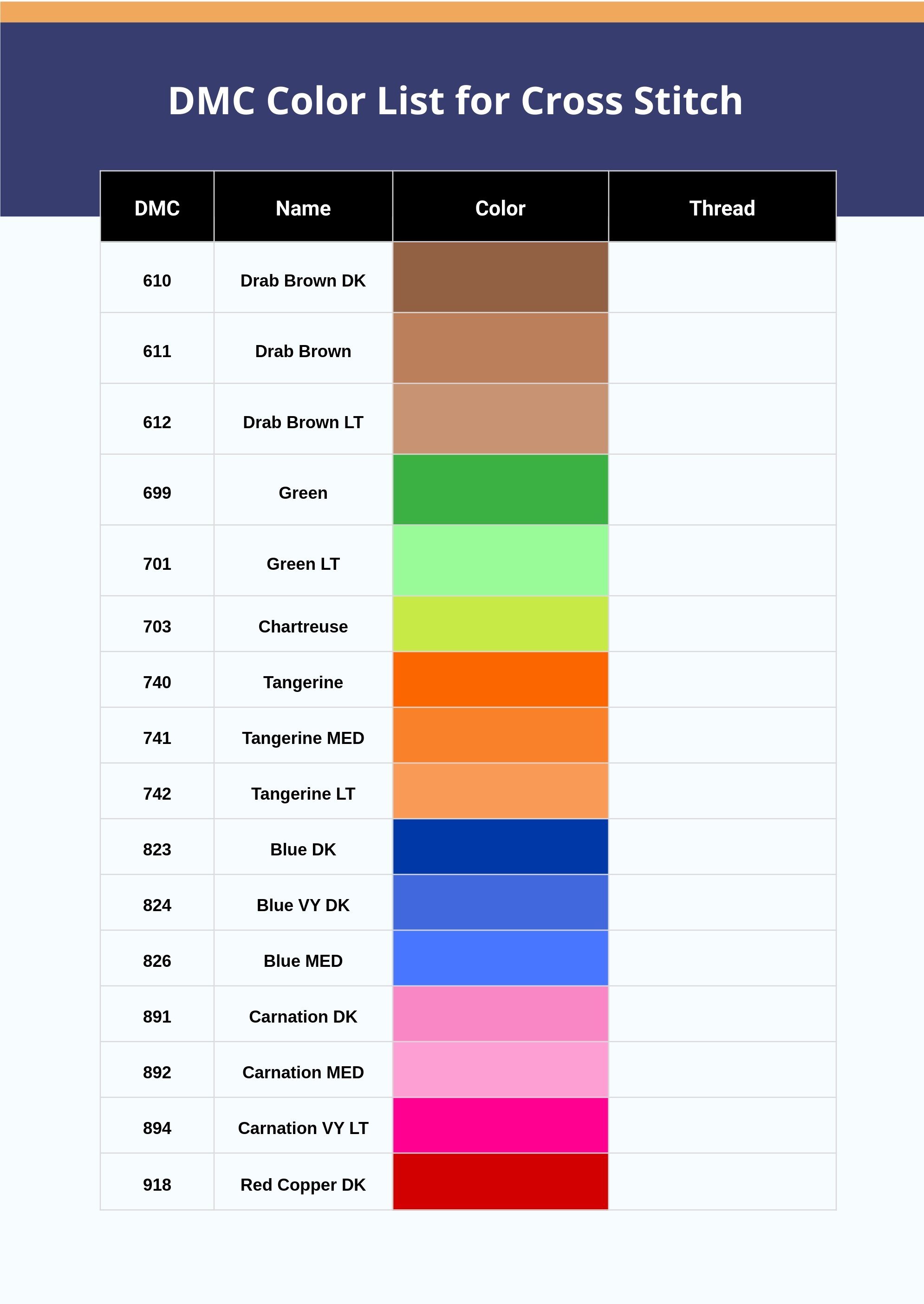
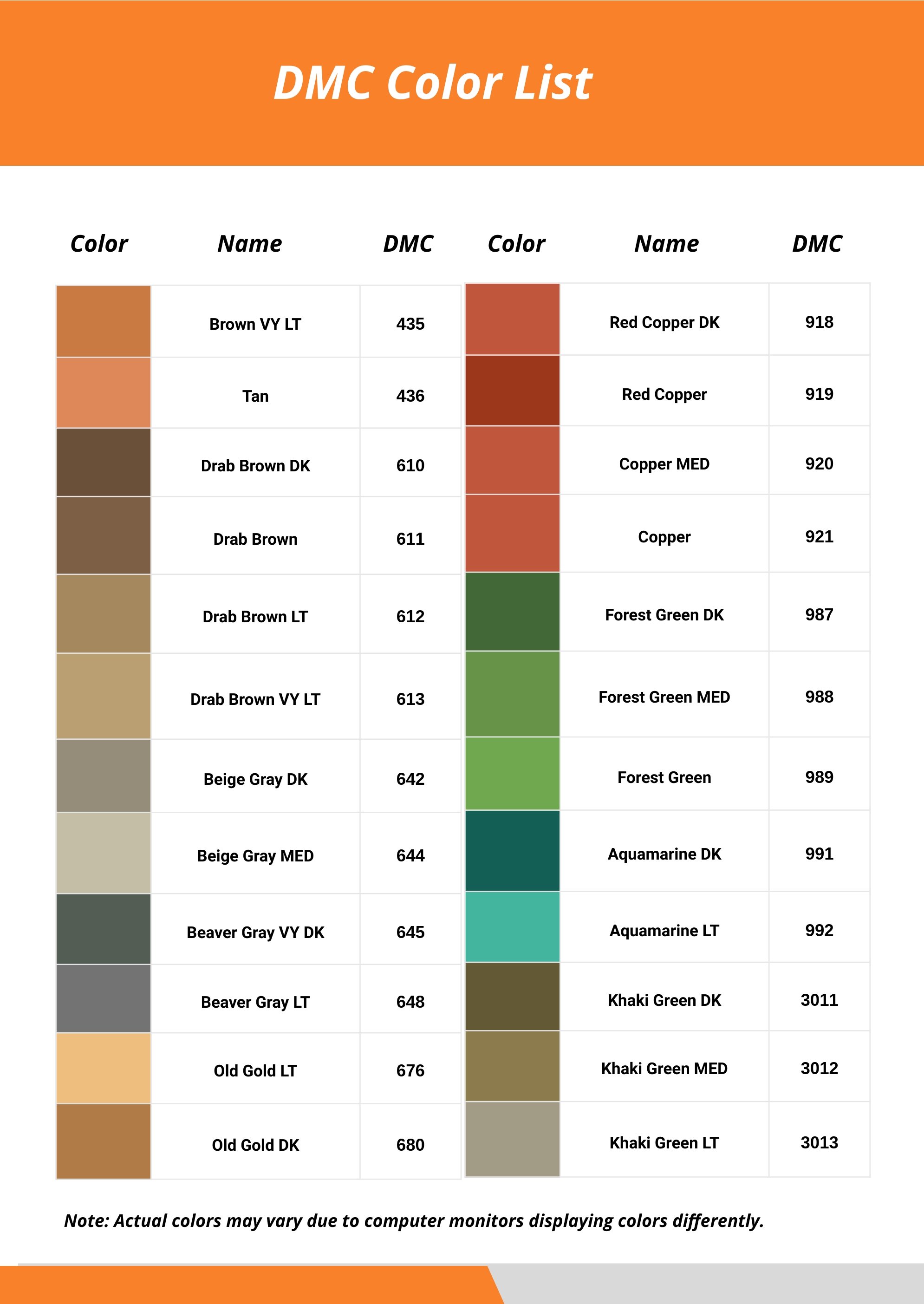
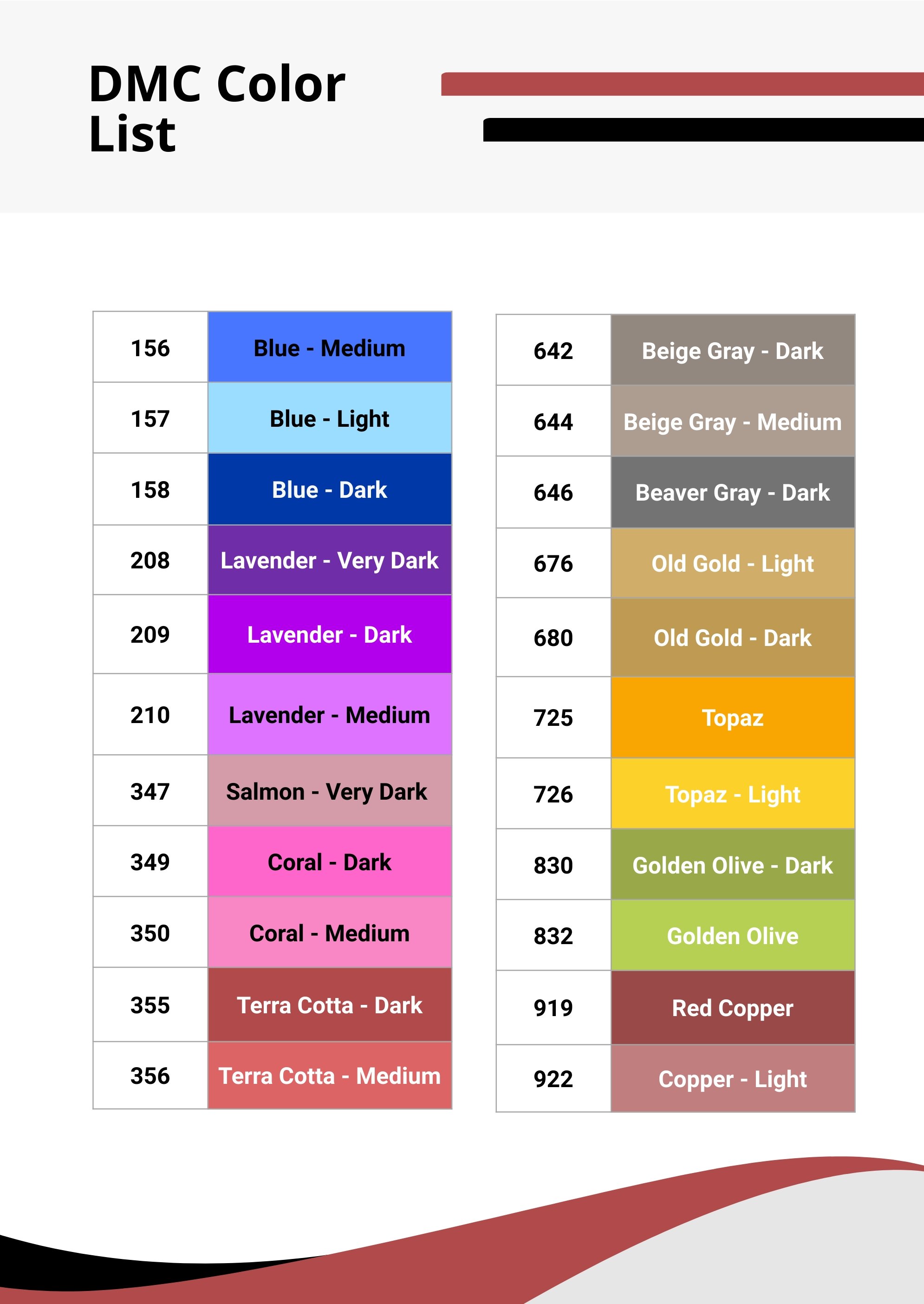
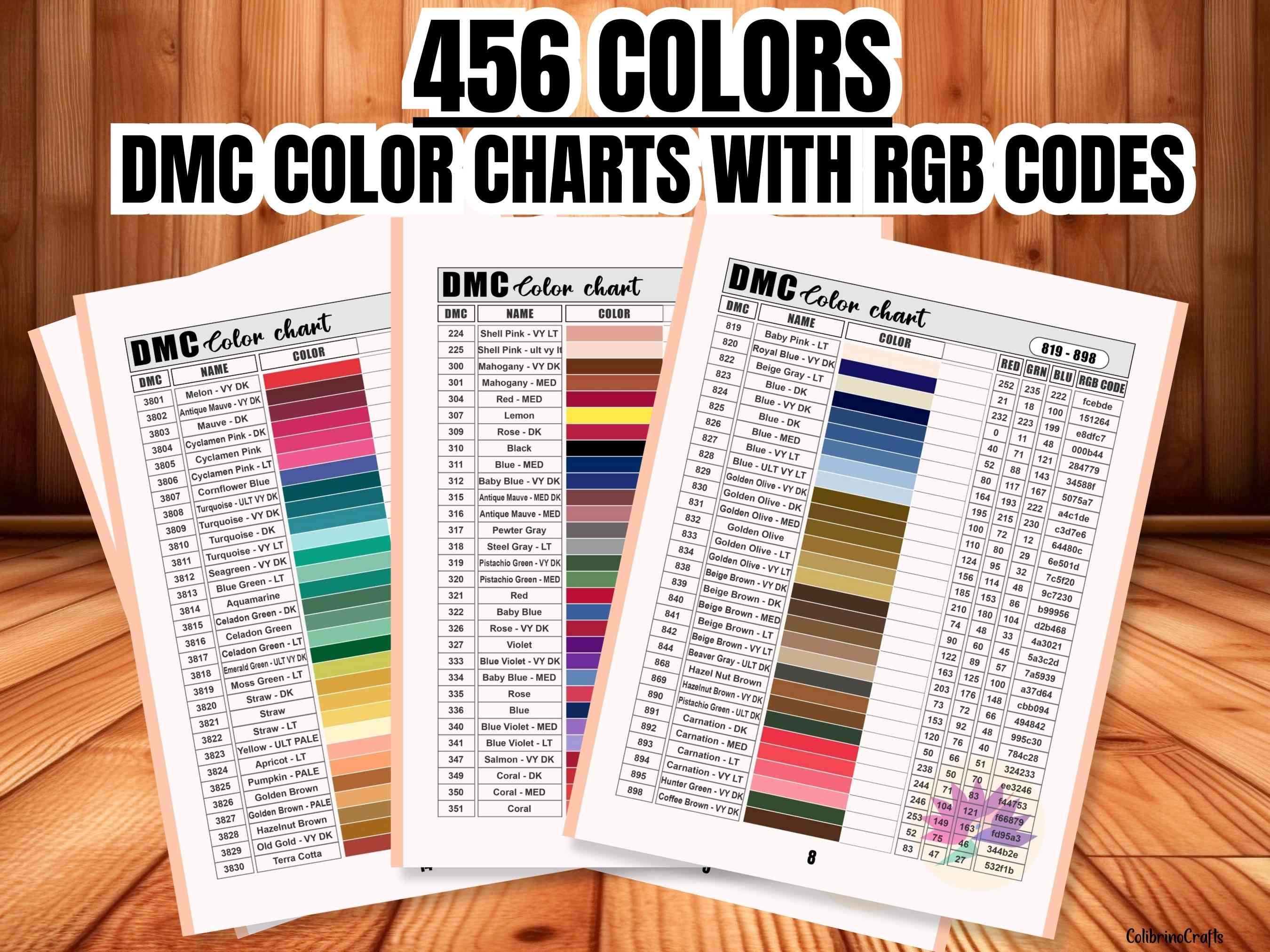
You're likely here because you need a reliable dmc color chart to guide your creative project, be it embroidery, cross-stitch, or another craft. This chart is a crucial tool, offering a clear and organized display of colors, often in the form of a thread or floss color guide. With various formats and standards, it's essential to find the right reference for your specific needs, ensuring an accurate and satisfying result.
Understanding the DMC Color Chart
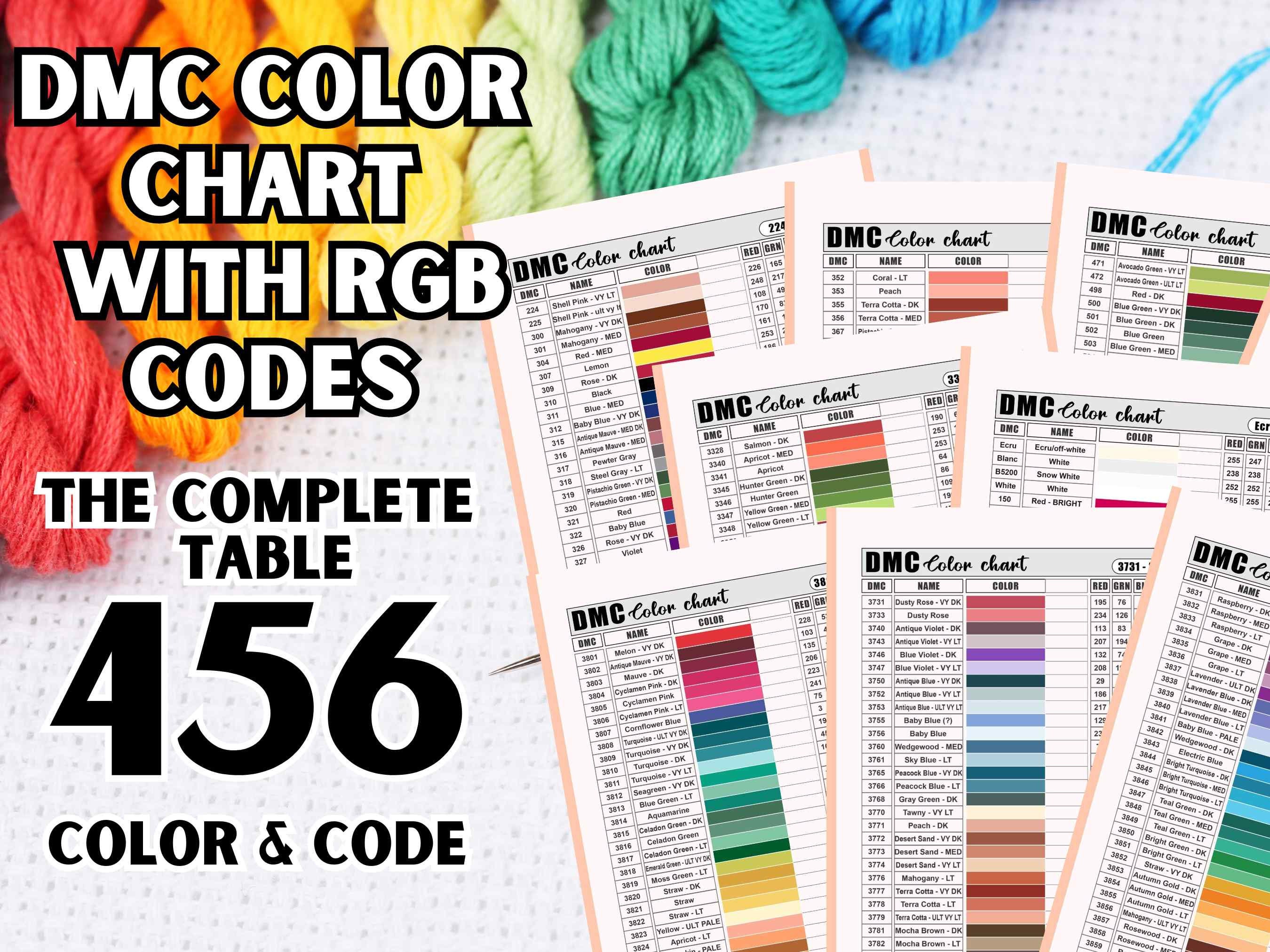
The DMC color chart is an essential tool for embroidery enthusiasts and professionals. It serves as a comprehensive guide to the vast range of DMC thread colors, providing a visual reference and accurate color codes. This chart is your key to unlocking the full potential of DMC embroidery threads.
Comparing Color Standards and Formats
DMC offers a standardized color system, ensuring consistency across their thread range. The chart typically displays a color swatch with its corresponding DMC color code. These codes are unique identifiers, allowing you to easily specify and match colors accurately.
Step-by-Step Guide to Using the DMC Color Chart
- Begin by identifying the color you wish to use. Look for the desired shade on the chart, which is usually organized by color family.
- Once you've located the color, note its DMC color code. This code is essential for referencing and ordering the correct thread.
- Use the chart as a guide when selecting threads for your embroidery projects. It ensures you achieve the intended color scheme and maintain consistency.
Avoiding Common Misreadings
It's important to note that lighting conditions can affect how colors appear. Ensure you view the chart in natural light to get an accurate representation of the shades. Additionally, be mindful of the difference between on-screen colors and physical thread colors, as screens may not always display true-to-life shades.
Factors Affecting Accuracy
Several factors can influence the accuracy of color representation on the DMC color chart. These include the type of paper or fabric used for the swatches, as well as the printing process. It's advisable to cross-reference colors with actual thread samples whenever possible to ensure precise color matching.
Choosing the Right Format
DMC provides various formats of their color chart to cater to different needs. You can opt for a physical color card, which is portable and convenient for on-the-go reference. Alternatively, digital versions are available for easy access on your device. Consider your preferred method of reference and choose the format that suits your embroidery workflow.
Maintaining Reliability for Future Projects
To ensure the longevity and reliability of your DMC color chart, handle it with care. Keep it away from direct sunlight and moisture to prevent fading or damage. Regularly update your chart to the latest version, as DMC may introduce new colors or make adjustments to their color range. By doing so, you'll always have an accurate and up-to-date reference for your embroidery endeavors.
Remember, the specifics of your DMC color chart may differ slightly, so it's always good to refer back to this guide for a quick refresh. Exact values can vary, so it's best to have your trusted reference at hand.
Feel free to bookmark this page for future use, and check out our other guides for more practical tips and insights. We aim to provide clear, concise information, so you can navigate these topics with ease. Happy crafting!