



Tide Chart In Ri Letter Size Overview
An army ribbons chart is a handy tool for anyone wanting to quickly identify and understand military awards and decorations. This guide will give you a simple breakdown of what these charts are and how they work, covering the basics you need to know.
These charts, often referred to as an army awards chart or military ribbon rack, provide a visual representation of the various service ribbons and medals. While the specific values and formats may vary, they offer a clear and concise way to display and organize these awards, ensuring an accurate and efficient reference.
Understanding Army Ribbons Chart
An army ribbons chart is a visual guide that displays the various awards and decorations earned by military personnel. It provides a clear and organized way to showcase an individual's achievements and honors. This chart is an essential tool for understanding and appreciating the recognition given to service members.
Key Details and Categories
The chart typically includes different types of ribbons, each representing a specific award or decoration. These ribbons are arranged in a specific order, known as the "award and decoration order." The order is crucial as it indicates the seniority and importance of each award. Common ribbon categories include service ribbons, campaign ribbons, and achievement medals. Each ribbon has its own unique design and color scheme, making it easy to identify.
Reading the Rack: A Step-by-Step Guide
When reading an army ribbons chart, pay attention to the placement and arrangement of the ribbons. The chart often follows a standard format, with ribbons displayed in rows or columns. Start by identifying the top row, which usually represents the highest-ranking awards. Work your way down, noting the different ribbons and their positions. Each ribbon's position indicates its order of precedence, with the most prestigious awards placed higher.
Variations and Differences
It's important to note that army ribbons charts can vary depending on the military branch and the specific standards followed. Different countries and regions may have their own unique award systems and ribbon designs. Additionally, within the same military branch, variations can occur due to changes in regulations or the introduction of new awards. Common factors that cause variations include the individual's service record, unit-specific awards, and the time period in which the awards were earned.
To ensure accuracy, it's recommended to refer to official sources and guidelines provided by the relevant military branch. These sources will provide detailed information on the correct placement and order of ribbons, ensuring an accurate and respectful display. Remember, the army awards chart is a dynamic representation of an individual's achievements, and understanding these variations is key to interpreting it correctly.
Well, there you have it! A handy chart to keep close by for all your army ribbon queries. Remember, these are general guidelines, and it's always wise to confirm the specifics for your particular situation.
Feel free to explore our other resources on similar topics. We've got a bunch of guides and references to help you navigate these details with ease. Happy learning!
Related: How to Read an SB Tide Chart?
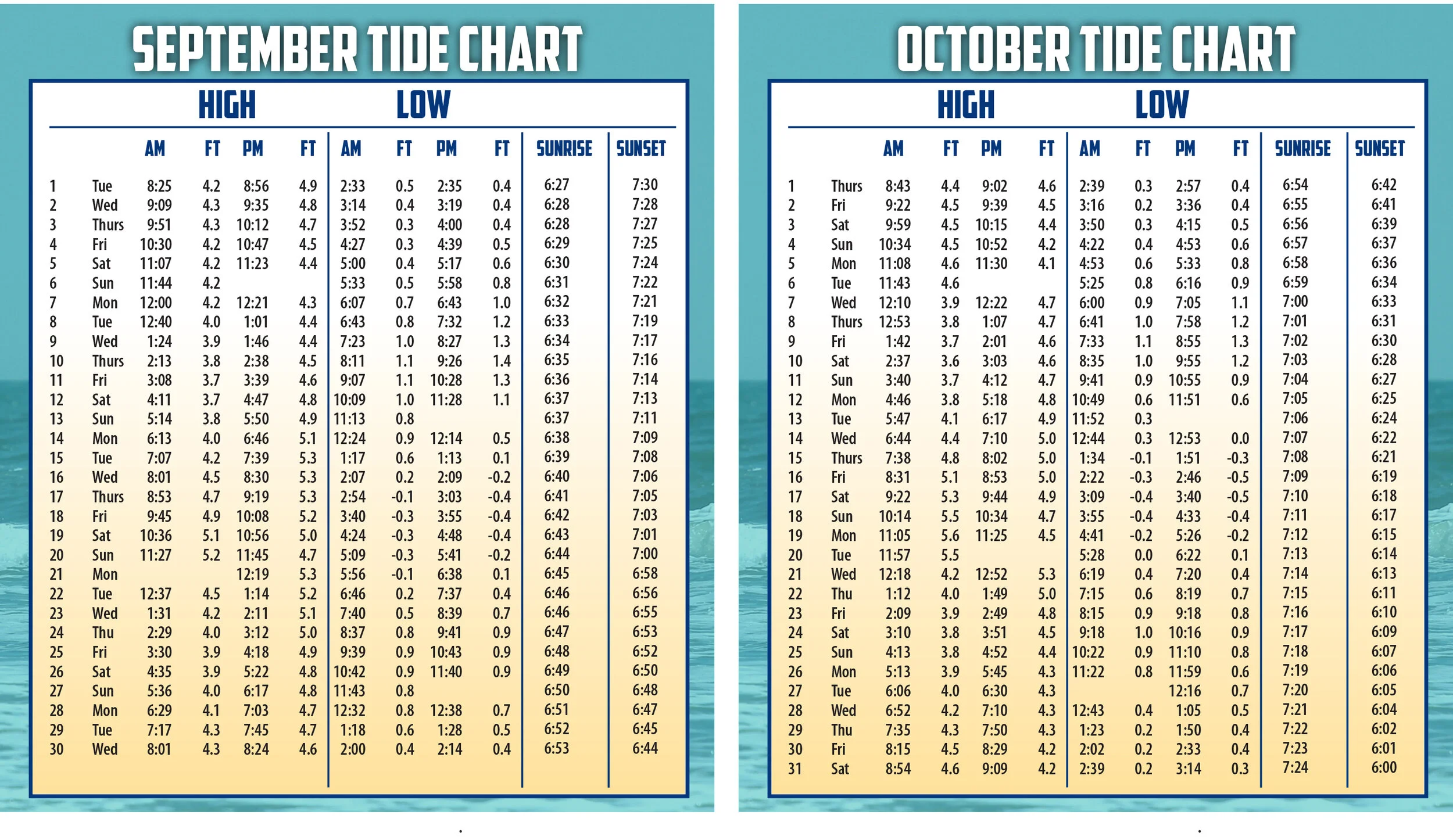
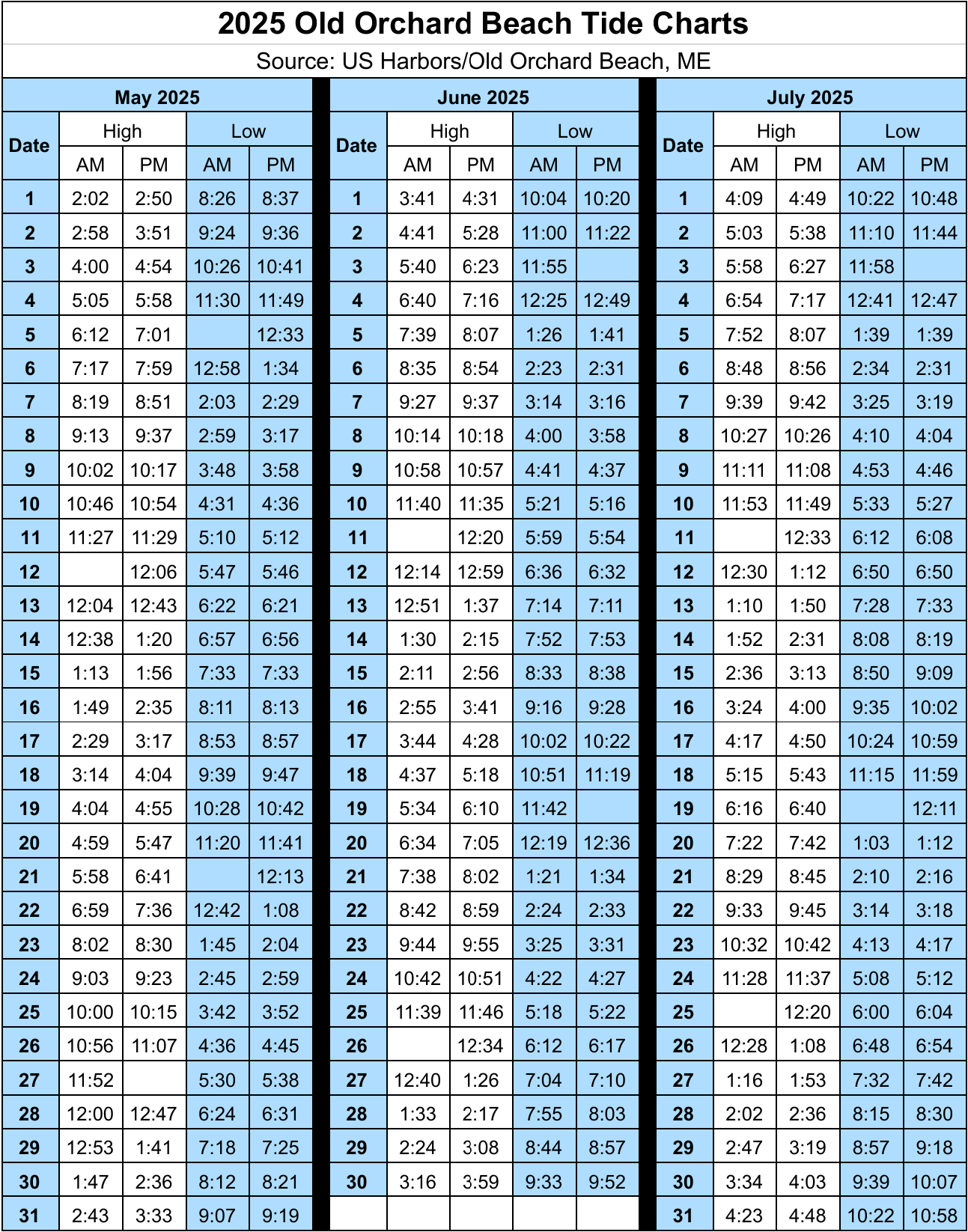
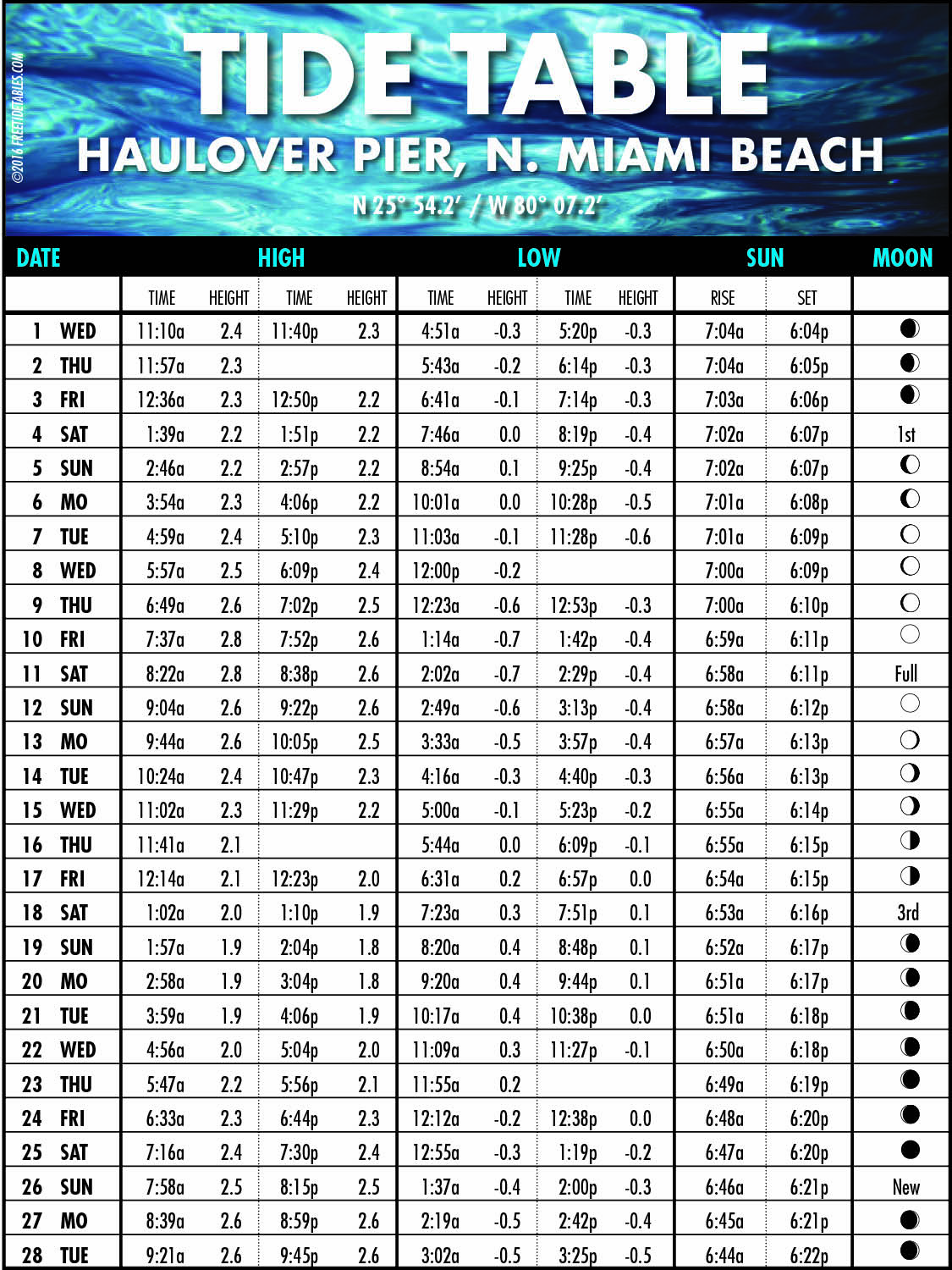
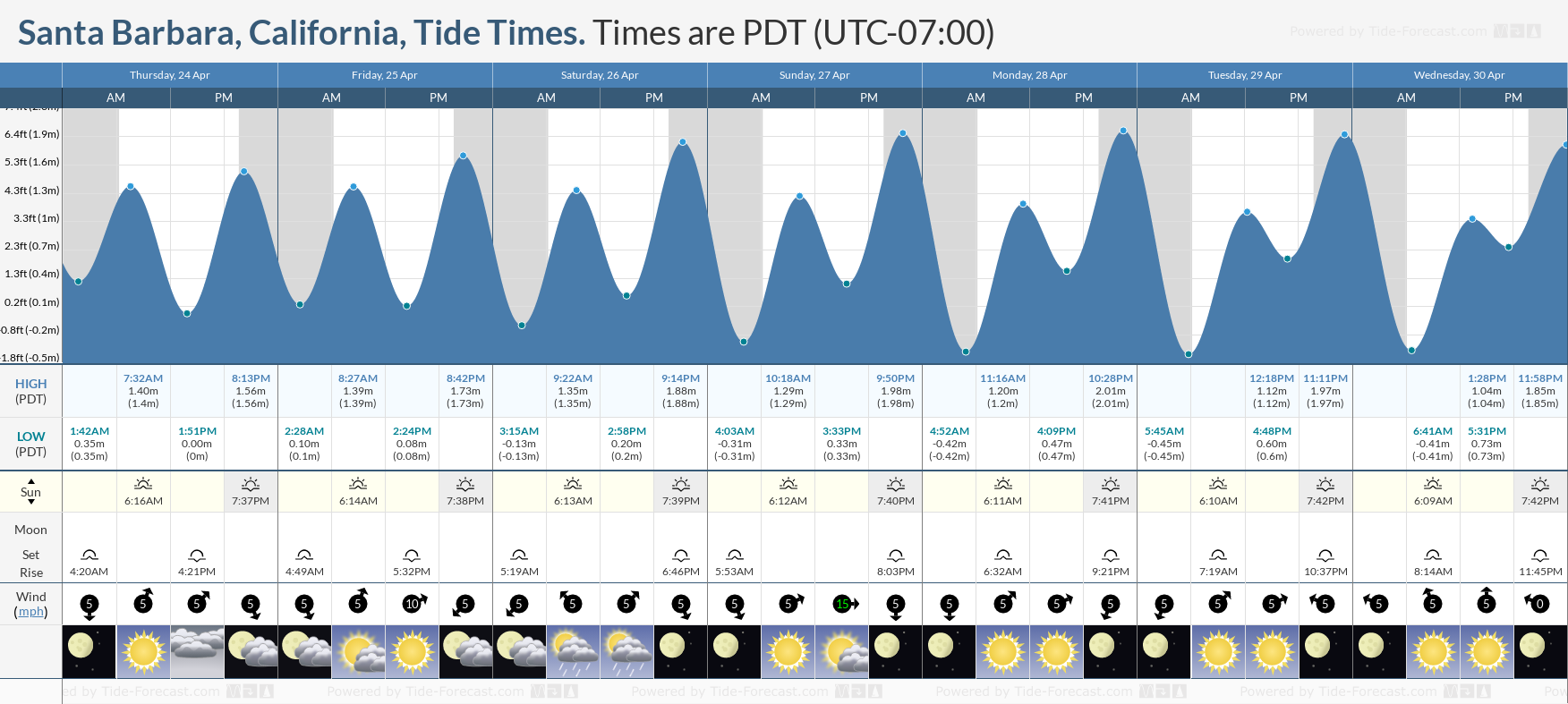
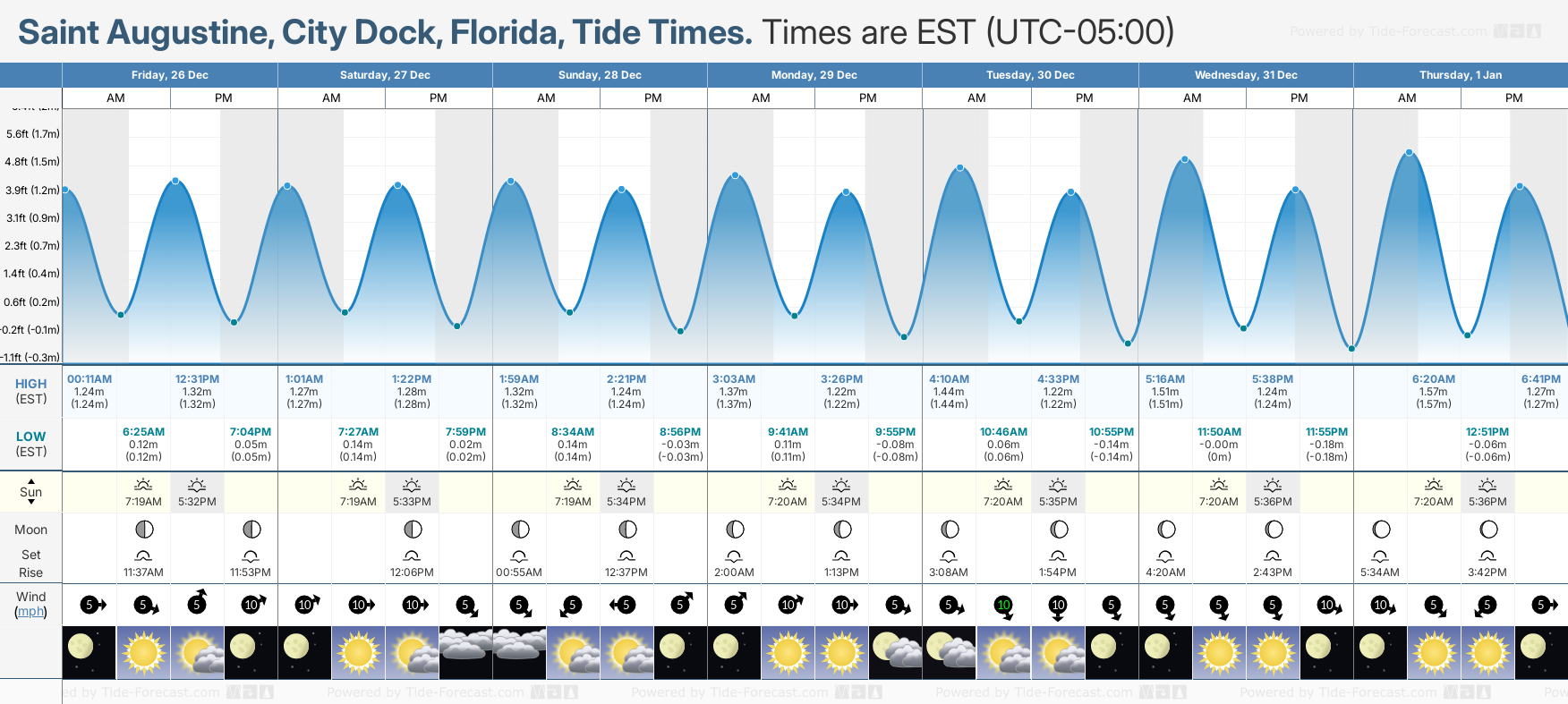
An sb tide chart is a valuable tool for anyone seeking accurate water level information. This simple yet powerful reference guide offers a quick glimpse into the ever-changing coastal environment.
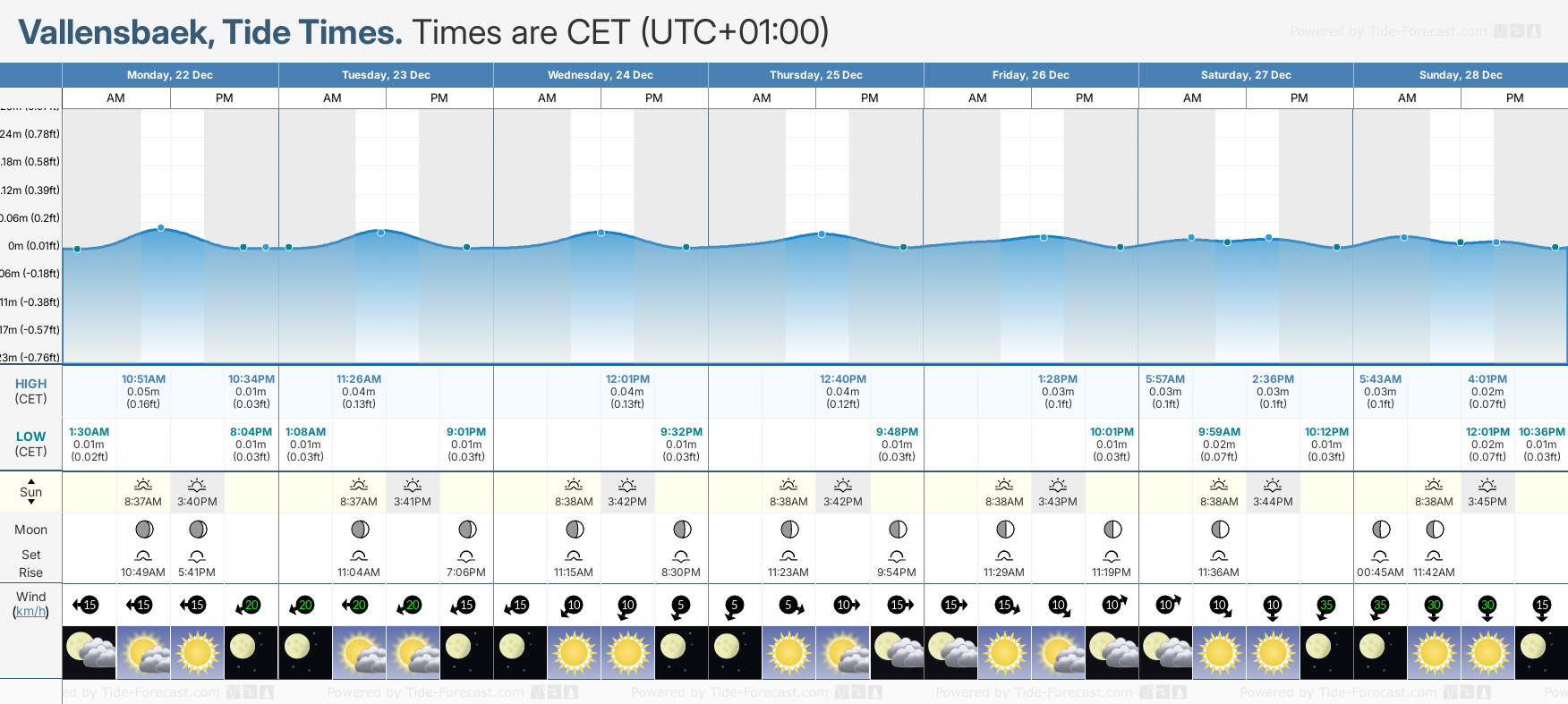
The chart provides a visual representation of tidal patterns, offering a clear understanding of sb tide times and current flow. While the specific values and formats may vary depending on your region and local standards, the sb tide chart remains a reliable companion for marine navigation and coastal activities.
Understanding the SB Tide Chart: A Practical Guide
The sb tide chart is a valuable tool for anyone interested in marine navigation and coastal activities. It provides essential information about tidal patterns and water levels, helping you plan your activities safely and efficiently. This reference guide will explain what the chart reveals, how to interpret its data, and how to apply it in real-world situations.
Comparing Tide Chart Formats: Standardized vs. Localized
Tide charts can vary depending on the region and the specific standards used. While the general concept remains the same, the measurements and categories may differ. For instance, some charts use the US customary system, while others follow international metric standards. It's crucial to ensure you are using the correct chart for your location and purpose.
Step-by-Step Guide to Reading the SB Tide Chart
When interpreting an sb tide chart, follow these steps:
Identify the Location: Ensure the chart covers the specific area you are interested in. Different charts may be required for various coastal regions.
Understand the Timeframe: The chart provides data for a specific period, often covering several days. Pay attention to the time intervals and ensure they align with your planned activities.
Read the Tide Heights: The primary information on the chart is the tide height, usually measured in feet or meters. It indicates the water level at a given time. Look for the high and low tide marks, as these are critical for planning.
Consider Current Flow: Some charts also provide information on current flow, which is essential for activities like boating or kayaking. Understand the direction and strength of the current to plan your route effectively.
Note Tidal Patterns: The chart will show you the regular patterns of tides, helping you predict future trends. Look for any anomalies or unusual patterns that may impact your plans.
Common Misinterpretations and How to Avoid Them
While the sb tide chart is a reliable tool, there are a few potential pitfalls to be aware of:
Misreading Time Intervals: Ensure you understand the time scale on the chart. Mistakes here can lead to significant errors in planning.
Ignoring Local Variations: Tidal patterns can vary even within a small region. Always double-check the specific conditions for your location, especially if you are in an area with complex coastal geography.
Assuming Standard Measurements: As mentioned, charts may use different measurement systems. Always verify the units and convert if necessary to avoid confusion.
Neglecting Weather Impact: Weather conditions can significantly affect tides. Always check the weather forecast and consider its potential impact on water levels and currents.
By following these guidelines and staying vigilant, you can accurately interpret the sb tide chart and make informed decisions for your marine activities.
Remember, while the fundamentals remain consistent, the exact details can differ slightly based on your specific needs and the source you're referring to. It's always a good idea to double-check and adapt as necessary.
Feel free to explore our other guides for more practical insights and tips. We've got a range of topics covered, so you can dive deeper into any area that piques your interest. Happy reading and learning!
Related: How to Read an Infant Shoe Chart?
You're probably here because you need to find the right shoe size for your little one, and you're right to turn to the infant shoe chart for guidance. It's a simple yet effective tool, a quick reference guide that takes the guesswork out of buying shoes for babies and toddlers. With various standards and measurements, the chart ensures you get the perfect fit, and it's a handy resource to have when you're in a rush or shopping online.
Understanding the Infant Shoe Chart
The infant shoe chart is your go-to guide for finding the perfect shoe size for your little one. It's a simple yet effective tool that ensures your baby's shoes fit comfortably and safely. This chart is a reference point, a map to navigate the world of tiny shoe sizes!
Key Details and Categories
Let's break down the basics. The infant shoe chart typically displays two main categories: shoe size and foot length. Shoe sizes are often represented by numbers or letters, depending on the standard you're using. For example, US infant shoe sizes might use numbers like 1, 2, or 3, while European shoe sizes might use letters like 16, 17, or 18. Alongside these sizes, you'll find the corresponding foot length, usually measured in centimeters (cm). This length represents the ideal foot size for that particular shoe size.
Step-by-Step Guide: Reading the Chart
Here's a simple guide to reading and using the infant shoe chart:
Measure your baby's foot length accurately. You can do this by placing their foot on a flat surface and measuring from the heel to the tip of their big toe.
Convert this measurement to centimeters if it's not already.
Locate the measured foot length on the chart.
Find the corresponding shoe size. This is the recommended size for your baby's foot.
If you're between sizes, it's generally better to go up to the next size to ensure comfort and allow room for growth.
Size Variations and Differences
It's important to note that shoe size charts can vary slightly depending on the brand or manufacturer. Some brands might have slightly different standards or measurements, especially when it comes to the width of the shoe. Additionally, regional differences can also impact the chart's measurements. For instance, US infant shoe sizes might differ slightly from international or metric standards. Always double-check the specific brand's or region's guidelines to ensure an accurate fit.
Common Mistakes and How to Avoid Them
One common mistake is assuming that all shoe size charts are the same. As mentioned, variations exist, so it's crucial to refer to the right chart for the brand or region you're shopping in. Another mistake is not measuring your baby's foot accurately. Ensure you get an exact measurement, as even a small difference can impact the fit. Finally, don't forget to consider the width of your baby's foot. Some brands offer different widths for the same length, so pay attention to this detail to ensure a comfortable fit.
Practical Tips for Accurate Sizing
When using the infant shoe chart, keep these tips in mind:
Measure your baby's feet regularly, especially during their first year, as they grow rapidly.
Always allow some room for growth. A slightly larger size is better than a tight fit.
Consider the type of shoe and its intended use. For example, boots might require a different fit compared to sandals.
If you're shopping online, ensure the website provides detailed size guides and conversion charts specific to their brand.
Don't forget to check the width of the shoe, especially if your baby has wider or narrower feet.
Remember, the infant shoe chart is a valuable tool, but it's always a good idea to double-check and ensure the perfect fit for your little one's growing feet!
Well, there you have it! A handy guide to navigating the world of infant shoe sizing. Remember, while this chart provides a great starting point, it's always wise to consider your unique circumstances.
So, before you hit the stores, take a moment to ensure you've got all the right measurements and any specific requirements for your little one's feet. It's a simple step that can save you time and ensure a perfect fit. And don't forget, you can always bookmark this page for a quick refresh when needed. Happy shopping!