



Time Table Chart 2026 Overview
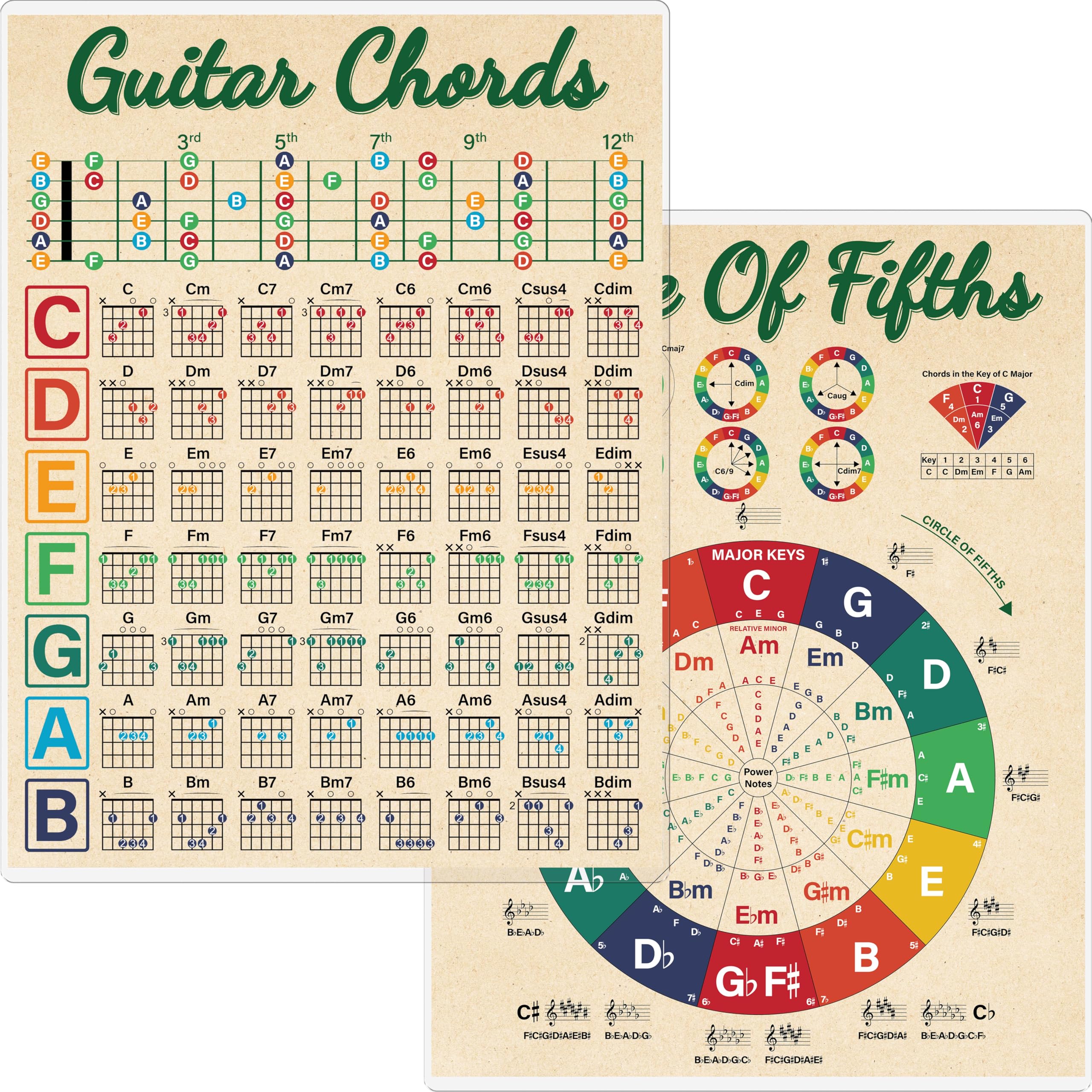
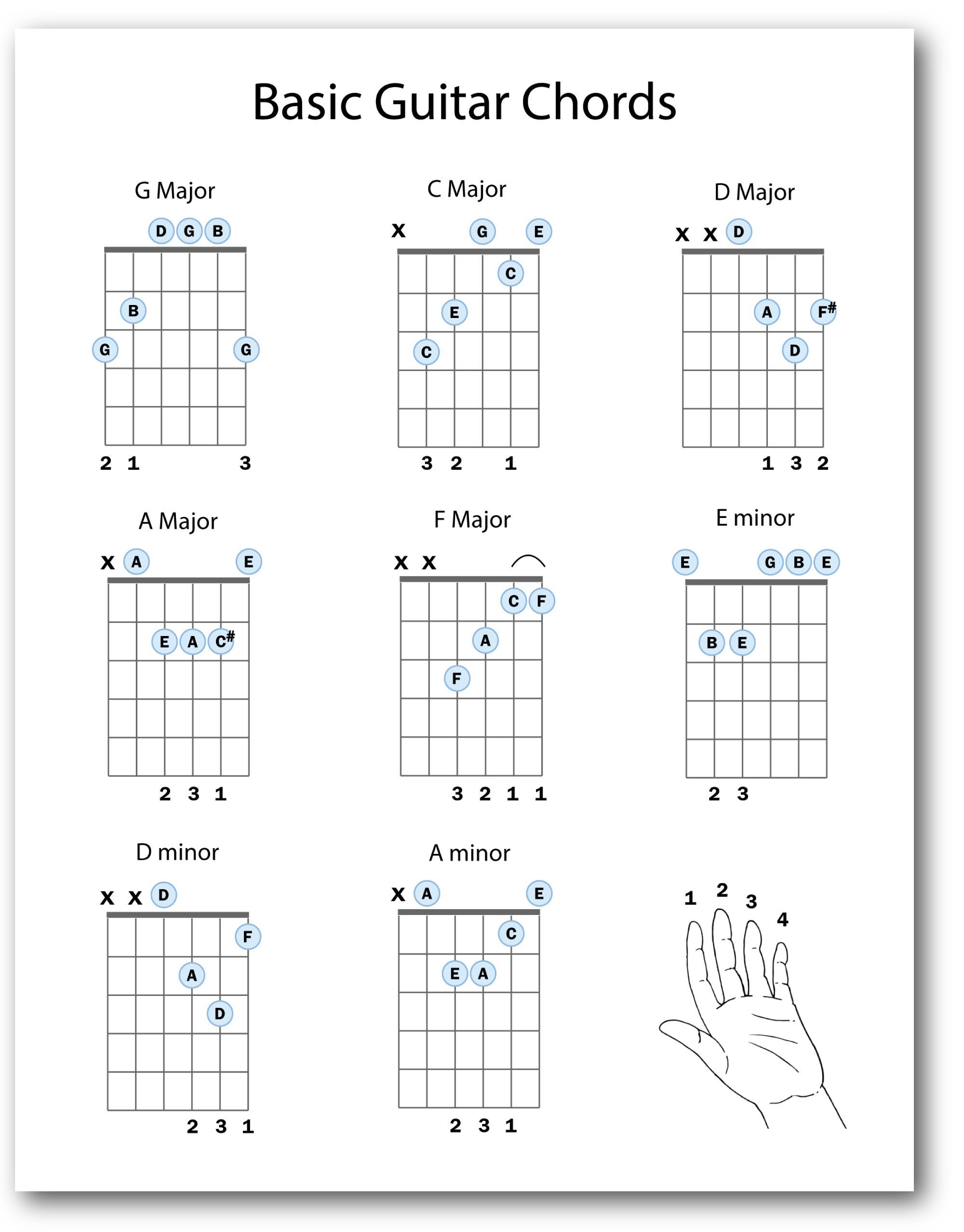
You're likely here because you need a quick and reliable resource to navigate the world of music and chords. The basic chord chart is an essential tool for any musician, offering a clear and concise visual representation of chords and their variations. It serves as a go-to reference, especially for those exploring guitar chord charts or delving into chord progression guides. While values and formats may vary, this chart provides a solid foundation for understanding common chord shapes and basic music theory.
Understanding Chord Symbols: A Guide to Basic Chord Charts
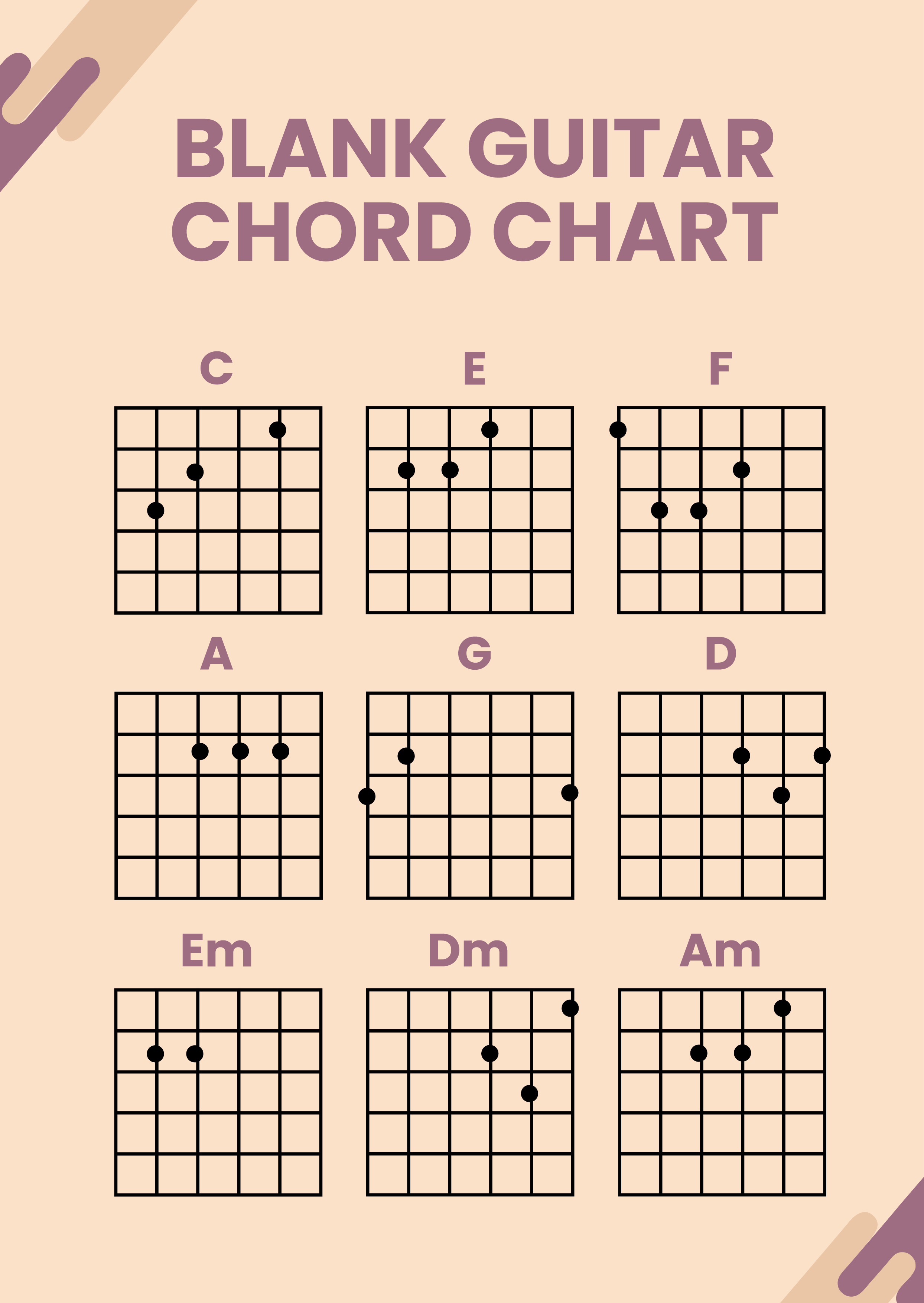
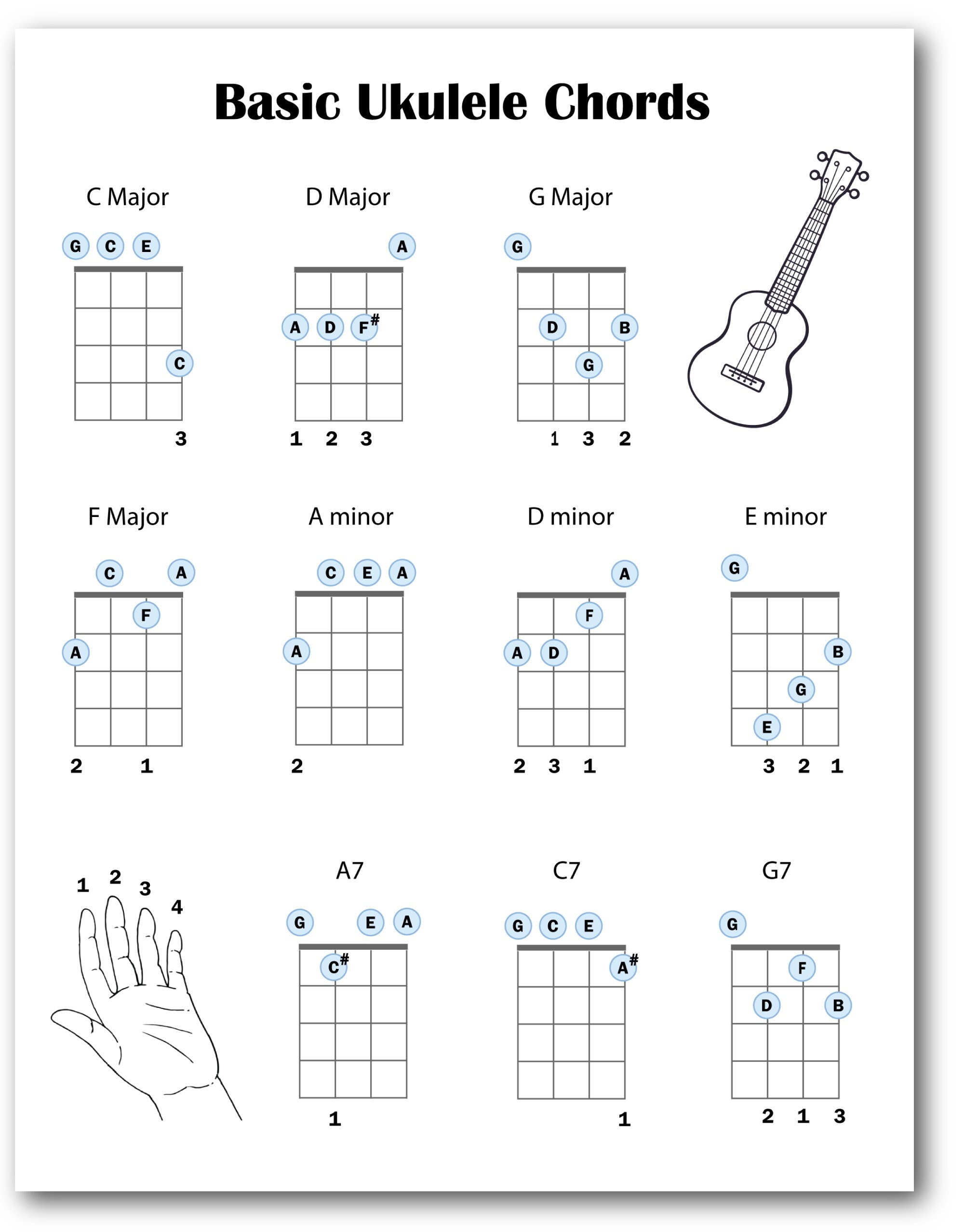
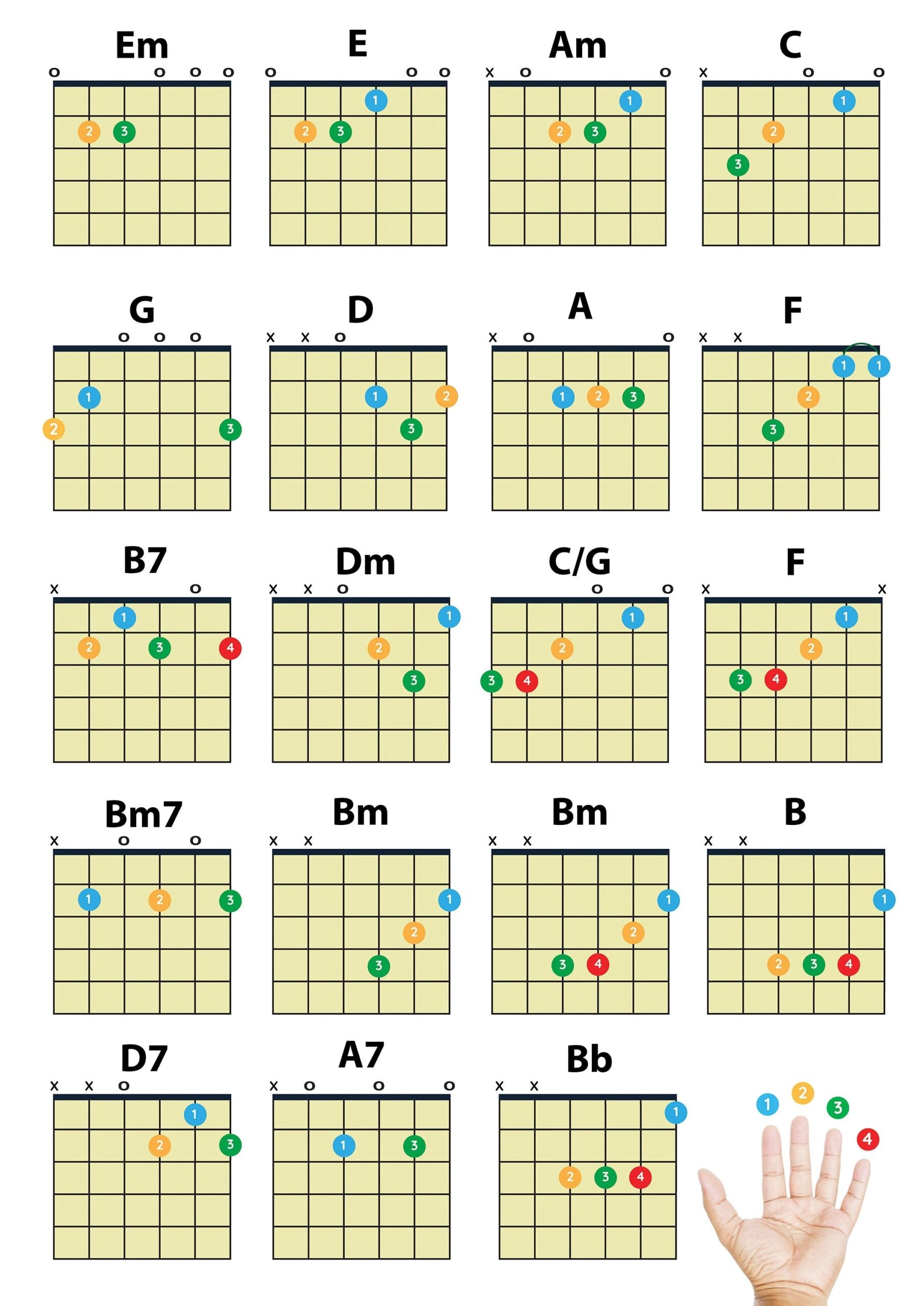
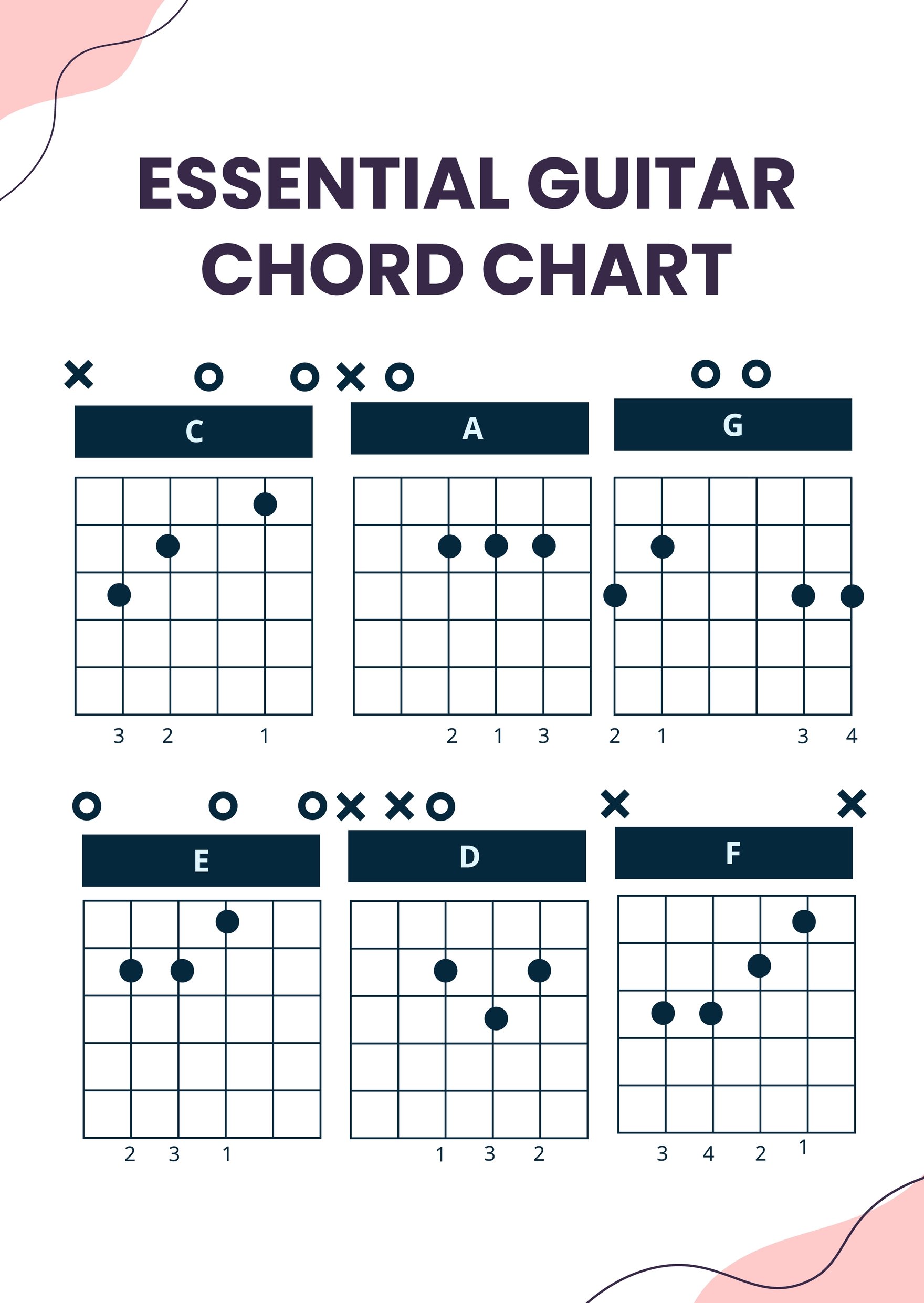
A basic chord chart is a valuable tool for musicians, especially those learning to play guitar or any other chordal instrument. It provides a visual representation of chord shapes and finger positions, making it easier to grasp and play various chords. These charts are like a musical roadmap, offering a quick reference for beginners and a handy guide for more experienced players to explore new chord progressions.
Key Details and Categories
Chord charts typically display the following information: the chord name (e.g., C major, A minor), a diagram showing the finger positions on the fretboard, and sometimes additional symbols or annotations. The chord name is usually written in standard music notation, indicating the root note and whether it's a major, minor, or other chord type. The diagram illustrates where to place your fingers on the guitar neck, with each dot representing a finger position.
Reading Chord Diagrams: A Step-by-Step Guide
To read a basic chord chart, follow these steps:
- Identify the chord name at the top of the chart. This tells you the root note and chord type.
- Look at the diagram. Each vertical line represents a guitar string, and the horizontal lines are the frets. The dots indicate where to place your fingers.
- The dot's position on the diagram corresponds to a fret and string on your guitar. For example, a dot on the second string, second fret, means you should place your finger there.
- If there are multiple dots on a string, it indicates a barre chord, where you need to press down multiple frets with one finger.
- Play the chord. Strum or pluck the strings to hear the chord. Adjust your finger positioning if needed to achieve a clear, resonant sound.
Variations and Differences: Why Chord Charts Can Vary
While basic chord charts provide a consistent framework, variations can occur due to several factors:
- Standard music notation has evolved, and different regions or styles may have slight variations in chord naming or diagramming conventions.
- Guitar tuning can also impact chord shapes. While most charts assume standard tuning, alternate tunings will require adjustments to the finger positions.
- The complexity of the chord and the instrument's range can influence the diagram's layout. More complex chords may require additional annotations or symbols.
- Lastly, personal playing style and comfort can lead to slight variations in finger positioning, especially for more advanced players.
Remember, basic chord charts are a guide, and with practice, you'll develop your own techniques and preferences. It's always a good idea to explore multiple resources and seek guidance from experienced musicians to refine your understanding and playing skills.
So, with your new chord chart knowledge, you're well-equipped to start exploring and creating music. Remember, these charts provide a solid foundation, but as you dive deeper, you'll discover variations and nuances that add character to your playing.
It's always a good idea to cross-reference and ensure you're using the right charts for your instrument and genre. Happy strumming, and feel free to explore our other guides for a well-rounded musical adventure!
Related: Pistons Depth Chart: A Simple Reference Guide
A pistons depth chart is a valuable tool for anyone seeking a quick reference guide to understand engine specifications. This straightforward visual aid offers a clear overview of piston measurements and their placement within an engine's cylinder.
The chart provides a simple yet effective way to compare and contrast piston sizes, bore and stroke dimensions, and even engine displacement. It's a handy resource, especially when considering the variety of standards and units used in automotive engineering, from metric to imperial.
Understanding the Pistons Depth Chart
The pistons depth chart is a valuable tool for automotive enthusiasts and professionals alike, offering a concise overview of piston sizes and their corresponding specifications. This chart serves as a quick reference guide, aiding in the identification and selection of the right piston for various engine configurations.
Key Details and Categories
When examining a pistons depth chart, you'll encounter a range of critical information. The chart typically displays piston sizes, often referred to as bore and stroke dimensions, which define the piston's diameter and the distance it travels within the cylinder. These values are usually provided in both metric and imperial units, catering to diverse regional standards. Additionally, the chart may include engine displacement, a crucial parameter indicating the engine's capacity, often measured in cubic centimeters (cc) or liters (L).
Reading and Applying the Chart
To utilize the pistons depth chart effectively, follow these steps:
Identify the Piston Size: Start by determining the piston size you need. This is typically specified by the engine manufacturer or can be measured directly from the engine.
Locate on the Chart: Refer to the chart and locate the piston size you require. The chart will provide a clear layout, often organized by piston diameter and stroke length.
Check Specifications: Once you've found the relevant piston size, review the accompanying specifications. These may include the piston's material, compression ratio, and any specific features or design considerations.
Compare and Select: Compare the chart's specifications with your engine's requirements. Ensure the piston's dimensions and characteristics align with your engine's needs.
Verify with Manufacturer: While the pistons depth chart offers a comprehensive overview, it's essential to double-check with the manufacturer or refer to the engine's manual for precise specifications and tolerances.
Variations and Differences
Pistons depth charts can vary depending on several factors. Here are some key considerations:
Regional Standards: Different regions may use distinct measurement systems, such as the metric system (common in many countries) or the imperial system (predominant in the United States). These variations can impact the units and values presented on the chart.
Manufacturer Preferences: Each engine manufacturer may have its own preferred piston sizes and specifications. This can lead to slight variations in piston dimensions and design features.
Engine Type and Application: The intended use of the engine, whether for a car, motorcycle, or marine application, can influence the piston's design and size. Different applications may require specific piston characteristics.
Common Mistakes and How to Avoid Them
To ensure accurate selection and avoid common pitfalls, consider the following:
Misinterpreting Units: Be mindful of the units used on the chart. If you're accustomed to a particular system, ensure you understand the conversions between metric and imperial units.
Overlooking Manufacturer Specifications: While the pistons depth chart provides a general guide, it's crucial to refer to the manufacturer's specifications for precise details. This ensures compatibility and optimal performance.
Ignoring Engine Type: Different engine types, such as four-cylinder, six-cylinder, or V-type engines, may have unique piston requirements. Ensure you select the appropriate piston size for your specific engine configuration.
Practical Tips for Accurate Results
For the best results when working with a pistons depth chart, keep these tips in mind:
Measure Twice: When determining the piston size you need, take accurate measurements. Double-check your readings to ensure precision.
Consult Experts: If you're unsure about the piston selection or have specific engine modifications, seek advice from automotive engineers or experienced mechanics. Their expertise can guide you toward the best choice.
Stay Updated: Pistons and engine technology evolve. Stay informed about the latest advancements and updates to ensure you're working with the most current information and specifications.
So, with your new understanding of the pistons depth chart and its practical applications, you're now equipped to navigate this aspect of your project with ease. Remember, the key is to refer to the appropriate standards and guidelines for your specific context, as exact values can vary.
Take a moment to ensure you have all the necessary information and resources at hand. Then, feel free to explore our other guides and resources, where you'll find a wealth of information to support your work and keep your projects running smoothly.
Related: What is the lol mastery chart all about?
You've found yourself searching for a lol mastery chart to help you quickly grasp the game's mechanics and strategies. This simple yet effective tool, often in the form of a visual guide, offers a snapshot of the game's mastery system. It's a handy reference for players, providing an overview of the mastery tree, runes, and the path to progression.
Understanding the LOL Mastery Chart
The lol mastery chart is a visual representation of a player's progress and skill development in the game League of Legends. It provides an overview of a player's mastery points, ranks, and their journey through the game's mastery system. This chart is a valuable tool for players to track their growth and understand their standing among other players.
Key Details and Categories
The chart typically displays mastery points, which are earned through playing and achieving certain milestones. These points are represented on a scale, often with different colors or levels to indicate progress. The categories or ranks on the chart are usually divided into tiers, with each tier representing a higher level of mastery. These tiers may have names or numerical values associated with them, indicating the player's overall skill level.
Reading Mastery Levels and Progression
To read the lol mastery chart, start by identifying your current mastery rank or tier. This is often displayed prominently on the chart. Next, look at the mastery points associated with your rank. These points indicate the progress you've made and the skills you've acquired. The chart may also provide insights into the next steps for progression. It might suggest specific champions or roles to focus on to advance to the next tier.
Here's a step-by-step guide:
- Locate your current rank or tier.
- Note the mastery points and any associated achievements.
- Identify the requirements or suggestions for advancing to the next tier.
- Plan your gameplay to fulfill these requirements, whether it's mastering a new champion or improving your strategy.
Common Mastery Paths and Variations
The lol mastery chart can vary based on several factors. Firstly, different regions or servers may have slightly different mastery systems and charts. Additionally, the game itself evolves, introducing new champions and updates, which can impact the mastery path. Players' preferences and playstyles also contribute to variations. Some players might focus on a specific role or champion, resulting in unique mastery paths.
- Regional differences
- Game updates and new champions
- Player preferences and playstyles
Remember, the lol mastery chart is a guide, and while it provides a structured overview, it's important to adapt and tailor your gameplay to your strengths and interests. It's a tool to help you understand your progress and set goals, but the beauty of League of Legends lies in its diverse strategies and the freedom to explore different paths.
The LOL Mastery Chart is a handy tool, offering a clear and concise reference point for your LOL journey. By understanding the key elements, you can navigate and apply this chart with ease.
Remember, when utilizing any reference guide, it's essential to consider your unique context and requirements. Exact values and standards may vary, so a quick double-check ensures you're on the right path. Feel free to bookmark this page for future LOL adventures; it's a simple yet effective resource to have at your fingertips!