




Times Chart 1 100 Sheet Overview
You've found yourself searching for a mens size chart, perhaps for a specific item or to understand the sizing standards better. This chart is a handy tool, offering a quick and visual way to navigate clothing and shoe sizes, especially when you need to get the right fit. It provides a simple reference, often with clear columns and rows, making it easy to find your size and ensure a comfortable, well-fitted garment. While the values and formats may vary, depending on the brand or region, the mens size chart is a reliable starting point for anyone seeking a precise fit.
Understanding the Mens Size Chart
The mens size chart is a valuable tool for anyone looking to find the perfect fit for their clothing or footwear. It provides a standardized guide to help determine the right size for men's garments, ensuring a comfortable and well-tailored look. This chart simplifies the process of finding your size by offering a clear reference for various measurements.
Key Measurements Explained
The mens size chart typically includes essential measurements such as chest, waist, and hip circumference, along with height and sometimes sleeve length. These measurements are presented in a tabular format, with columns indicating different sizes and rows for each measurement. The chart may also include a size guide, offering a quick reference for the corresponding measurements of each size.
Reading and Applying the Chart: A Step-by-Step Guide
Identify the measurement you need: Start by determining the specific measurement you want to find, whether it's chest size, waist size, or any other relevant dimension.
Locate the correct column: Find the column on the chart that corresponds to the size you believe you are. This is usually indicated by a size label, such as "Small," "Medium," or "Large."
Check the measurements: Within the chosen column, look for the row that matches the measurement you're seeking. For instance, if you're finding your chest size, locate the row labeled "Chest."
Compare and select: Compare the measurement on the chart with your own body measurements. If your measurement falls within the range provided, that size should be a good fit. If not, try the next size up or down and repeat the process until you find the closest match.
Consider other factors: While the chart provides a general guide, individual body shapes and preferences may vary. Consider factors like your desired fit (loose or fitted) and the style of the garment when making your final size selection.
Common Size Variations and Their Causes
Size charts can vary depending on several factors. One significant influence is the standard being used, as different regions and manufacturers may have their own sizing systems. For instance, a size "Medium" in the US may not align with a "Medium" in Europe. Additionally, the intended use of the garment can impact sizing; athletic wear, for example, often has a different fit compared to casual wear. It's essential to be aware of these variations and refer to the specific size chart provided by the brand or retailer.
Mistakes to Avoid and How to Get it Right
A common mistake is relying solely on your usual size without considering the specific brand or style. Each brand may have its unique sizing, so it's crucial to refer to the provided size chart. Additionally, ensure you measure yourself accurately, as slight variations can make a difference in finding the perfect fit. Always double-check the measurements against the chart to avoid any sizing errors.
Tips for Accurate Sizing and a Perfect Fit
To ensure an accurate fit, measure yourself with a flexible tape measure. Take your measurements while wearing minimal clothing to get the most precise results. If you're between sizes, consider the fabric and style of the garment. Some materials have more give, allowing for a slightly looser fit, while others may be more structured and require a precise size match. Don't be afraid to try on different sizes and trust your judgment based on the provided size chart and your own comfort.
While we've covered the essentials, it's worth noting that the specifics of size charts can vary, so it's always a good idea to double-check the source and ensure you're using the right measurements for your context.
Don't worry, though; with a bit of practice, reading and applying size charts will become second nature. If you ever need a quick refresher, feel free to revisit this guide or explore our other helpful references. It's always good to have these tools at your fingertips!
Related: Baby Poop Chart: A Simple Guide to Understanding
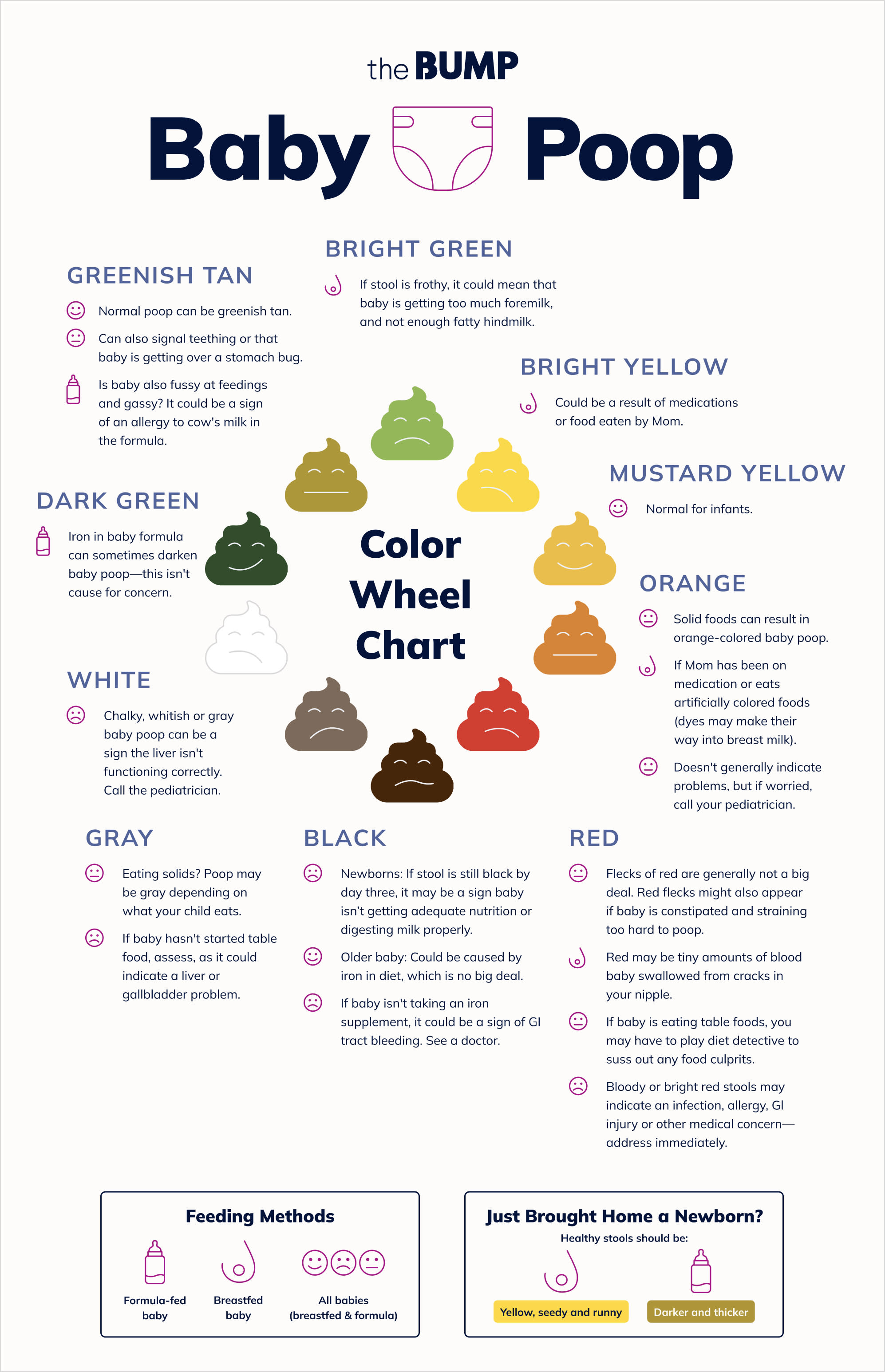
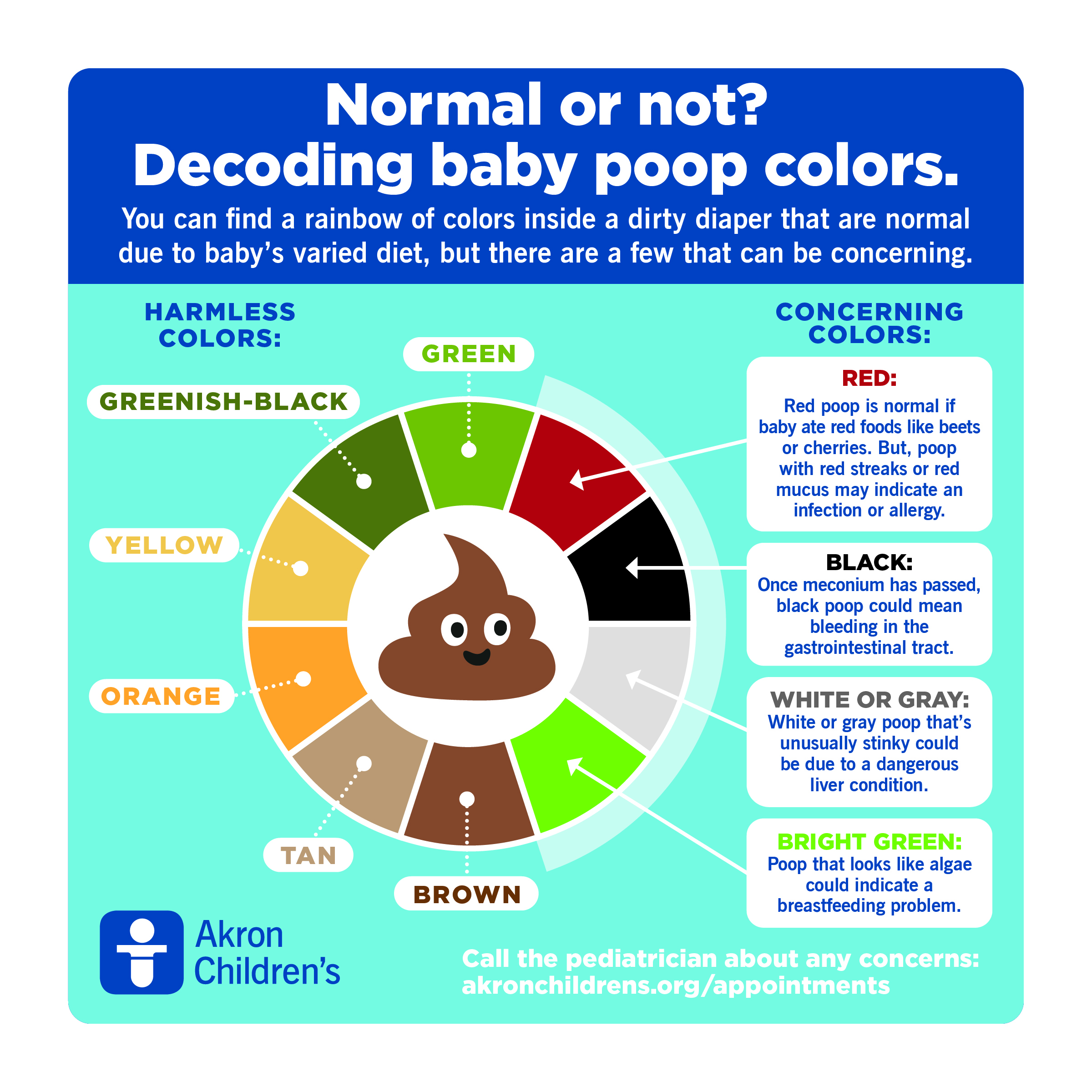
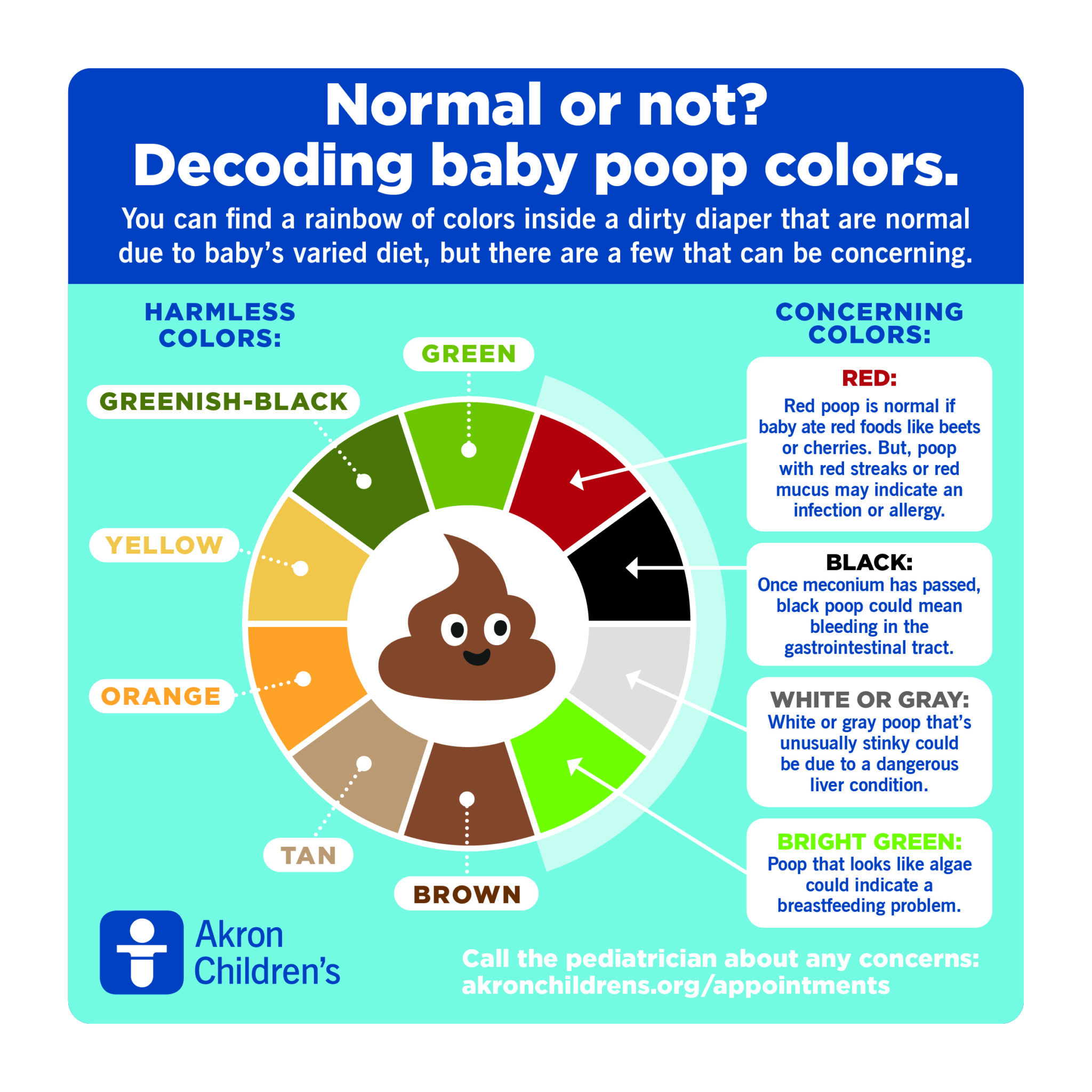
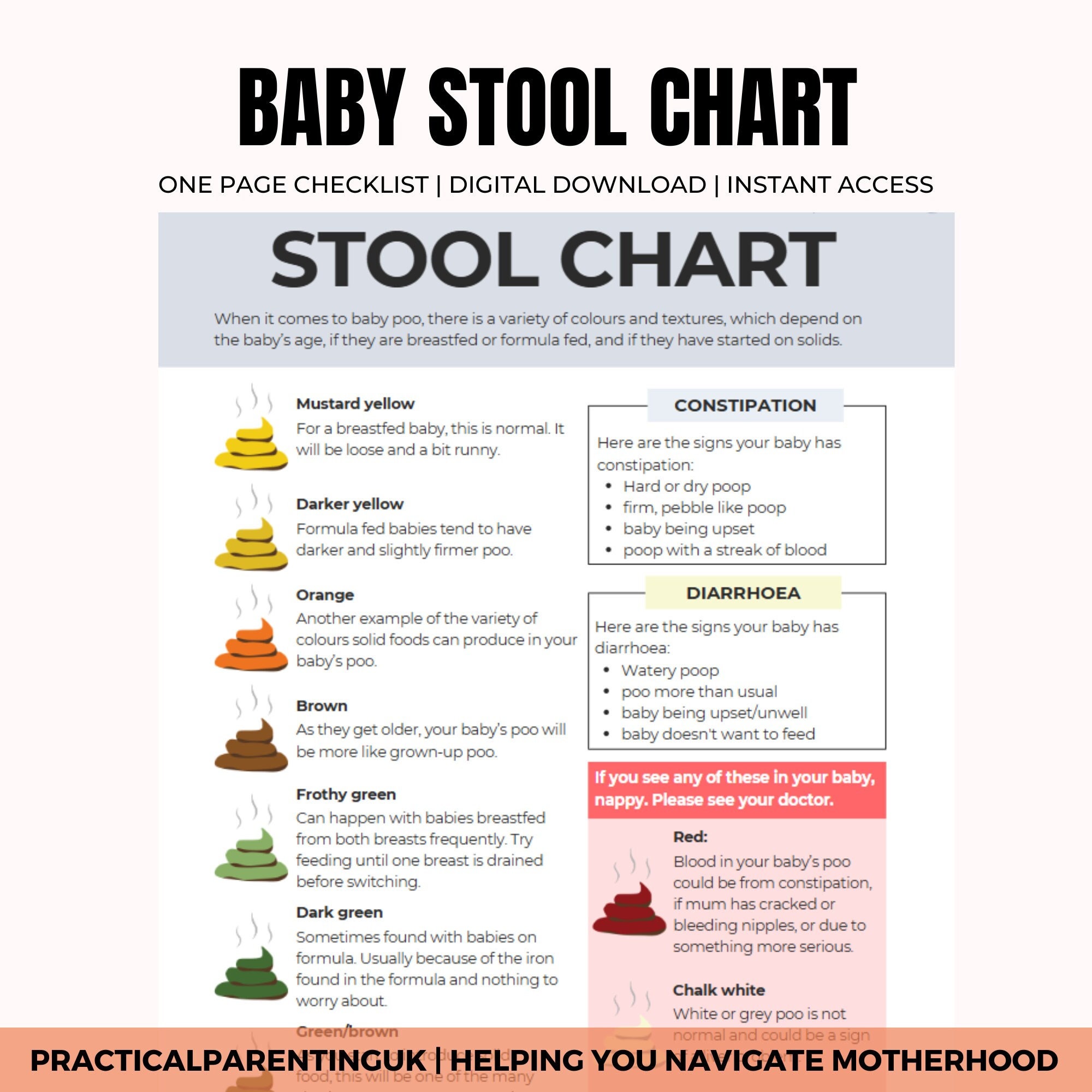
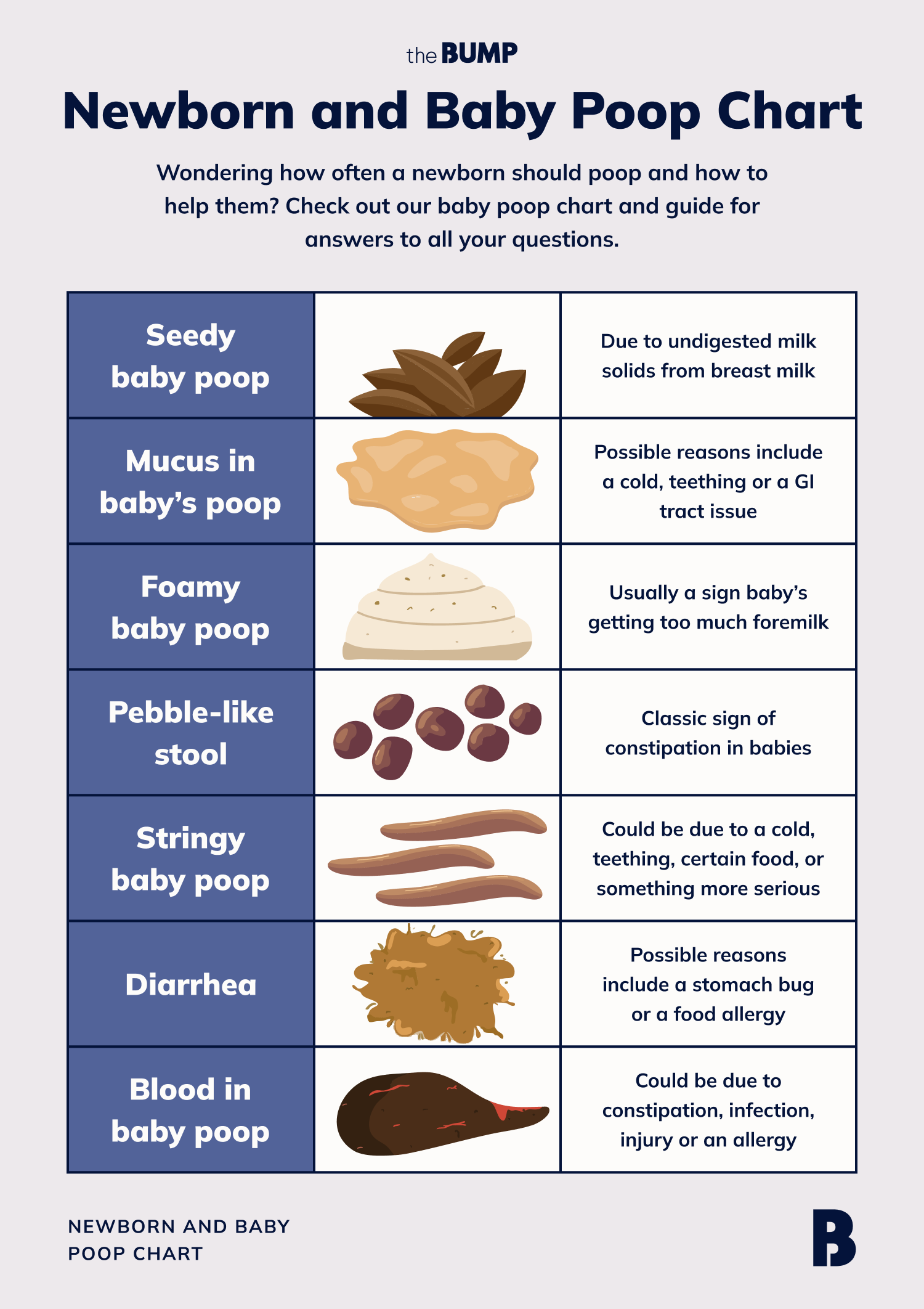
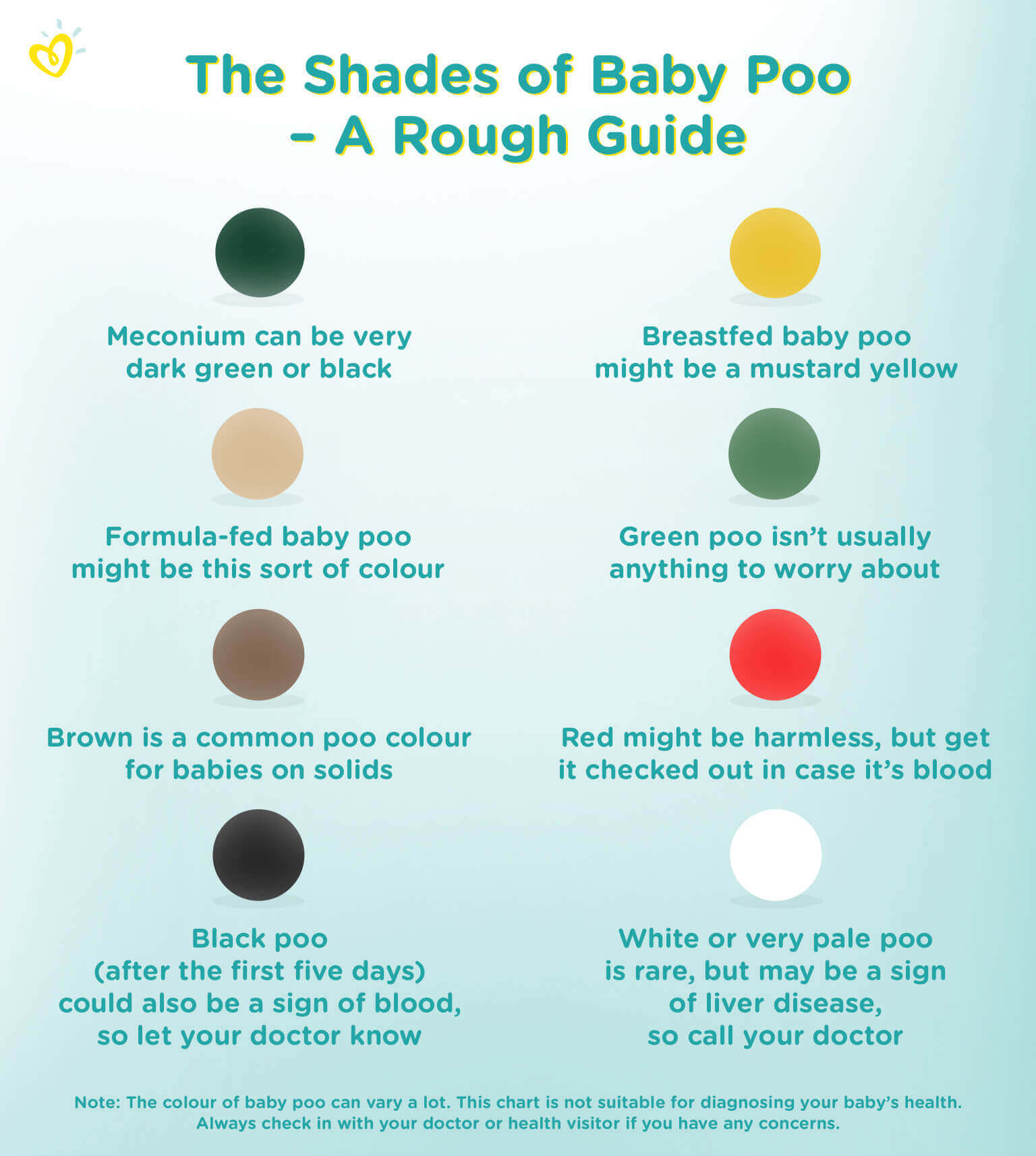
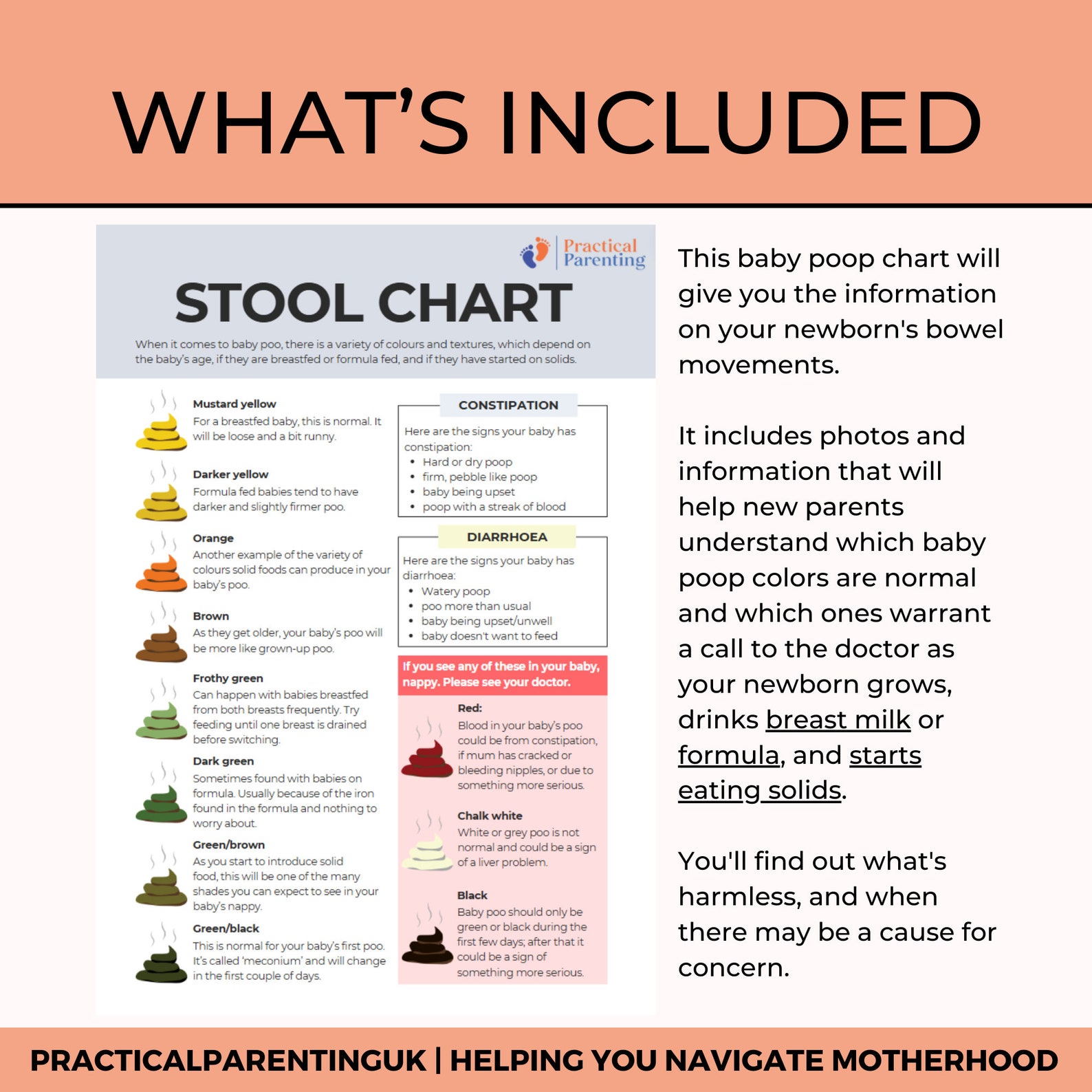
A baby poop chart is a handy tool for parents, offering a simple visual guide to understanding your little one's nappy business. This guide will give you the lowdown on how to interpret these charts and what they can tell you about your baby's health and diet. From meconium to breast milk poop and formula poop, we'll cover it all, ensuring you know what to look for and when to seek advice.
Understanding the Baby Poop Chart: A Quick Overview
The baby poop chart is a handy tool for parents to understand their little one's digestion and health. It provides a visual guide to help identify normal and abnormal poop patterns, ensuring you can spot any potential issues early on. This chart is a simple yet effective way to track your baby's progress and keep an eye on their overall well-being.
Comparing Poop Patterns: Typical and Not-So-Typical
The baby poop chart typically categorizes poop based on its color, consistency, and frequency. These categories help parents understand what's considered normal for a newborn and what might indicate an issue. For instance, a green, seedy poop with a paste-like consistency could be a sign of a healthy breastfed baby, while a hard, dry poop might indicate constipation. It's important to note that these categories can vary slightly depending on the baby's age, diet, and individual factors.
How to Use the Baby Poop Chart: A Step-by-Step Guide
Using the baby poop chart is straightforward:
- Observe your baby's poop and note its color, consistency, and frequency.
- Refer to the chart and match these observations to the corresponding category.
- The chart will provide guidance on whether the poop pattern is typical or a cause for concern.
- If you're unsure or notice any significant deviations, consult a healthcare professional for further advice.
Avoiding Misinterpretations: Common Pitfalls and How to Avoid Them
While the baby poop chart is a valuable tool, it's essential to use it correctly to avoid misinterpretations. Here are some common mistakes to watch out for:
- Overlooking individual variations: Every baby is unique, and their poop patterns can differ. Don't panic if your baby's poop doesn't exactly match the chart; it's normal for there to be some variation.
- Ignoring other symptoms: The chart focuses on poop, but it's crucial to consider other symptoms your baby might be displaying. For instance, a change in poop color could be a sign of an infection, so look for other indicators like fever or unusual behavior.
- Relying solely on the chart: While the chart provides a great guide, it's not a substitute for professional medical advice. If you have concerns, always consult a healthcare provider.
Key Factors Affecting Accuracy and Real-World Use
When using the baby poop chart, keep these factors in mind:
- Age: A baby's poop patterns can change as they grow and develop. The chart may need to be interpreted differently for newborns, infants, and toddlers.
- Diet: Breast milk, formula, and solid foods can all impact poop consistency and color. Be mindful of any dietary changes and their potential effects.
- Health conditions: Certain health issues can affect poop patterns. For example, jaundice might cause a change in poop color.
- Medications: Some medications can alter poop consistency and frequency. Always read the side effects and consult a doctor if you notice any changes.
Remember, the baby poop chart is a helpful tool, but it's just one piece of the puzzle. Stay vigilant, trust your instincts, and seek professional advice when needed.
So, there you have it, a handy guide to navigating the world of baby poop charts. It's a simple yet effective tool to have in your parenting toolkit. Remember, while these charts provide a general guide, every baby is unique, so always consider your specific circumstances and consult with healthcare professionals if needed.
Feel free to explore our other resources on related topics. We've got you covered with practical tips and insights to make parenting a little easier and more enjoyable. Happy reading and here's to healthy, happy babies!
Related: A Clear Plot Anchor Chart Guide
A plot anchor chart is a valuable tool for writers and storytellers, offering a visual roadmap to navigate the intricate journey of crafting a narrative. This guide will provide an overview of these charts, their purpose, and how they can enhance your understanding of story structure.
These charts serve as a reference, presenting the key elements of a plot in a clear and concise manner. While the specific format and content may vary, the plot anchor chart's primary goal remains consistent: to provide a snapshot of the narrative's journey, from its initial spark to its satisfying conclusion.
Plot Anchor Chart: A Visual Guide to Storytelling
The plot anchor chart is a valuable tool for writers and storytellers, offering a visual representation of the key elements that drive a narrative. This chart provides a structured overview, helping to identify and organize the essential components of a story's plot. By using this chart, writers can ensure their stories have a solid foundation and a clear direction.
Common Plot Structures and Their Variations
The plot anchor chart typically presents several common plot structures, such as the three-act structure, the hero's journey, and the five-act structure. Each structure has its own unique flow and emphasis, offering different approaches to storytelling. These structures provide a framework for writers to follow, but they can also be adapted and combined to create unique narratives.
Creating Engaging Narratives: A Step-by-Step Guide
- Start by identifying the main plot points: introduction, rising action, climax, falling action, and resolution. These points form the backbone of your story.
- Use the plot anchor chart to visualize and connect these plot points, ensuring a logical flow and building tension.
- Add depth to your narrative by incorporating subplots and character arcs. These elements enrich the story and provide opportunities for character development.
- Consider the pacing and intensity of your story. Adjust the placement and emphasis of plot points to create a balanced and engaging narrative.
- Review and refine your story structure, ensuring it aligns with your chosen plot structure and meets the expectations of your audience.
Avoiding Common Misreadings and Pitfalls
While the plot anchor chart is a powerful tool, it's important to remember that it is a guide, not a strict formula. Misinterpreting the chart can lead to stories that feel formulaic or lack originality. To avoid this, ensure you understand the underlying principles and use the chart as a flexible framework. Adapt it to your story's needs and don't be afraid to deviate from the standard structures if it serves your narrative better.
Factors Affecting Accuracy and Real-World Application
The accuracy of the plot anchor chart depends on several factors. Firstly, the chart's effectiveness varies depending on the complexity of the story and the writer's experience. More intricate stories may require a deeper understanding of narrative techniques. Additionally, the chart's applicability can differ based on the genre and target audience. What works for a thriller might not suit a romantic comedy. It's crucial to consider these factors and tailor your story's structure accordingly. Always refer to established narrative techniques and seek feedback to refine your story's structure and ensure its impact.
While the specifics of your plot anchor chart may differ slightly based on your unique needs and the standards or sources you follow, the key elements and steps outlined in this guide should provide a solid foundation. Remember, having a well-organized reference like this can make a world of difference in your work, ensuring clarity and consistency.
Feel free to bookmark this page for future reference, and explore our other guides for more practical tips and insights. We aim to provide straightforward, helpful resources, so you can always find the information you need, when you need it.