



Tog Rating Chart A4 Overview
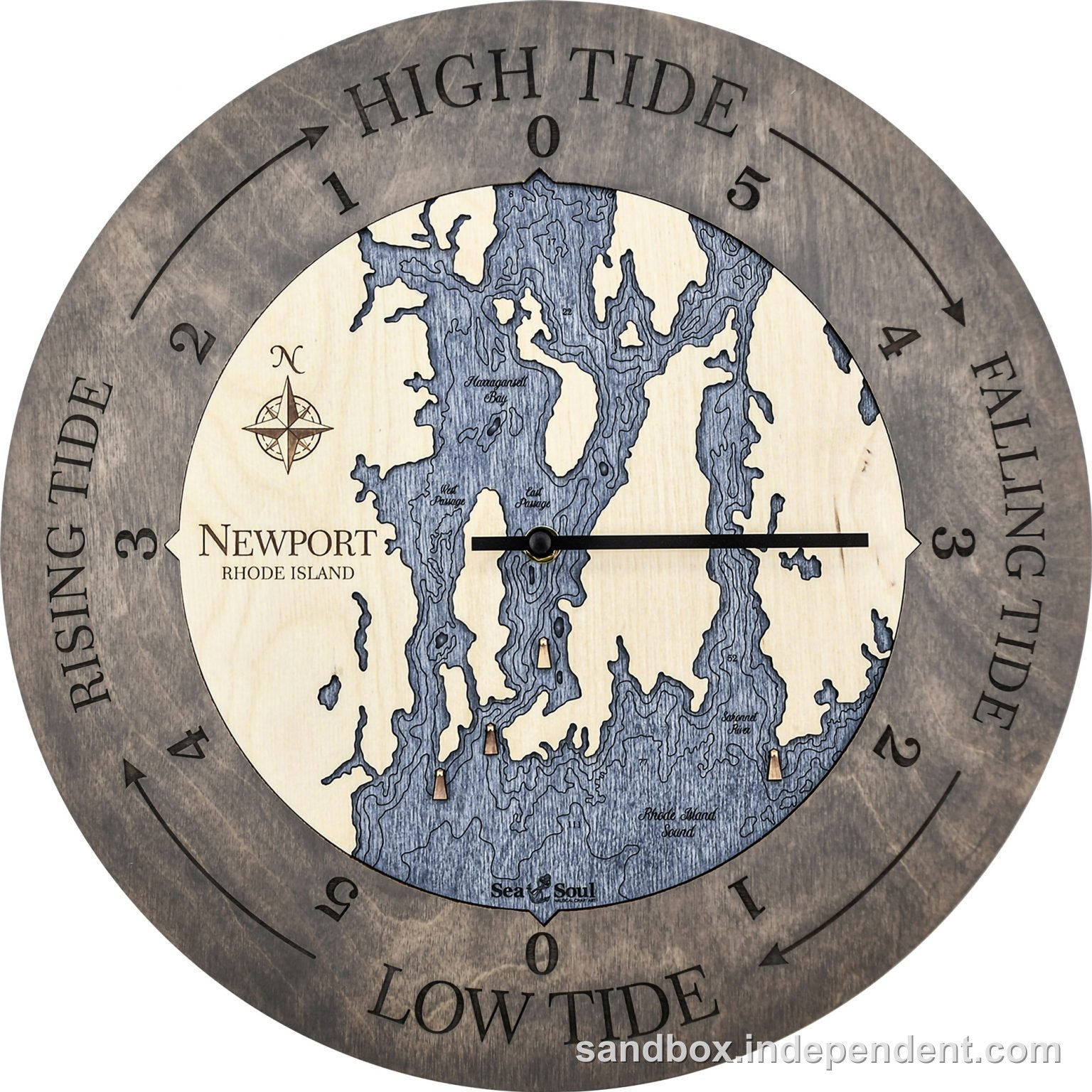
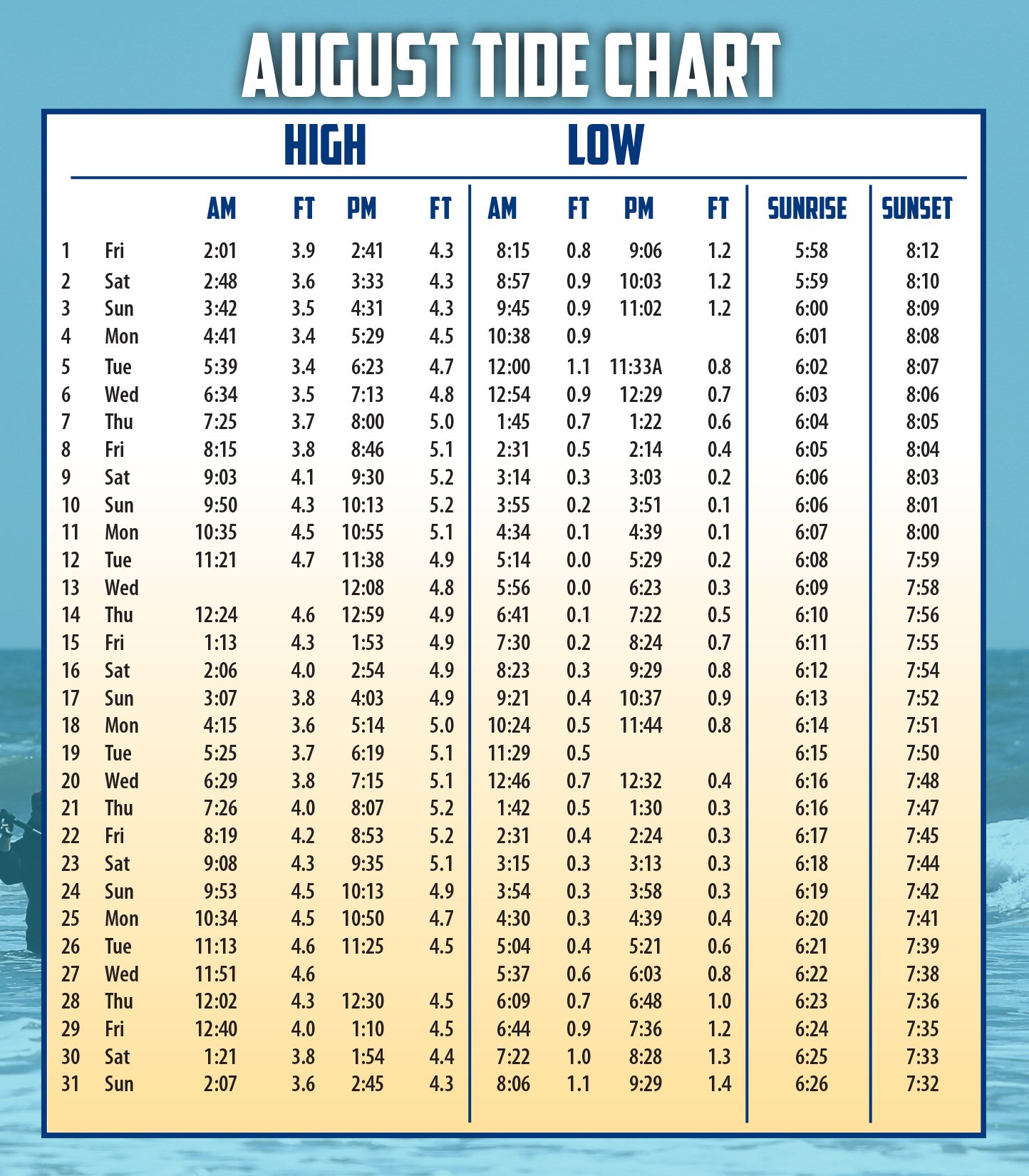
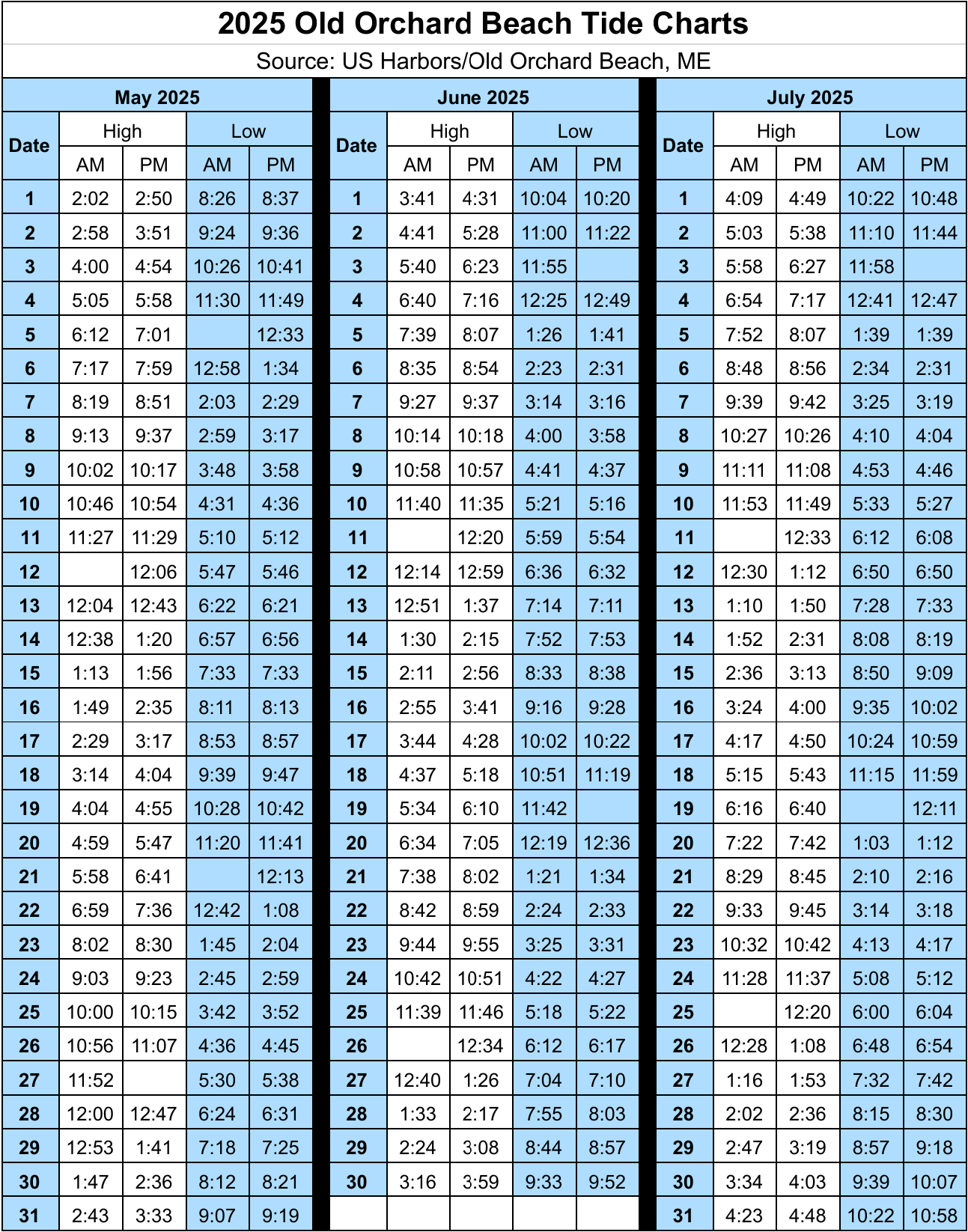
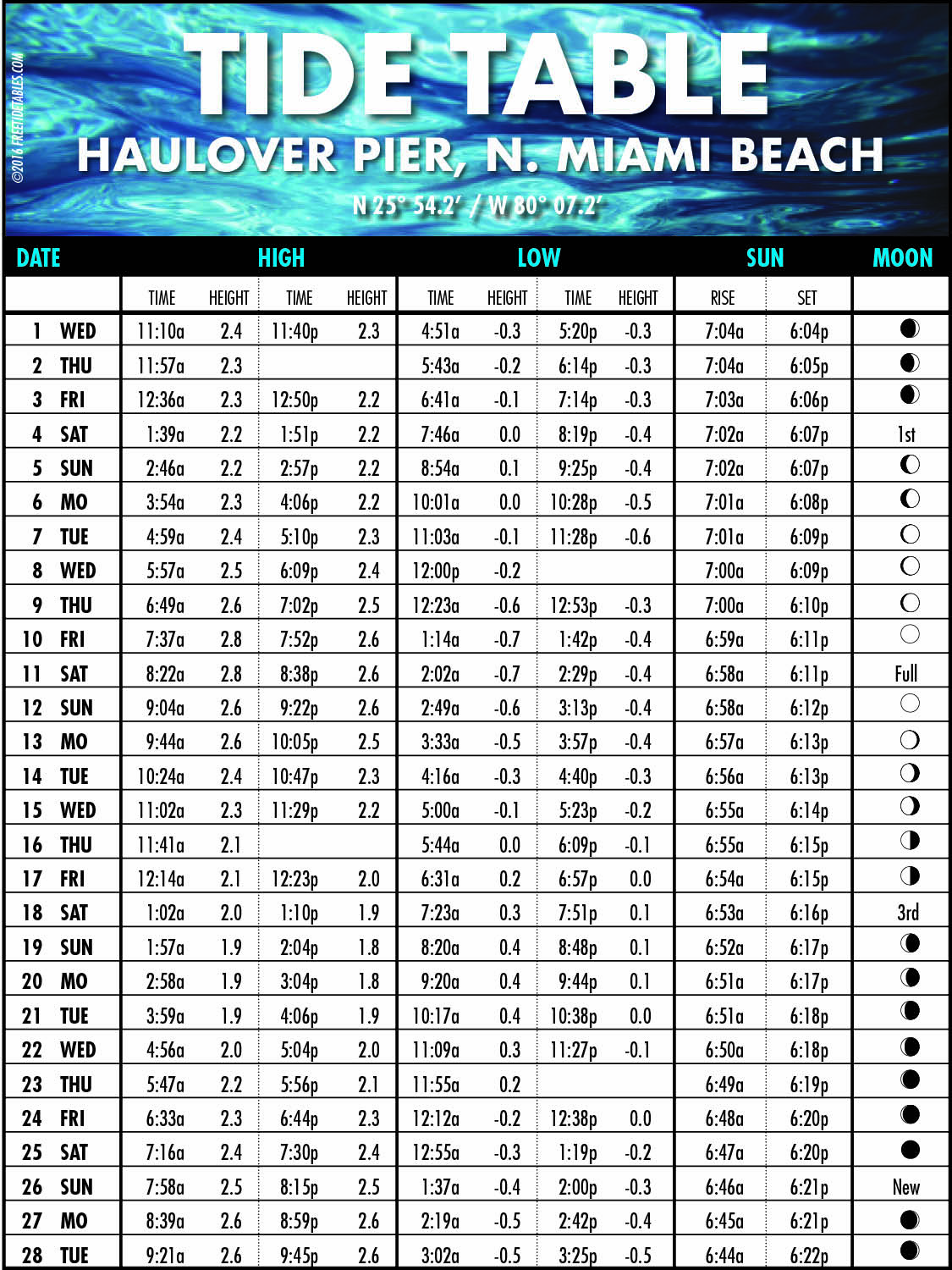
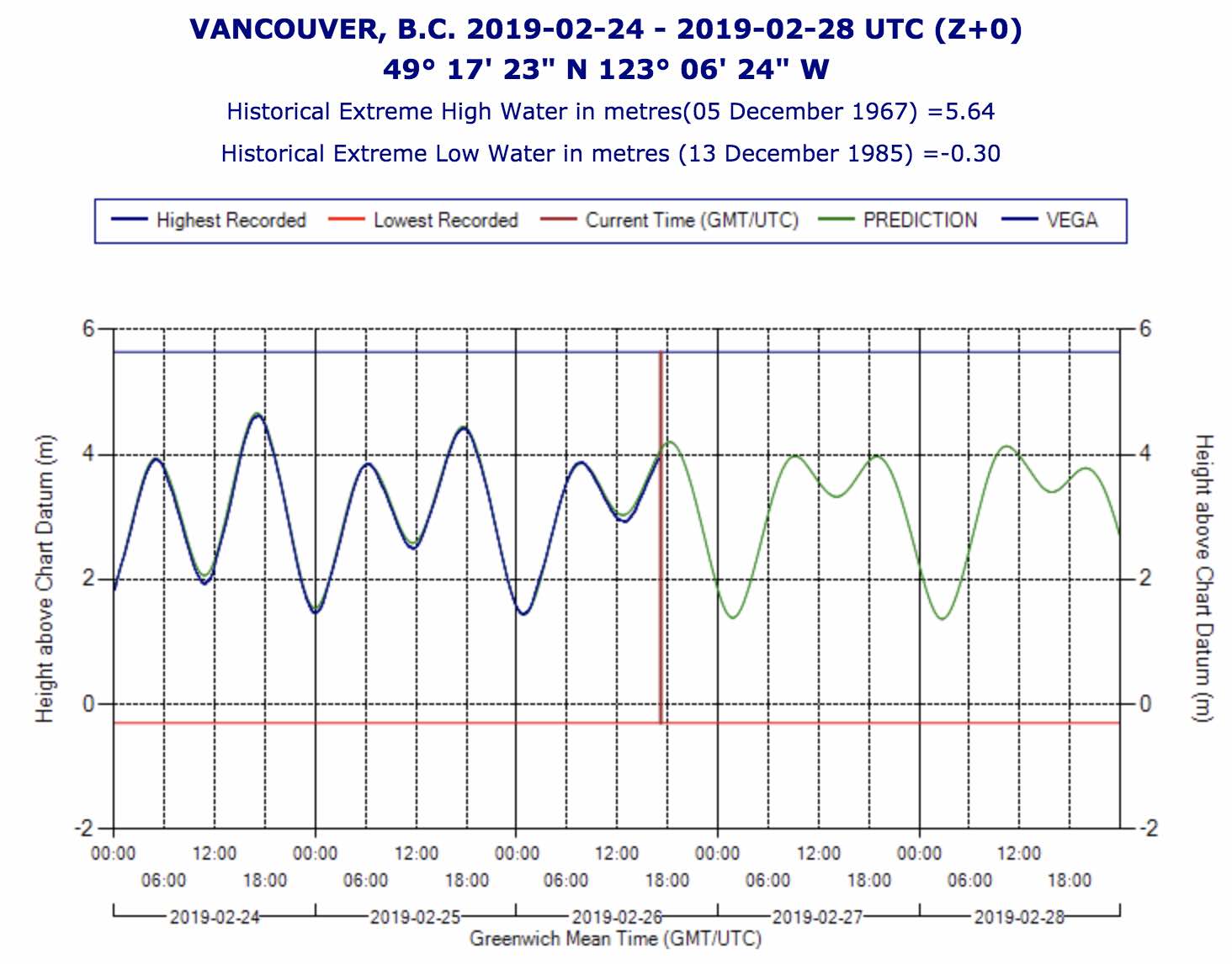
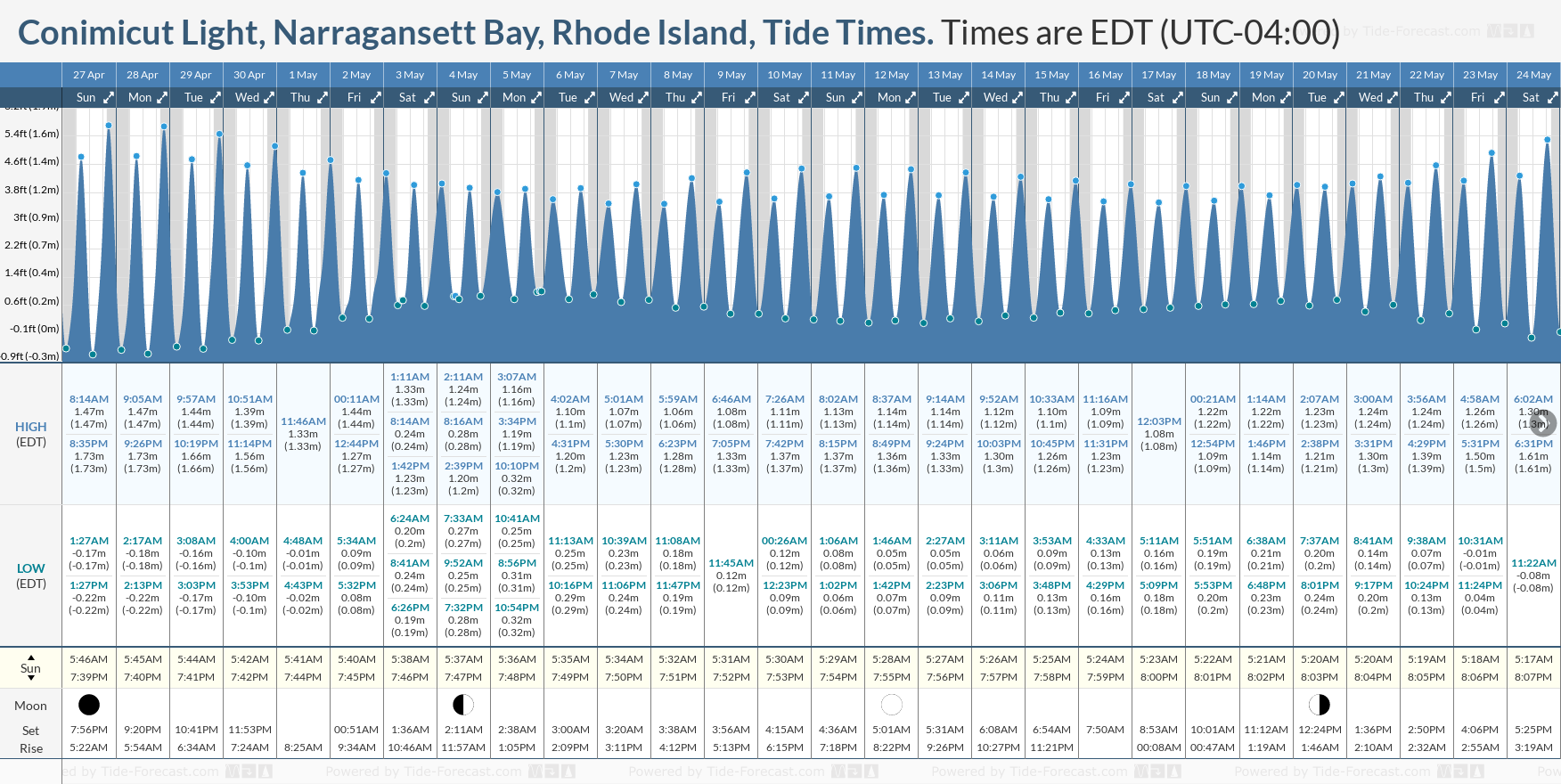
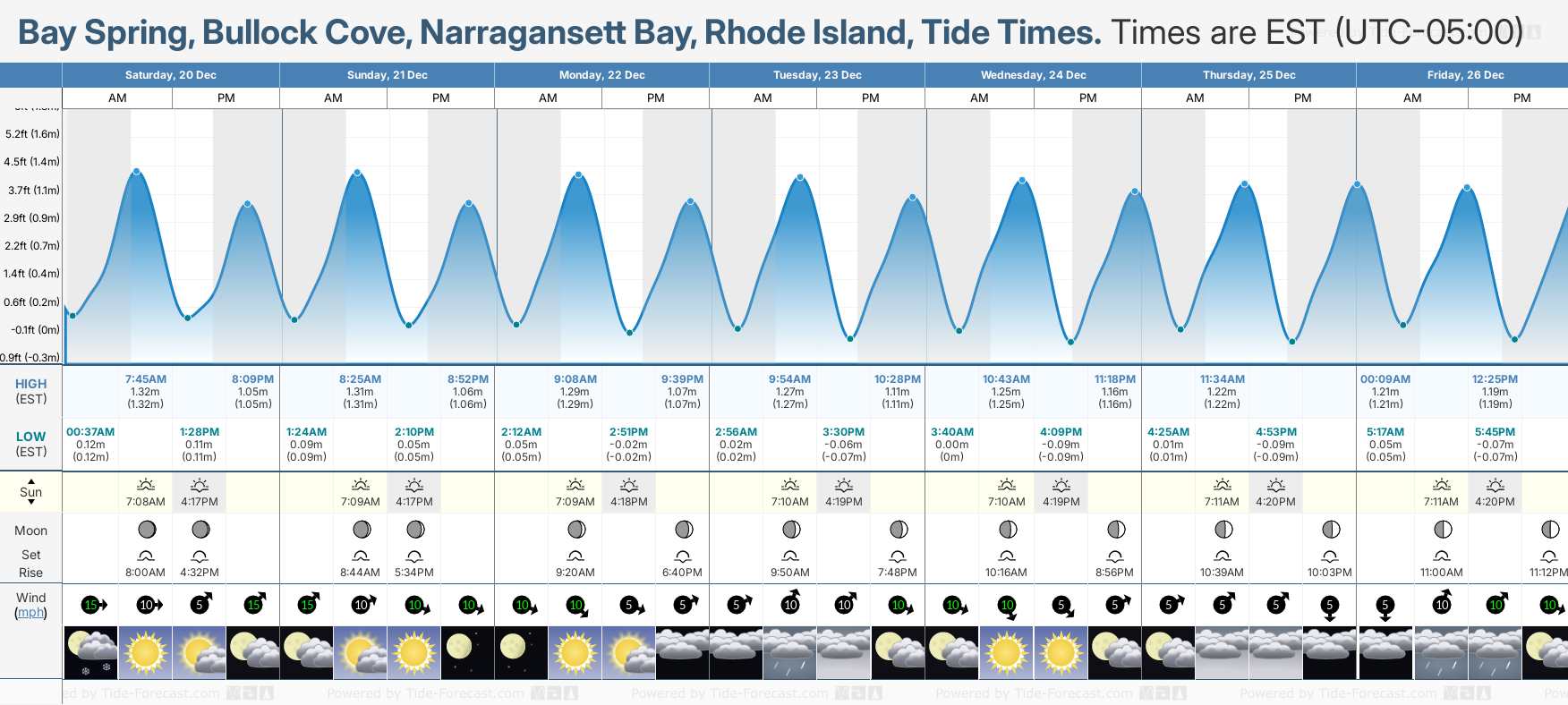
You're probably here because you need a reliable reference for your coastal adventures, and the RI tide chart is an essential tool for that. It's a simple yet powerful resource, providing a quick glimpse into the rhythm of the ocean's tides and currents. Whether you're a surfer, a fisherman, or just enjoy a walk by the shore, understanding the RI tide chart is key to making the most of your time on the water.
Understanding the RI Tide Chart: A Quick Overview
The RI tide chart is a handy tool for anyone living near or enjoying the waters of Rhode Island. It provides essential information about the water levels and current flow rates, helping you plan your activities, from boating to fishing, with ease. This chart is a visual representation of the tidal patterns, offering a simple yet effective way to understand the ocean's movement.
Comparing Tide Chart Formats: Standard vs. Metric
When it comes to tide charts, there are two main formats: the standard US system and the international metric system. The RI tide chart typically follows the US standard, which uses feet as the unit of measurement. However, it's essential to note that some charts may offer both systems, providing a conversion for easy reference. Understanding the format is key to accurate readings.
Reading the RI Tide Chart: A Step-by-Step Guide
- Locate the specific area or region you're interested in on the chart. Each area will have its own unique tidal pattern.
- Identify the time of day you plan to be on the water. The chart will show the predicted water level and current flow for that time.
- Read the values: the height of the tide is indicated in feet, and the current flow is often represented by arrows or a scale.
- Plan your activities accordingly. For instance, a higher tide might be ideal for certain water sports, while a specific current flow can impact your boating or fishing experience.
Common Misreadings and How to Avoid Them
One common mistake is assuming that the RI tide chart covers all exceptional tidal events, like storms or extreme weather. It's crucial to double-check for any special announcements or alerts, especially during unusual weather conditions. Additionally, remember that the chart provides predictions, and actual conditions may vary slightly. Always keep an eye on the water and be prepared for any unexpected changes. Lastly, ensure you're using the correct chart for your specific region, as tidal patterns can differ even within Rhode Island.
So, there you have it! A handy guide to navigating the RI tide chart, covering all the bases you need to know. We've looked at the different formats, a step-by-step process, and some common mistakes to avoid.
Remember, while this guide provides a solid foundation, your specific context matters. Double-check the details for your area and ensure you're using the right chart for your needs. It's a simple step that can make a big difference! Feel free to bookmark this page for future reference; it might come in handy when you least expect it. Happy charting!
Related: Understand the Hair Shade Chart: A Simple Guide
You're here because you need a quick fix, right? A simple, reliable reference for your hair color adventure. Well, the hair shade chart is your trusty guide, a visual map to navigate the world of hair colors. It's a handy tool, a quick-glance reference, offering a range of shades and tones to explore. From natural hues to bold, vibrant choices, the chart lays it all out. You'll find tone levels, hair dye shades, and even a color wheel to help you match and create your desired look.
Understanding the Hair Shade Chart: Your Guide to Hair Color
The hair shade chart is a handy tool that helps you navigate the world of hair color. It's a visual reference, often in the form of a color wheel or a detailed table, that displays a range of hair colors and their corresponding shades. This chart is your friend when you want to achieve a specific hair color or match a particular shade.
Comparing Hair Color Standards and Formats
There are different standards and formats for hair color charts, which can vary based on the region and the manufacturer. The most common ones are the hair dye shades charts, which use a numerical system to represent different tones. These charts often have a range of numbers, like 1 to 10 or 1 to 12, with each number representing a distinct shade. For instance, a level 1 might be the darkest black, while a level 10 could be a light blonde.
Using the Hair Shade Chart: A Step-by-Step Guide
Using the hair shade chart is simple once you know how. First, identify the standard or brand you're working with. This ensures you're using the right chart for your hair color products. Next, locate your current hair color on the chart. This gives you a starting point. Then, decide on your desired hair color. The chart will help you visualize the difference and choose the right shade.
For example, if you have dark brown hair (let's say a level 4) and want to go lighter, you might aim for a level 6 or 7, which could be a beautiful, warm medium brown. Always remember to consider your natural hair color and its condition. If your hair is very dark, achieving a light blonde might require multiple sessions and a professional's expertise.
Avoiding Missteps: Common Pitfalls and How to Avoid Them
One common mistake is not considering your natural hair color's base. The hair shade chart often shows the results on pre-lightened hair, so if your hair is darker, the result might be different. Always check the chart's instructions or consult a professional for guidance.
Another pitfall is not accounting for tone. The chart might show a single number for a shade, but in reality, there are often variations within that shade, like ash, golden, or warm tones. These subtle differences can make a big impact on the final result, so choose wisely!
Factors Affecting Accuracy: Key Considerations
- Hair tint: Your natural hair color and its condition play a significant role. Pre-lightened or bleached hair will react differently to dye compared to virgin hair.
- Tone levels: The tone of your desired shade matters. A warm tone, for instance, will look different on someone with cool undertones.
- Shade guide: Always refer to the specific shade guide provided by the dye manufacturer. These guides often offer more detailed information about the results on different hair types and tones.
Choosing the Right Chart: Adapting to Your Needs
There are various charts available, each with its own system and range. Some charts might use letters or even a combination of numbers and letters. It's essential to choose the right chart for your needs. If you're using a specific brand of hair dye, they often provide their own shade chart. Alternatively, you can find generic charts that offer a broader range of shades.
Keeping Your Reference Reliable for Future Use
To ensure you can rely on your hair shade chart in the future, it's important to keep it in a safe place. Consider making a digital copy or taking a photo of the chart for easy reference. This way, you can quickly access it whenever you need to choose or match a hair color. Additionally, stay updated with the latest charts and standards. Hair color trends and technologies evolve, so having the most current reference ensures accurate results.
Hey there! I hope this guide has been helpful in navigating the world of hair shade charts. Remember, these charts are a great tool, but the specifics can vary, so always double-check the source and standard you're using.
Feel free to explore other guides on our site to learn more about related topics and discover practical tips for your hair journey. We've got you covered with simple, straightforward advice!
Related: Find Your Seat: BJCC Seating Chart Guide
The bjcc seating chart is a valuable tool for anyone planning an event or attending a show at the BJCC. This guide will help you navigate and understand the different seating options available, ensuring you make the most of your experience. From concert halls to arenas, the BJCC offers a range of venues, and each has its own unique seating layout. We'll cover the basics, including how to read row numbers and locate your seats accurately.
Understanding the BJCC Seating Chart
The BJCC seating chart is a valuable tool for anyone attending an event at the BJCC Concert Hall. It provides a clear visual representation of the venue's layout, helping you navigate and find your seat with ease. This chart offers a comprehensive overview, ensuring an enjoyable and stress-free experience.
Comparing Seating Options and Views
The BJCC arena seating chart categorizes seats into different sections, each with its own unique view and atmosphere. These sections are typically labeled with letters or numbers, making it simple to locate your seat. The chart also indicates the proximity to the stage, with some sections offering a more intimate experience, while others provide a panoramic view of the entire arena.
Step-by-Step Guide to Using the Seating Chart
When using the BJCC seating chart, follow these steps:
- Identify your seat number and section on the chart. Look for the corresponding letter or number on the venue's layout.
- Navigate to your section. The chart often includes a key or legend, providing a visual guide to the different sections and their locations within the arena.
- Find your row and seat. Once in your section, locate the row number and then identify your specific seat, which is usually numbered sequentially.
- Enjoy the event! With your seat located, you can now focus on the performance or activity without any distractions.
Avoiding Common Misreadings
While the BJCC theater seating chart is designed to be user-friendly, there are a few common mistakes to avoid:
- Double-check your seat number and section. Mistakes can happen, so ensure you have the correct details before setting off.
- Be aware of potential obstructions. Some seats may have limited views due to pillars or other structural elements. The chart might indicate these obstructions, so pay attention to any notes or symbols.
- Consider legroom. Different sections may offer varying legroom, so if comfort is a priority, choose a section with ample space.
Factors Affecting Accuracy and Real-World Use
Several factors can influence the accuracy and practicality of the BJCC concert seating chart:
Stage Setup: The position and size of the stage can impact the view from certain seats. Always check the event's specific stage setup to ensure an optimal experience.
Seat Width and Legroom: These can vary, so consider your personal preferences and comfort needs.
Event-Specific Considerations: Some events may have unique seating arrangements or configurations, so always refer to the specific seating chart for that event.
Related Factors:
Seating capacity and density.
Seat spacing and aisle width.
Proximity to concessions and restrooms.
Choosing the Right Seating Format
The BJCC concert hall offers various seating formats to cater to different preferences and needs:
- Standard Seating: This is the most common format, offering a mix of row and section seating. It provides a balanced experience, suitable for most events.
- Premium Seating: These seats often have enhanced amenities, such as wider seats, more legroom, and exclusive access to certain areas.
- General Admission: This format offers a more flexible and casual experience, with no assigned seats. It is ideal for standing events or those who prefer a less structured environment.
Remember, the BJCC row numbers and seat arrangements may vary depending on the event and the specific seating chart provided. Always refer to the official chart for the most accurate and up-to-date information.
Well, there you have it! A comprehensive guide to understanding and utilizing the BJCC seating chart effectively.
Remember, while this guide provides a solid foundation, every situation is unique. It's always a good idea to review your specific event details and consider any unique factors that may impact your seating choice. With the right preparation, you'll be seated comfortably and ready to enjoy the show!
Consider bookmarking this page for future reference. It's a handy tool to have at your disposal whenever you need a quick reminder or a more in-depth look at the BJCC seating chart.