




Tooth Fairy Coloring Pages Overview
You're probably here because you need a quick answer, a simple guide to help you navigate the world of dental tooth charts. These charts are a handy tool, a quick reference guide, and an essential part of dental anatomy. Whether you're a dental professional or a curious individual, understanding the tooth numbering system is key. The dental tooth chart can vary slightly depending on the system used, so it's a good idea to familiarize yourself with the specific notation.
What is a Dental Tooth Chart?
A dental tooth chart is a handy tool that dentists and dental professionals use to identify and locate teeth accurately. It provides a visual representation, often a diagram or table, to help with tooth identification and record-keeping. This chart is crucial for dental procedures, treatment planning, and maintaining dental records.
Key Details and Categories to Know
The dental tooth chart typically follows standardized numbering systems, ensuring consistency across dental practices. Two common systems are the Universal Numbering System (used in the US) and the Palmer Notation (popular internationally). These systems assign unique numbers or symbols to each tooth, aiding in precise identification. The chart also includes information on tooth type, position, and any relevant notes.
How to Read and Apply the Dental Tooth Chart
Reading a dental tooth chart is straightforward. Here's a step-by-step guide:
- Locate the tooth: Identify the tooth you want to reference on the chart. This could be based on a patient's description, a visual examination, or a previous record.
- Find the corresponding number: Each tooth on the chart is assigned a specific number or symbol. Match the tooth with its corresponding number.
- Record and communicate: Note down the tooth number for your records. When communicating with other dental professionals or referring to patient records, use this number to ensure clarity and accuracy.
- Cross-reference: If needed, you can cross-reference the tooth number with other dental charts or diagrams for a more comprehensive understanding of the tooth's position and characteristics.
Common Variations and Differences
While standardized systems exist, variations can occur due to different regional practices and preferences. For instance, the Universal Numbering System used in the US differs from the international Palmer Notation. Additionally, some dental practices or specialists may use modified charts tailored to their specific needs. It's essential to be aware of these variations, especially when consulting or referring to charts from different sources.
Mistakes to Avoid
One common mistake is assuming all dental charts follow the same system. Always double-check the numbering system used on the chart you're referencing. Another pitfall is misinterpreting tooth positions, especially when dealing with complex cases or unusual tooth arrangements. Taking the time to understand the chart's layout and seeking clarification when needed can prevent errors.
Practical Tips for Accurate Results
To ensure accuracy when using a dental tooth chart, consider these best practices:
- Familiarize yourself with the numbering system used in your region or practice.
- Cross-reference tooth numbers with other dental resources to confirm their positions and characteristics.
- Stay updated with any changes or modifications to the standard numbering systems.
- When in doubt, consult with experienced dental professionals or refer to comprehensive dental anatomy resources.
Handling Edge Cases and Exceptions
While dental tooth charts provide a valuable framework, there are instances where exceptions or unique cases may arise. For example, individuals with congenital dental anomalies or those who have undergone extensive dental work may have tooth arrangements that don't align perfectly with standard charts. In such cases, it's crucial to consult detailed dental records, X-rays, or seek expert advice to ensure accurate tooth identification.
So, there you have it! A simple and practical guide to understanding and using dental tooth charts. Remember, while this guide provides a solid foundation, it's always wise to consult with dental professionals for personalized advice. The exact values and terminology can vary, so it's crucial to double-check the specific standards and sources relevant to your context.
Feel free to explore our other resources for more insights into dental health and care. We've got plenty of guides to help you navigate the world of oral hygiene and keep those pearly whites shining bright!
Related: Find the Right Tooth Shade Chart for You
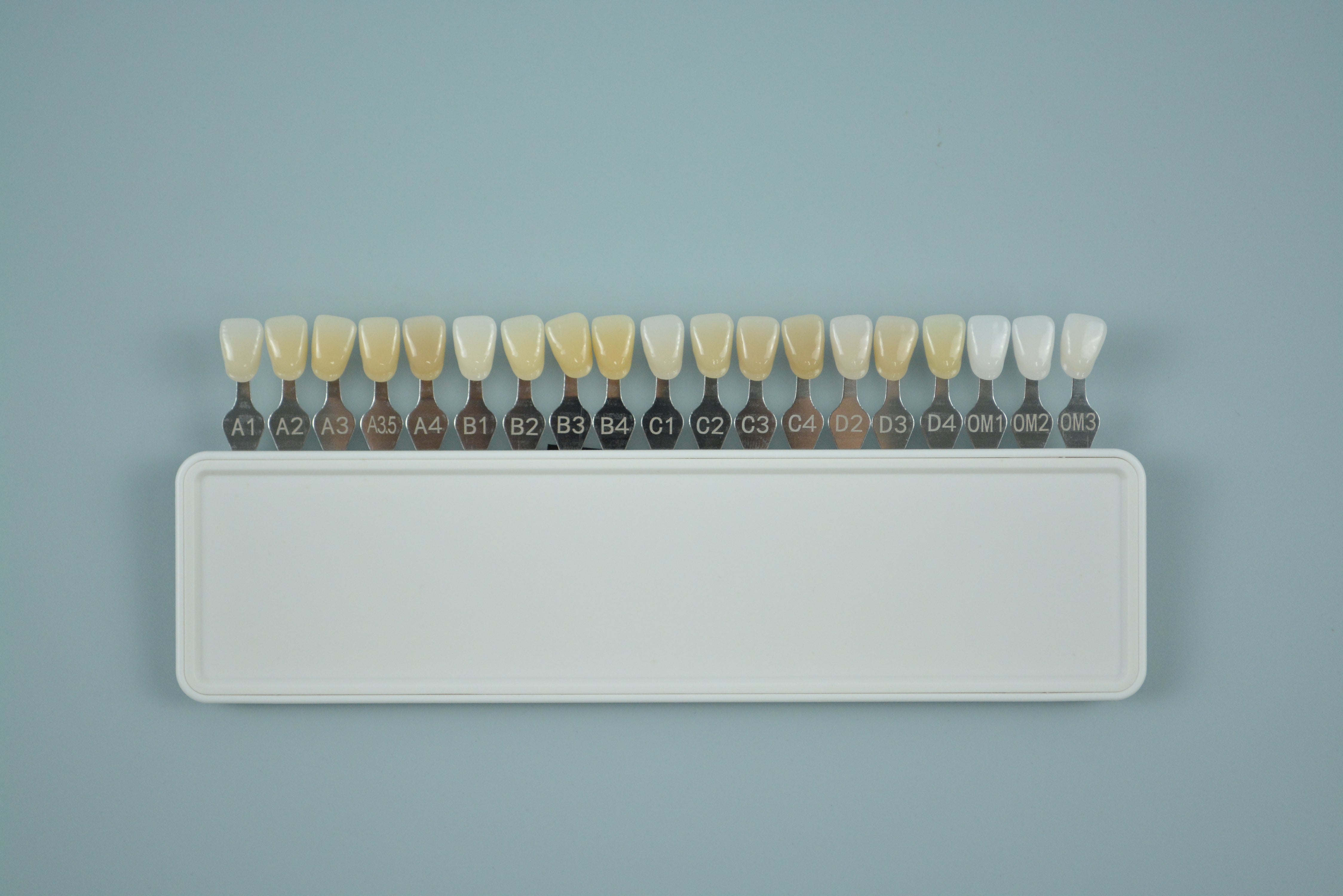
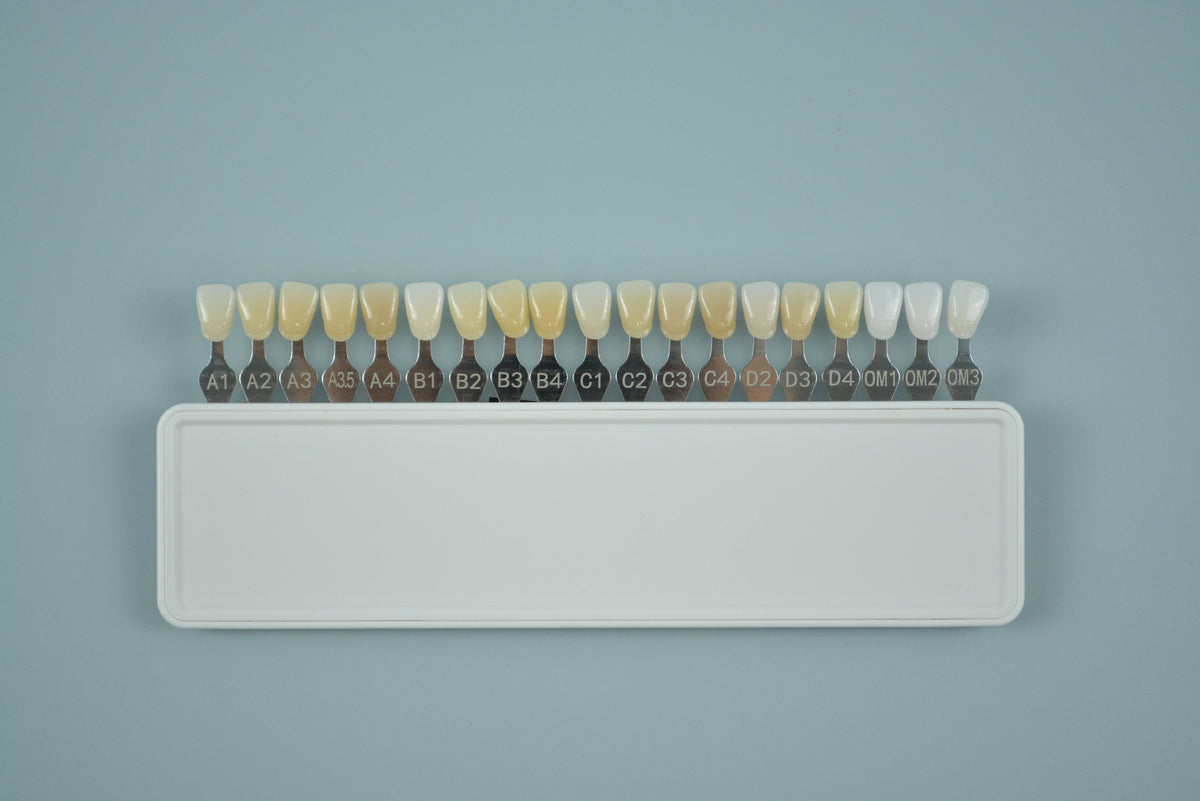
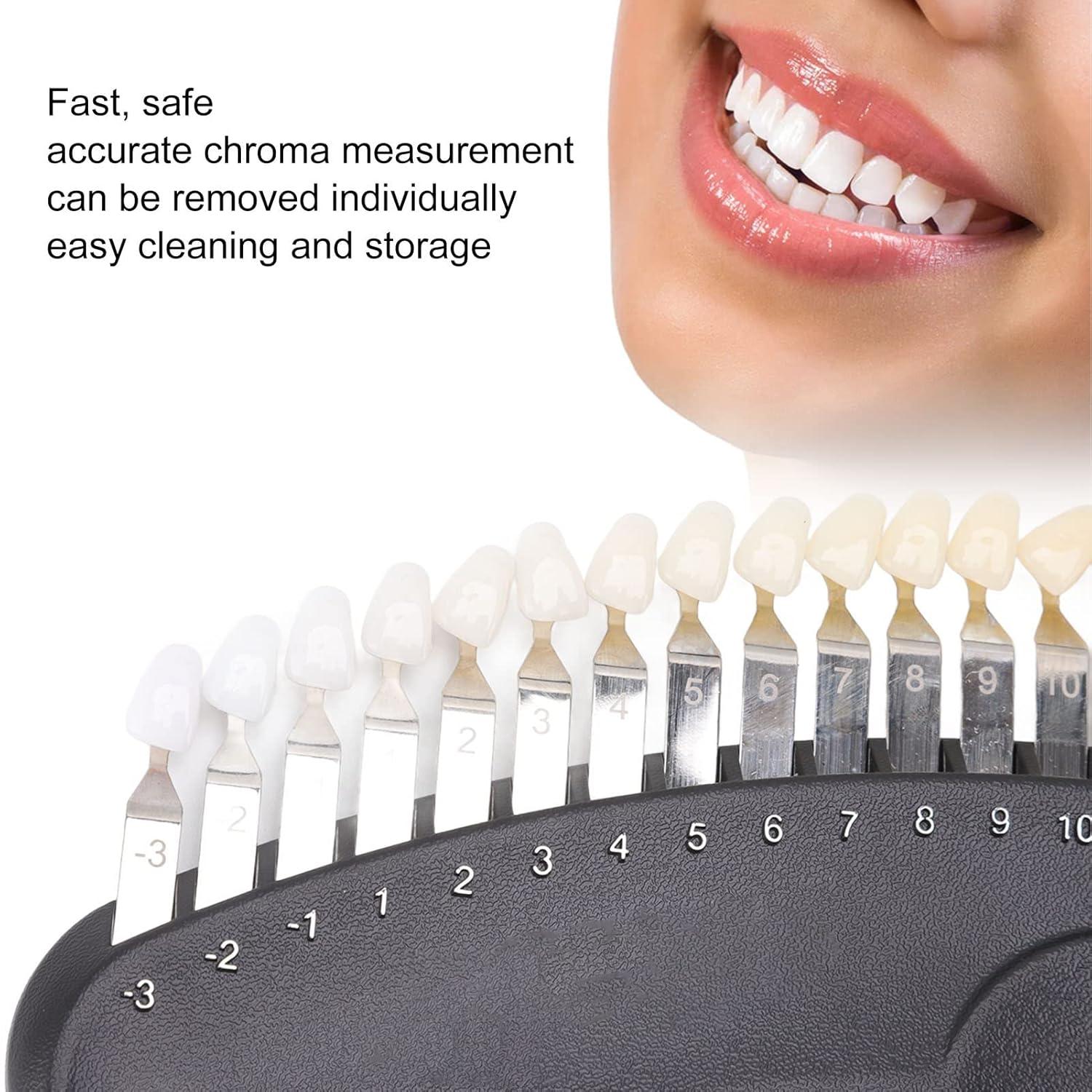
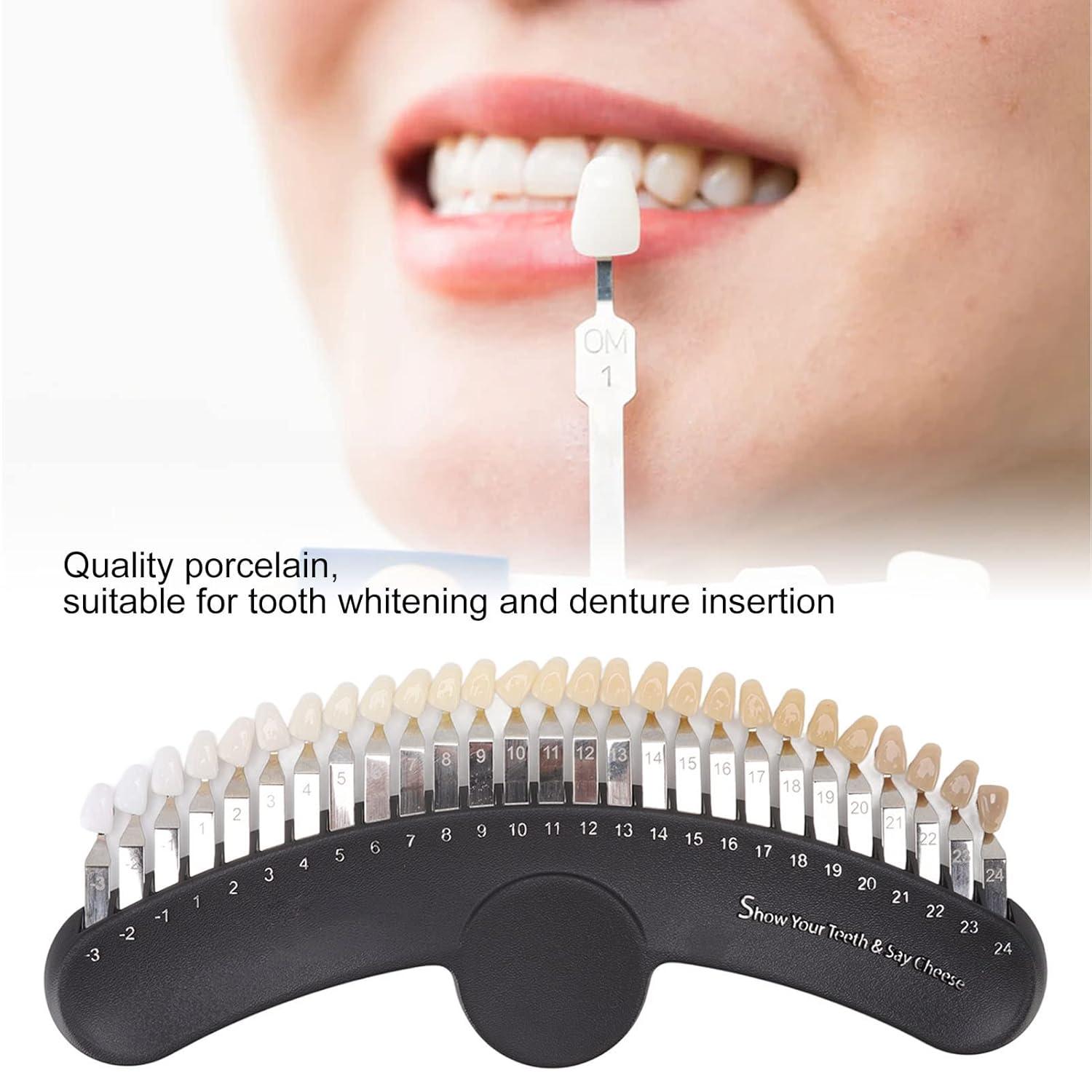
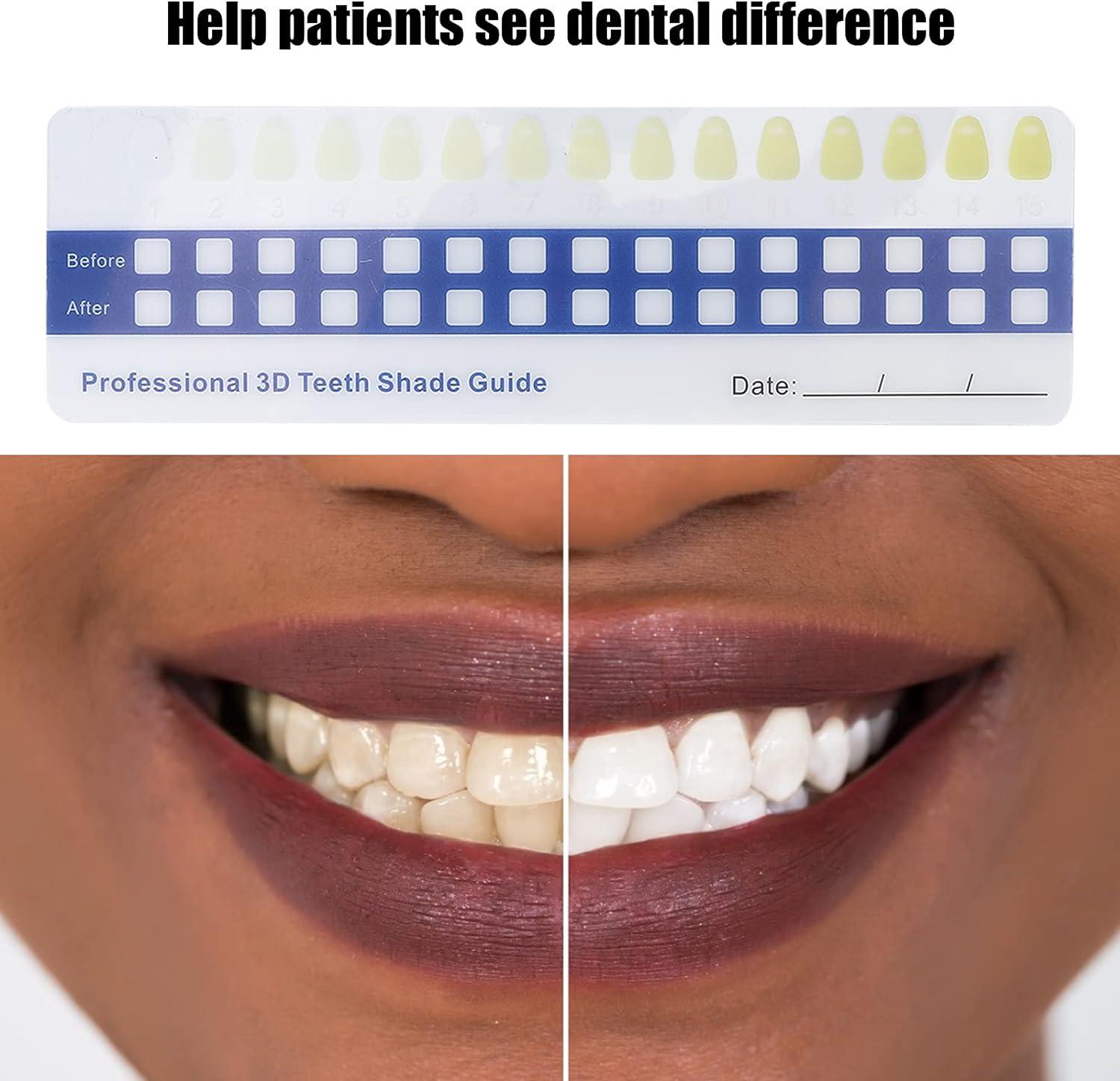
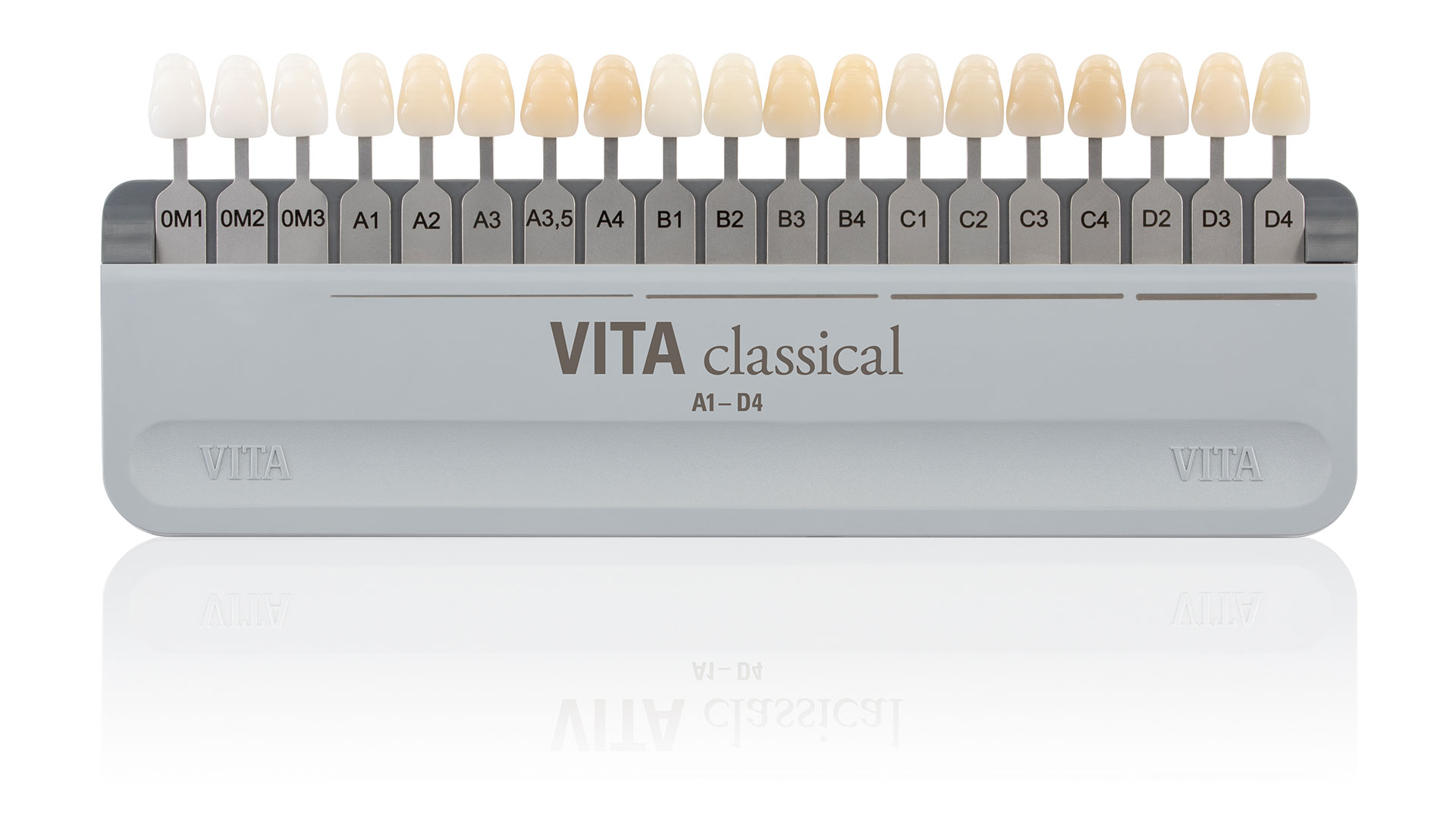
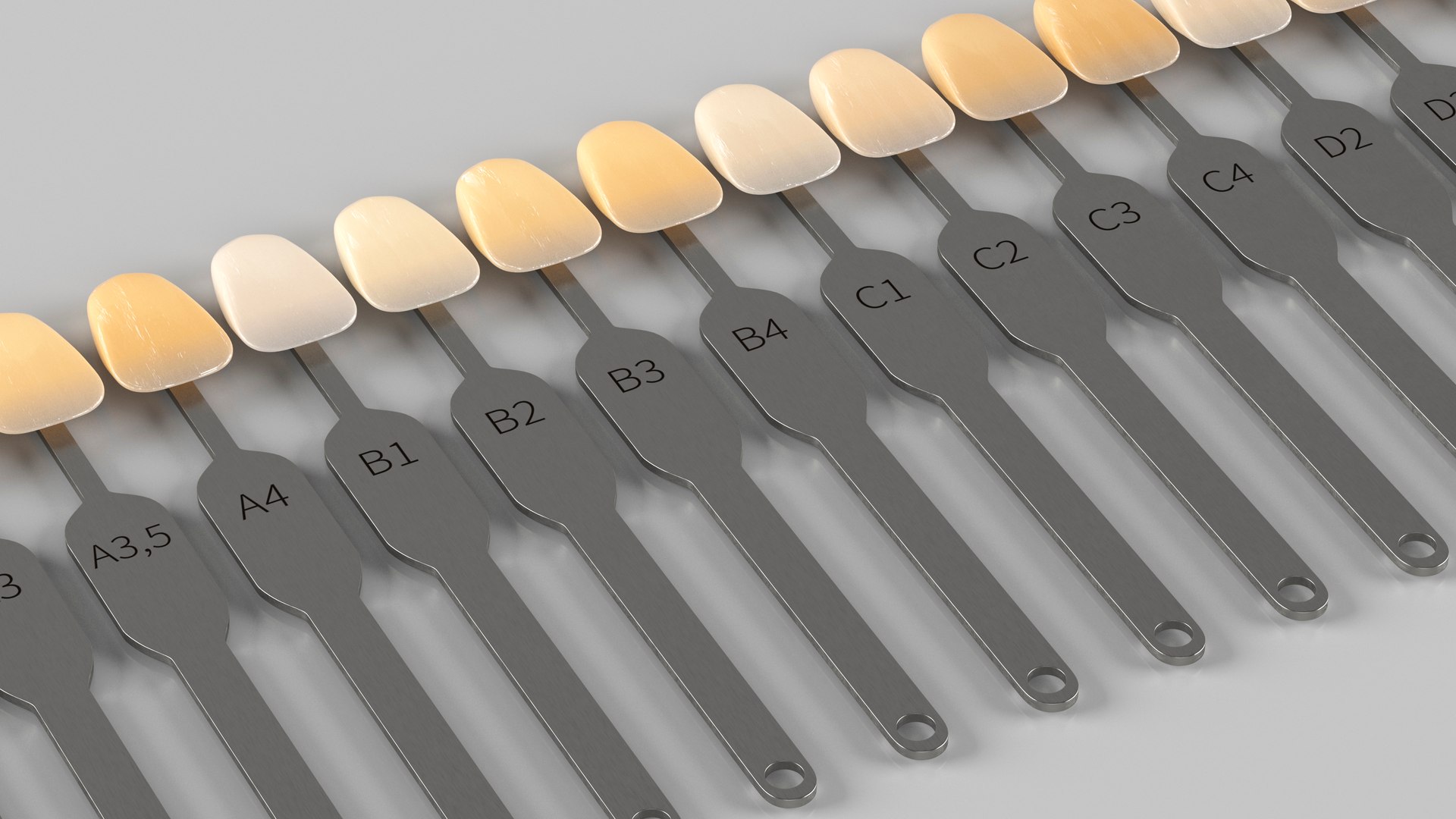
A common misconception about tooth shade charts is that they are complex and intimidating tools, reserved only for dental professionals. However, these charts are designed to be accessible and practical, offering a simple visual reference for anyone seeking to understand tooth shades accurately. The tooth shade chart, whether in the form of a guide or a scale, provides a clear and organized way to identify and match tooth colors, and it's an essential tool for various dental procedures and aesthetic treatments.
A Practical Guide to Tooth Shade Charts
Tooth shade charts are essential tools for dental professionals and technicians, offering a standardized way to assess and communicate tooth color. These charts provide a reference point for various dental procedures, ensuring accurate shade matching and aesthetic outcomes.
Comparing Standard Shade Guides
The most widely recognized tooth shade guide is the Vitapan 3D-Master Shade Guide. This guide features a systematic arrangement of shades, typically organized in a step-like structure, with each step representing a different shade range. Other popular systems include the Tabulation of Tooth Color and the Dental Shade Guide, which offer similar shade categorization but may vary in their specific numbering or labeling systems.
Practical Shade Matching Process
Using a tooth shade chart accurately involves a straightforward process:
- Prepare the teeth: Ensure the teeth are clean and dry, free from any debris or moisture.
- Lighting conditions: Standardize lighting to ensure consistent and accurate shade assessment. Natural daylight or specialized dental lighting systems are often recommended.
- Select the guide: Choose the appropriate shade guide based on the specific dental procedure and the patient's needs.
- Compare and match: Hold the guide next to the teeth and compare the shades. Look for the closest match, considering both the overall color and any subtle variations.
- Record the shade: Note the shade code or name from the guide for future reference and communication.
- Verify and confirm: Double-check the shade with the patient and ensure it aligns with their expectations and preferences.
Avoiding Misinterpretations and Pitfalls
While tooth shade charts are valuable, misinterpretations can occur. Here are some common pitfalls and how to avoid them:
- Lighting: Inconsistent lighting can lead to incorrect shade assessments. Always ensure proper lighting conditions to maintain accuracy.
- Teeth preparation: Poorly prepared teeth, with residual stains or moisture, can affect shade matching. Proper cleaning and drying are essential.
- Chart variations: Different shade guides may have slight variations in their shade ranges and labeling. Always refer to the specific guide's instructions and double-check the shade codes.
- Individual variations: Keep in mind that tooth color can vary due to factors like age, genetics, and oral health. Be mindful of these variations and communicate them clearly.
- Environmental factors: External factors like lighting conditions and the patient's overall complexion can influence shade perception. Take these into account during the matching process.
By following these guidelines and being aware of potential pitfalls, dental professionals can utilize tooth shade charts effectively, ensuring precise shade matching and enhancing the overall patient experience.
Using a tooth shade chart is a straightforward process, but it's important to remember that the exact values and shades can vary slightly, so always refer to the specific standard or source you're working with. Double-check the details and ensure you're using the right guide for your needs.
Feel free to explore our other guides and resources; we've got plenty of practical information to help you navigate various topics. It's always a good idea to expand your knowledge and stay informed!