







Tragedy Written By Shakespeare Overview
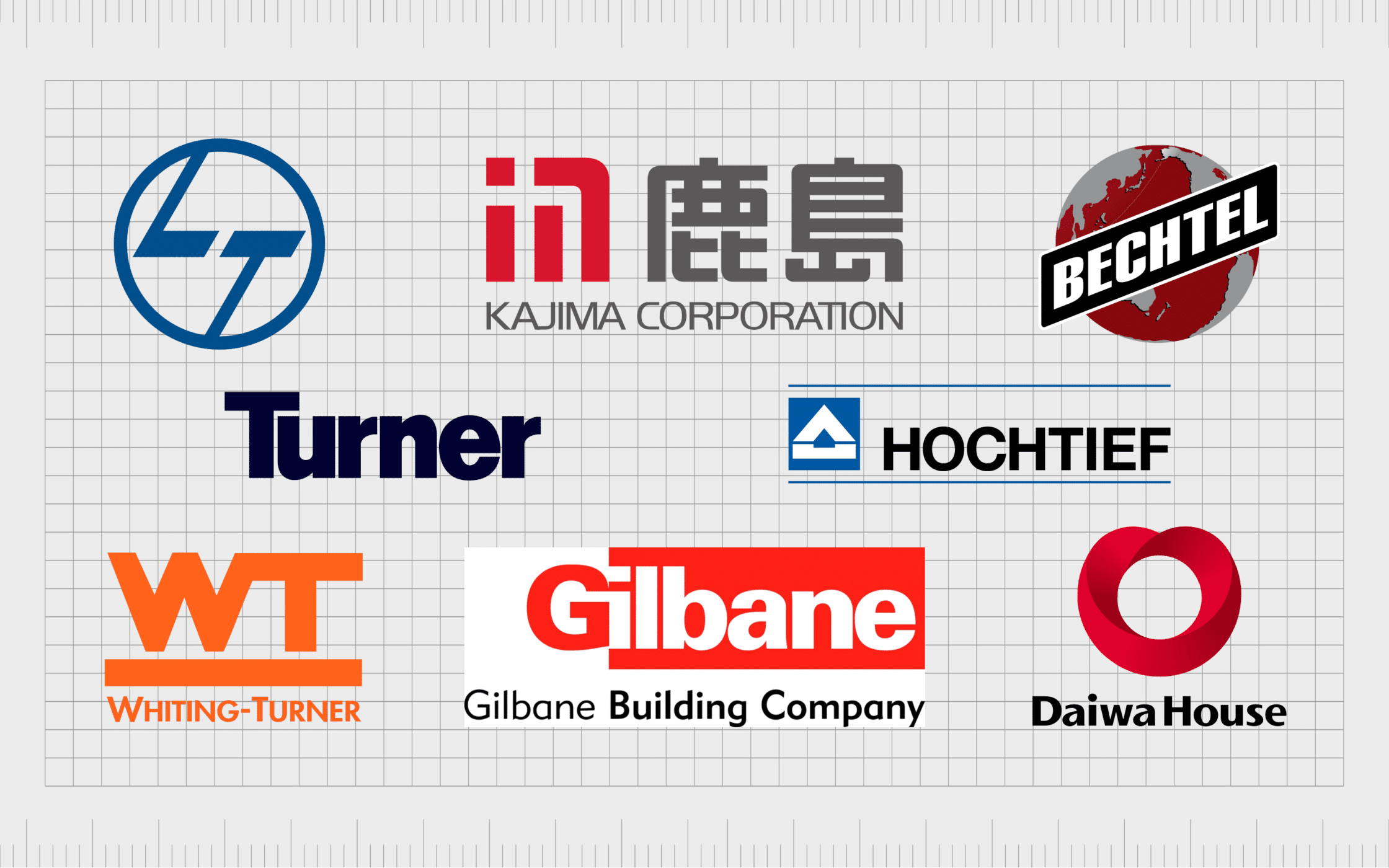
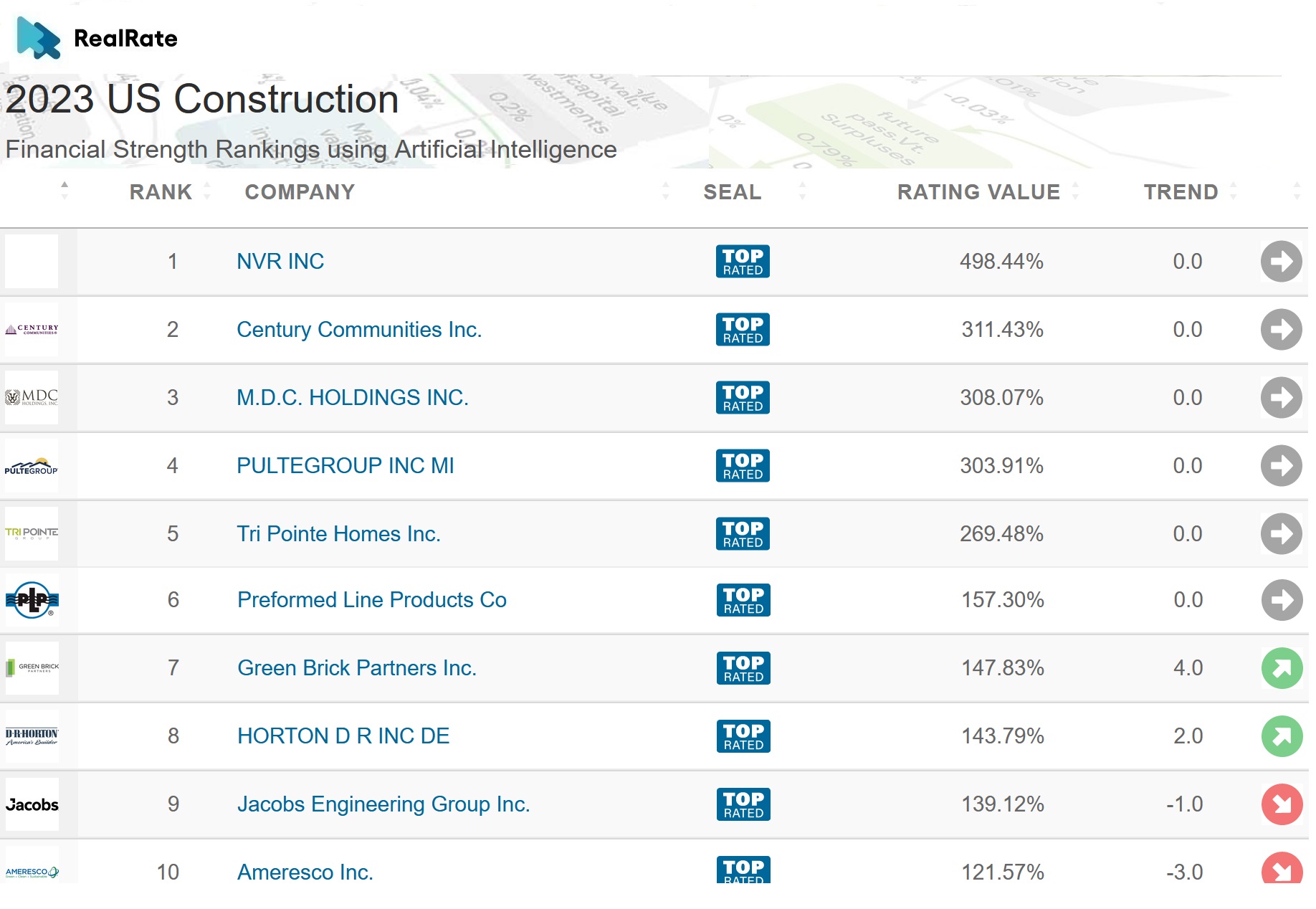
Hey, I'm curious about this list of top 50 construction companies in the USA I found online. Who are these giants, and how do they stack up? I mean, what's the deal with these big names in the industry? Let's explore and see what we can uncover!
Unveiling the Top 50: A Closer Look
When we talk about the top 50 construction companies in the USA, we're referring to the industry's heavyweights. These are the firms that have made a significant impact and left their mark on the construction landscape. But what sets them apart? Well, it's a combination of factors. These companies often have a long-standing reputation, a solid track record, and a diverse range of projects under their belt. They might specialize in certain areas, like commercial or residential construction, and have the resources to take on large-scale ventures.
One of the key aspects to consider is their reach. Many of these top companies operate nationwide, with a presence in multiple states. This allows them to tackle projects of all sizes and cater to a wide range of clients. It's also worth noting that their size often translates to a larger workforce, which can be an advantage when it comes to managing complex projects with tight deadlines.
Practical Insights for Construction Enthusiasts
So, why does this list matter to us? Well, for one, it can be a great resource when you're looking to hire a contractor or company for your own construction needs. These top companies often have a wealth of experience and can offer a certain level of assurance when it comes to quality and reliability. However, it's important to remember that just because a company is on this list, it doesn't mean they're the right fit for every project.
When hiring, it's crucial to assess your specific needs and compare quotes. Don't be afraid to ask questions and seek references. A good quote should provide a detailed breakdown of costs, including labor, materials, and any additional fees. It's also a good idea to check their licensing and insurance, especially for larger projects.
Naming and Branding: A Quick Note
Naming a construction company can be an art in itself. A great name should be memorable, reflect the company's values or services, and be unique enough to stand out. Some companies opt for a straightforward approach, using their founder's name or a simple description of their services. Others go for a more creative route, choosing a name that's catchy and easy to remember.
Here are a few original name ideas:
- BuildCraft
- Constructive Solutions
- Skyrise Builders
- Foundation First
- HomeCrafters
- BuildPro
Remember, before finalizing a name, check its availability for domains and local registration to avoid any legal hiccups.
A Glimpse into the Industry
The construction industry is a diverse and dynamic field, offering a range of roles and opportunities. From general contractors to estimators and project managers, there's a role for almost every skill set. Salaries can vary greatly depending on experience, location, and the specific role.
When it comes to finding construction jobs, online job boards and industry-specific websites are a great place to start. Many companies also post their openings on social media or their own websites, so it's worth keeping an eye out.
Tools of the Trade: A Brief Overview
In the construction world, tools like RSMeans are highly valued. RSMeans is a cost database that provides valuable insights and estimates for construction projects. It's a go-to resource for many in the industry, offering accurate data on material and labor costs.
Another important aspect is escalation, which refers to the potential increase in costs over time. This could be due to factors like inflation or changes in the market. Construction companies often use cost indexes to track and predict these escalations, helping them provide more accurate quotes and manage projects effectively.
Final Thoughts
So, there you have it! A quick dive into the world of the top 50 construction companies in the USA. While we can't delve into every detail or provide exact rankings, we've uncovered some practical insights and interesting aspects of the industry. Remember, when it comes to construction, it's always a good idea to do your research, compare quotes, and ensure you're getting the best fit for your specific needs. Happy building!
Related: Link Seal Chart: Your Simple Reference Guide
You're probably familiar with the link seal chart, a handy reference tool for anyone working with seals and their applications. It's a simple yet effective visual guide, offering a quick and reliable way to understand seal measurements and types. This chart, with its clear layout, provides an efficient solution for those seeking precise information without the need for extensive research. While the values and formats may vary depending on certain factors, the link seal chart serves as a valuable starting point, ensuring you have the right data at your fingertips.
Link Seal Chart: Unlocking the Secrets of Effective Sealing
The link seal chart is a valuable tool for anyone involved in construction, engineering, or industries requiring precise sealing solutions. This reference guide provides a clear understanding of the various seal types, their dimensions, and their applications. By using the link seal diagram, you can make informed decisions and ensure successful installations.
Key Measurements and Categories
The chart presents a comprehensive overview of standard link seal dimensions, offering a quick reference for professionals. It typically includes columns indicating the seal type, its size or diameter, and other relevant specifications. Common seal types, such as single, double, or triple-link seals, are categorized and measured in inches or millimeters, depending on the standard being used. Each seal type has its unique characteristics and is designed for specific purposes.
Understanding the Chart: A Step-by-Step Guide
Reading the link seal chart is straightforward. First, identify the seal type you require for your project. The chart will provide a range of options, each with its own set of dimensions. Pay close attention to the seal's diameter, as this is a critical measurement for proper installation. Additionally, the chart may offer insights into the seal's material, which is essential for compatibility and durability considerations.
Here's a simple step-by-step process:
- Identify the seal type needed.
- Locate the seal on the chart and note its diameter.
- Check the material and ensure it aligns with your project requirements.
- Cross-reference with industry standards or manufacturer specifications for any specific tolerances or additional details.
Seal Variations and Practical Tips
While the link seal chart provides a valuable framework, variations can occur due to industry standards, regional differences, and specific use cases. It's essential to be aware of these potential discrepancies. Here are some key factors to consider:
- Standard link seal dimensions may differ slightly between regions, so always double-check the relevant standards for your location.
- Manufacturer-specific charts might offer unique seal types or measurements, so refer to their guides for accurate information.
- Environmental factors, such as temperature and pressure, can influence seal performance, so choose seals suitable for your application.
Remember, the link seal chart is a practical tool, but it's essential to adapt and verify the information for your specific project needs. With this guide, you can confidently navigate the world of sealing solutions and ensure successful installations.
Hey there! I hope this link seal chart has been a helpful reference for you. Remember, while the basics remain consistent, the exact details can shift a little based on your specific context or the standards you're working with.
Feel free to keep this page bookmarked for future use. It's always handy to have a quick, reliable guide like this at your fingertips. You might also want to explore some of our other practical guides for more tips and tricks. Happy referencing!
Related: How to use the ski height chart?
You're probably here because you need a quick answer, a simple guide to help you choose the right skis. Well, you've come to the right place! The ski height chart is your go-to tool for ensuring you get the perfect ski length. It's a handy reference, offering a quick and reliable way to find your ideal ski size. These charts often provide a ski length guide, giving you a starting point for your search. While the exact values may vary depending on your skiing style and preferences, the ski height chart is a great starting point for your ski sizing journey.
Understanding Ski Height: A Quick Overview
The ski height chart is a handy tool that simplifies the process of choosing the right ski length for your height and skill level. It provides a visual guide, often in the form of a table or diagram, to help you select skis that offer the best performance and control.
Comparing Ski Height Standards and Formats
There are a few key standards and formats for ski size charts. The most common ones are based on height and skill level, with recommendations for ski lengths in both centimeters and inches. These charts typically offer a range of ski lengths suitable for your height, ensuring you find the right fit.
How to Use the Ski Height Chart: A Step-by-Step Guide
Start by identifying your height. This is a crucial piece of information for using the chart accurately.
Next, determine your skill level. Are you a beginner, intermediate, or advanced skier? This factor influences the recommended ski length, as it's tailored to your experience and ability.
Refer to the chart and locate your height range. You'll typically find a column or section dedicated to your height, with suggested ski lengths.
Choose the ski length that aligns with your skill level within that height range. For example, a beginner within a certain height range might be advised to choose a shorter ski length for better control, while an advanced skier might opt for a longer ski for more speed and stability.
If you're between two sizes, consider your personal preference and the terrain you typically ski on. Longer skis offer more speed and stability but can be harder to maneuver, while shorter skis are easier to control but may feel less stable at higher speeds.
Common Misreadings and How to Avoid Them
It's important to remember that ski height charts provide general recommendations. Your personal preferences, skiing style, and the specific terrain you ski on can influence your choice. Always consider these factors when selecting skis, and don't hesitate to seek advice from ski professionals if you're unsure.
Additionally, be mindful of the units used in the chart. Some charts use centimeters, while others use inches. Ensure you understand the units to make an accurate selection. If you're unsure, you can always use a cm to inches conversion tool to double-check.
Well, that's a wrap on our ski height chart adventure! We've covered a lot of ground, from understanding the basics to navigating the different options and avoiding common pitfalls.
Remember, when it comes to ski height, there's no one-size-fits-all approach. So, before you hit the slopes, take a moment to ensure you've considered your unique needs and preferences. With the right ski length, you'll be carving down the mountain like a pro in no time!
And if you're keen to explore more ski-related topics, feel free to browse our other guides. We've got plenty of practical tips and tricks to keep you informed and inspired. Happy trails!