

Transparent Sparkle Gif Overview
Many people mistakenly believe that the au periodic chart is solely for scientists and chemists, but this couldn't be further from the truth! It's a handy tool for anyone seeking precise information about gold and its various forms.
The chart offers a straightforward way to understand gold's atomic weight, purity levels, and even its role in alloy creation. While the values may differ slightly depending on the standard or region, the au periodic chart remains a reliable and accessible reference for all things gold-related, from the atomic weight chart to the karat purity scale.
Understanding the AU Periodic Chart: An Overview
The AU periodic chart is a handy reference tool for anyone working with gold and its alloys. It provides a quick and easy way to understand the composition and purity of gold-based materials. This chart is especially useful for jewelry makers, metalworkers, and anyone dealing with precious metals.
Comparing Standards and Formats
The AU periodic chart comes in various formats and standards, depending on your region and specific needs. The most common standards are the US and international (metric) systems, each with its own set of measurements and categories. For instance, the US standard uses the karat scale to indicate gold purity, while the international standard often refers to fineness or parts per thousand.
Using the AU Periodic Chart: A Step-by-Step Guide
Here's a simple guide on how to use the AU periodic chart:
Identify the Standard: First, determine which standard your chart follows. Is it the US or international standard? This information is usually indicated on the chart itself.
Read the Karat Scale: If you're using a US-standard chart, the karat scale will be your primary guide. It shows the percentage of pure gold in an alloy. For example, 24 karat gold is pure gold, while 18 karat gold contains 75% pure gold and 25% other metals.
Understand Fineness: In the international standard, fineness indicates the parts per thousand of pure gold. So, 999 fineness means 99.9% pure gold.
Common Alloy Blends: The chart often includes common alloy blends and their compositions. These blends can vary, but typical alloys include copper, silver, and other metals to enhance durability and color.
Convert and Calculate: If you need to convert between standards or calculate specific alloy compositions, the chart may provide conversion factors or formulas. These can be useful for precise measurements.
Avoiding Misreadings and Pitfalls
It's important to avoid common misreadings when using the AU periodic chart. Here are some tips:
Pay attention to the standard: Ensure you're using the right standard for your region or project. Mixing up US and international standards can lead to significant errors.
Understand the scale: Whether it's the karat scale or fineness, make sure you know how to interpret the values correctly. Misreading these scales can result in inaccurate alloy compositions.
Check for updates: AU periodic charts may get updated periodically to reflect new industry standards or discoveries. Always double-check if you're using an outdated chart to avoid inaccurate information.
Key Factors Affecting Accuracy
Several factors can impact the accuracy of the AU periodic chart and its real-world application:
Precious metal measurements: The purity and composition of gold alloys can vary slightly depending on the source and manufacturing process. Always refer to the specific tolerances and specifications provided by the manufacturer or supplier.
Alloy composition: While the chart provides common alloy blends, actual compositions can vary. Some alloys may contain trace elements not listed on the chart, especially in specialty or custom blends.
Environmental factors: Over time, gold alloys can undergo changes due to exposure to certain chemicals or extreme conditions. These factors can alter the alloy's composition and, consequently, its properties.
Manufacturing processes: Different manufacturing techniques can impact the final composition of the alloy. For instance, casting and rolling processes may introduce variations in the alloy's structure and purity.
Adapting the AU Periodic Chart for Specific Needs
While the AU periodic chart offers a comprehensive guide, it may not cover every specific need or exception. In such cases, you might need to adapt or customize the chart:
Industry-specific charts: Certain industries, like dentistry or electronics, may have their own gold standard references with unique composition requirements. Ensure you're using the right chart for your industry.
Custom blends: If you're working with custom alloy blends, you may need to create your own reference chart or consult with a metallurgist to determine the exact composition and properties of your alloy.
Regional variations: Some regions may have unique standards or traditions when it comes to gold alloys. Always consider local practices and regulations when adapting the chart for your specific needs.
So, there you have it! A comprehensive guide to navigating the au periodic chart. Remember, this chart is a handy tool, but it's always wise to double-check the specifics for your unique situation. No two projects are the same, and while this chart offers a great starting point, your context might require some tweaks.
Feel free to bookmark this page for future reference. It's a simple yet effective resource to have at your fingertips, and you never know when it might come in handy!
Related: Construction Escalation Calculator Essential Guide
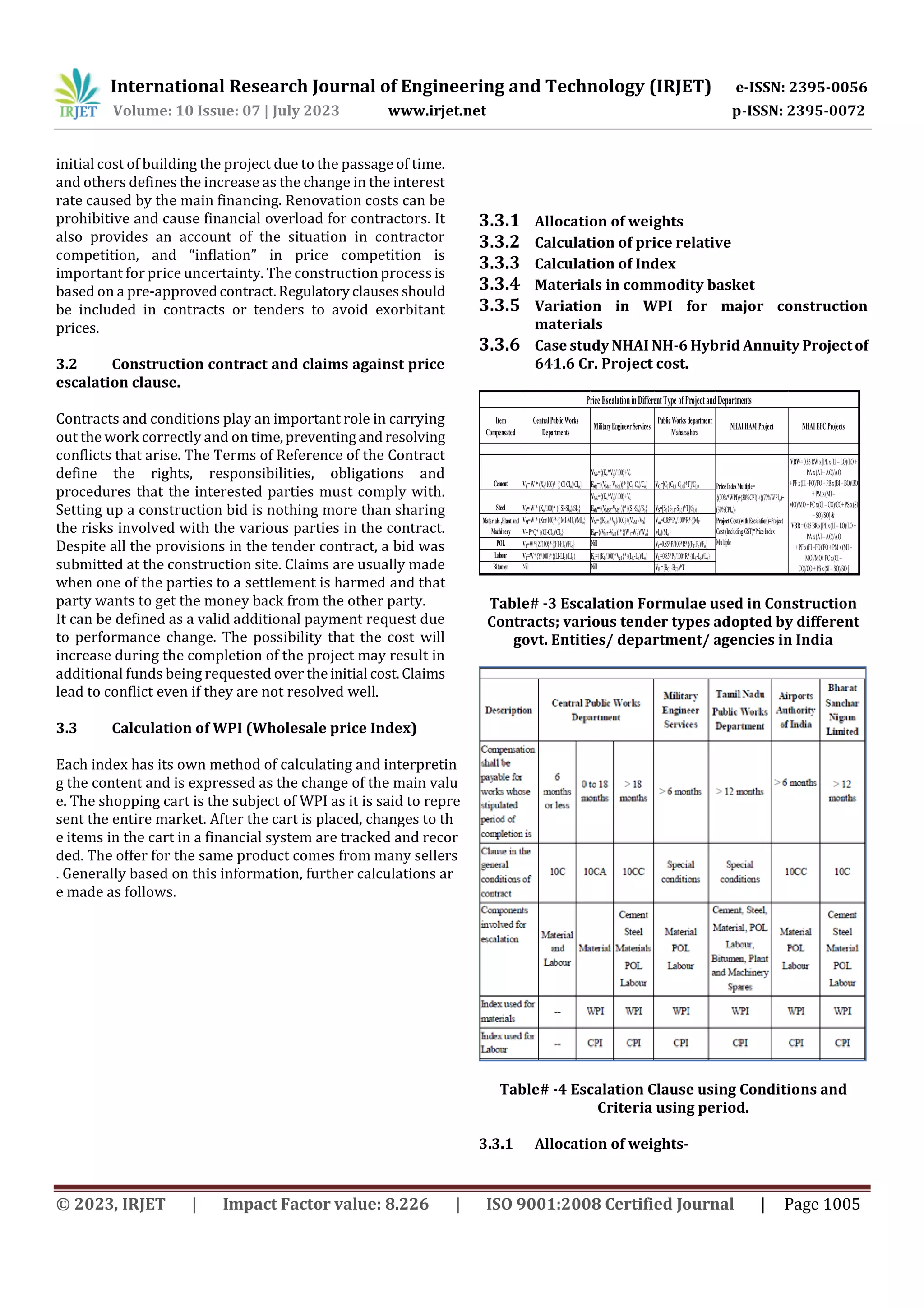
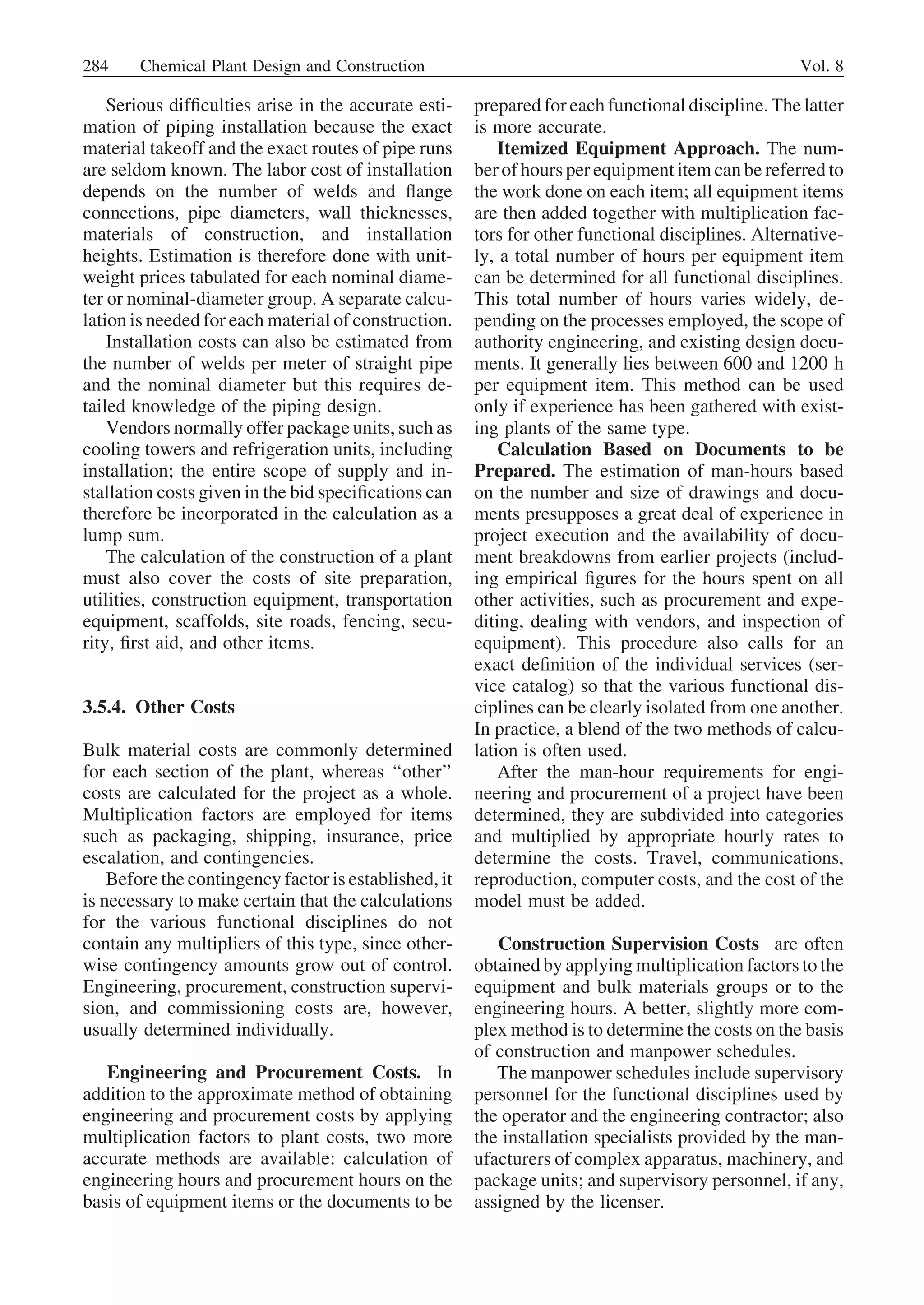
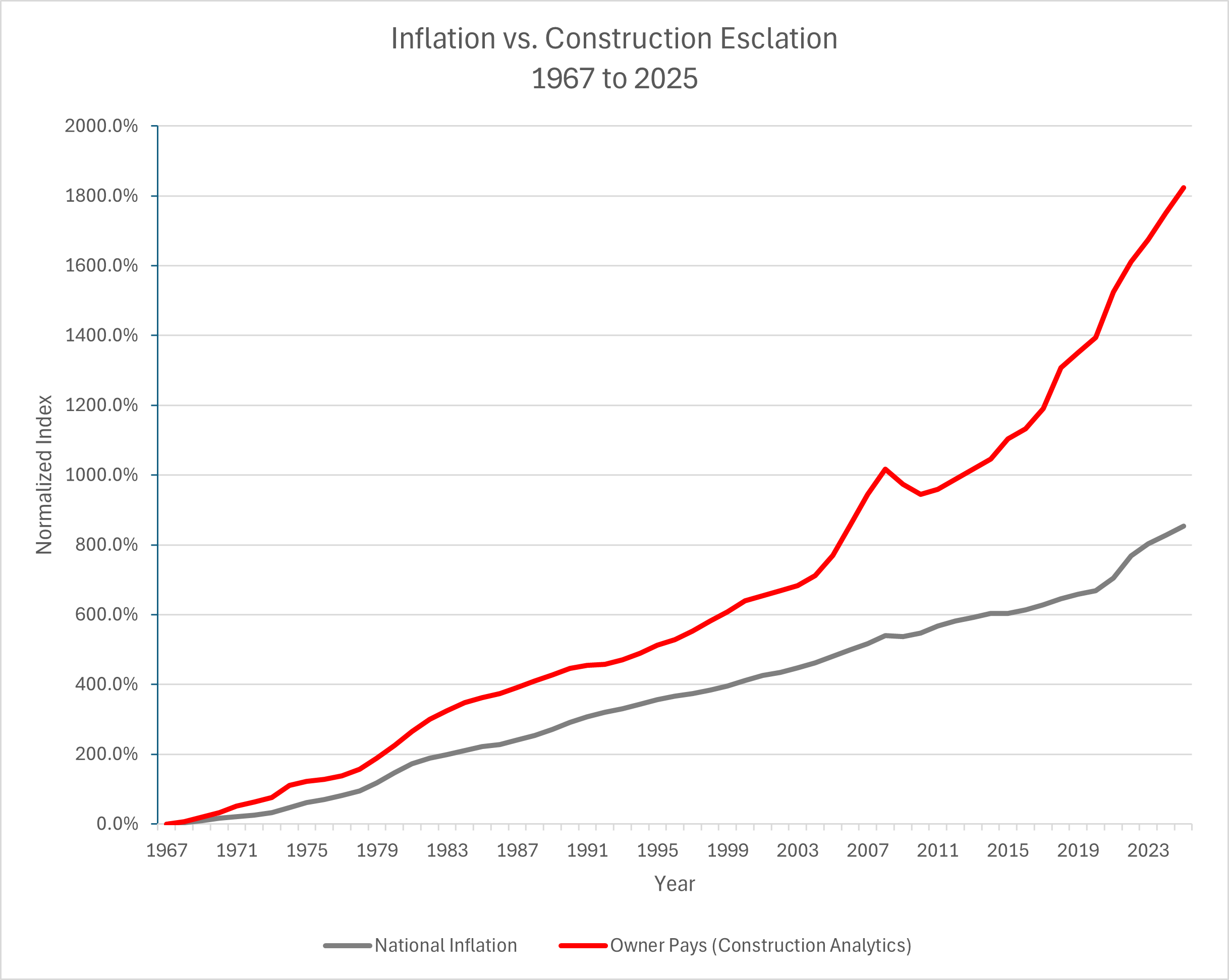
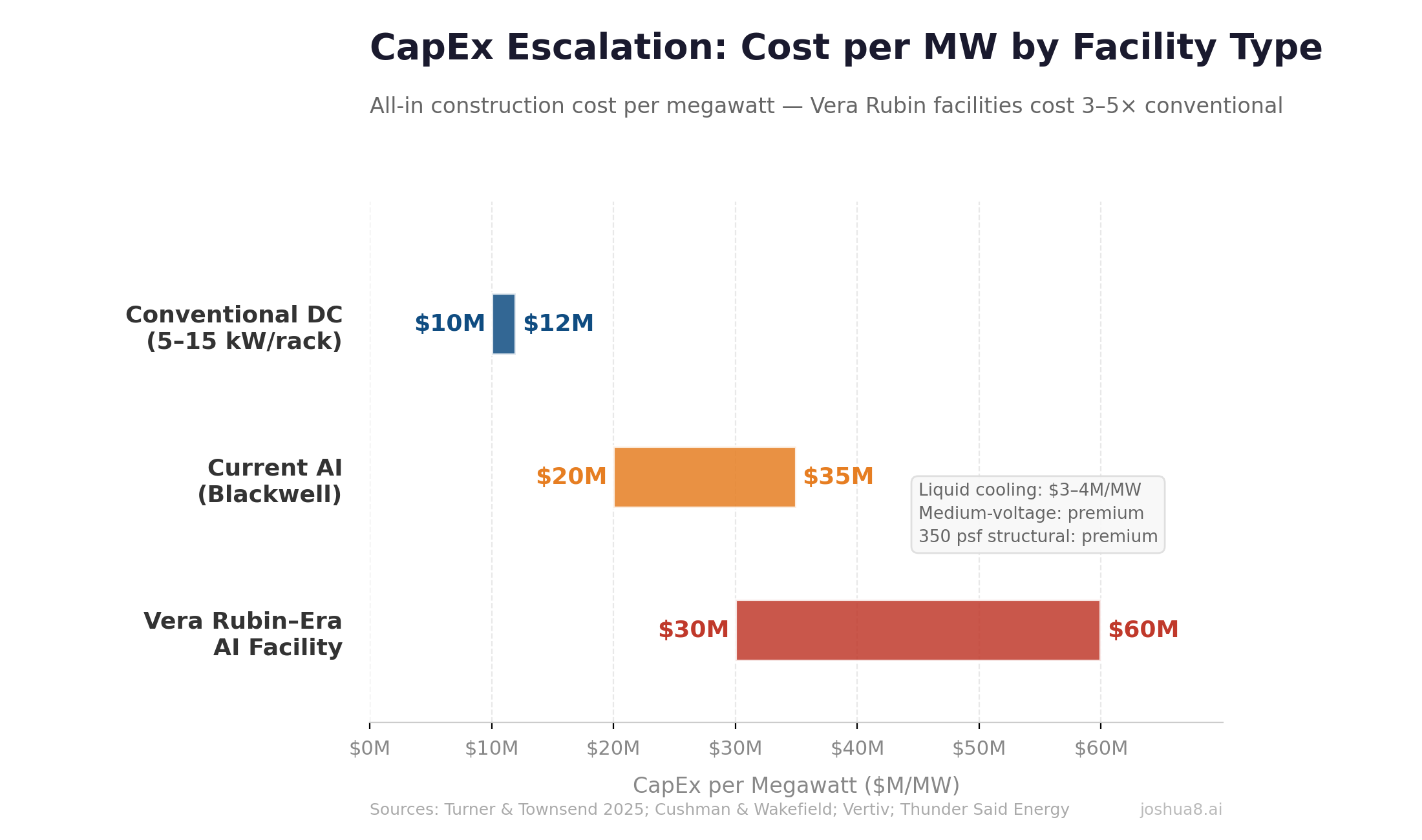
I've got a question for you: how do you keep track of those ever-changing construction costs? You know, the ones that seem to go up every time you turn around? Well, that's where the construction escalation calculator comes in handy! It's like a secret weapon for anyone in the building game, and I'm here to spill the beans on how it works.
Understanding Construction Escalation
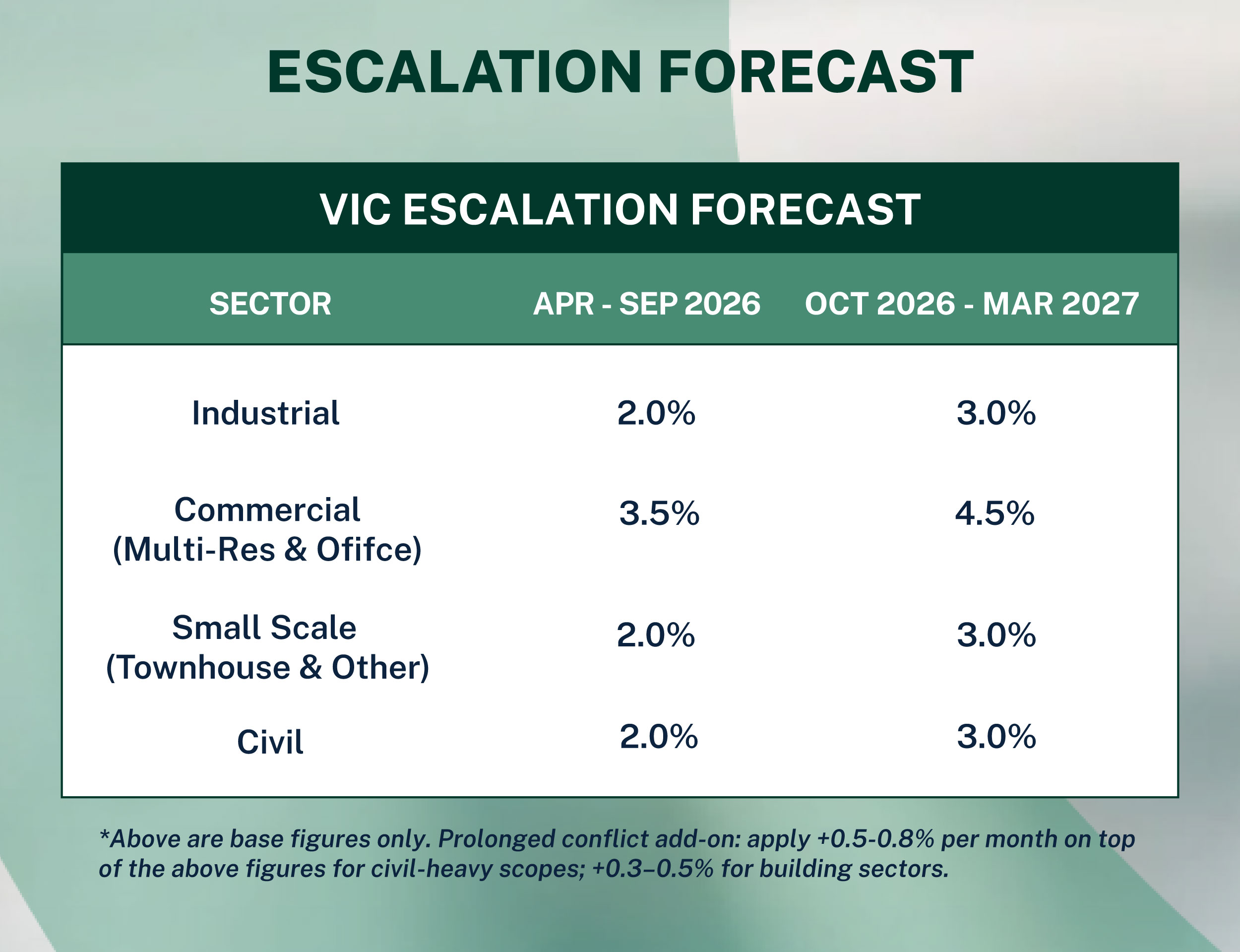
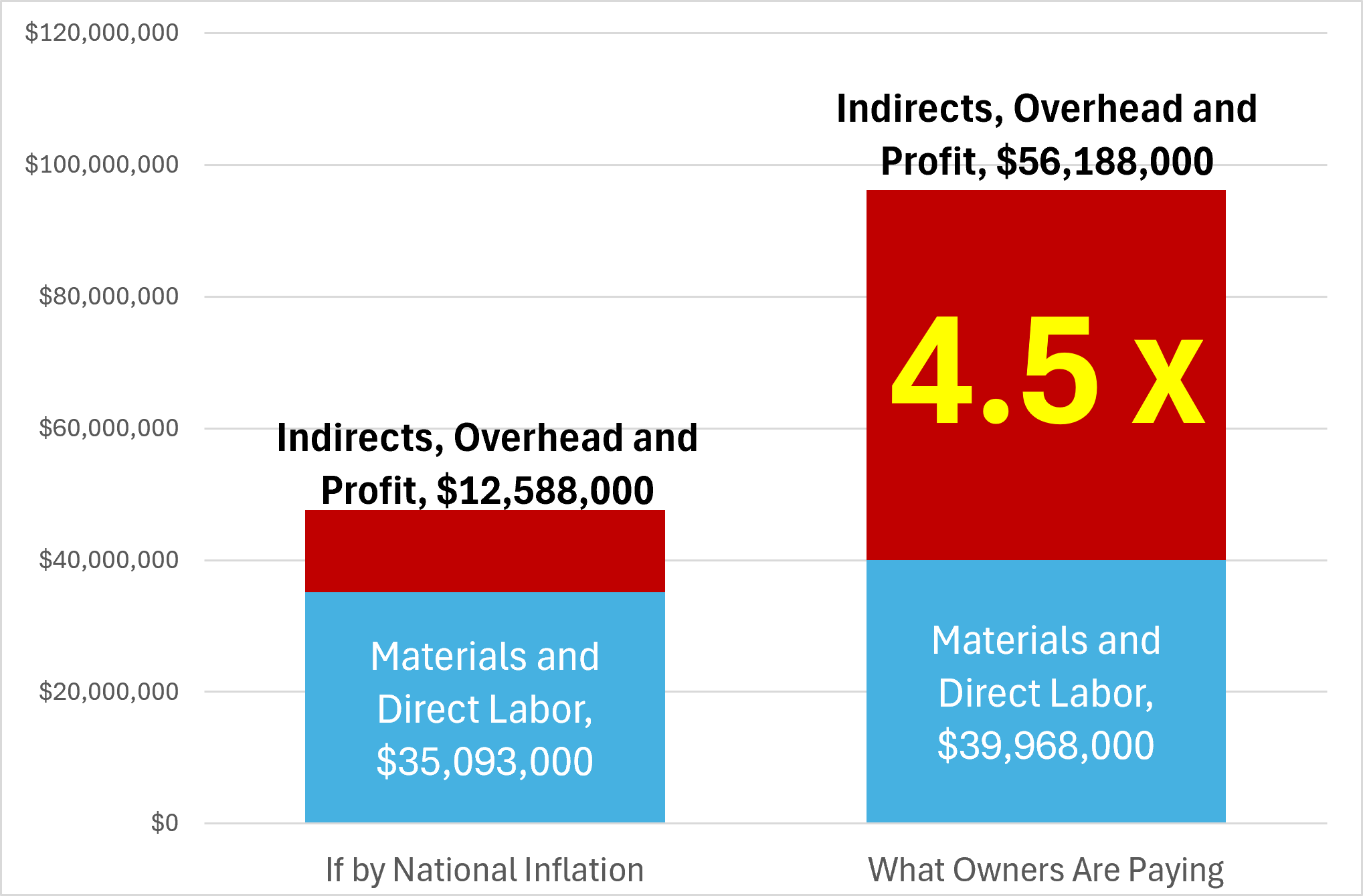
So, what's this construction escalation calculator all about? In a nutshell, it's a tool that helps you predict and manage the rising costs of construction projects. You see, things like materials, labor, and even the cost of living can change over time, and these changes can affect your budget. The calculator takes into account these potential increases, giving you a more accurate picture of what your project might cost in the future. It's a handy way to stay ahead of the game and avoid any nasty surprises down the line.
How It Works for You
The construction escalation calculator is a simple yet powerful tool. You input the current costs of your project, including materials, labor, and any other relevant expenses. Then, you choose an escalation rate, which is basically an estimate of how much costs might increase over time. This rate can vary depending on the project's duration and the market conditions. Once you've got your escalation rate, the calculator does its magic, giving you a projected cost for the future. This way, you can plan your budget and negotiate contracts with a clearer idea of what's to come.
Benefits for Contractors and Homeowners
For contractors, a construction escalation calculator is a lifesaver. It helps you provide more accurate quotes to clients, ensuring you don't undercut yourself. It also allows you to build a more reliable schedule, taking into account potential cost increases. As for homeowners or businesses planning renovations, this tool gives you a clearer idea of the overall cost of your project. You can use it to compare quotes from different contractors and ensure you're getting a fair deal. It also helps you plan your finances, so you're not caught off guard by unexpected expenses.
Naming Your Construction Business
If you're in the market for a catchy name for your construction business, you've got a few things to consider. First, think about what sets your company apart. Is it your specialty in certain types of projects, your unique approach, or maybe your commitment to sustainability? Your business name should reflect this. Keep it simple, memorable, and, if possible, a bit catchy. Here are a few ideas to get you started:
- BuildRight
- Green Construction Co.
- Solid Foundations
- Skyward Builders
- Renova Renovations
Remember, before you settle on a name, check its availability for domains and local registration. You don't want any legal headaches down the line!
Construction Jobs and the Industry
The construction industry offers a wide range of job opportunities, from general contractors and estimators to project managers and specialists in various trades. Estimators, for example, are crucial in putting together accurate quotes and managing costs. They work closely with project managers and clients to ensure the financial side of things runs smoothly. If you're looking for construction jobs, online job boards and industry-specific websites are great places to start. You can also check with local construction companies or reach out to recruitment agencies that specialize in the industry.
The Big Picture: Industry Outlook
When it comes to the construction industry, size matters. Larger firms often have the resources to take on bigger projects and may have more specialized departments, like dedicated cost-estimating teams. They might also have access to better deals on materials and equipment due to their scale. However, smaller companies can offer more personalized service and may be more flexible in their approach. They might be better suited to smaller-scale projects or those with unique requirements. It's all about finding the right fit for your needs.
In conclusion, the construction escalation calculator is a valuable tool for anyone involved in the building industry. It helps you plan, budget, and stay ahead of those pesky cost increases. Whether you're a contractor or a homeowner, it's a simple yet effective way to keep your projects on track. So, the next time you're tackling a construction project, remember to give this calculator a try! It might just save you some headaches down the line.
Related: How to use an ASL alphabet chart?
You're here, searching for that handy ASL alphabet chart, probably needing a quick refresh or a reliable reference. It's a simple yet powerful tool, this chart, a visual guide to the American Sign Language alphabet, offering a clear way to learn and use fingerspelling. Whether you're a beginner or just need a quick reminder, these charts are a handy resource, and they can vary slightly depending on where you find them.
The ASL Alphabet Chart: A Visual Guide
The ASL alphabet chart is a handy tool for anyone learning American Sign Language or wanting to communicate with the deaf community. It's a simple yet powerful reference, showing you the manual alphabet—the foundation of ASL fingerspelling.
Key Details: Understanding the Chart
The ASL alphabet chart displays the 26 letters of the English alphabet, each represented by a unique handshape and movement. These handshapes, or hand signs, are the building blocks of ASL fingerspelling. The chart usually includes clear images or illustrations of each letter, making it easy to visualize and remember.
Reading and Using the Chart: Step-by-Step
Here's how to make the most of your ASL alphabet chart:
- Start with the basics: Begin by familiarizing yourself with the handshapes for each letter. Practice forming these shapes with your dominant hand.
- Pay attention to movement: In ASL fingerspelling, letters are not only about the handshape but also the movement. Some letters involve a quick flick or twist, so observe the direction and speed indicated on the chart.
- Practice regularly: Repetition is key. Use the chart to guide your practice, spelling out words and names. Over time, the movements will become more natural.
- Learn common variations: While the ASL alphabet chart provides a standard, there are some common variations. For example, the letter "S" is often signed with a slight twist, and the letter "Z" may have a more exaggerated movement.
- Apply in context: The chart is a great starting point, but ASL fingerspelling is best learned in real-life conversations. Practice with a friend or join a sign language class to improve your skills.
Common Variations and Why They Happen
While the ASL alphabet chart offers a standard, variations can occur due to regional differences and individual styles. Here are some factors that may cause variations:
- Regional dialects: Just like spoken languages, ASL can have regional variations. Different areas may have slightly different handshapes or movements for certain letters.
- Individual expression: ASL is a visual language, and like any language, personal style can influence how signs are formed. Some signers may add a unique twist to certain letters.
- Context and fluency: As you become more fluent in ASL, you'll notice that fingerspelling often becomes more efficient and natural. This may lead to slight variations in speed or movement.
Avoiding Common Mistakes
To ensure accurate communication, here are some tips to avoid common mistakes when using the ASL alphabet chart:
- Don't rush: Take your time when learning and practicing. ASL fingerspelling is about clarity, so ensure your movements are precise and distinct.
- Practice consistency: Consistency is key. Try to maintain the same handshape and movement for each letter, even if you see variations in other signers.
- Seek feedback: If possible, practice with a fluent ASL user or a teacher. They can provide valuable feedback on your technique and help you refine your skills.
- Stay updated: ASL is an evolving language, so stay informed about any updates or changes to the manual alphabet. Regularly review your ASL alphabet chart to ensure you're using the most current version.
Hey there, I hope this guide has been a helpful reference for you! Remember, the ASL alphabet chart is a handy tool, and while the basics are the same, you might find slight variations in different contexts.
Don't stress over the small differences; just focus on the overall signs and their meanings. If you need a quick refresh on any language-related topics, feel free to explore our other guides too!