

Tread Depth Chart Easy Overview
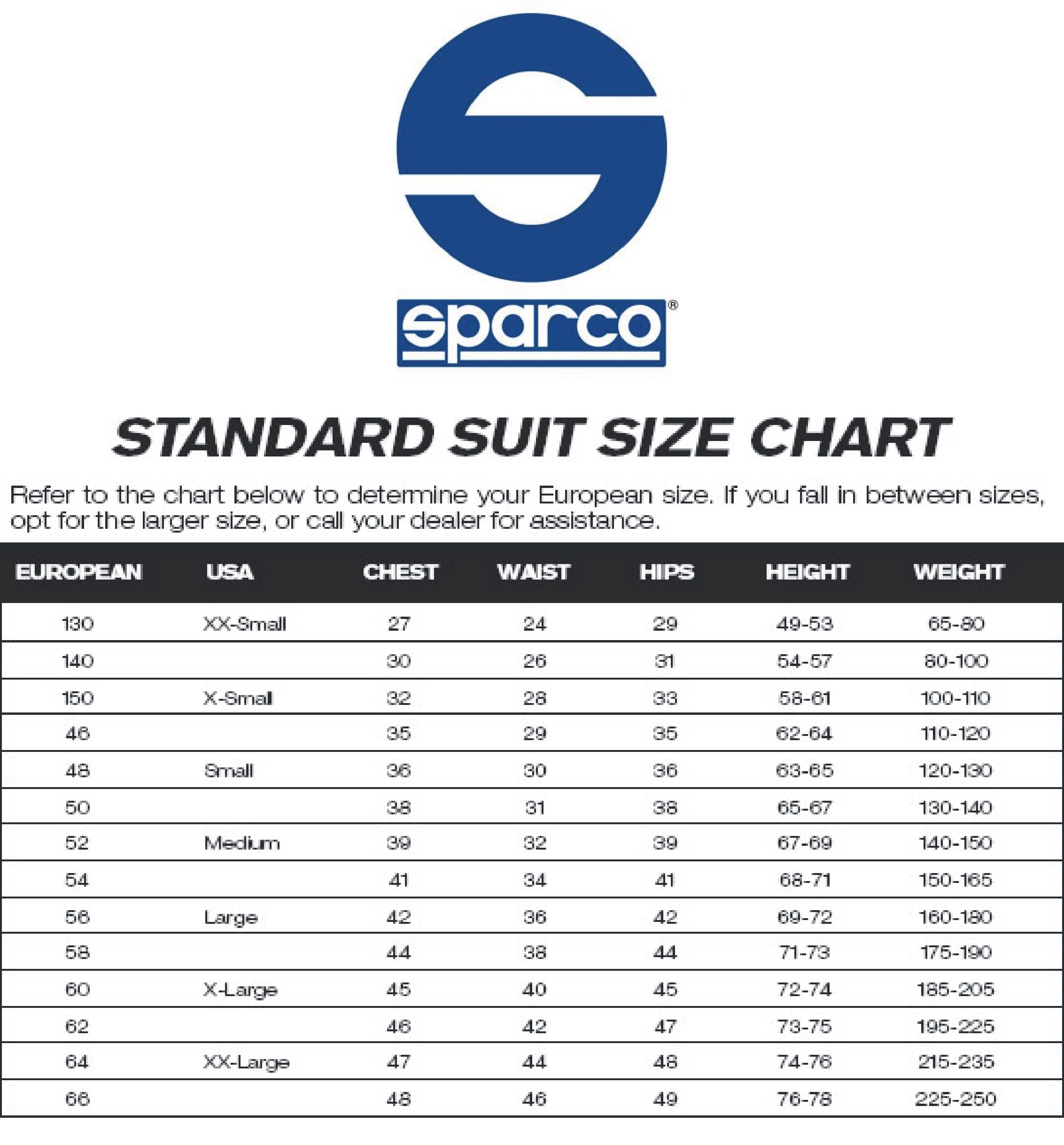
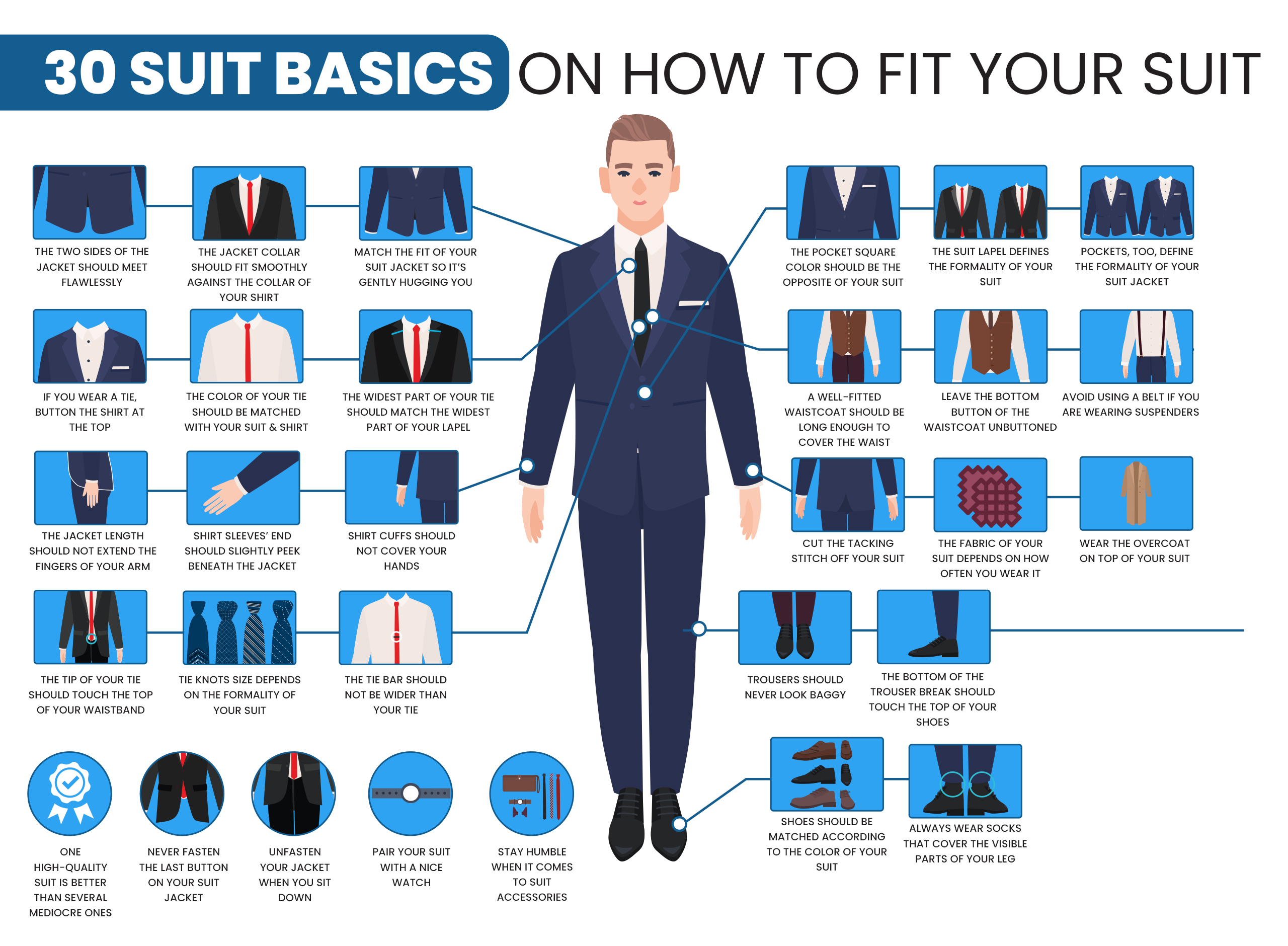
You're likely here because you need a suit size chart to ensure a perfect fit, and you're right to prioritize this. A well-fitted suit is essential, and having an accurate reference is key. The chart provides a simple yet effective way to determine your size, whether you're measuring yourself or referring to a tailor's guide. It's a straightforward process, but it's worth noting that sizing can vary slightly, depending on the brand and your personal preferences. With a quick glance at the suit size chart, you can navigate the differences and find the right measurements for a suit that flatters your figure.
Understanding the Suit Size Chart: A Quick Overview
The suit size chart is an essential tool for anyone looking to purchase or tailor a suit. It provides a standardized guide to help you find the perfect fit for your body type and preferences. This chart offers a simple yet effective way to determine your suit size, ensuring a comfortable and stylish look.
Comparing Suit Size Chart Standards and Formats
Suit size charts can vary slightly depending on the region and standard being used. The most common standards are the US and EU systems, each with its own measurement units and categories. The US system typically uses inches, while the EU system employs centimeters. It's crucial to know which standard you are referring to when using a size chart.
The charts often include categories such as chest size, waist size, and jacket length, providing a comprehensive guide for both the jacket and pants. These categories are further divided into specific measurements, ensuring a precise fit. For instance, the chest size may be categorized into small, medium, and large, with corresponding numerical ranges.
Taking Accurate Measurements: A Step-by-Step Guide
To use the suit size chart accurately, follow these steps:
- Gather a measuring tape and a mirror. Ensure the tape is flexible and can conform to your body's curves.
- Measure your chest size by wrapping the tape around your chest at the widest point, usually just below your armpits. Record this measurement.
- Determine your waist size by measuring the narrowest part of your waist. This measurement is crucial for a well-fitted jacket and pants.
- For jacket length, measure from the base of your neck to where you want the jacket to end. This measurement ensures the jacket's length suits your preference and body type.
- Compare your measurements to the suit size chart's categories and ranges. Choose the size that best aligns with your measurements for a comfortable and stylish fit.
Common Misreadings and How to Avoid Them
Misinterpreting the suit size chart is common, especially when dealing with different standards and measurement units. Always ensure you are using the correct standard for your region or the manufacturer's specifications.
Another pitfall is assuming that one size fits all. Suit sizes can vary between brands and styles, so it's essential to double-check the exact specifications, especially when ordering online. Additionally, remember that the chart provides a guide, and slight variations are normal.
Key Factors Affecting Accuracy and Real-World Use
- Suit measurement guide: Ensure you follow the guide accurately, taking precise measurements.
- Common size variations: Suit sizes can differ between brands, so always check the manufacturer's size guide.
- Pant waist size: This measurement is crucial for a comfortable fit and should be considered carefully.
- Standard suit sizing: While charts provide a standard, individual body shapes and preferences may require adjustments.
- Cm to inches conversion: If you are used to one unit of measurement, ensure you understand the conversion when referring to a different standard.
Adapting the Chart for Your Specific Needs
The suit size chart is a versatile tool, and you can adapt it to suit your preferences and body type. If you prefer a more tailored look, you can use the chart as a starting point and make adjustments based on your measurements.
For instance, if you have a broader chest and a narrower waist, you may need to size up for the jacket and size down for the pants. The chart provides a foundation, but it's essential to consider your unique body shape and style choices.
Remember, the perfect suit fit is a combination of accurate measurements and personal preference. With the right suit size chart and a little tailoring, you can achieve a stylish and comfortable look.
Remember, while this guide offers a comprehensive overview, the exact details can vary slightly across different sources and standards. It's always a good idea to refer back to this page for a quick refresh when you need it, and feel free to explore our other guides for more practical tips and insights. Stay organized, and happy measuring!
Related: Understand the Wire Color Chart: A Quick Guide
You've likely found yourself here because you're seeking a simple, reliable guide to understanding wire color charts and their applications. Whether you're an electrician, a DIY enthusiast, or simply tackling a home wiring project, these charts are an essential tool for accurate identification and safe electrical work. While the values and formats may vary depending on your region and the specific standards followed, the wire color chart remains a universal reference, offering a clear and consistent way to identify wire functions and characteristics.
Understanding the Wire Color Chart: A Practical Guide
The wire color chart is an essential tool for anyone working with electrical wiring, providing a quick reference to identify and understand the purpose of different wire colors. This chart serves as a visual guide, offering a simple yet effective way to navigate the complex world of electrical systems.
Comparing Color Patterns and Standards
Various color patterns and standards exist, and it's crucial to know which one applies to your specific context. The most common standard is the wire color code, which is widely used in North America. This standard assigns colors to indicate the function of each wire, such as hot, neutral, and ground. Other regions may follow different conventions, so it's important to be aware of these variations.
Step-by-Step Guide to Using the Chart
Here's a simple process to utilize the wire color chart effectively:
- Identify the standard or region-specific chart that applies to your wiring system. This ensures accuracy and safety.
- Locate the specific wire you want to identify on the chart. Look for the color and, if available, any additional markings or stripes.
- Refer to the chart's legend or key to interpret the color's meaning. It will provide information about the wire's function, such as voltage level or conductor type.
- Cross-reference the chart with any additional information or specifications provided by the manufacturer or relevant standards. This step ensures you have a complete understanding of the wire's purpose and any specific requirements.
Troubleshooting Misreadings and Pitfalls
Misinterpreting wire colors can lead to serious safety hazards. Always double-check your readings and consider these common pitfalls:
- Faded or discolored wires: Over time, exposure to elements can cause wires to change color. Ensure you are referring to the current and accurate color of the wire.
- Multiple standards: Be aware of different standards and their variations. For example, the voltage color code may differ between countries or regions.
- Manufacturer-specific codes: Some manufacturers use unique color codes for specific applications. Always refer to the relevant documentation or consult an expert if needed.
Factors Affecting Accuracy and Real-World Use
Several factors can influence the accuracy of the wire color chart and its practical application:
- Age and condition of wiring: Older wiring may have faded or damaged insulation, making color identification challenging.
- Custom installations: In some cases, wires may be custom-colored or marked, especially in specialized industrial applications.
- International variations: As mentioned, different countries and regions have their own standards and color codes. Always verify the applicable standard for your location.
- Safety considerations: Always prioritize safety when working with electrical systems. If in doubt, consult a qualified electrician or refer to official guidelines.
Adapting the Chart for Specific Needs
The wire color chart can be adapted to suit various needs and applications. Here are some considerations:
- Custom charts: If you work with specialized wiring or have unique requirements, creating a custom chart or color-coding system can be beneficial. Ensure it is well-documented and shared with relevant personnel.
- Color-coding consistency: Maintain consistency in your color-coding practices to avoid confusion. This is especially important in large-scale projects or when multiple teams are involved.
- Refer to industry guidelines: For specific industries or applications, there may be established guidelines or best practices for wire color-coding. Follow these recommendations to ensure compliance and safety.
While the wire color chart is a valuable tool, it's important to remember that variations exist. Exact details may differ slightly between different standards or sources, so it's always a good idea to double-check and ensure you're using the right reference for your specific needs.
Feel free to explore our other guides for more practical tips and insights. We've got a range of topics covered, so you can find the information you need to tackle any project with confidence.
Related: How to Read a Chest Size Chart?
You're probably here because you need a quick answer, and who can blame you? A chest size chart is a handy tool, offering a simple visual guide to understanding bra sizes and fit. It's a reference that can save you time and ensure you get the right size, every time. These charts can vary slightly, but they're an essential guide for anyone wanting an accurate bra size and a comfortable fit.
Understanding the Chest Size Chart
The chest size chart is a handy tool to help you find the right fit for clothing and accessories, especially when shopping online. It provides a reference for measuring and understanding your chest size, ensuring you make informed choices. This chart is particularly useful for women's sizing, including bra size charts, but it can also guide men's clothing choices.
Comparing Measurement Standards
Measurement standards can vary depending on the region and manufacturer. For example, the US and international (metric) systems have different size categories and ranges. The chest size chart typically includes both systems, making it versatile. It's essential to check which standard is being used to ensure accuracy.
Measuring Accurately: A Step-by-Step Guide
- Prepare a flexible measuring tape. Ensure it's not too tight or loose.
- Stand in a relaxed position, with your arms slightly away from your sides.
- Measure the fullest part of your chest, usually across the nipple line.
- Wrap the tape around your body, ensuring it's level and parallel to the floor.
- Take the measurement in inches or centimeters, depending on the standard.
- Refer to the chest size chart to find your size. It will provide a range of measurements and corresponding sizes.
- If you fall between sizes, consider the fabric's stretch and your personal preference for a snug or loose fit.
Common Mistakes and How to Avoid Them
One common mistake is measuring too tightly or too loosely. This can lead to an inaccurate reading and an ill-fitting garment. Always ensure the tape is snug but not constricting. Another pitfall is assuming all brands use the same sizing. Different manufacturers may have slight variations, so it's best to refer to their specific size charts. Additionally, some charts may not cover all body types, so be mindful of any special considerations you may have.
Factors Affecting Accuracy and Real-World Use
Several factors can influence the accuracy of your chest size measurement. These include your posture during measurement, the type of clothing you're wearing, and any recent weight changes. It's essential to stand upright and maintain a consistent posture. The fabric of your clothing can also affect the measurement, so consider measuring over a thin, form-fitting garment. If you've recently gained or lost weight, your chest size may have changed, so it's beneficial to remeasure periodically.
So, now you're equipped with a handy chest size chart and the knowledge to use it effectively. Remember, these charts provide a great starting point, but it's always wise to consider your unique needs and measurements.
Don't forget to check out our other guides for more practical tips and insights. We've got a range of topics to explore, so feel free to browse and discover something new!