Trek Sizing Chart 2026 Overview
You've probably come across the nail shape chart and are keen to explore its practical uses. This handy reference tool is a great way to discover and understand the different nail shapes and their names. It's a simple yet effective guide, offering a visual representation of various nail shapes, which can be a real asset when you're looking for inspiration or wanting to communicate your nail preferences clearly. While the chart provides a great starting point, it's worth noting that nail shape names and trends can vary, so it's always fun to explore and find your favorite!
Understanding the Nail Shape Chart
The nail shape chart is a handy reference tool for anyone interested in nail care and design. It provides a visual guide to different nail shapes and lengths, offering a simple way to communicate your desired nail look to a nail technician or to achieve consistent results at home. This chart is a great starting point for nail enthusiasts and professionals alike.
Key Details and Categories
The nail shape chart typically features a range of standard nail shapes, including classic options like square, oval, and almond, as well as more unique styles like coffin, stiletto, and mountain peak. Each shape is represented by a visual icon or illustration, making it easy to identify and choose your preferred style. Additionally, the chart often includes a measurement guide, showing common nail lengths and their corresponding sizes. These measurements are usually in millimeters or inches, depending on the standard used.
How to Read and Apply the Chart
Using the nail shape chart is straightforward. First, identify the shape you desire by matching it to the visual icons on the chart. Then, refer to the measurement guide to choose the length that suits your preferences and nail type. You can either communicate these choices to your nail technician or use the chart as a guide when shaping your nails at home. If you're unsure about the best shape for your nails, the chart can also inspire new looks and help you experiment with different styles.
Variations and Differences
It's important to note that while the nail shape chart provides a great starting point, variations can occur due to different standards and personal preferences. For instance, the exact measurements for each shape and length may vary slightly between charts, especially when comparing US and international standards. Additionally, individual nail technicians might have their own unique interpretations and techniques, leading to subtle differences in the final nail shape.
Common Mistakes and How to Avoid Them
One common mistake is relying solely on the chart without considering your nail type and personal comfort. It's essential to choose a shape and length that complements your natural nail bed and overall hand shape. Additionally, be mindful of your daily activities and lifestyle; certain shapes and lengths may be more practical or comfortable for your routine. Always consider these factors to ensure you achieve a look that suits your needs and preferences.
Tips for Accurate Results
To ensure accurate results when using the nail shape chart, it's crucial to measure your nails regularly, especially if you're growing them out or maintaining a specific length. This helps you stay consistent and achieve the desired look. Additionally, invest in good-quality nail files and buffers to shape and smooth your nails effectively. Practice makes perfect, so don't be afraid to experiment and find the techniques that work best for you. Remember, the nail shape chart is a guide, and with practice, you'll develop your own nail shaping skills.
Hey there! I hope this nail shape chart has given you a clear understanding of the different options and how to achieve your desired nail look. Remember, while the basics remain the same, the exact details might vary slightly depending on the context and your personal preference.
It's always a good idea to bookmark this page for future reference, especially when you're trying out new nail shapes or designs. You'll find it's a handy tool to have on hand!
Related: How to Read a Door Growth Chart
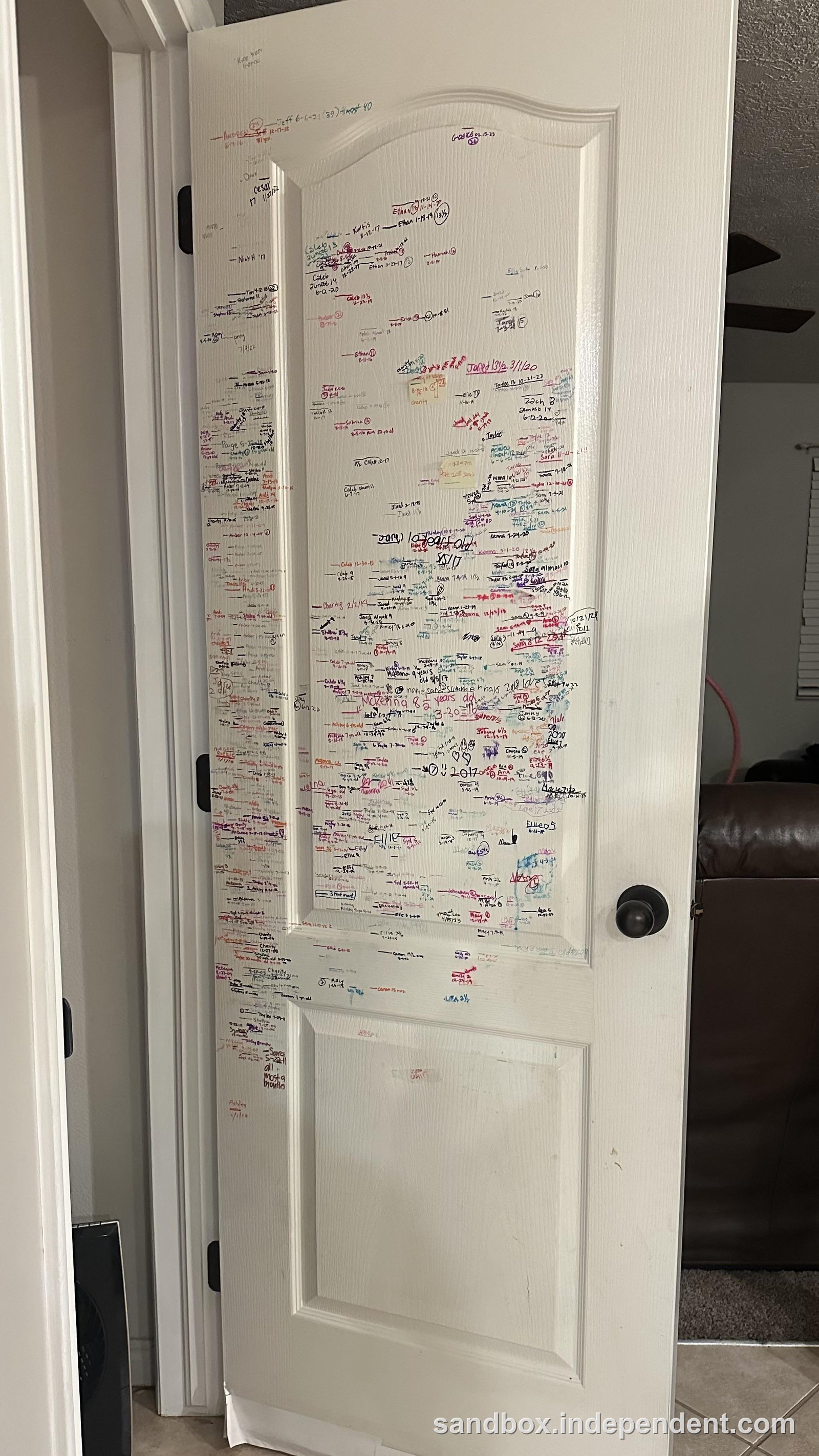
You're probably here because you need a quick solution, right? Well, a door growth chart is an essential tool for anyone working with doors, offering a simple yet effective way to ensure accuracy. It's a handy reference, providing standard sizes and measurements, which is crucial when dealing with door installations or renovations. These charts can vary, offering different formats and values, but they all serve the same purpose: to make your life easier when it comes to door-related tasks.
The Door Growth Chart: A Practical Overview
The door growth chart is a handy tool for anyone dealing with door installations or renovations. It provides a visual reference for standard door sizes, helping you choose the right door dimensions for your space. This chart simplifies the process of selecting doors, ensuring a perfect fit and a professional finish.
Comparing Chart Formats and Standards
Door growth charts come in various formats, often tailored to specific regions and standards. The most common charts cover standard door sizes, typically ranging from 6 feet to 8 feet in height and 2 feet to 4 feet in width. These charts provide a quick reference for popular door dimensions, making it easy to find the right size for your project. However, it's important to note that door sizes can vary based on the standard being used, such as metric or imperial measurements. Always double-check the specific standard and its tolerances to ensure accuracy.
Step-by-Step Guide: Using the Door Growth Chart
Using a door growth chart is straightforward. First, identify the section of the chart that corresponds to your desired door height. Most charts will have height markers at regular intervals, making it simple to locate the right height. Next, move across the chart to find the width that suits your needs. The chart will typically display width options alongside the height markers. Once you've found the intersection of the desired height and width, you have your ideal door size! It's as easy as that.
Avoiding Misreadings and Common Pitfalls
While door growth charts are user-friendly, a few common mistakes can lead to inaccurate readings. Always ensure you're using the correct standard for your region or project. Mixing up metric and imperial measurements, for example, can result in significant errors. Additionally, be mindful of the chart's scale and ensure you're reading the height and width markers accurately. A slight misreading can lead to an ill-fitting door. If you're unsure, it's always best to double-check with a professional or refer to detailed specifications.
Factors Affecting Accuracy and Real-World Use
Several key factors can impact the accuracy and applicability of a door growth chart. These include:
- Regional Standards: Door sizes can vary significantly between countries and regions. Always check the relevant standards for your location.
- Metric and Imperial Conversions: Converting between metric and imperial measurements requires careful attention to ensure accuracy.
- Custom Sizes: While charts cover standard sizes, custom doors may be required for unique spaces. In such cases, the chart provides a starting point, but professional advice is essential.
- Growth Chart Template: Using a well-designed template ensures consistency and accuracy. Choose a reliable source for your chart to avoid potential issues.
- Door Type: Different door types, such as interior or exterior doors, may have specific size requirements. Ensure your chart covers the relevant door type for your project.
Hey there! We've covered a lot of ground on door growth charts, from understanding the basics to nailing the process and avoiding common pitfalls. Remember, while we've given you a solid framework, the exact details can vary slightly depending on your specific needs and the standards or sources you're working with.
Feel free to bookmark this page for future reference; it's a handy tool to have on hand when you need to measure and monitor growth accurately. And don't forget to check out our other guides for more practical tips and tricks!
Related: How to use an ASL alphabet chart?
You're here, searching for that handy ASL alphabet chart, probably needing a quick refresh or a reliable reference. It's a simple yet powerful tool, this chart, a visual guide to the American Sign Language alphabet, offering a clear way to learn and use fingerspelling. Whether you're a beginner or just need a quick reminder, these charts are a handy resource, and they can vary slightly depending on where you find them.
The ASL Alphabet Chart: A Visual Guide
The ASL alphabet chart is a handy tool for anyone learning American Sign Language or wanting to communicate with the deaf community. It's a simple yet powerful reference, showing you the manual alphabet—the foundation of ASL fingerspelling.
Key Details: Understanding the Chart
The ASL alphabet chart displays the 26 letters of the English alphabet, each represented by a unique handshape and movement. These handshapes, or hand signs, are the building blocks of ASL fingerspelling. The chart usually includes clear images or illustrations of each letter, making it easy to visualize and remember.
Reading and Using the Chart: Step-by-Step
Here's how to make the most of your ASL alphabet chart:
- Start with the basics: Begin by familiarizing yourself with the handshapes for each letter. Practice forming these shapes with your dominant hand.
- Pay attention to movement: In ASL fingerspelling, letters are not only about the handshape but also the movement. Some letters involve a quick flick or twist, so observe the direction and speed indicated on the chart.
- Practice regularly: Repetition is key. Use the chart to guide your practice, spelling out words and names. Over time, the movements will become more natural.
- Learn common variations: While the ASL alphabet chart provides a standard, there are some common variations. For example, the letter "S" is often signed with a slight twist, and the letter "Z" may have a more exaggerated movement.
- Apply in context: The chart is a great starting point, but ASL fingerspelling is best learned in real-life conversations. Practice with a friend or join a sign language class to improve your skills.
Common Variations and Why They Happen
While the ASL alphabet chart offers a standard, variations can occur due to regional differences and individual styles. Here are some factors that may cause variations:
- Regional dialects: Just like spoken languages, ASL can have regional variations. Different areas may have slightly different handshapes or movements for certain letters.
- Individual expression: ASL is a visual language, and like any language, personal style can influence how signs are formed. Some signers may add a unique twist to certain letters.
- Context and fluency: As you become more fluent in ASL, you'll notice that fingerspelling often becomes more efficient and natural. This may lead to slight variations in speed or movement.
Avoiding Common Mistakes
To ensure accurate communication, here are some tips to avoid common mistakes when using the ASL alphabet chart:
- Don't rush: Take your time when learning and practicing. ASL fingerspelling is about clarity, so ensure your movements are precise and distinct.
- Practice consistency: Consistency is key. Try to maintain the same handshape and movement for each letter, even if you see variations in other signers.
- Seek feedback: If possible, practice with a fluent ASL user or a teacher. They can provide valuable feedback on your technique and help you refine your skills.
- Stay updated: ASL is an evolving language, so stay informed about any updates or changes to the manual alphabet. Regularly review your ASL alphabet chart to ensure you're using the most current version.
Hey there, I hope this guide has been a helpful reference for you! Remember, the ASL alphabet chart is a handy tool, and while the basics are the same, you might find slight variations in different contexts.
Don't stress over the small differences; just focus on the overall signs and their meanings. If you need a quick refresh on any language-related topics, feel free to explore our other guides too!