

Trek Sizing Chart Editable Overview
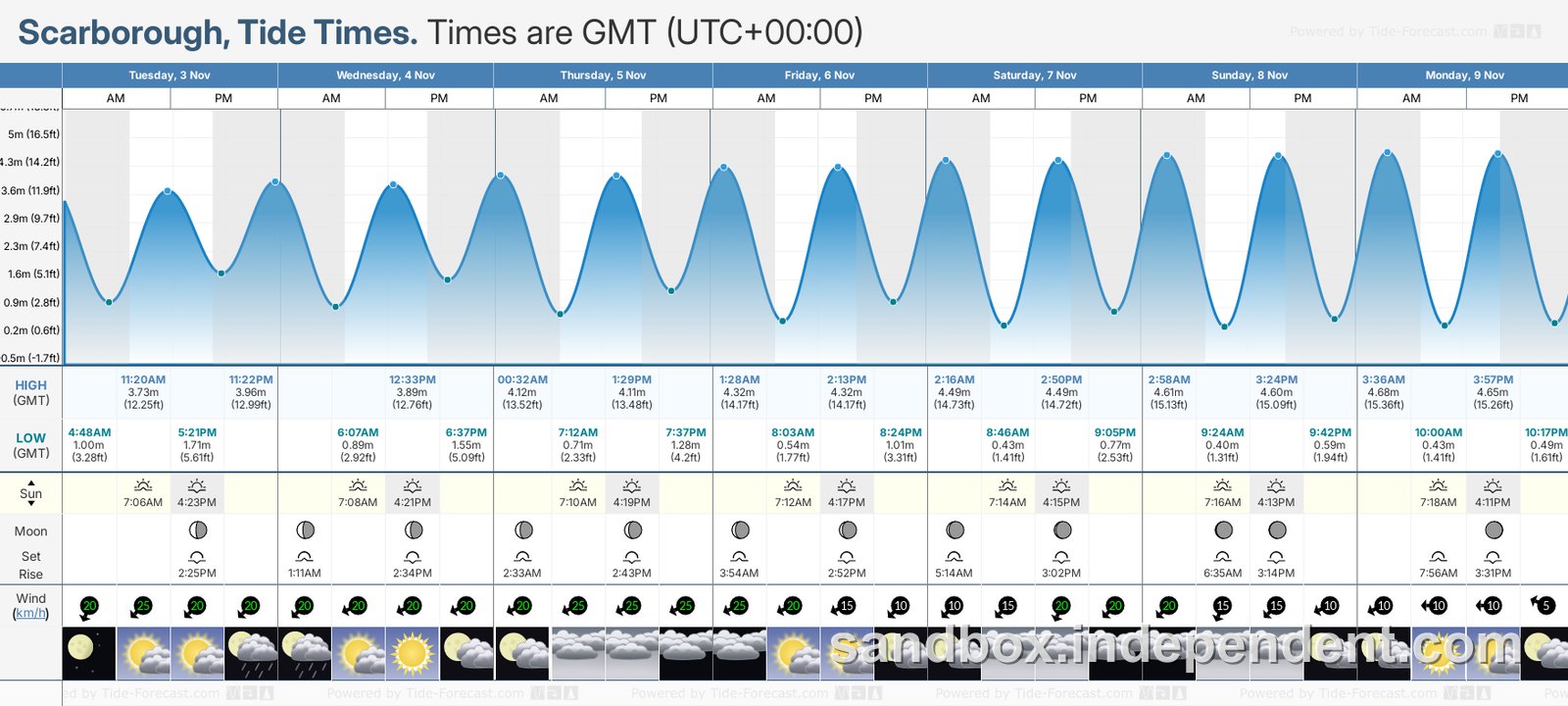
The Naples tide chart is your handy tool for understanding the tides in this beautiful Florida city. It's a simple yet powerful resource, offering a quick glimpse into the world of Naples' water levels.
This guide will show you how to read and interpret the chart, covering the basics of tide times, units, and patterns. You'll learn to navigate the chart's information, understanding the daily fluctuations and average tides of Naples Bay.
Understanding Naples Tide Heights
The naples tide chart is a valuable tool for anyone interested in the water levels of Naples Bay and the surrounding Florida Gulf area. It provides a visual representation of the predicted tide heights and helps you plan your activities, whether you're a boater, fisherman, or beachgoer. This chart is a handy reference to understand and predict the daily tide fluctuations.
Key Details and Categories
The naples tide chart typically displays tide data for a specific location, usually Naples Bay. It shows the predicted tide heights at different times throughout the day. You'll find columns indicating the time and the corresponding tide level. The tide levels are often represented in feet or meters, depending on the standard used. Common measurement units for tide charts are feet or meters, so you'll likely see values like 2.5 ft or 0.75 m.
Reading the Table and Practical Applications
To read the naples tide chart, simply match the time with the corresponding tide height. For instance, if you plan to go boating at 9 am, check the chart for that time and see the predicted tide level. Here's a step-by-step guide:
- Identify the time you're interested in.
- Locate the column with the corresponding time on the chart.
- Read the tide height value for that time.
- Use this information to plan your activities accordingly.
For example, if the tide is predicted to be high at your desired time, you might want to adjust your boating route or fishing spot to accommodate the water level.
Variations and Differences
It's important to note that tide charts are predictions and can vary due to several factors. Weather conditions, wind patterns, and even the position of the moon can influence actual tide levels. While the naples tide chart provides a reliable guide, it's always a good idea to double-check the real-time conditions, especially if you're planning critical activities like boating or fishing. Additionally, different regions and standards may have slightly different tide table units and formats, so ensure you're using the right chart for your specific location.
Well, there you have it! Understanding the Naples tide chart is a handy skill for any water-loving adventurer. Remember, the exact values may differ slightly, so always double-check the specific context and sources for your needs.
Consider bookmarking this page for future reference. It's a simple yet effective tool, and you never know when you might need to plan a tide-friendly adventure!
Related: Bat Sizes Chart: A Clear Guide for Selection
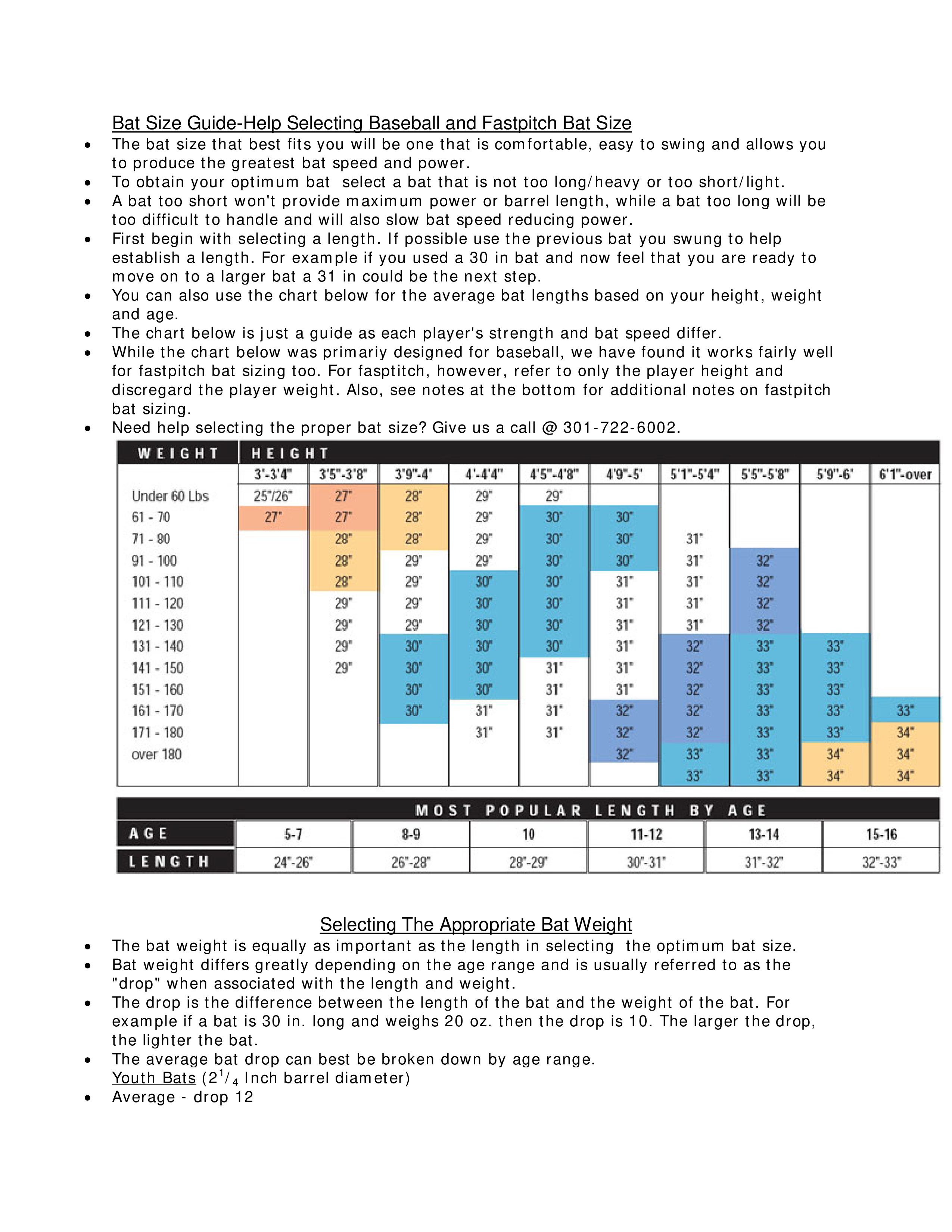
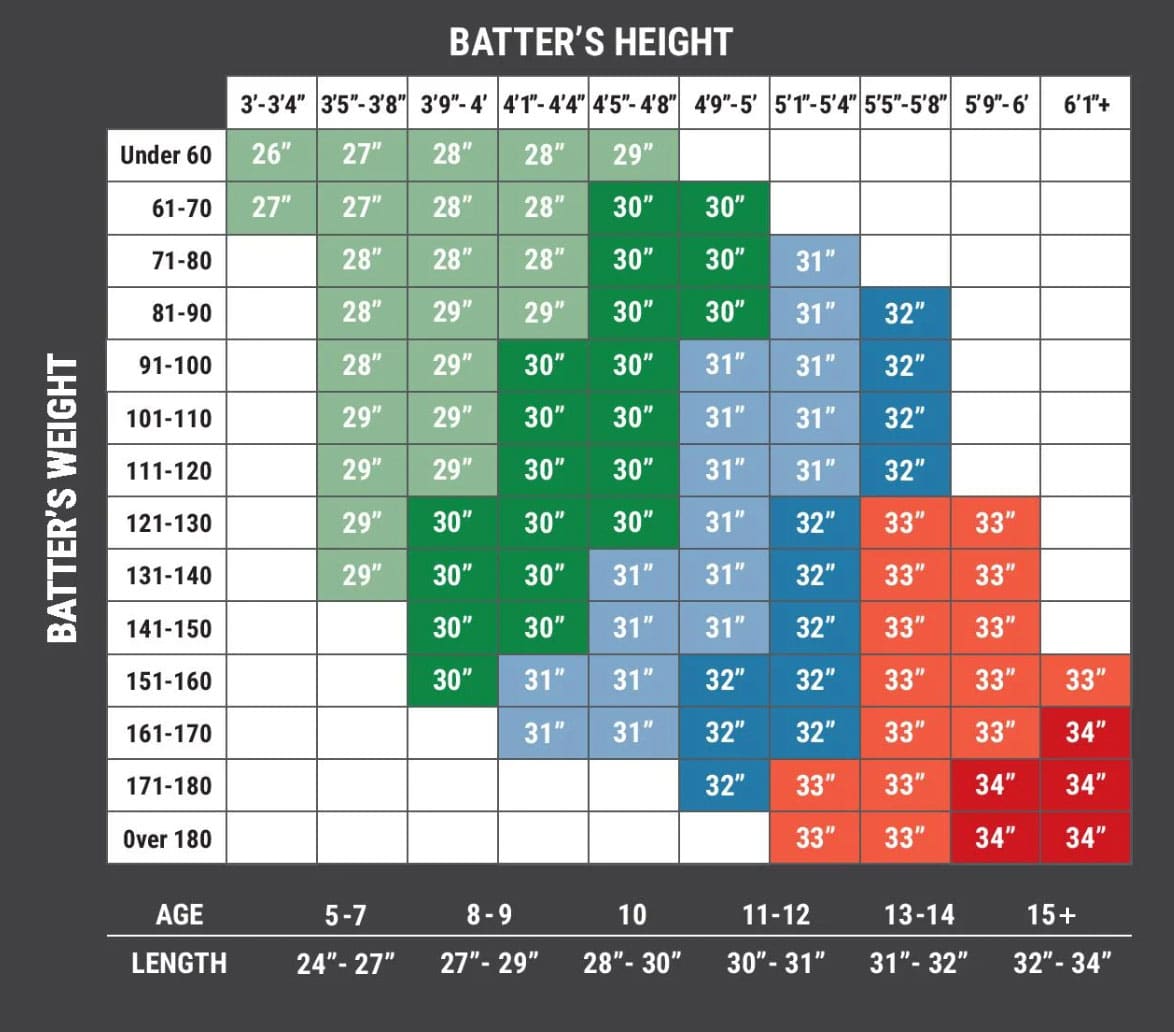
A bat sizes chart is a handy tool for anyone looking to find the perfect bat size, and it's a great starting point for your sporting equipment journey. This guide will cover the basics, showing you how to read and use these charts effectively, whether you're a baseball or softball enthusiast.
These charts provide a quick reference, offering standard bat measurements and sizes, which can vary depending on your sport and age group. It's an easy way to ensure you're on the right track when choosing equipment, and we'll explore the key factors to consider.
Understanding Bat Sizes Chart
A bat sizes chart is a helpful tool for anyone looking to choose the right bat for their needs. It provides a visual guide to help you determine the ideal length and weight of a bat based on factors like age, height, and the sport you play. This chart is a great starting point, offering a quick reference to ensure you select a bat that suits your physical attributes and playing style.
Key Details and Categories
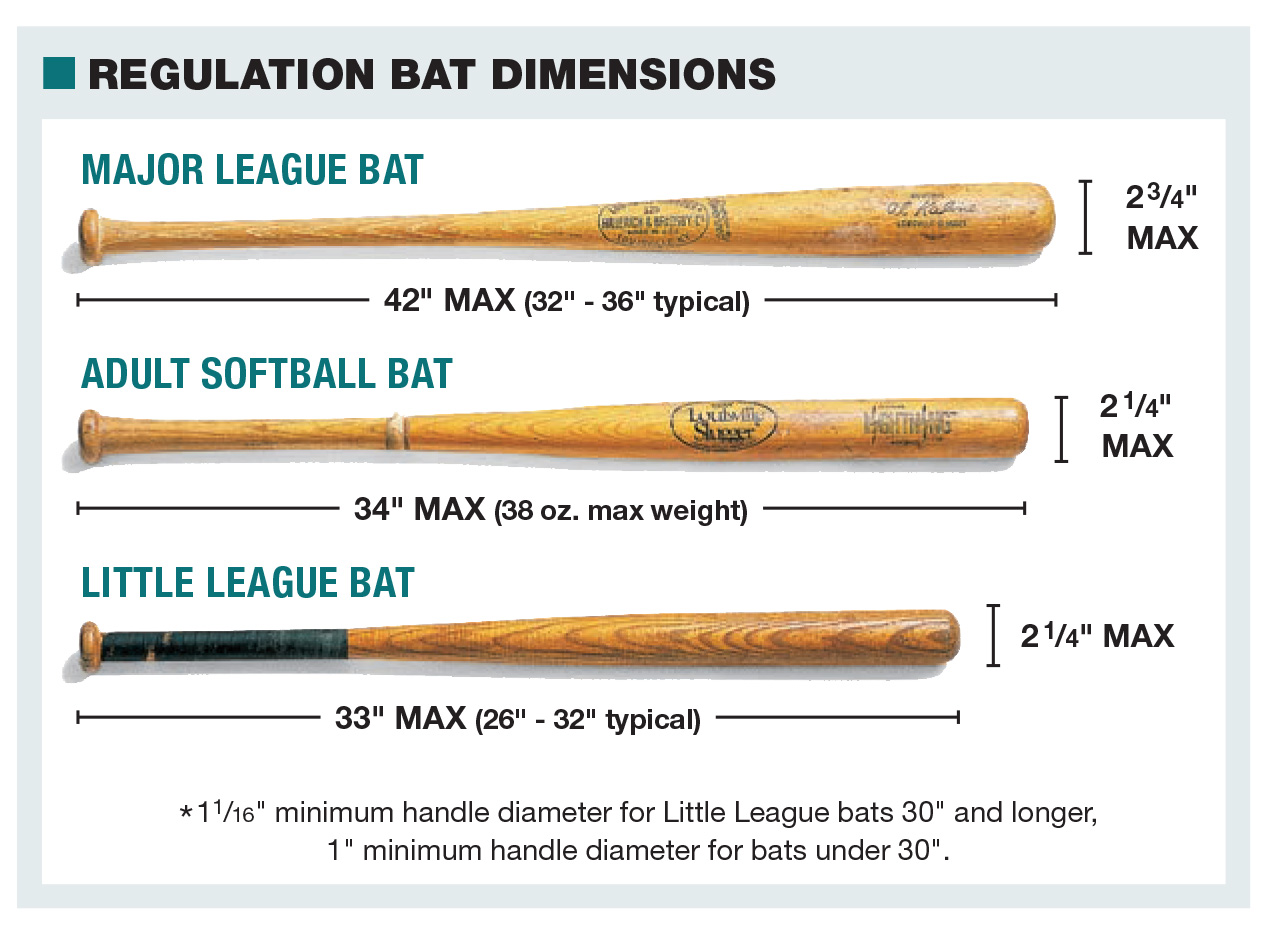
The bat sizes chart typically displays two main categories: length and weight. Length is usually measured in inches, with common sizes ranging from 24 to 34 inches. Weight is often shown in ounces, with a variety of options available. The chart may also include age and height recommendations to guide your selection. Remember, these charts are designed as a general guide, so it's important to consider individual preferences and playing experience.
How to Read and Apply the Chart
Using the bat sizes chart is straightforward. First, identify your age group or height range. Then, find the corresponding recommended length and weight ranges. For example, if you're an adult, the chart might suggest a longer and heavier bat, while youth players may need shorter and lighter options. It's essential to consider your comfort and swing speed when choosing. If you prefer a faster swing, a lighter bat might be best, even if the chart suggests a heavier one for your age.
Bat Size Variations and Differences
Bat sizes charts can vary depending on the sport and the standards used. For instance, baseball bat size charts and softball bat sizing guides may have different length and weight recommendations. Additionally, manufacturers might offer slightly different measurements or weight distributions. It's crucial to check the specific sport and brand guidelines to ensure you get the right bat for your needs. Regional variations also exist, with some countries using metric measurements, which can impact the chart's values.
Common Mistakes and How to Avoid Them
One common mistake is relying solely on the chart without considering personal preferences. Always try out a few bats to find the one that feels comfortable in your hands and allows for a smooth swing. Another pitfall is neglecting to check the latest standards and regulations, especially for competitive play. These can change over time, so it's essential to stay updated. Lastly, don't forget to measure your bat properly. Incorrect measurements can lead to an ill-fitting bat, affecting your performance. Always double-check your measurements against the chart's specifications.
Hey there, I hope this bat size chart has been helpful and easy to navigate. Remember, when it comes to choosing the right bat, it's all about finding the perfect fit for your game.
While this guide provides a solid foundation, it's always a good idea to double-check the specific requirements or regulations for your league or competition. Exact values can vary, so it's best to be prepared and ensure you're covered.
Feel free to explore more of our sports equipment guides and resources. We've got plenty of practical tips and insights to share, so stick around and discover more!
Related: Understand Nipple Size Chart: A Simple Guide
You're probably here because you need a quick answer, a simple guide to help you understand nipple size charts and their purpose. It's a common query, and these charts are more useful than you might think! They provide a straightforward way to measure and compare nipple sizes, often alongside other breast-related measurements. While the values may vary depending on the source, a nipple size chart can be a handy reference tool, especially when paired with a bra size guide or areola size chart.
Understanding the Nipple Size Chart
The nipple size chart is a handy reference tool that provides a standardized way to measure and categorize nipple sizes. It offers a simple and visual guide to help individuals understand their nipple dimensions and find the right products or solutions based on size. This chart is particularly useful for those seeking nipple piercings, nipple jewelry, or even nursing aids, as it ensures a comfortable and accurate fit.
Key Details and Categories
The nipple size chart typically displays nipple diameters, measured in millimeters (mm) or inches, depending on the standard being used. It categorizes nipples into size ranges, often with labels like "Small," "Medium," "Large," and so on. These categories provide a quick reference for individuals to identify their nipple size without the need for precise measurements.
Reading the Measurements: A Step-by-Step Guide
Start by locating the chart's measurement scale. This scale will typically run along one edge of the chart, indicating the nipple diameters in either mm or inches.
Next, identify the category labels. These labels, such as "Small," "Medium," or "Large," are usually positioned above or below the measurement scale, indicating the size range.
To determine your nipple size, measure the diameter of your nipple using a ruler or a specialized nipple gauge. Ensure you measure from the base of the nipple, where it meets the areola, to the tip.
Compare your measured diameter to the scale on the chart. Find the corresponding size category, and you've identified your nipple size!
Common Variations and Differences
It's important to note that nipple size charts may vary depending on the standard or region. For instance, a chart designed for the US market might use inches as the unit of measurement, while an international chart might use millimeters. Additionally, some charts may provide more detailed size categories, especially for specialized products like nipple jewelry, which require precise sizing.
Mistakes to Avoid
One common mistake is assuming that all nipple size charts are the same. Always check the units of measurement and the source of the chart to ensure it aligns with your needs. Another pitfall is relying solely on category labels without measuring your nipples. While categories provide a quick reference, precise measurements are essential for an accurate fit, especially for delicate items like piercings or jewelry.
Practical Tips for Accurate Results
When measuring your nipples, ensure you're in a relaxed state. Nipple size can vary slightly depending on factors like temperature and arousal, so it's best to measure when you're comfortable and at rest. If you're measuring for piercings or jewelry, consider consulting a professional piercer or a medical professional for guidance and to ensure you're using the correct techniques and tools.
Double-Checking and Edge Cases
While the nipple size chart provides a useful guide, it's not an exact science. Individual variations and unique anatomical features can sometimes fall outside standard size categories. In such cases, it's essential to consult a professional or the manufacturer's guidelines for specific products. They may provide additional sizing information or custom solutions to accommodate unique nipple sizes.
Hey there, we've covered a lot of ground on this topic, and I hope it's been helpful! Remember, when it comes to nipple size charts, the exact measurements can vary slightly depending on the source or standard you're using, so it's always good to double-check.
This guide aims to provide a straightforward reference, but every body is unique, and so are their measurements. So, if you ever need a quick reminder or want to explore other related topics, feel free to bookmark this page for future use. It's always handy to have these practical guides at your fingertips!