







Tren Twins Arrested Overview
A cigar size chart is a handy tool for any cigar enthusiast, offering a quick and easy way to understand cigar dimensions. This guide will take you through the basics, covering the essential info you need to read and interpret these charts like a pro.
From cigar ring gauge to length, these charts provide a simple visual reference, ensuring you can identify and choose the right cigar size. While values may vary, the cigar size chart remains a reliable starting point, offering a clear and consistent way to explore the world of cigar sizes.
Understanding Cigar Sizes: A Practical Guide
Cigar size charts are your go-to resource for navigating the world of cigars. They provide a visual representation of the various dimensions and formats cigars come in, helping you make informed choices. These charts typically showcase two key measurements: length and ring gauge. The ring gauge, often referred to as the diameter, is a critical factor in determining a cigar's burn and flavor.
Standard Cigar Dimensions: Comparing Formats
Cigar size charts offer a standardized way to understand cigar sizes. They present a range of common formats, each with its own name and unique dimensions. For instance, a robusto is typically around 5 inches long with a 50 ring gauge, while a toro might measure 6 inches with a 54 ring gauge. These charts provide a quick reference, allowing you to visualize the differences between various cigar sizes.
How to Use a Cigar Size Chart: A Step-by-Step Guide
- Identify the two primary measurements: length and ring gauge. These are usually displayed side by side or in a clear, tabular format.
- Match the length of the cigar you have or are considering with the chart's length column.
- Cross-reference the ring gauge to find the corresponding format. For example, if your cigar is 6 inches long and has a 52 ring gauge, it likely fits the description of a "Churchill."
- Understand the implications: Different sizes impact the smoking experience. Larger cigars may offer a longer, more complex smoke, while smaller ones provide a quicker, more focused flavor profile.
Common Misreadings and How to Avoid Them
One common pitfall is assuming all cigars within a size category are identical. While the ring gauge and length are standardized, other factors like brand, tobacco blend, and construction can vary. These nuances impact the smoking experience, so always consider the cigar's brand and specific details when making comparisons. Additionally, be mindful of regional variations; some countries may use different measurement systems or have unique size names.
Factors Affecting Accuracy and Real-World Use
Several variables can influence the accuracy of a cigar size chart. Firstly, the chart's origin matters; some are designed for specific regions or markets, so ensure you're using one relevant to your location. Secondly, while standardized, there can be slight variations in measurements across different manufacturers. Always check the cigar's packaging or official brand specifications for precise details. Lastly, remember that cigars, especially handmade ones, may have slight imperfections, so the chart serves as a guide rather than an absolute measurement tool.
Well, there you have it! A handy guide to cigar sizes, covering the main options, how to use the chart, and some common pitfalls to avoid. Remember, these measurements can vary slightly, so always double-check if precision is key.
Feel free to explore our other guides for more practical tips and tricks. We've got a whole range of topics to help you navigate the world of cigars and beyond!
Related: Hyperscale Data Center Construction Essential Guide
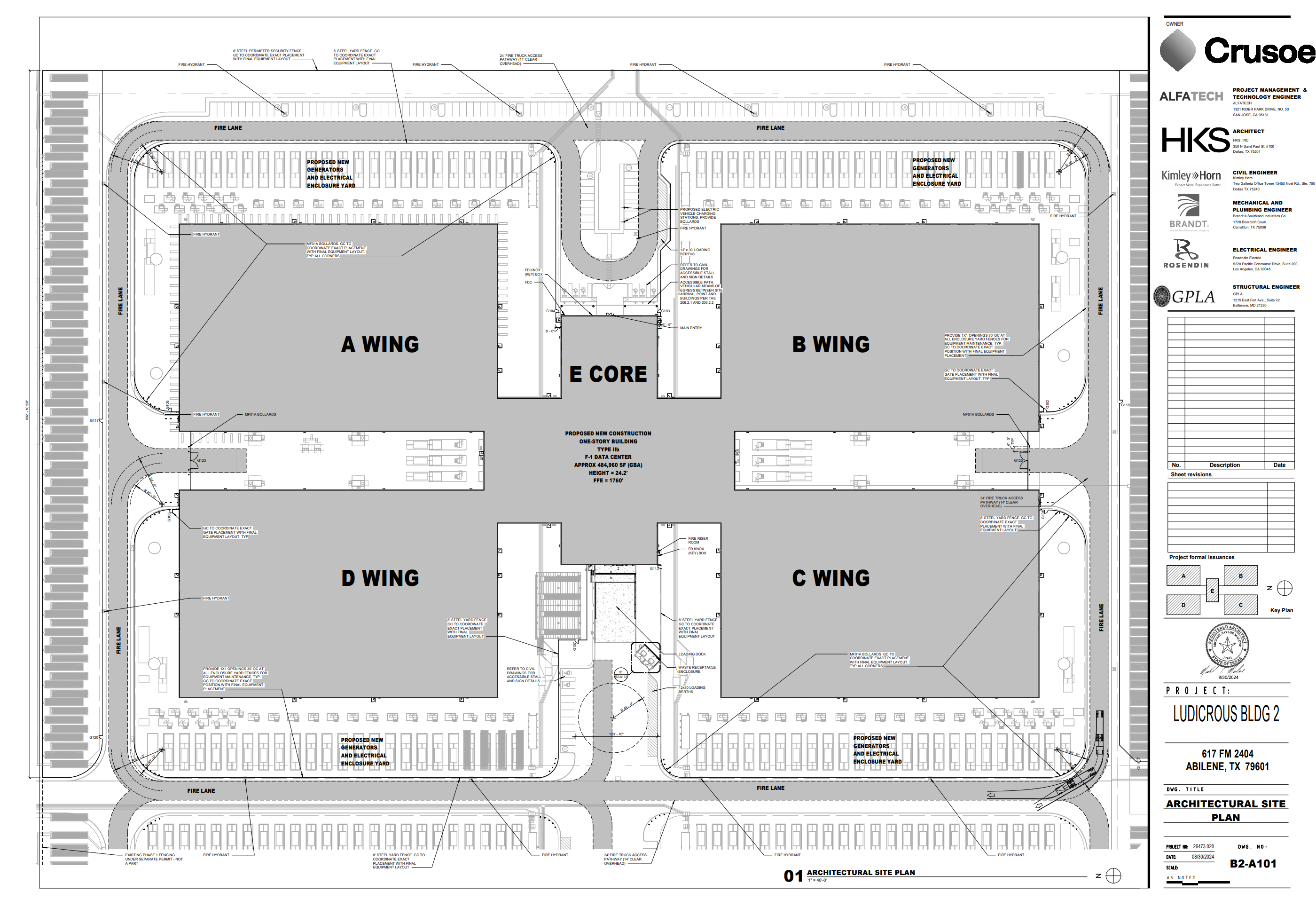
Hyperscale data center construction is an impressive feat of engineering, but it's not something you see every day. These massive facilities are like hidden powerhouses, quietly keeping our digital world running. So, what's the story behind these data centers, and why should we care?
Understanding Hyperscale Data Centers
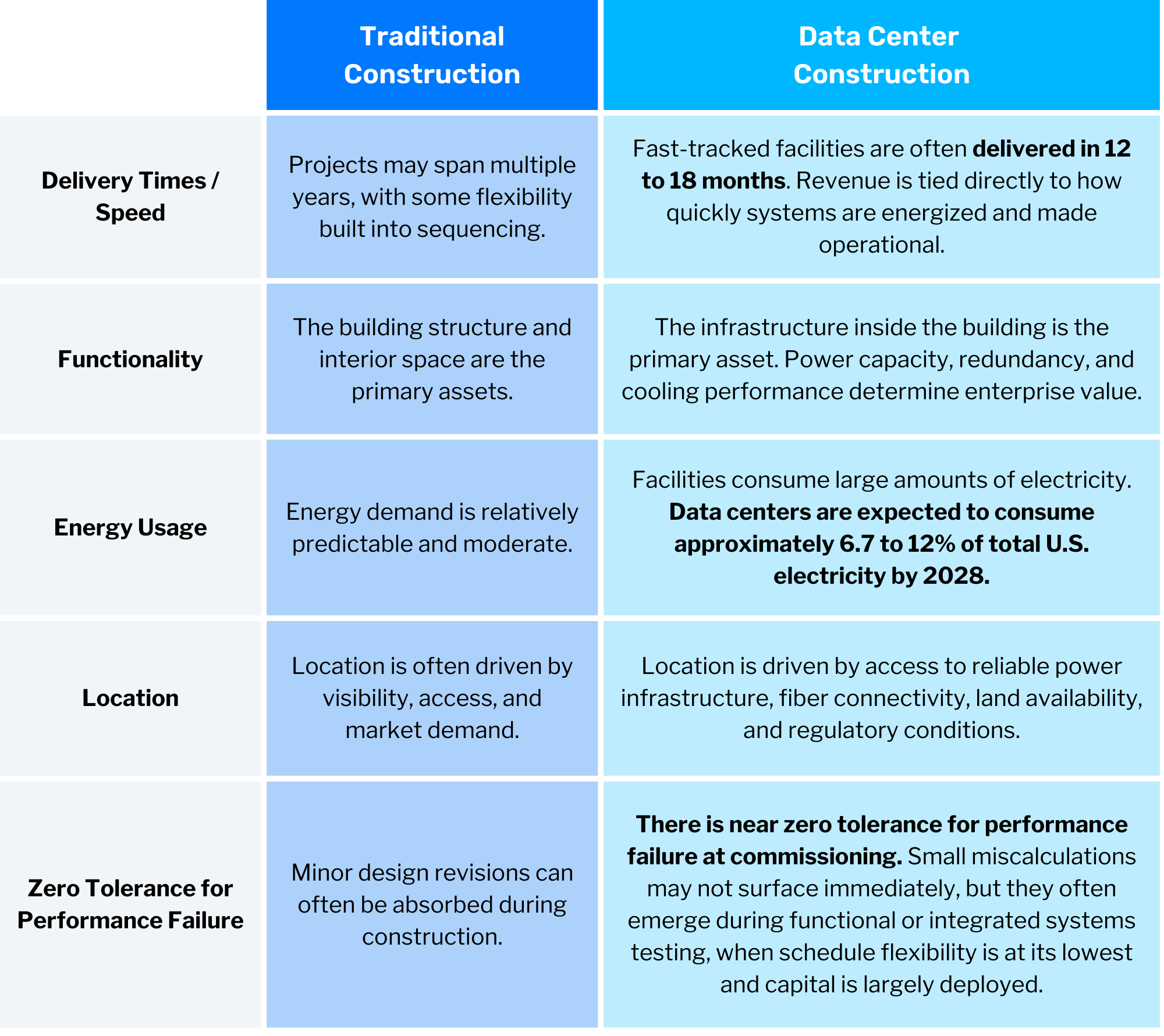
Hyperscale data center construction is all about creating enormous data storage and processing facilities. These centers are designed to handle vast amounts of data and provide the computing power needed for modern businesses and technologies. They're not just big; they're built to be efficient, secure, and reliable. From cloud services to streaming platforms, these centers keep our digital lives humming.
The construction process is complex. It involves careful planning, site selection, and the use of specialized materials and equipment. Everything from the foundation to the cooling systems must be designed to handle the unique demands of data storage and processing. It's a delicate balance of engineering and technology.
The Practical Side of Construction
When it comes to building these centers, several key factors come into play. The first is the location. Finding the right site is crucial. It needs to have access to power, water, and good transportation links, and it should also consider the local climate and any potential natural hazards.
Then there's the design and construction process itself. This involves a lot of specialized knowledge and coordination. Architects, engineers, and construction teams work together to create a facility that meets all the technical requirements. This includes everything from the structural design to the installation of complex cooling systems and power distribution networks.
Costs and Considerations
The cost of hyperscale data center construction is significant, but it varies widely depending on the size, location, and specific requirements. It's not just about the building itself; you also need to consider the ongoing operational costs, like power and maintenance. These centers are energy-intensive, so efficient design and the use of renewable energy sources can make a big difference.
When comparing quotes, it's important to look beyond the initial construction costs. Consider the long-term viability and the potential for future expansion. A good quote should cover all aspects, from site preparation to the final fit-out, and provide a clear breakdown of costs.
The Role of Construction Companies
Large construction firms often take on hyperscale data center construction projects. These companies have the expertise, resources, and specialized teams needed for such complex builds. They can handle everything from initial planning to project management and construction.
When hiring a company for such a project, it's crucial to check their experience and track record. Look for companies that have successfully completed similar projects and have a good reputation. Ask for references and case studies to get a sense of their capabilities and the quality of their work.
Final Thoughts
Hyperscale data center construction is an intriguing aspect of modern infrastructure. It combines cutting-edge technology with traditional construction skills. While it's not something most of us will undertake, understanding the process gives us a glimpse into the digital world we rely on daily. It's a fascinating blend of old and new, and a reminder of the incredible engineering feats happening behind the scenes.
Related: A Simple Guide to Belt Sizing Charts
You've likely landed here because you're seeking a straightforward solution: a belt sizing chart. This handy reference tool is a quick and reliable way to ensure you get the right belt size, every time. It's a simple visual guide, often presented as a table or diagram, that helps you match your waist measurement to the correct belt length. While the exact values may vary depending on the brand or standard, a good belt sizing chart should provide a clear and easy-to-follow guide, ensuring you can quickly find your ideal belt size. Whether you're looking for a belt size guide or want to convert your dress size, this chart is a valuable tool to have at your disposal.
Understanding the Belt Sizing Chart
The belt sizing chart is a practical tool that helps you find the perfect belt size for your waist. It provides a reference to ensure a comfortable and secure fit, whether you're buying a new belt or adjusting an existing one. This chart is an essential guide for anyone wanting to achieve a well-fitted, stylish look.
Key Details and Units
The belt sizing chart typically displays two key measurements: waist size and belt length. Waist size is measured in inches or centimeters, depending on the standard used. Belt length, on the other hand, is usually given in inches and represents the total length of the belt, including the buckle. It's important to note that these measurements may vary slightly between different standards and manufacturers, so it's always good to check the specific guidelines.
Step-by-Step Guide to Reading the Chart
Follow these steps to accurately use the belt sizing chart:
Measure your waist: Use a flexible tape measure to determine your waist size. Place the tape around your waist at the point where you normally wear your belt. Ensure the tape is snug but not tight, and note the measurement in the appropriate unit.
Find your waist size on the chart: Locate your waist size on the chart. The chart will typically have a range of waist sizes, so find the closest match to your measurement.
Determine the belt length: Once you've identified your waist size, the chart will provide the recommended belt length. This length ensures the belt will fit comfortably and allow for a secure buckle closure.
Adjust for personal preference: While the chart provides a guide, you can adjust the belt length slightly to suit your comfort and style. Some prefer a looser fit, while others may want a more tailored look.
Variations and Differences
Belt sizing charts can vary based on several factors:
Standards and regions: Different countries and organizations may have their own sizing standards, leading to slight variations in waist size and belt length recommendations.
Manufacturer preferences: Some brands might offer slightly different sizing guides to cater to their specific target audience or style preferences.
Material and design: The type of belt material and its design can also influence the recommended sizing. For example, leather belts may stretch over time, affecting the initial sizing.
Common Mistakes and How to Avoid Them
When using a belt sizing chart, avoid these common pitfalls:
Measuring incorrectly: Ensure you measure your waist accurately, following the guidelines mentioned earlier. An incorrect measurement can lead to an ill-fitting belt.
Ignoring personal preferences: While the chart provides a guide, consider your personal comfort and style. Don't be afraid to adjust the recommended belt length to suit your needs.
Relying solely on trouser size: Your trouser size may not directly correspond to your belt size. Always measure your waist specifically for the belt sizing chart.
Tips for a Perfect Fit
To achieve the best results when using a belt sizing chart, keep these tips in mind:
Consider your body type: Different body shapes may require slight adjustments. For example, if you have a larger waist-to-hip ratio, you might need a longer belt for a comfortable fit.
Try before you buy: If possible, try on the belt to ensure it fits well. This is especially important if you're purchasing online or from a brand with unique sizing.
Allow for growth: If you're buying a belt for a child or someone who is still growing, opt for a slightly larger size to accommodate future growth.
Double-Checking and Edge Cases
In some cases, you may need to double-check the specifications or consult additional resources:
Custom or unique designs: If you're dealing with a custom belt or a unique design, the standard belt sizing chart may not apply. Contact the manufacturer or designer for specific sizing guidelines.
Dress size conversion: When converting dress sizes to waist measurements, refer to a reliable dress size conversion chart to ensure accuracy.
Medical conditions: Certain medical conditions or post-surgical changes may affect your waist size. In such cases, consult a healthcare professional for guidance on measuring and fitting belts.
Remember, while this guide provides a solid foundation, exact details may differ slightly based on your specific needs and the standards you follow. It's always a good idea to double-check and ensure you have the right information for your particular situation.
Feel free to bookmark this page for future reference. It's a handy tool to have at your disposal, and you never know when you might need to size a belt accurately!