



Trojan Size Chart 2026 Overview
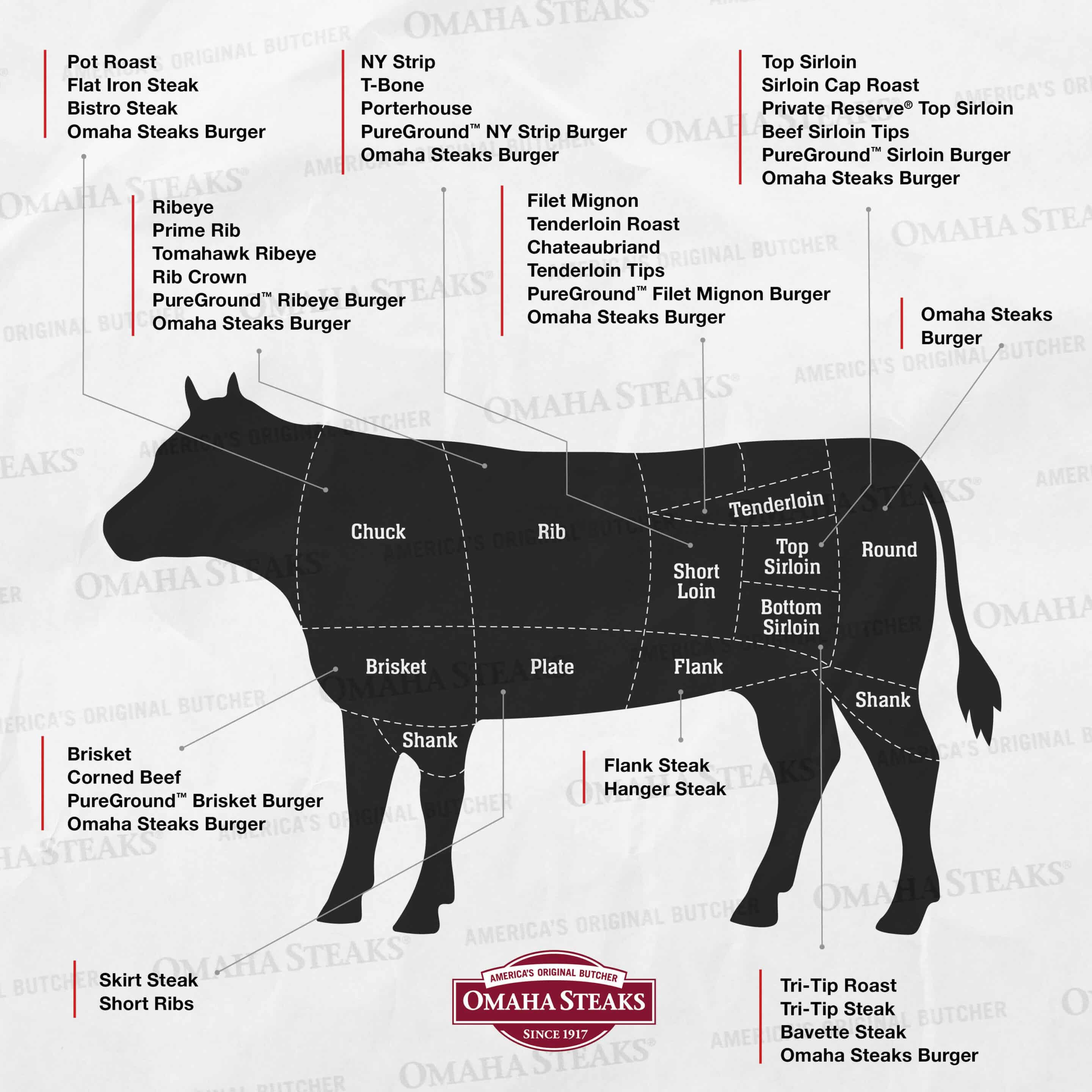
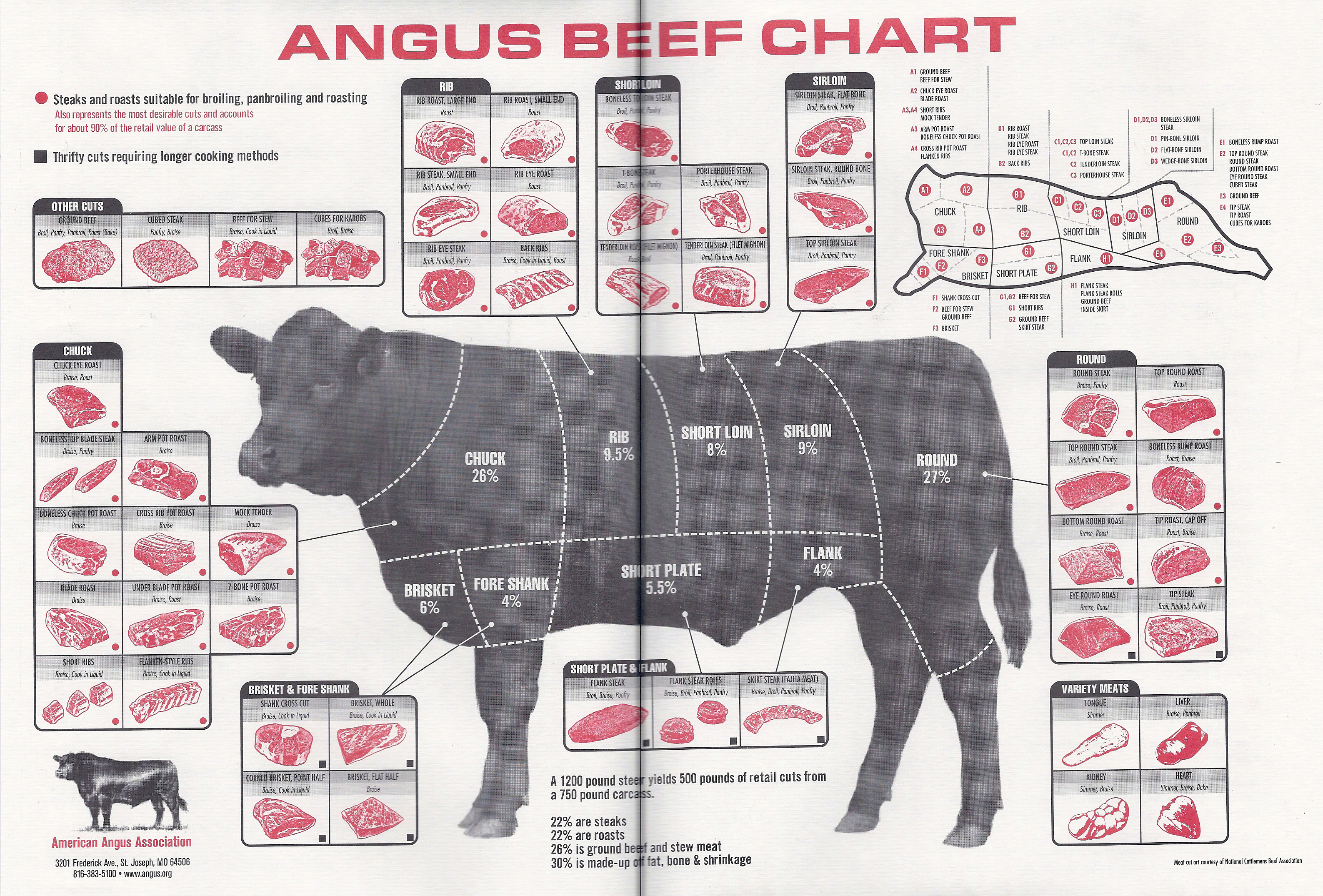
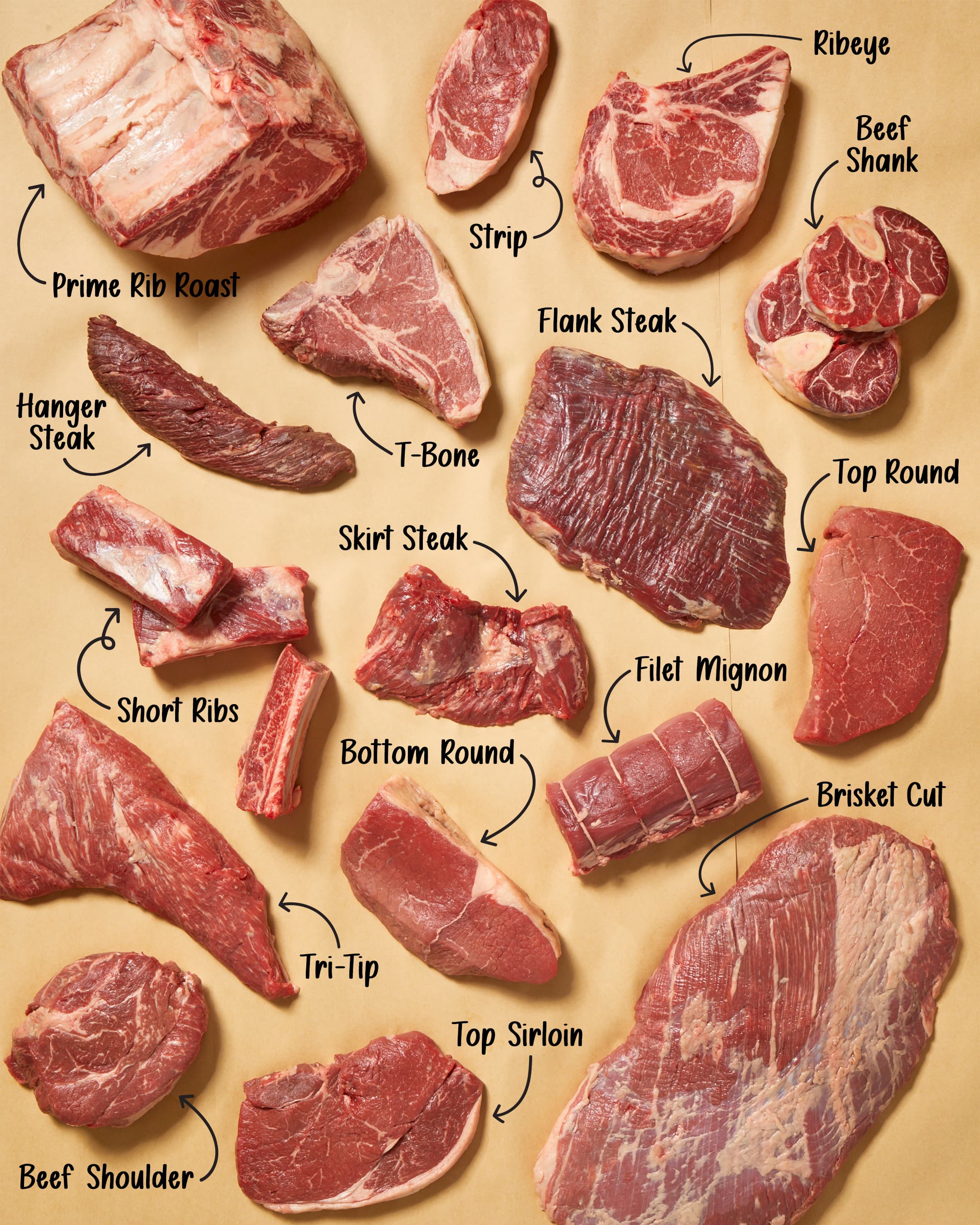
You've got your steak cuts chart at hand, ready to navigate the world of beef cuts with ease. This handy reference tool is a lifesaver for any cooking enthusiast, offering a quick glance at the various cuts and their unique characteristics. The steak cuts chart provides a simple visual guide, ensuring you choose the right cut for your culinary creation. While formats may vary, the essence remains the same: a practical tool to elevate your steak game.
A Practical Guide to Understanding the Steak Cuts Chart
The steak cuts chart is your go-to reference for all things steak-related. It's a visual guide that helps you navigate the world of steak cuts, making it easier to choose the perfect cut for your culinary adventures. This chart is a valuable tool for both beginners and experienced cooks.
Comparing Steak Cuts: Standard Sizes and Popular Variations
The steak cuts chart typically displays different cuts of beef, organized by their names and standard sizes. You'll find classic cuts like ribeye, sirloin, and tenderloin, each with its own unique characteristics. These charts often follow regional or industry standards, so you might see variations in measurements or names depending on where you are. For instance, a ribeye steak can range from 1 to 1.5 inches thick, but some charts may specify a slightly different thickness.
How to Use the Steak Cuts Chart: A Step-by-Step Guide
Start by identifying the type of steak you want to cook. The chart will provide a visual representation of each cut, making it easy to recognize.
Check the thickness or weight of the steak. This information is crucial for cooking times and methods. Most charts will give a standard range, but always double-check the exact specifications on the package or with your butcher.
Consider the fat content and marbling. Some charts will indicate the amount of fat, which can impact the flavor and juiciness of your steak.
Choose the right cut for your cooking method. Different cuts are better suited for grilling, pan-searing, or slow cooking. The chart can guide you on which cuts work best for your preferred cooking style.
Avoiding Missteps: Common Pitfalls and How to Avoid Them
While the steak cuts chart is a fantastic resource, it's essential to be aware of potential variations. Always remember that charts might not cover every single cut or variation. For instance, some specialty butchers may offer unique cuts with different names or sizes. Additionally, cooking times and methods can vary based on personal preference and the specific cut's thickness. It's always a good idea to consult multiple sources or ask your butcher for advice to ensure you're getting the best cut for your needs.
Well, that's a wrap on our steak cuts chart adventure! We've covered a lot of ground, from understanding the different cuts to learning how to use our handy guide. Now you're equipped with the knowledge to make informed choices and impress your steak-loving friends.
Remember, while this chart is a great tool, it's always wise to double-check the specifics for your region or personal preferences. Exact values might vary, so it's good to be aware of any local standards or your own unique requirements. Consider bookmarking this page for future steak adventures—it'll be a lifesaver when you need a quick refresh!
Related: What's the Right Pillow Size for You?
Many people assume that pillow sizes are a one-size-fits-all affair, but that's not the case! A pillow size chart is your go-to resource for understanding the diverse world of pillow dimensions. It's a simple yet powerful tool, offering a quick glance at the various sizes and their intended uses. From standard pillow dimensions to specialty sizes, this chart ensures you find the perfect fit for your needs.
Pillow Size Chart: A Quick Overview
A pillow size chart is a handy reference tool that provides a clear and visual guide to the various dimensions of pillows. It's like a map to help you navigate the world of pillow sizes, ensuring you get the right fit for your needs. This chart is a valuable resource for anyone looking to buy new pillows or pillowcases, as it offers a quick and easy way to understand the standard sizes available.
Comparing Standard and Custom Sizes
The beauty of a pillow size chart is that it presents both standard and custom sizes in a simple format. Standard sizes are the most common and widely used, and they often follow specific measurements and categories. These sizes are consistent across many brands and manufacturers, making it easy to find matching pillowcases or covers. On the other hand, custom sizes offer more flexibility and can accommodate unique preferences or specific requirements. Custom sizes might be necessary for specialty pillows, such as those designed for travel or medical purposes.
Step-by-Step Guide to Using the Chart
Using a pillow size chart is straightforward and can save you time and effort when shopping for pillows. Here's a simple process:
- Identify the Type: First, determine the type of pillow you need. Common types include standard, queen, king, and travel-sized pillows.
- Locate the Size: Find the corresponding size on the chart. The chart typically displays width and length measurements for each size.
- Check the Dimensions: Compare the chart's dimensions with the pillow or pillowcase you need. Ensure you match the width and length accurately.
- Consider Depth: Some charts also provide depth measurements, which is especially useful for pillows with varying thicknesses.
- Choose Your Size: Once you've found the size that matches your needs, you're ready to make an informed purchase.
Avoiding Common Misreadings
While a pillow size chart is user-friendly, it's essential to avoid a few common pitfalls:
- Unit Confusion: Always check the units of measurement. Some charts use inches, while others might use centimeters. Ensure you're comparing like with like.
- Rounding Errors: Charts often provide rounded measurements for simplicity. Be aware that actual products might have slight variations, so always check the exact specifications if precision is critical.
- Size Labels: Pay attention to size labels. For example, a "standard" size might not always be the same across different charts or regions.
Factors Affecting Accuracy
Several key factors can influence the accuracy of a pillow size chart and its real-world application:
- Regional Differences: Pillow sizes can vary between regions and countries. For instance, a "king" size in the US might differ from a "king" in Europe.
- Manufacturer Variations: Even within a region, manufacturers might have slight variations in their standard sizes. Always check the brand's specifications.
- Pillow Type: Different pillow types, like decorative or orthopedic pillows, might have unique size categories.
- Materials: The materials used can affect the overall size and shape of a pillow, especially over time as it ages and settles.
Choosing the Right Format for Your Needs
When it comes to pillow size charts, one size doesn't fit all. Here are some tips for choosing the right format:
- Standard vs. Custom: If you're looking for a quick and easy solution, a standard size chart is ideal. However, for specialized needs, a custom size chart might be more suitable.
- Online vs. Physical: Online charts are convenient, but having a physical chart or reference guide can be handy when shopping in-store.
- Visual Aids: Some charts use visual representations, like images or diagrams, to show size differences. These can be especially helpful for visual learners.
Keeping Your Reference Reliable
To ensure your pillow size chart remains a reliable reference, consider the following:
- Update Regularly: Pillow size standards can evolve over time. Periodically check for updated charts to ensure you have the latest information.
- Multiple Sources: Cross-reference charts from different sources to verify the accuracy of the measurements.
- Manufacturer Guides: Many pillow manufacturers provide their own size guides. Refer to these for specific product lines.
- Personal Notes: If you have unique pillow requirements, make a note of the sizes you need and keep them with your chart for easy reference.
So, there you have it! A handy pillow size chart can be a real game-changer for getting the perfect fit and comfort. But remember, it's always a good idea to double-check your specific needs and measurements to ensure you're getting the right size for your bed and sleeping style.
Feel free to explore our other guides and resources on similar topics. We've got plenty of practical tips and tricks to help you create a cozy and comfortable sleep space. Happy snoozing!
Related: Unraveling the "tide chart in ri" Mystery
A tide chart in RI is a handy tool for anyone planning coastal activities or needing accurate water level information. This guide will help you understand and utilize these charts effectively.
Tide charts provide a simple yet precise way to visualize and predict tidal movements. They offer insights into tide times, heights, and other crucial data, making them an essential resource for various water-related pursuits. Whether you're a boating enthusiast, a fisherman, or simply curious about the ocean's rhythms, learning to read these charts is a valuable skill.
Understanding Tide Predictions in RI
A tide chart in RI is a handy tool for predicting the rise and fall of tides in Rhode Island's coastal areas. It's like a map for the ocean's movements, helping you plan your water-based activities. This chart is essential for anyone who loves the ocean, from surfers to fishermen and even boaters.
Key Details: Unpacking the Chart
The tide chart in RI typically displays two key pieces of information: the tide height and the time. You'll see these values for each hour of the day, often covering a 24-hour period. The height is usually measured in feet and represents the water level above a specific reference point, often mean lower low water (MLLW). This reference point ensures consistency across different locations.
Reading the Chart: A Step-by-Step Guide
To read the tide chart in RI, follow these simple steps:
- Identify the date and time you're interested in.
- Locate the corresponding row and column on the chart.
- Read the tide height for that specific time.
- If needed, convert the height to your preferred unit using standard conversion formulas.
- Plan your activities accordingly, considering the tide's impact on water depth and accessibility.
Common Variations: Why Tide Charts Differ
Tide charts can vary based on several factors. Here are some key reasons:
- Tidal data is collected from specific locations, so charts may differ for various spots along the coast.
- Weather conditions, such as wind and storms, can influence tide heights and timings.
- The moon's phase and its position relative to the earth also affect tidal patterns.
- Human activities, like damming or dredging, can alter natural tidal flows.
Avoiding Mistakes: Common Pitfalls
When using a tide chart in RI, avoid these common mistakes:
- Assuming the chart is accurate for all locations along the coast. Always check the specific site you're interested in.
- Failing to account for weather conditions, which can significantly impact tide heights and timings.
- Not considering the moon's phase, which can cause unexpected variations.
- Neglecting to convert units if needed, especially if you're used to a different system.
Practical Tips for Accurate Results
To ensure you're using the tide chart in RI accurately:
- Always double-check the date and time to avoid confusion.
- Consider the weather forecast and its potential impact on tides.
- Be aware of seasonal variations, as tides can behave differently in summer versus winter.
- If you're new to the area, consult local experts or guides who can provide insights into specific tidal patterns.
- Remember, while the chart is a valuable tool, it's just a prediction. Always exercise caution and stay aware of your surroundings when near the water.
Well, there you have it! Understanding tide charts is a handy skill, and with these tips, you'll be a pro in no time. Remember, when dealing with practical matters like this, it's always best to double-check the specifics for your exact location and needs.
Feel free to explore our other guides and resources; we've got plenty of practical info to help you navigate various topics. Happy reading, and here's to smooth sailing!