




Trumpet Note Chart Blank Overview
A common misconception about CNA POC charting is that it's a complex and overwhelming task, but it's actually a straightforward and essential practice for healthcare professionals. This type of charting, often referred to as point-of-care documentation, is a vital tool for CNAs and other healthcare providers to record and track patient observations and vital signs efficiently. It's a simple yet powerful way to ensure accurate and timely patient care planning. While the format and specifics may vary, the purpose remains the same: to provide a clear and concise snapshot of a patient's condition.
Understanding CNA POC Charting
CNA POC charting is a vital tool for healthcare professionals, particularly Certified Nursing Assistants (CNAs), to record and track patient observations and vital signs. This charting method provides a structured and organized way to document patient care, ensuring accurate and consistent records.
Key Details and Categories
The CNA POC charting system typically includes various categories and sections to capture essential patient information. These may include:
- Patient Identification: Name, age, gender, and unique identifiers.
- Date and Time: Precise recording of observations to track progress and changes.
- Vital Signs: Temperature, blood pressure, pulse rate, and respiratory rate.
- Patient Observations: Notes on behavior, mood, pain levels, and any significant changes.
- Interventions and Care: Details of nursing care provided, treatments, and medications.
- Physician Orders: Instructions and prescriptions from doctors.
Step-by-Step Guide to Reading and Applying CNA POC Charts
- Start by locating the patient's record in the chart. Ensure it is correctly identified with the patient's name and other details.
- Check the date and time of the previous entry to understand the context and any recent changes.
- Record vital signs accurately using the appropriate units (e.g., °F or °C for temperature, mmHg for blood pressure).
- Observe and document any changes in the patient's condition, behavior, or mood. Use clear and concise language to describe these observations.
- Note any interventions, treatments, or medications administered, including the time and dosage.
- Refer to physician orders and ensure they are followed accurately. Document any deviations or additional instructions.
- Sign and date the chart to maintain accountability and track changes over time.
Variations and Differences in Charting Standards
While the core structure of CNA POC charting remains consistent, variations may occur due to different healthcare settings, regions, and specific patient needs. For instance, some charts may include additional sections for specialized care, such as wound care or diabetic management. It is essential to be familiar with the specific charting standards and guidelines in your facility or region. Always refer to the latest protocols and ensure you are using the correct chart format.
Common Mistakes and How to Avoid Them
- Inaccurate or incomplete vital sign recordings: Always double-check your measurements and ensure they are within the normal range for the patient's age and condition.
- Forgetting to record the date and time: This basic step is crucial for tracking changes and ensuring continuity of care.
- Inadequate patient observations: Take time to observe and document any changes, even if they seem minor. These details can be vital for patient care planning.
- Omitting or misinterpreting physician orders: Always clarify and understand instructions before acting on them.
- Failing to sign and date the chart: This simple step ensures accountability and helps track changes made by different healthcare professionals.
Best Practices for Accurate and Effective Charting
- Familiarize yourself with the charting standards and guidelines specific to your facility and region.
- Use clear and concise language when recording observations and notes. Avoid abbreviations that may be unclear to others.
- Stay updated with any changes or additions to the charting system to ensure your records are accurate and complete.
- Regularly review and analyze patient charts to identify trends, progress, or areas of concern.
- Collaborate with other healthcare professionals to ensure consistent and accurate charting practices.
CNA POC charting is a valuable tool that, when used correctly, provides a comprehensive overview of patient care and facilitates effective communication among the healthcare team. By following these guidelines and best practices, you can ensure accurate and reliable patient records, contributing to high-quality patient care.
Well, I hope this guide has provided a clear and concise overview of CNA POC charting. Remember, it's always best to refer to the specific guidelines and standards relevant to your context, as exact values and procedures may vary slightly.
Consider bookmarking this page for future reference; it might just save you some time and effort the next time you need a quick refresher on CNA POC charting. Until then, happy charting!
Related: How to Read the "ir verb chart" Easily?
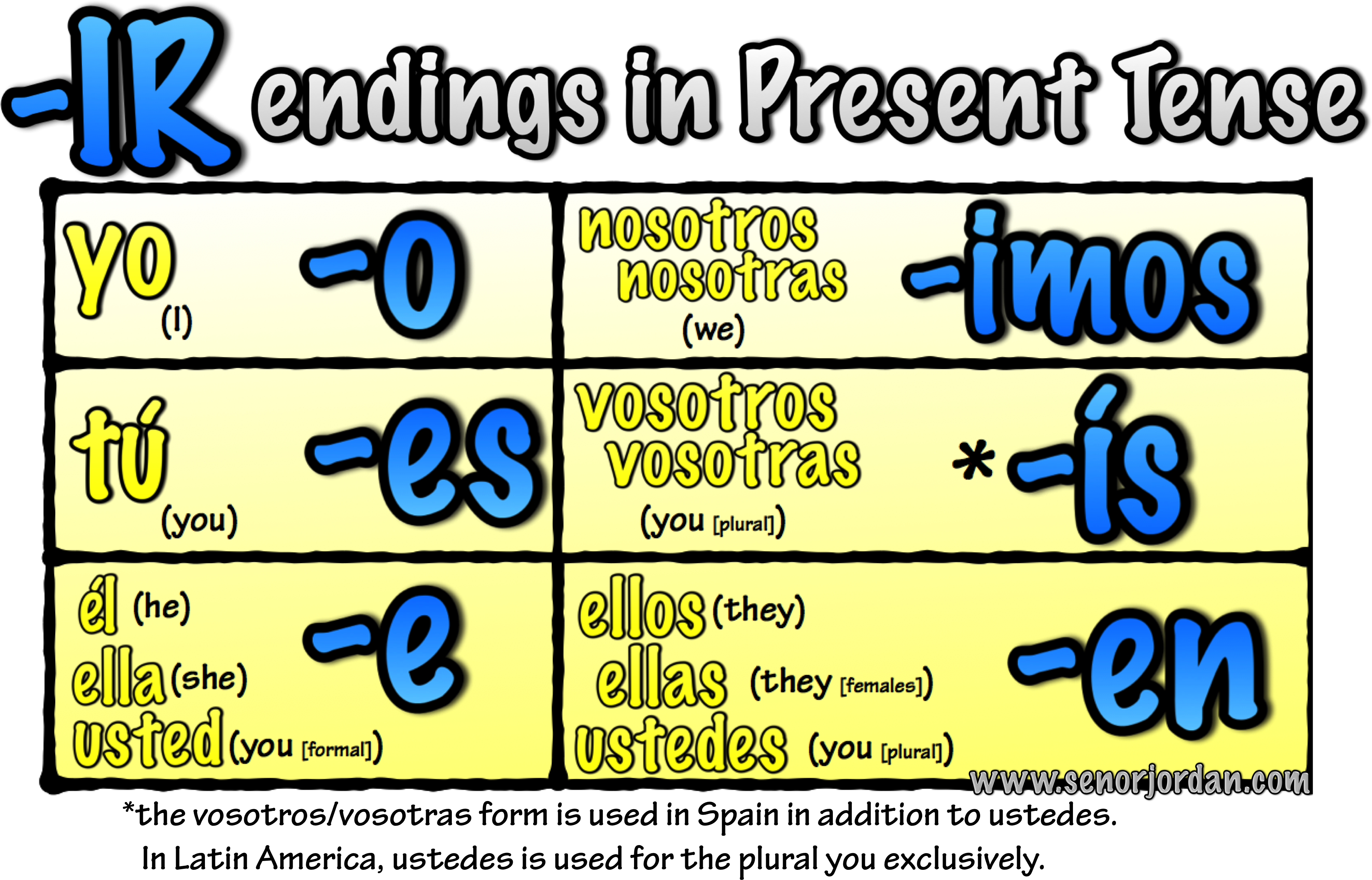
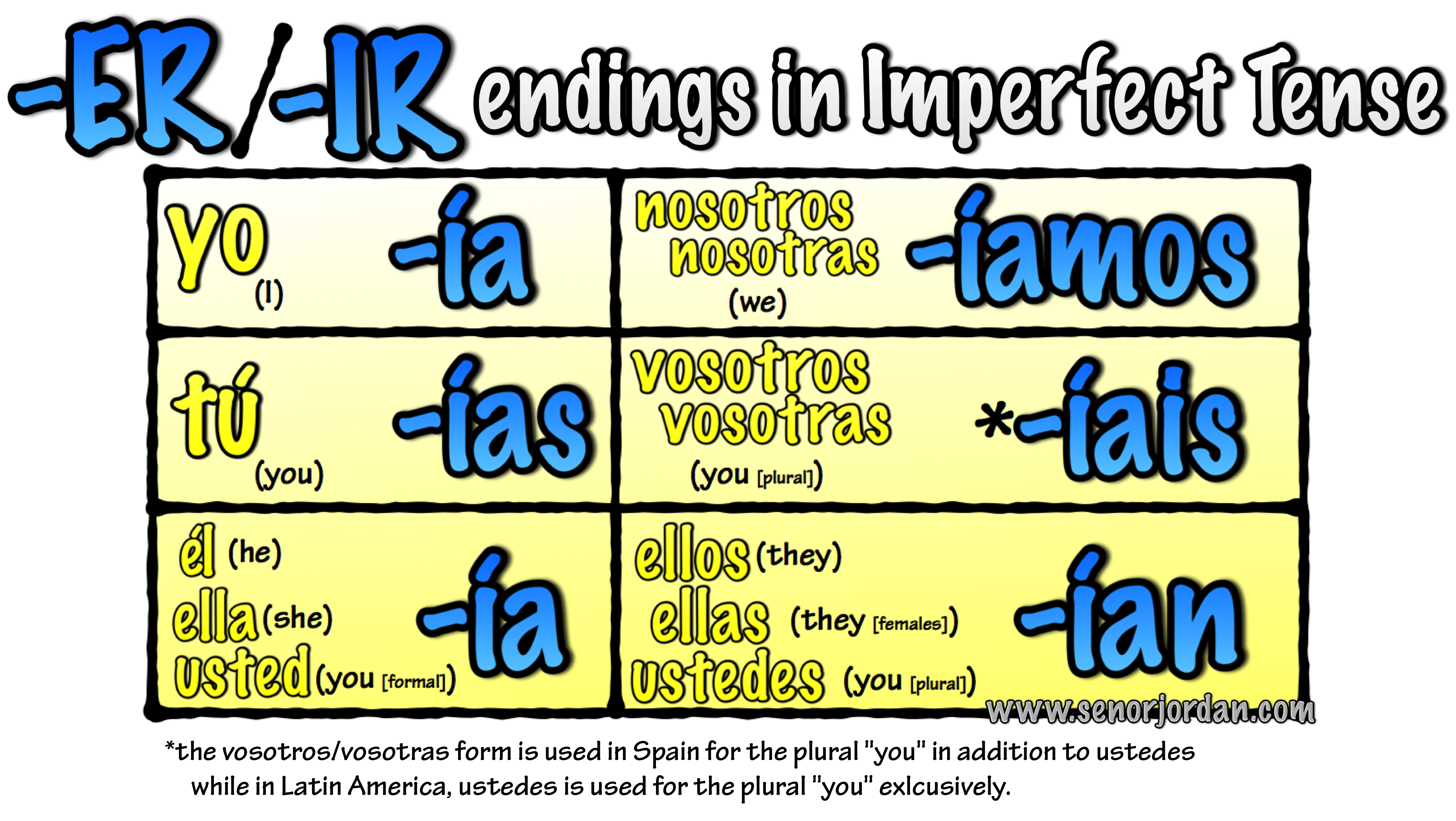
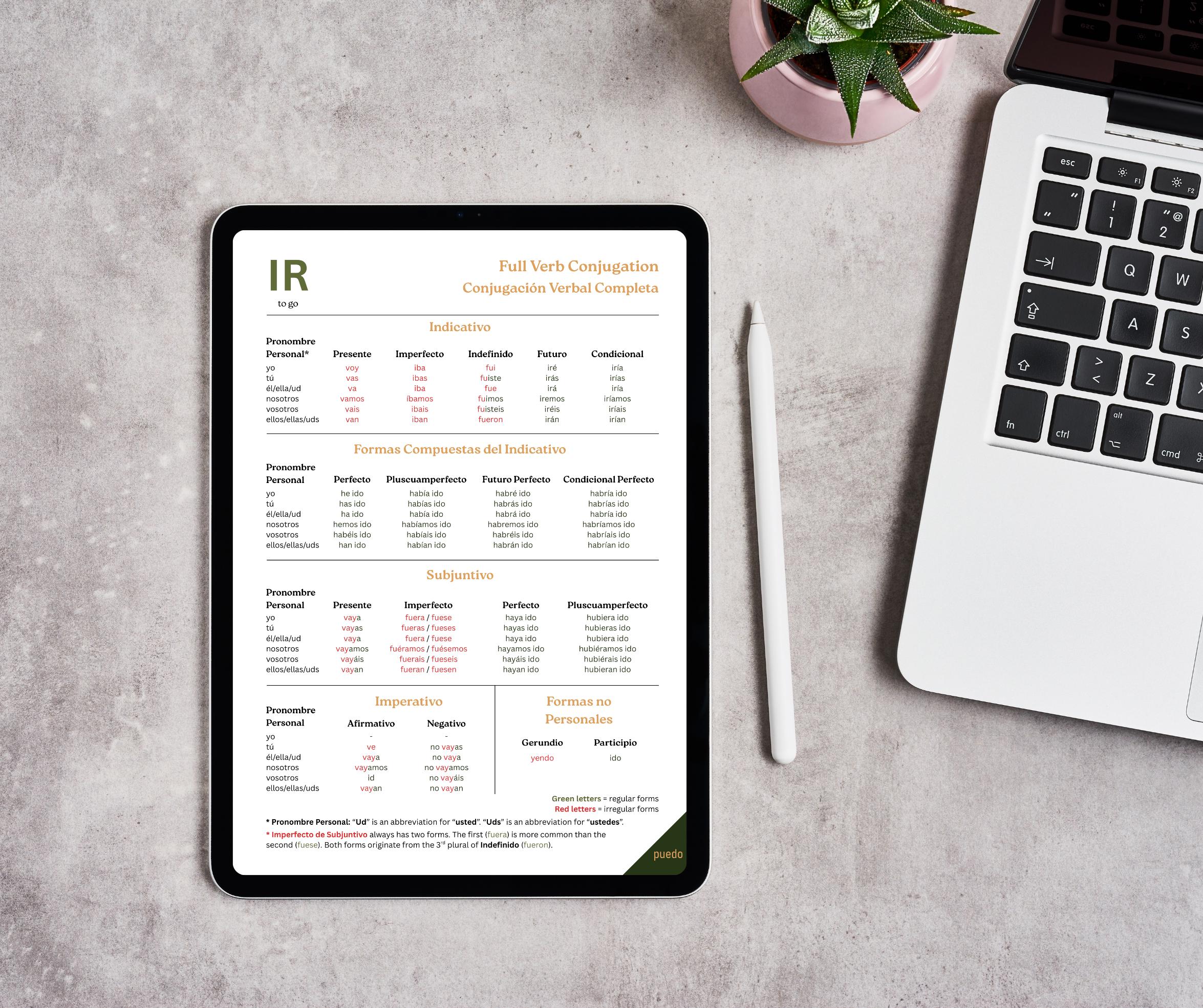
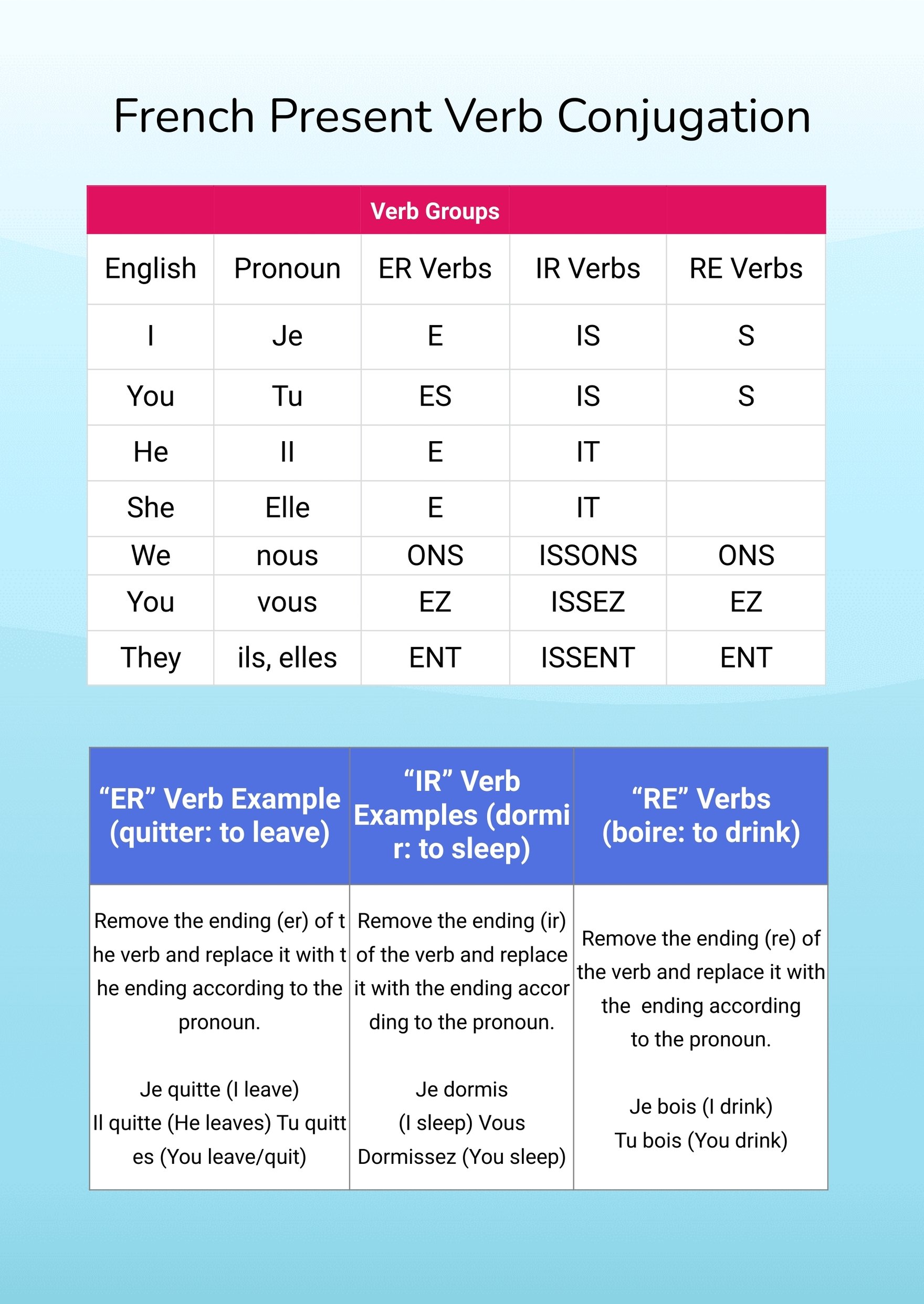
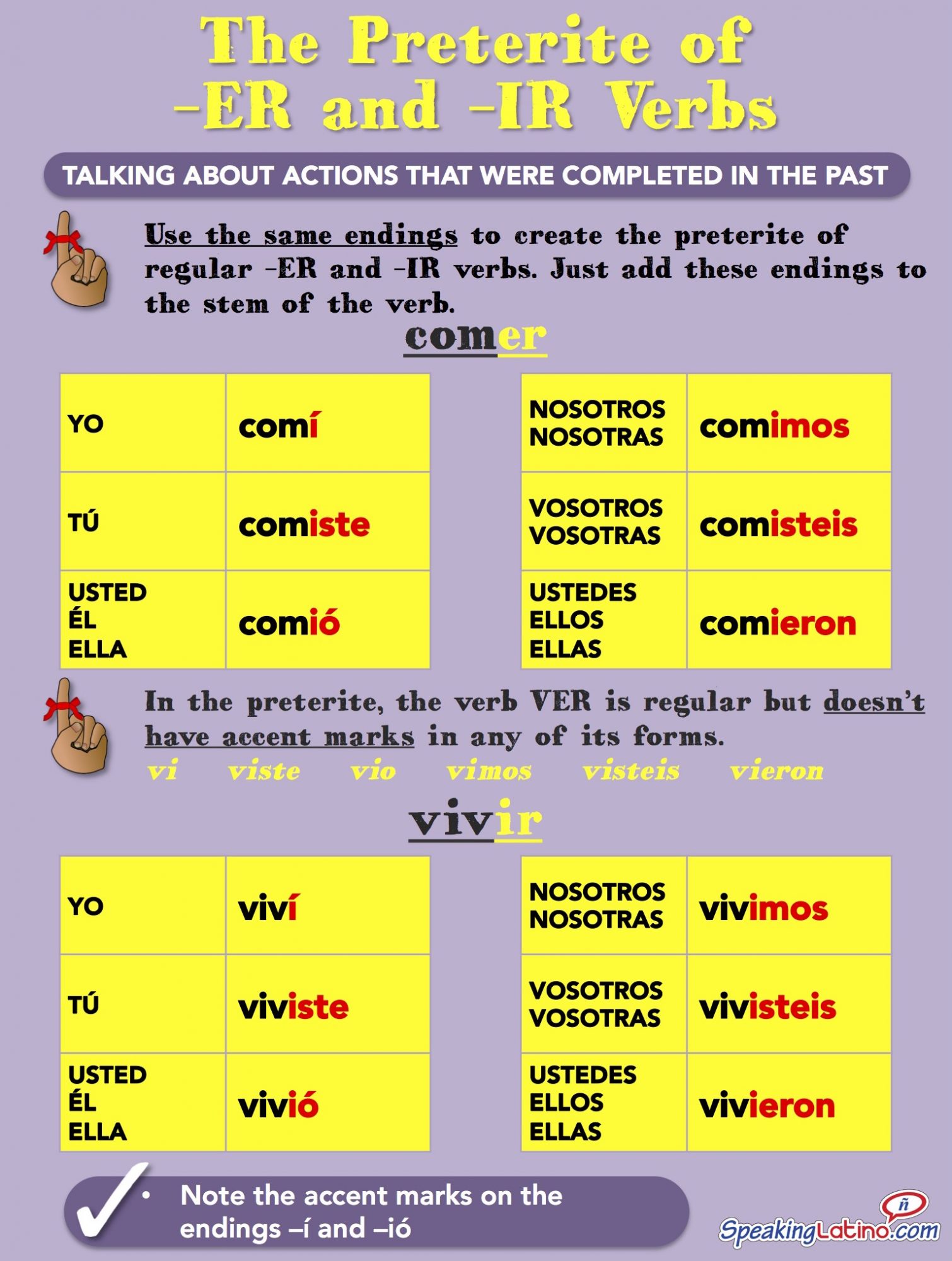
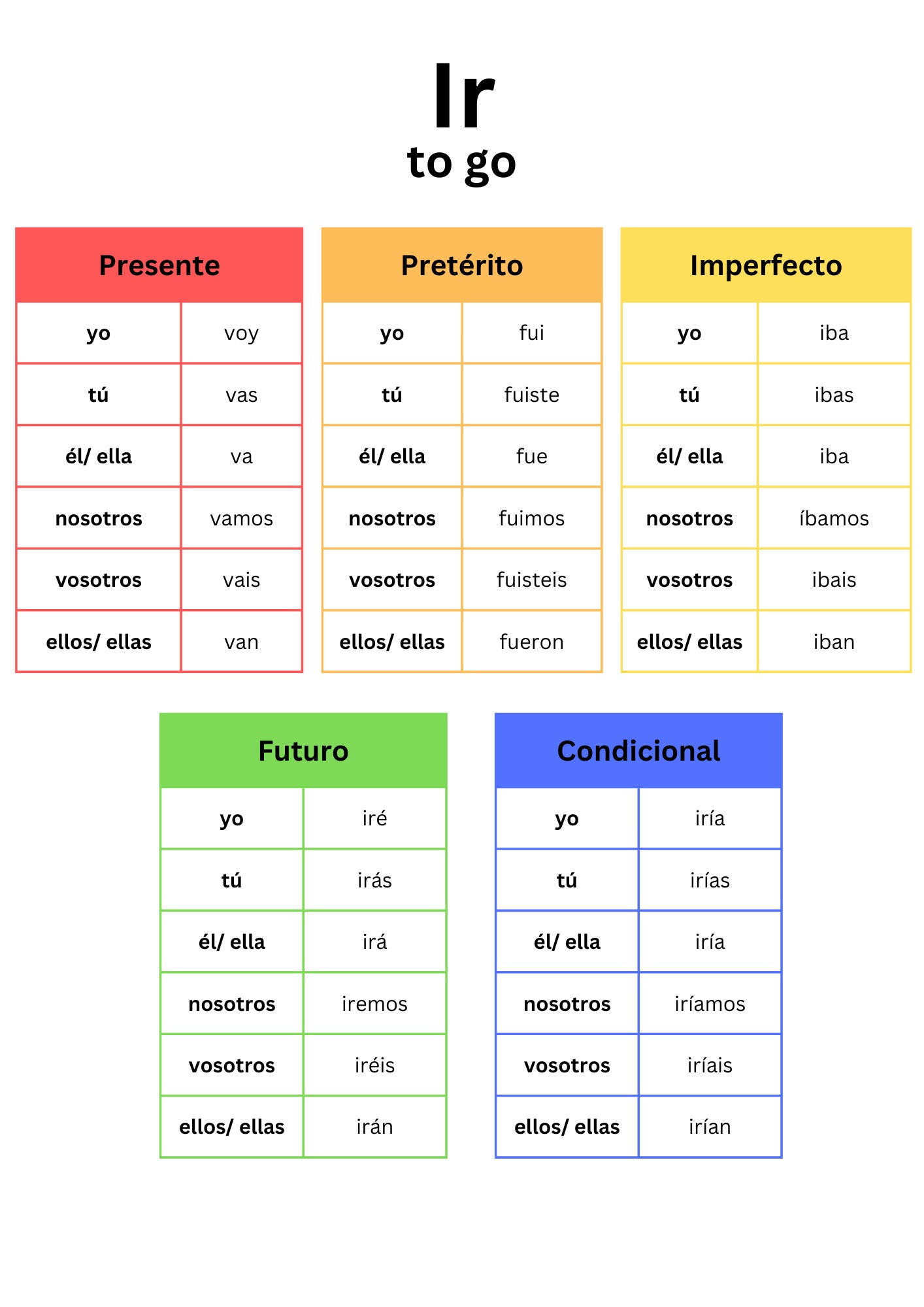
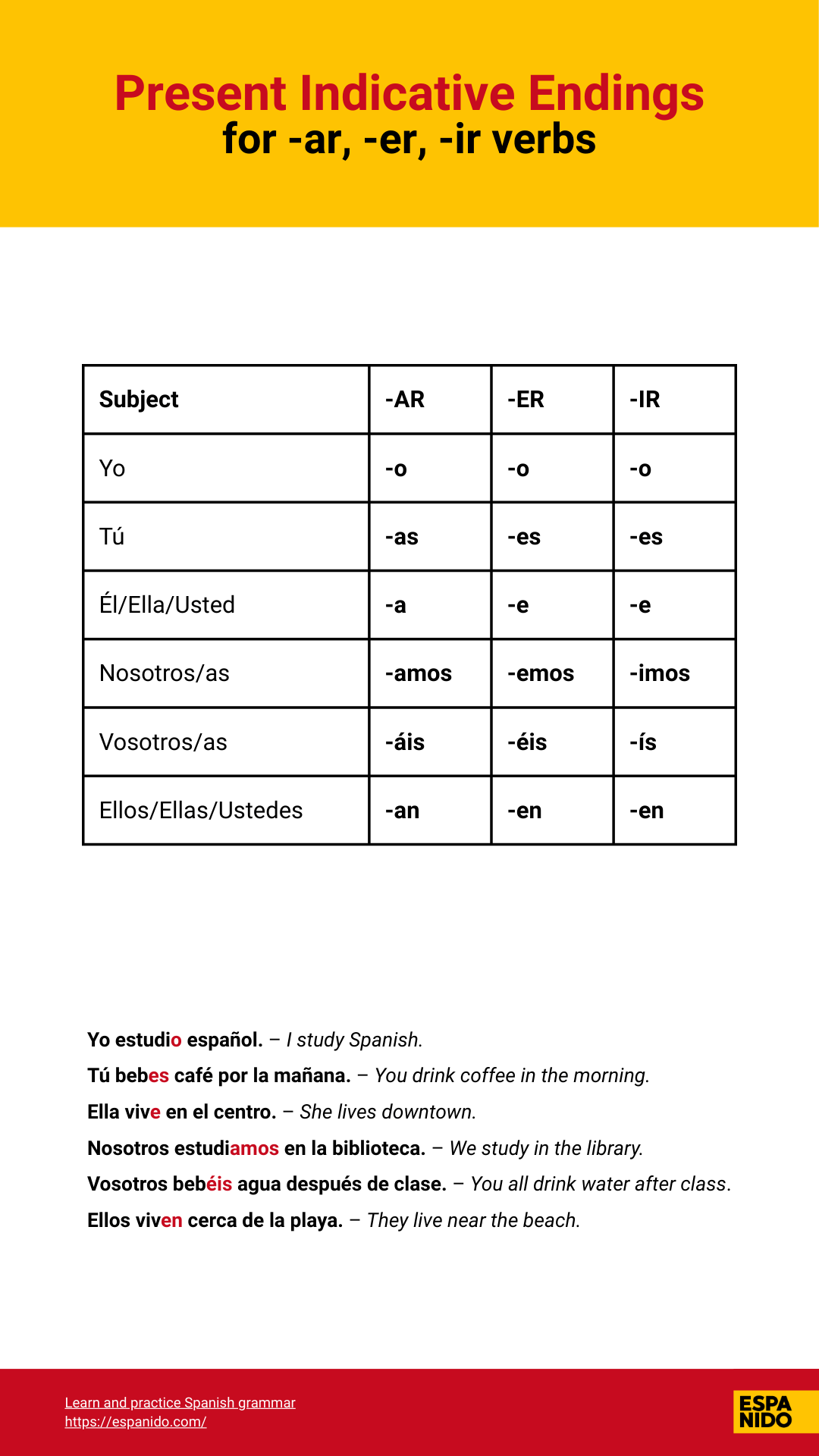
You've landed on this page, perhaps with a specific task in mind or a quick reference need. The ir verb chart is a handy tool, a concise visual guide, that can save you time and effort when navigating Spanish verb conjugations. It offers a structured overview, allowing you to find and understand verb forms efficiently, covering present, past, and future tenses. While the chart's layout and details may vary, its purpose remains consistent: to provide a reliable reference for regular verbs in Spanish.
Understanding the Ir Verb Chart: A Quick Overview
The ir verb chart is an invaluable tool for Spanish language learners, offering a comprehensive visual guide to the conjugation of regular verbs ending in 'ir'. It serves as a reference, providing a clear layout of verb forms across different tenses and persons. This chart is an essential resource for mastering Spanish grammar and ensuring accurate verb usage in various contexts.
Comparing Conjugation Patterns: Regular Verbs vs. Irregulars
While the ir verb chart focuses on regular verbs, it's important to note the existence of irregular verbs, which do not follow standard conjugation patterns. These verbs require separate memorization and are not represented on the chart. Regular verbs, on the other hand, adhere to consistent rules, making the ir verb chart a reliable guide for most verb forms.
Step-by-Step Guide: Using the Ir Verb Chart
To utilize the ir verb chart effectively, follow these steps:
- Identify the verb tense you wish to conjugate. The chart typically covers present, past, and future tenses, each with its section.
- Locate the verb ending you need to conjugate. For instance, if you want to conjugate 'mirar' (to look), find the 'ar' ending section.
- Within the chosen section, find the specific person (e.g., yo, tú, él/ella, nosotros/as) you wish to conjugate for.
- Read across to the appropriate tense column to find the conjugated form. For example, 'yo miro' (I look) in the present tense.
- Repeat this process for other tenses and persons as needed.
Avoiding Common Pitfalls: Misreading and Mistakes
One common mistake is misreading the chart, especially when unfamiliar with Spanish verb endings. Ensure you understand the verb ending and its corresponding section. Another pitfall is assuming all verbs follow the regular pattern. Always double-check for irregular verbs, especially common ones like 'ser' (to be) or 'ir' (to go).
Factors Affecting Accuracy: Regional Variations and Tenses
The accuracy of the ir verb chart can be influenced by regional variations in Spanish. While the chart provides a standard guide, some verbs may have slight differences in certain Spanish-speaking countries. Additionally, the chart primarily covers regular verbs, so it's essential to be aware of irregular verbs and their unique conjugations.
Choosing the Right Format: Adapting to Your Needs
There are various formats of the ir verb chart available, catering to different learning styles and preferences. Some charts are more detailed, covering all tenses and persons, while others focus on specific tenses or provide a simplified layout. Choose the format that best suits your learning goals and level of Spanish proficiency.
Maintaining Reliability: Keeping Your Reference Up-to-Date
To ensure the reliability of your ir verb chart, it's crucial to regularly update your reference materials. Spanish language resources, including verb charts, may evolve and improve over time. Stay informed about any updates or new editions of the chart to access the most accurate and comprehensive guide for your Spanish conjugation needs.
Well, that's a wrap on our exploration of the IR verb chart and its practical applications. We've covered a lot of ground, from understanding the chart's purpose to mastering its use and avoiding common pitfalls. Remember, the key to success lies in adapting the chart to your specific needs and keeping your reference materials up-to-date.
Before you go, it's worth emphasizing the importance of considering your unique context. Exact values and formats may vary, so double-check the standards and sources relevant to your situation. With that in mind, I hope this guide proves invaluable the next time you need a quick reference. Feel free to bookmark this page for future use!
Related: Need a Seed Cycling Chart?
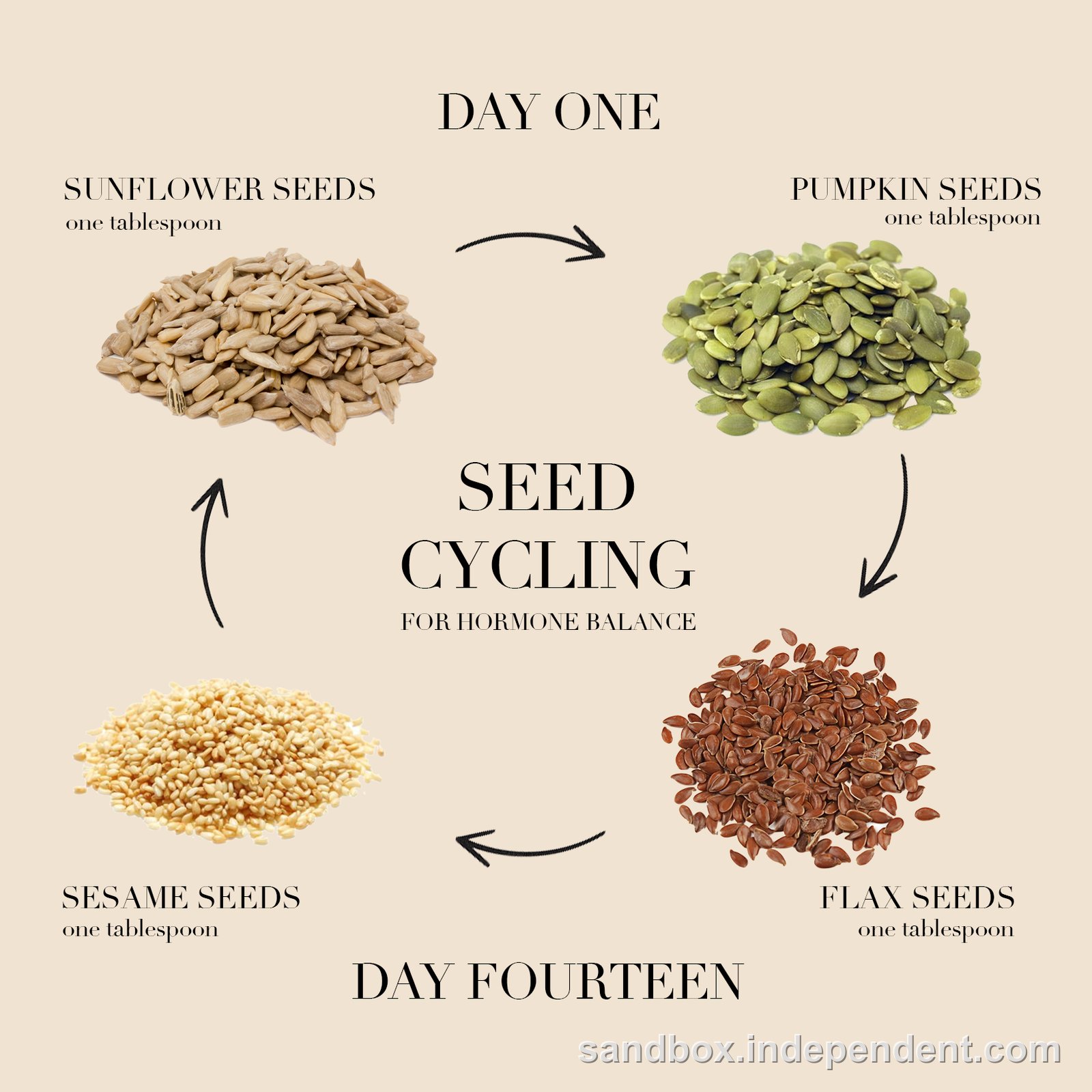
The seed cycling chart is a handy tool for those looking to support their menstrual cycle and hormone health naturally. It's a simple visual guide that outlines a seed cycling protocol, which involves consuming specific seeds at different phases of your cycle.
This guide will walk you through the basics, explaining how to read and use the seed cycling chart effectively. You'll discover the benefits of seed cycling, including its potential to promote hormone balancing and natural fertility. So, let's dive in and explore this fascinating and accessible practice!
Seed Cycling Chart: A Practical Guide
The seed cycling chart is a simple yet effective tool to guide you through the seed cycling protocol. It provides a visual representation of when to consume specific seeds during your menstrual cycle to support hormone balance and overall well-being. This chart is a handy reference for anyone looking to incorporate seed cycling into their daily routine.
Understanding the Phases and Categories
The seed cycling chart typically divides the menstrual cycle into two phases: the follicular phase and the luteal phase. Each phase has its own recommended seed combination. The chart will indicate which seeds to consume during these phases, usually flax and pumpkin seeds for one phase, and sesame and sunflower seeds for the other. It's important to note that the chart may vary slightly depending on the source and individual needs.
Seed Rotation Guide: Step-by-Step
Here's a simple guide on how to read and use the seed cycling chart:
- Identify your cycle: Determine the length of your menstrual cycle. The average cycle is around 28 days, but it can vary. Count from the first day of your period to the day before your next period starts.
- Divide your cycle: The follicular phase typically lasts from day 1 to ovulation, which is usually around day 14 for a 28-day cycle. The luteal phase begins after ovulation and continues until the start of your next period.
- Follow the chart: During the follicular phase, incorporate flax and pumpkin seeds into your diet. You can grind them and add them to smoothies, yogurt, or salads. For the luteal phase, switch to sesame and sunflower seeds.
- Daily intake: Aim for approximately 1-2 tablespoons of the recommended seeds each day during their respective phases. You can adjust the quantity based on your personal preference and dietary needs.
- Repeat the cycle: Continue this seed rotation with each menstrual cycle to support hormone balance and overall health.
Potential Variations and Considerations
While the seed cycling chart provides a general guide, it's important to note that individual variations may occur. Here are some factors to consider:
- Cycle length: If your cycle is shorter or longer than average, adjust the seed rotation accordingly. Consult a healthcare professional for personalized advice.
- Seed allergies: Be mindful of any seed allergies or sensitivities. Always introduce new foods gradually and monitor for any adverse reactions.
- Storage and preparation: Proper storage and preparation are key. Store seeds in a cool, dry place, and consider grinding them fresh for maximum nutritional value.
- Dietary supplements: Seed cycling is a natural approach, but it may be combined with other dietary supplements for additional support. Consult a healthcare provider for guidance.
Remember, the seed cycling chart is a tool to support your overall health and well-being. It's always a good idea to seek professional advice, especially if you have specific health concerns or conditions.
Hey there, we hope this seed cycling chart has been a helpful tool for you! While the basics remain the same, you might find that the exact details can differ slightly depending on your specific needs and sources.
So, keep this guide handy and feel free to explore our other practical reference articles for more quick tips and tricks. We're here to make your life easier, one chart at a time!