







Two Letter Q Overview
A ductwork cfm chart is a handy tool for anyone needing a quick reference on airflow and duct sizing. This guide will cover the basics, showing you how to read and utilize these charts effectively.
The charts provide a simple way to ensure your ductwork is correctly sized and efficient. They offer standard values, but it's worth noting that specific details can vary depending on local standards and your unique project requirements.
Understanding the Ductwork CFM Chart
A ductwork CFM chart is a valuable tool for anyone working with HVAC systems or designing ventilation networks. It provides a quick reference for determining the airflow capacity of different duct sizes and configurations. This chart is a handy guide to ensure your system's efficiency and performance.
Key Details and Units
The ductwork CFM chart typically displays two main categories: duct sizes and their corresponding CFM (Cubic Feet per Minute) ratings. Duct sizes are often given in inches or as a diameter, and the CFM rating indicates the volume of air that can pass through the duct per minute. It's essential to note that these charts are usually based on specific standards, such as the American Society of Heating, Refrigerating, and Air-Conditioning Engineers (ASHRAE) guidelines.
Reading and Applying the Chart
Here's a step-by-step guide on how to use the ductwork CFM chart:
- Identify the duct size you are working with. This could be the diameter or a specific size code.
- Locate the corresponding CFM rating on the chart. The rating will tell you the maximum airflow capacity for that duct size.
- Ensure you are using the correct standard. Different regions and organizations may have slightly varying charts, so double-check to avoid errors.
- If needed, convert the CFM rating to other units like liters per second or m³/h using conversion factors.
- Apply this information to your system design or troubleshooting. For instance, you can calculate the total airflow required for a space and then select the appropriate duct sizes based on the chart.
Variations and Differences
While ductwork CFM charts are incredibly useful, it's important to understand that variations can occur due to several factors:
- Different standards and organizations may have slight variations in their charts. Always refer to the relevant standard for your project.
- The chart's accuracy assumes ideal conditions. Real-world factors like duct friction, bends, and fittings can affect actual airflow.
- The chart might not cover every possible duct size or configuration. In such cases, you may need to interpolate values or consult more specialized charts.
- Duct sizing guides and air flow rate charts can provide additional context and help you make informed decisions.
Remember, the ductwork CFM chart is a practical tool, but it's essential to consider the specific context and potential variations to ensure accurate system design and performance.
Hey there, ductwork enthusiasts! We hope this guide has given you a clear understanding of the ductwork CFM chart and its practical applications. Remember, while the basics remain consistent, the exact details can vary slightly depending on the specific context and standards you're working with.
Feel free to explore our other guides for more insights into the fascinating world of HVAC and its many components. We've got plenty of resources to keep you informed and inspired!
Related: Uncover the Hair Levels Chart: Your Styling Guide
You're here, searching for a hair levels chart, a handy tool to help you understand your hair's characteristics. This chart is a simple yet effective way to visualize and assess your hair's thickness, density, and overall volume. It provides a quick reference, offering a snapshot of your hair's current state and a guide to track any changes over time. With various formats and standards, these charts offer a standardized way to measure and compare hair, ensuring an accurate and reliable assessment.
Understanding the Hair Levels Chart: Your Guide to Hair Volume
The hair levels chart is a handy tool to understand and categorize your hair's volume and thickness. It provides a simple, visual way to assess your hair's characteristics, which can be useful for styling, product selection, and even tracking hair growth progress. This chart typically uses a scale or a set of categories to describe hair volume, offering a quick reference for everyday use.
Comparing Hair Volume Standards: A Range of Options
There are various ways to categorize hair volume, and different charts may use different standards. Some common scales include a simple 1 to 10 scale, with 1 being the finest hair and 10 the thickest. Others might use a more detailed system, like a 1 to 20 scale, offering a broader range of options. Additionally, some charts might categorize hair into broad types, like "thin," "medium," and "thick," providing a more general overview.
Step-by-Step Guide: Using the Hair Levels Chart
- Start by gathering a small section of clean, dry hair, preferably from the top of your head.
- Hold the hair between your fingers and assess its thickness. Compare it to the visual representations or descriptions on your chosen hair levels chart.
- Match the thickness of your hair to the corresponding category or number on the chart. This will give you an idea of your hair's volume level.
- For a more precise assessment, you can count the number of hairs in the section you've gathered. This follicle count guide can provide additional insight into your hair's density.
Common Misconceptions and How to Avoid Them
One common mistake is assuming that the hair levels chart is a universal standard. While it provides a useful framework, it's important to note that hair characteristics can vary widely, and individual differences may not always fit neatly into these categories. Additionally, hair can change over time due to various factors, so regular assessments are beneficial. Always refer to the specific chart's instructions and consider any additional notes or explanations provided.
Factors Affecting Accuracy: Real-World Considerations
Several factors can influence the accuracy of your hair levels chart assessment. These include your hair's natural texture, whether it's curly, straight, or somewhere in between, as well as its overall health and condition. Environmental factors, such as humidity, can also temporarily affect your hair's volume and texture. It's essential to consider these variables when using the chart and to be aware that your hair's level may fluctuate. Regular assessments and a consistent approach will provide the most accurate results over time.
Hey there! We've covered a lot of ground in this post, and I hope it's given you a clear idea of how to navigate the hair levels chart and its various aspects. Remember, while the basics remain the same, there might be slight variations in the details, so always refer to the most relevant and up-to-date sources for your specific needs.
If you found this guide helpful, why not explore some of our other practical articles? We've got a range of topics that might just simplify your life, from organizing tips to handy reference guides. So, feel free to browse and discover more ways to make your daily routines a breeze!
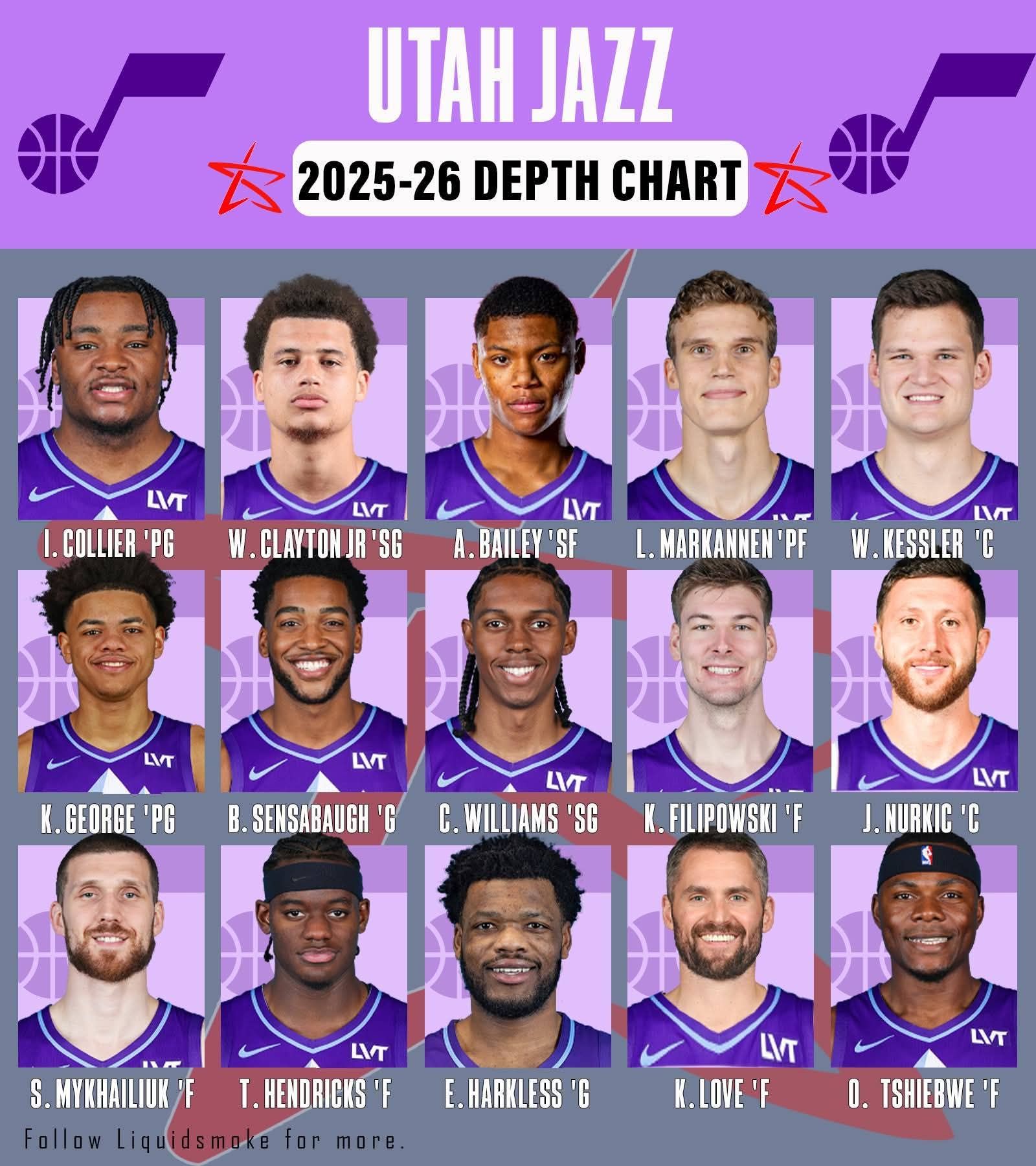
Related: Jazz Depth Chart: A Comprehensive Guide
Frustrated by the lack of clarity on jazz depth charts? You're not alone. Many musicians and enthusiasts seek a straightforward guide to understanding these charts, which can vary in format and structure. The jazz depth chart is a valuable tool, offering a snapshot of a jazz ensemble's hierarchy and roles. It provides a quick reference, ensuring everyone knows their place and purpose within the band's dynamic. Whether it's a jazz band hierarchy or a big band organization, these charts are essential for smooth collaboration and performance.
Understanding the Jazz Depth Chart: A Practical Guide
A jazz depth chart is a visual representation, often in the form of a diagram or table, that outlines the typical hierarchy and structure of a jazz ensemble. It provides an overview of the instrumental roles, their relative importance, and the standard setup for a jazz band. This chart is an essential tool for musicians, composers, and arrangers, offering a quick reference for understanding the dynamics and organization of a jazz group.
Comparing Common Instrumentation and Formats
The jazz depth chart typically features a range of instruments, each with its designated position and role. Common categories include the rhythm section, which forms the backbone of the ensemble, and the front line, which takes the lead in improvisation. The rhythm section often includes piano, bass, drums, and sometimes guitar, while the front line can feature a variety of instruments like saxophone, trumpet, trombone, and vocals. The chart may also indicate the number of players per section, providing a standard framework for jazz band hierarchy.
Reading and Applying the Depth Chart: A Step-by-Step Guide
Start by familiarizing yourself with the chart's layout. Identify the different sections and their respective instruments. Look for any labels or legends that explain the symbols or abbreviations used.
Understand the relative importance of each instrument. The depth chart often uses a visual hierarchy, with larger or more prominent symbols representing key instruments or sections.
Consider the number of players suggested for each section. While this can vary, the chart provides a standard guide, ensuring a balanced and functional ensemble.
When arranging or composing for a jazz band, use the depth chart as a starting point. It offers a clear structure to build upon, ensuring a well-organized and harmonious performance.
Adapt the chart to your specific needs. While it provides a standard framework, jazz is an art form that encourages creativity and experimentation. Feel free to modify the setup to suit your musical vision.
Avoiding Common Misreadings and Pitfalls
One common mistake is assuming that the jazz depth chart is a rigid, unchangeable blueprint. While it provides a standard structure, jazz is a flexible genre, and variations are common. Always consider the specific context, the style of jazz being performed, and the unique talents of the musicians involved.
Another pitfall is neglecting to consider the dynamics and interplay between sections. The depth chart is a guide, but the true magic of jazz lies in the interaction and improvisation between musicians. Ensure your arrangements allow for this creative freedom.
Key Factors Affecting Accuracy and Real-World Use
The accuracy of a jazz depth chart can vary depending on the specific jazz style and regional influences. For instance, a big band setup may differ from a small jazz combo, and international variations may exist. Always consider the context and double-check specific requirements or tolerances when necessary.
Additionally, the chart's effectiveness relies on the skill and creativity of the musicians. While it provides a framework, the true essence of jazz comes from the unique interpretations and improvisational skills of the performers.
Adapting the Chart for Specific Needs and Formats
While the jazz depth chart offers a standard guide, it can be adapted to suit various formats and genres. For instance, a jazz fusion band may require additional electric instruments, or a Latin jazz ensemble might feature percussion instruments not typically found in a traditional jazz band.
When adapting the chart, consider the unique characteristics of the style you're working with. Ensure the adapted setup still maintains a balanced and harmonious ensemble, allowing for the creative interplay that defines jazz music.
Well, that's a wrap on our exploration of the jazz depth chart and its practical applications. We've covered a lot of ground, from understanding the basics to tailoring the chart to your unique needs.
Remember, when applying these concepts, it's essential to consider your specific context and requirements. Exact values and formats may vary, so always double-check what works best for your situation. Feel free to explore our other guides; we've got a range of topics that might interest you and provide further insights into the world of jazz and its many facets. Happy reading and, as always, keep that jazz spirit alive!