


Tybee Tide Chart Sheet Overview
Many new parents are often surprised by the variety of infant poop and the fact that it can be a useful indicator of their baby's health. The infant poop chart is a simple yet effective tool to help you navigate this unfamiliar territory. It's not as scary as it sounds; this chart is a straightforward guide, offering a quick reference to understand your baby's stool consistency and what it might mean. While the exact values may vary slightly, the infant poop chart provides a reliable framework to ensure you're on the right track.
What is an Infant Poop Chart?
An infant poop chart is a simple yet informative tool for parents and caregivers to understand and track a baby's bowel movements. It provides a visual guide to help identify and categorize different types of poop, offering insights into a baby's digestive health and potential issues.
Key Details and Categories
The infant poop chart typically consists of a scale or a series of images representing various poop consistencies. These categories are often inspired by the Bristol Stool Scale, a widely recognized reference for stool types. The chart may use terms like "Meconium," which is the baby's first tar-like poop, and then progress through different stages, often with descriptive names like "Mustard Seeds" or "Soft Serve Ice Cream." Each category has a unique appearance and texture associated with it.
How to Read and Apply the Chart
Reading the infant poop chart is straightforward. Match the appearance and texture of your baby's poop to the closest representation on the chart. This process helps you identify the stage of your baby's digestive development. For instance, if the poop resembles smooth, soft peaks, it might fall under the "Soft Serve Ice Cream" category, indicating a healthy, well-digested meal.
Understanding Variations and Differences
Variations in poop consistency are normal and can be influenced by several factors. A baby's diet, including breast milk or formula composition, solid food introduction, and even hydration levels, can impact poop appearance. Additionally, individual digestive systems vary, and some babies may naturally have firmer or looser stools. Environmental factors like temperature and humidity can also play a role.
Common Mistakes and How to Avoid Them
One common mistake is overinterpreting the chart. Remember, it's a guide, not a rigid rule. Don't panic if your baby's poop doesn't perfectly match a category. Small variations are normal. Another pitfall is comparing your baby's poop to others. Every baby is unique, and their digestive systems develop at their own pace. Avoid unnecessary stress by focusing on your baby's individual progress.
Practical Tips for Accurate Results
To ensure accurate readings, pay attention to the context. Note any recent dietary changes, illnesses, or medications that might affect your baby's digestion. Keep a poop journal to track patterns and changes over time. This can help you identify any potential issues or simply observe your baby's natural progression.
Double-Checking and Handling Edge Cases
While the infant poop chart is a valuable tool, it's not exhaustive. If you notice any concerning changes, such as persistent diarrhea, blood in the stool, or a sudden shift in consistency, consult a healthcare professional. They can provide personalized advice based on your baby's specific situation. Always seek medical guidance if you're unsure or concerned about your baby's health.
Well, there you have it! An easy-to-use infant poop chart, a handy tool for any parent or caregiver. Understanding the ins and outs of baby poop is a crucial step in their overall health and development, so it's great to have a simple guide to refer to.
Remember, while this chart provides a general overview, exact values can vary, so always consider your specific context and consult with a healthcare professional if you have any concerns. It's always better to be safe than sorry! Bookmark this page for future reference, and you'll always have a quick and handy resource to turn to. Happy pooping!
Related: What's the Right Bolt Size? A Quick Chart Guide
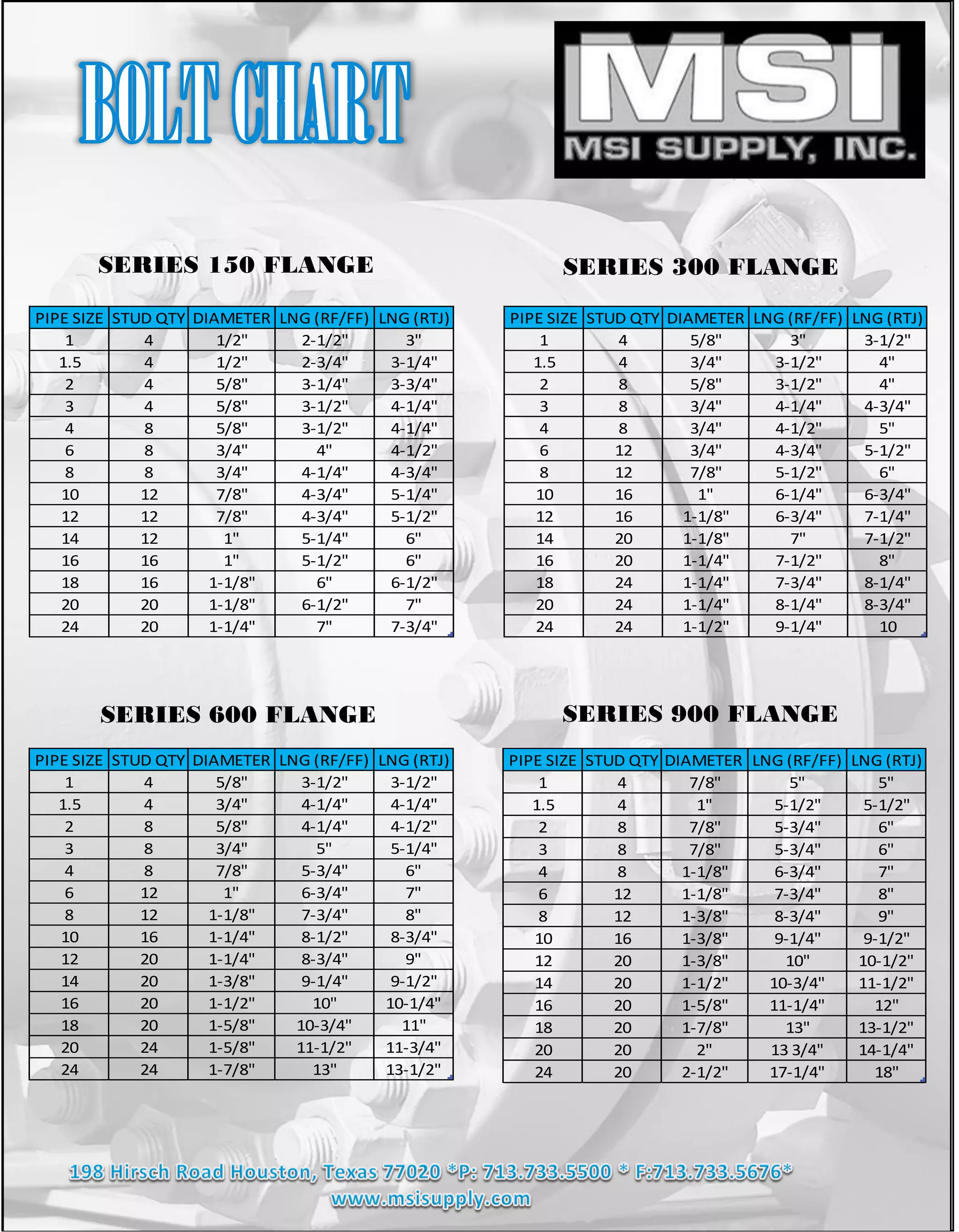
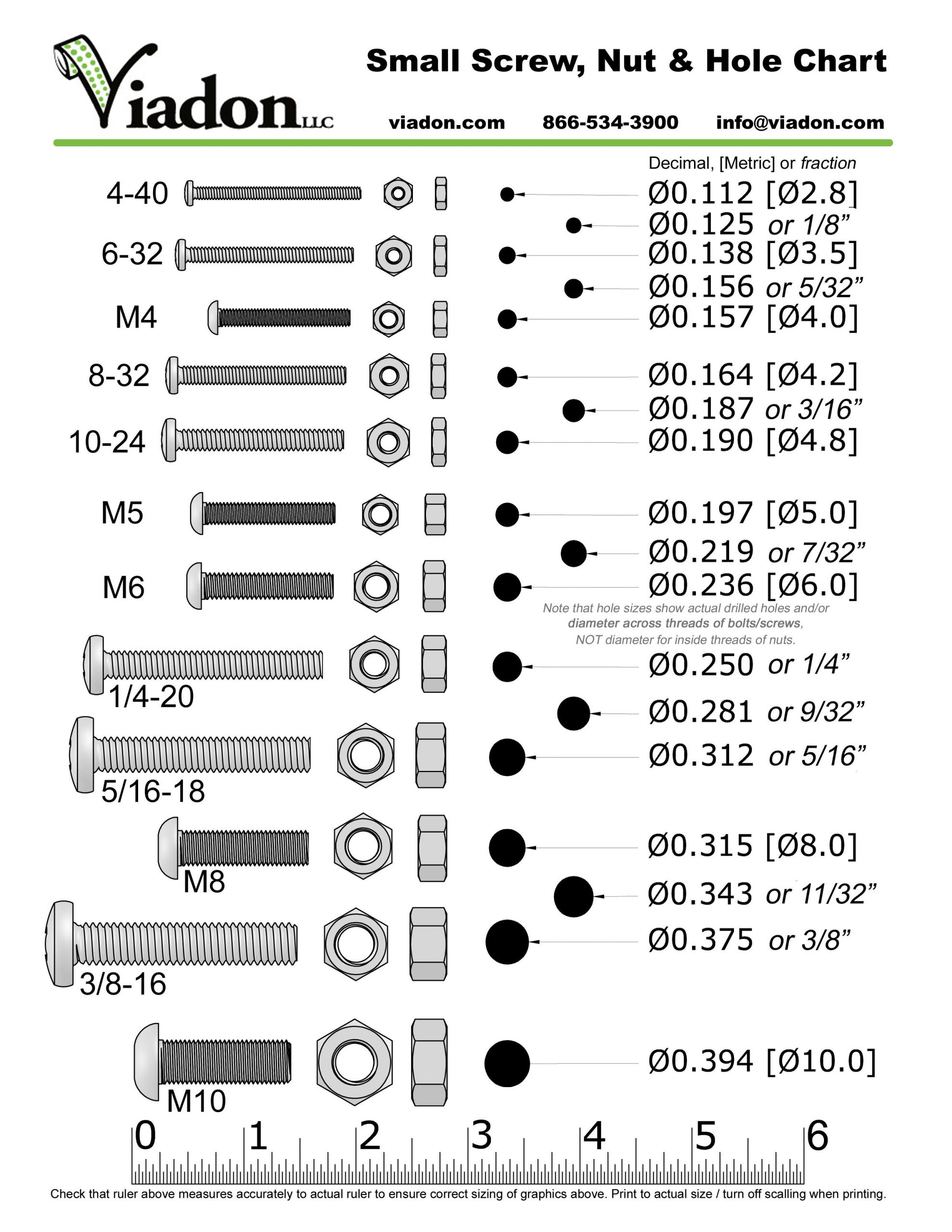
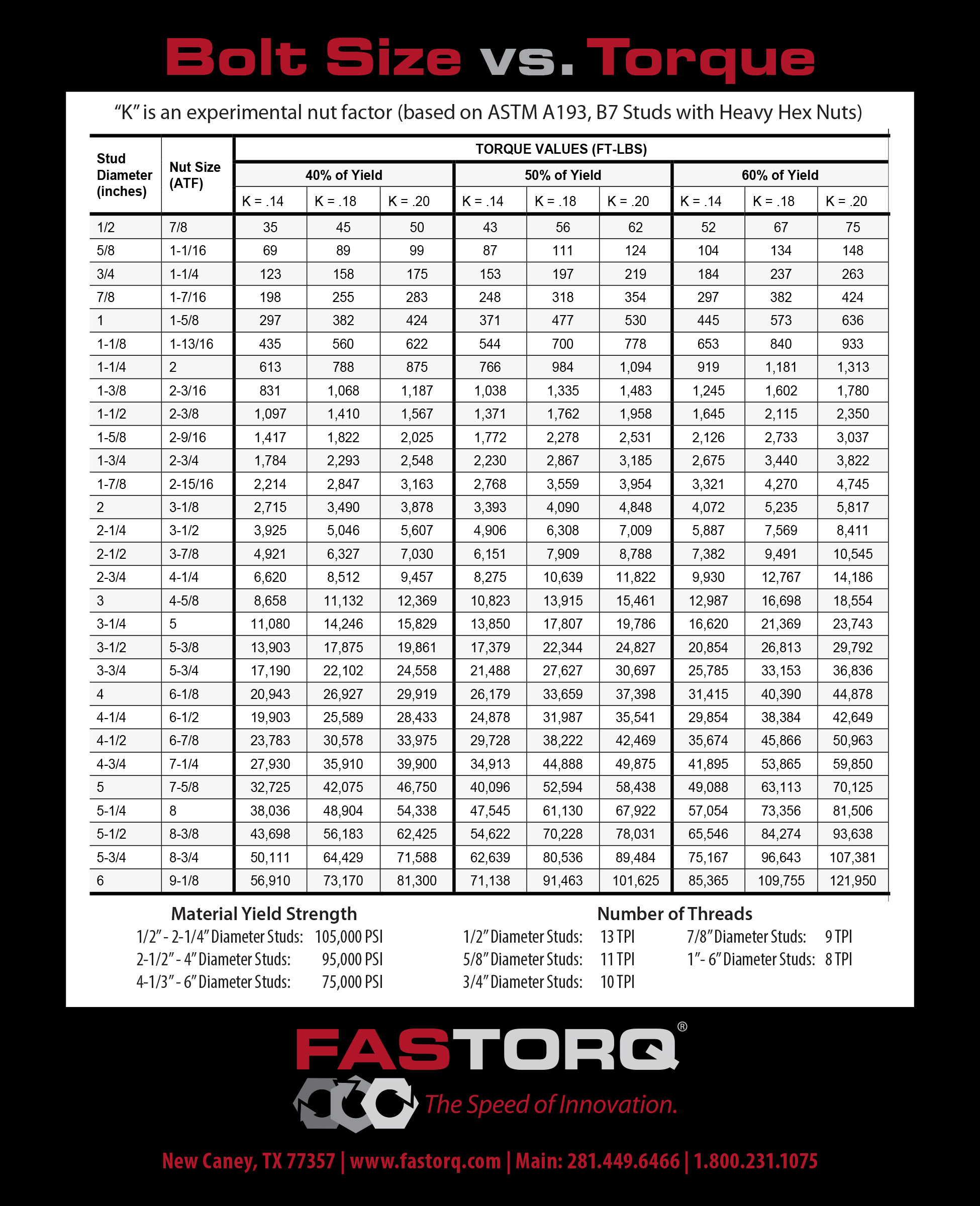
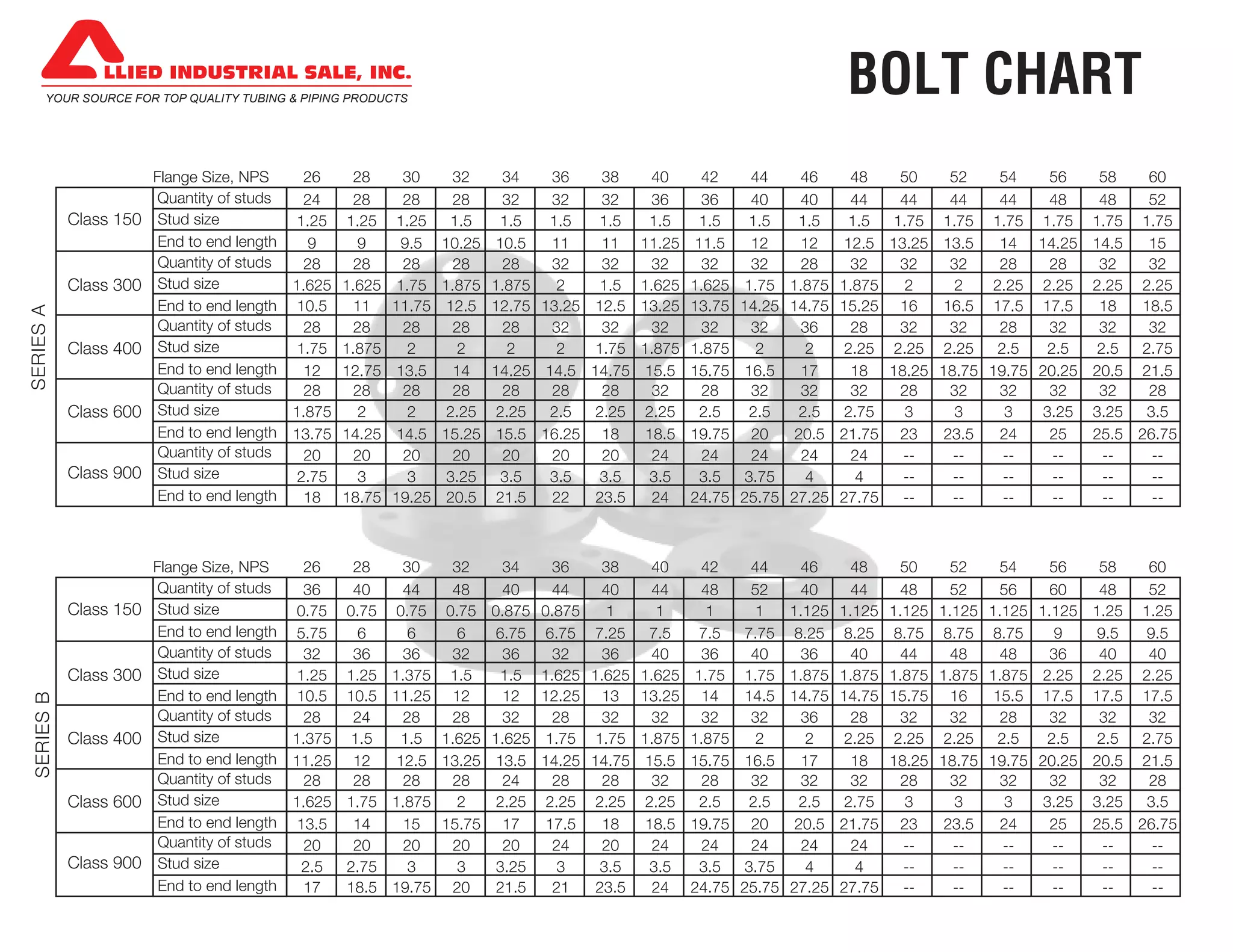
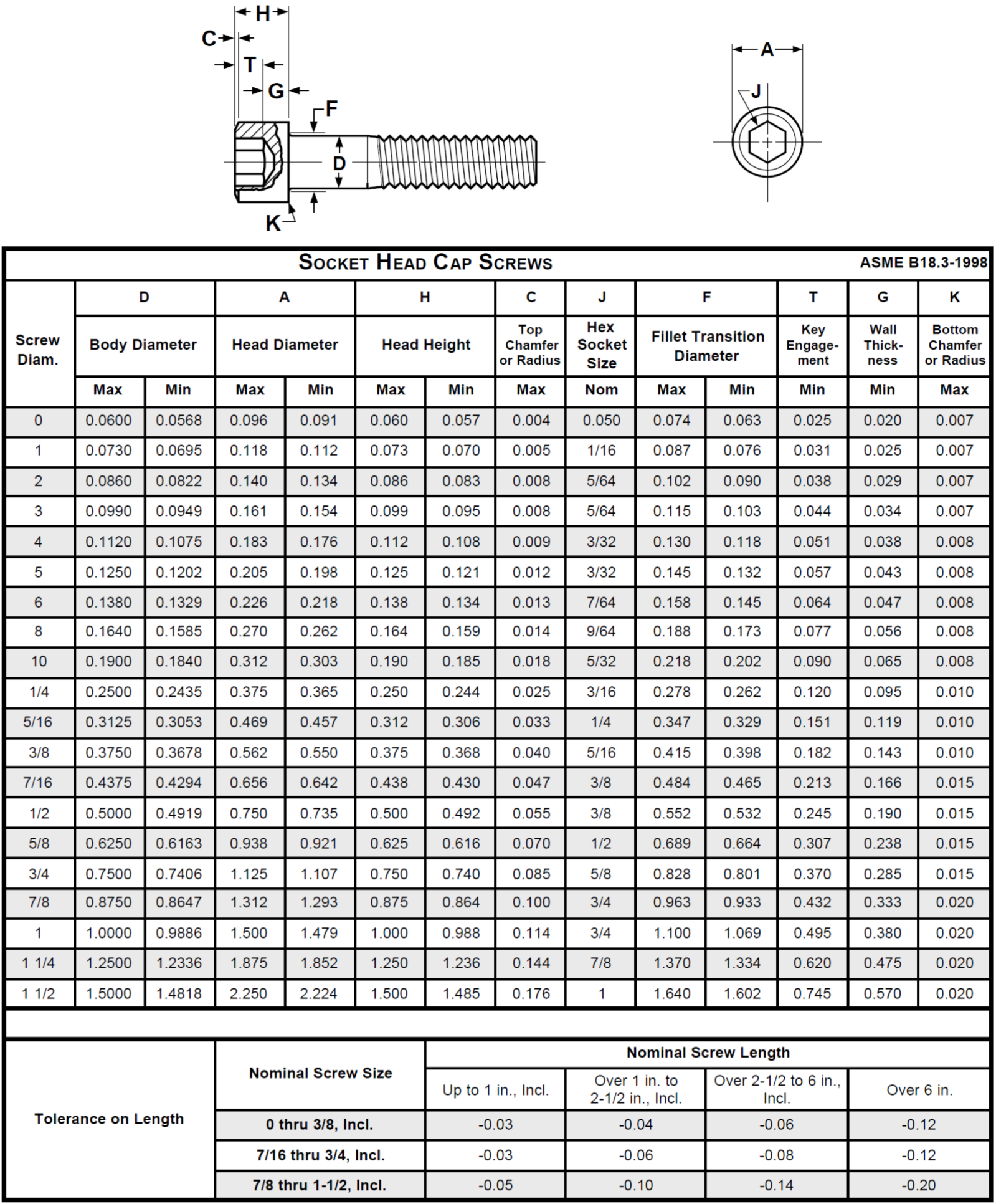
A bolt size chart is a handy tool for anyone working with bolts and fasteners. It's a simple yet effective way to ensure you're using the right size and type of bolt for your project. This guide will cover the basics of reading and using a bolt size chart, so you can tackle any fastening task with confidence.
These charts provide a quick reference for bolt dimensions, including length, diameter, and thread pitch. While the values may vary depending on the standard and region, a good chart will offer a clear and organized layout, making it easy to identify the bolt you need.
Understanding Bolt Size Charts
Bolt size charts are your practical guide to choosing the right bolt for any project. These charts provide a quick reference to help you match the bolt's size and specifications to your needs. It's like having a map to navigate the world of fasteners!
Key Details and Units
A bolt size chart typically includes essential information such as the bolt's diameter, length, thread pitch, and head type. These charts often follow specific standards, like the metric or imperial systems, so you'll find different charts for different regions and industries. The units used can vary, so it's crucial to know whether you're dealing with millimeters or inches.
Reading and Applying the Chart: A Step-by-Step Guide
- Start by identifying the bolt's primary purpose and the material it will fasten. This helps narrow down the options.
- Locate the diameter column on the chart. This is usually the first critical factor. Match the required diameter with the chart's values.
- Next, consider the length. The chart will provide a range of lengths for each diameter. Choose the length that best suits your project's needs.
- Thread pitch is the distance between threads. Different materials and applications may require specific thread pitches. Refer to the chart to select the appropriate pitch.
- Finally, identify the head type. Common head types include hex, socket cap, and flat. The chart will guide you on the available head types for your chosen diameter and length.
Variations and Differences
Bolt size charts can vary depending on the standard and the intended use. For instance, metric bolt sizes may have different thread pitches compared to imperial bolt standards. Additionally, specialized bolts for unique applications might have custom dimensions not found on standard charts. Always refer to the specific chart relevant to your project's needs.
Common Mistakes and How to Avoid Them
One common mistake is assuming all bolts are created equal. Different materials and applications require specific bolt dimensions. Always refer to the bolt size chart for the correct specifications. Another pitfall is ignoring the thread pitch. Using the wrong thread pitch can lead to stripped threads or poor fastening. Take the time to understand and select the right pitch.
Practical Tips for Accurate Results
When using a bolt size chart, always double-check the units. Mistakes can happen when converting between metric and imperial systems. Additionally, pay attention to the thread class, which indicates the thread's tolerance and fit. Using the wrong class can impact the bolt's performance and durability.
Double-Checking and Handling Exceptions
While bolt size charts are incredibly useful, they might not cover every edge case. For unique or specialized applications, it's best to consult the manufacturer's specifications. These can provide precise details and tolerances to ensure the bolt's performance and safety. Always err on the side of caution and double-check when dealing with critical applications.
Hey there! We've covered a lot of ground with this bolt size chart, and I hope it's given you a clear understanding of the basics. Remember, while the fundamentals remain the same, exact details might shift a little based on your specific situation or the standard you're working with.
So, the next time you're tackling a project and need a quick reference, feel free to bookmark this page. It's a handy tool to have in your back pocket, and you never know when you might need to size up those bolts!
Related: Need a Pipe Thread Chart? Find the Right One Here!
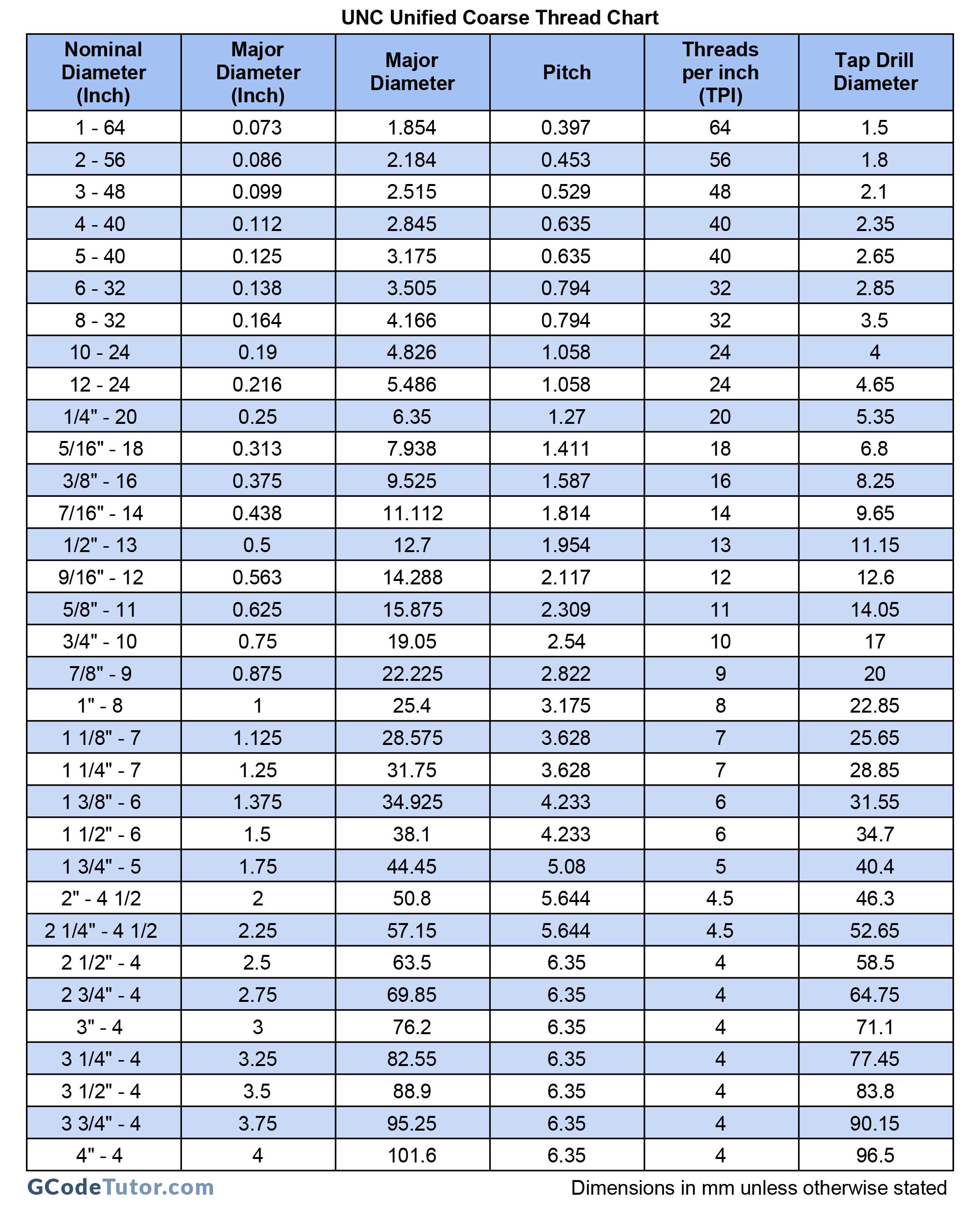
A pipe thread chart is an essential tool for anyone working with pipes and fittings, offering a quick and precise way to identify and match threads. This guide aims to provide an overview of what these charts entail and how they can be utilized effectively.
The charts present a clear and organized display of thread specifications, including standard sizes, pitch, depth, and more. While the values may vary depending on the region and pipe thread standards, the pipe thread chart serves as a reliable reference, ensuring accurate connections and preventing costly mistakes.
Understanding Pipe Thread Chart: A Practical Guide
The pipe thread chart is a valuable reference tool for anyone working with pipes and threaded connections. It provides a comprehensive overview of the various thread types, sizes, and standards commonly used in the industry. By understanding and utilizing this chart, you can ensure accurate measurements, proper fittings, and secure connections.
Key Details and Prerequisites
Before delving into the pipe thread chart, it's essential to grasp some fundamental concepts. First, pipe threads are categorized into different standards, such as the National Pipe Thread (NPT) and British Standard Pipe (BSP). These standards define the thread's dimensions, including the thread angle, pitch, and depth. The chart typically includes information on both tapered and straight threads, covering a range of sizes and series. Understanding these categories and their corresponding units is crucial for accurate interpretation.
Reading and Applying the Pipe Thread Chart
Using the pipe thread chart is a straightforward process. Here's a step-by-step guide:
Identify the Standard: Determine the pipe thread standard you are working with. This information is often indicated on the pipe or fitting itself. Common standards include NPT and BSP, but there are others as well.
Locate the Thread Series: The chart usually organizes threads into series, such as NPTF (National Pipe Thread Fuel) or BSPT (British Standard Pipe Tapered). Each series has its own unique characteristics and dimensions.
Measure the Thread Size: Measure the outside diameter (OD) of the pipe or fitting. This measurement is crucial for identifying the correct thread size.
Refer to the Chart: Using the measured OD and the identified thread series, locate the corresponding thread size and its specifications on the chart. The chart will provide details such as the thread pitch, depth, and other relevant dimensions.
Verify the Thread Type: Confirm the thread type, whether it is tapered or straight. This information is essential for selecting the right fittings and ensuring a proper seal.
Variations and Differences Across Standards
It's important to note that pipe thread standards can vary across regions and industries. The pipe thread chart may present different specifications for NPT, BSP, and other standards. These variations are due to historical and functional differences, and it's crucial to refer to the appropriate standard for accurate results. For instance, NPT threads are commonly used in the United States, while BSP threads are prevalent in the United Kingdom and other parts of the world.
Common Mistakes and How to Avoid Them
One common mistake is assuming that all pipe threads are universal. Different standards and thread series have unique specifications, and using the wrong one can lead to leaks, poor performance, or even safety hazards. Always double-check the thread type and size before making any connections. Additionally, ensure that you are using the correct chart for the specific standard you are working with. Misinterpreting the chart or applying it to the wrong standard can result in incorrect measurements and fittings.
Practical Tips for Accurate Results
To ensure accurate use of the pipe thread chart, consider the following best practices:
Always refer to the latest and most updated version of the chart. Standards and specifications can evolve over time, so staying current is essential.
When in doubt, consult with experts or refer to reputable sources for guidance. Pipe thread connections are critical, and getting it right is crucial for safety and performance.
Keep in mind that the chart provides general information. For precise applications or specialized projects, it's advisable to consult detailed specifications or seek professional advice.
Measure accurately and consistently. Small variations in measurements can lead to significant differences in thread size and fit.
Regularly inspect and maintain your pipe threads and fittings. Over time, threads can wear down or become damaged, affecting their performance.
By following these practical tips and understanding the nuances of pipe thread charts, you can ensure accurate and reliable connections in your projects.
Remember, while the fundamentals remain consistent, exact details can vary slightly across different standards and sources. It's always a good idea to double-check and refer back to this guide when needed.
Feel free to bookmark this page for future reference, and don't hesitate to explore other helpful guides we have available. Accurate measurements and seamless connections are just a click away!