

Us Map Coloring Page Overview
The diamond color chart is a handy tool for anyone wanting to understand and evaluate the color of diamonds. This guide will give you a quick overview, covering the basics of reading and using this chart effectively.
It's a simple yet powerful reference, providing a visual scale to grade diamonds, from the rare, colorless gems to the vibrant fancy colors. The chart's format may vary, but it offers a consistent way to assess and compare diamonds, ensuring you can make informed choices.
What is the Diamond Color Chart?
The diamond color chart is a handy tool that helps us understand and categorize the color of diamonds. It provides a standardized way to assess and compare diamonds based on their color intensity and tone. This chart is an essential reference for anyone interested in diamonds, from jewelers to collectors and buyers.
Key Details and Categories
The diamond color chart typically follows a scale that ranges from D to Z. D represents the highest color grade, indicating a colorless diamond, while Z indicates a light yellow or brown hue. This scale is widely recognized and used by industry professionals and grading laboratories. Each letter grade represents a specific range of color, with subtle variations between them.
How to Read and Apply the Chart
Using the diamond color chart is straightforward. Here's a step-by-step guide:
- Identify the diamond's color: Examine the diamond under proper lighting conditions. Look for any visible tints or hues, especially in the face-up position.
- Compare with the chart: Refer to the diamond color chart and match the diamond's color to the closest grade. The chart often provides a range of colors for each grade, so find the best fit.
- Consider the lighting: Lighting can affect the perceived color. Ensure consistent lighting conditions when comparing diamonds or referencing the chart.
- Seek expert advice: If you're unsure, consult a gemologist or jewelry professional. They can provide accurate assessments and guidance.
Variations and Differences
It's important to note that the diamond color chart may vary slightly depending on the grading system used. The most common and widely accepted system is the GIA color grading scale, but other laboratories and regions may have slight variations. These differences are usually minimal and won't impact the overall color assessment.
Common Misperceptions and Mistakes
One common mistake is assuming that a higher color grade always indicates a better diamond. While a colorless diamond (D grade) is often considered ideal, many people find the subtle warmth of lower color grades (e.g., J-K range) more appealing. It's a matter of personal preference, and lower color grades can offer excellent value.
Practical Tips for Accurate Results
- Consistency is key: Ensure you use the same lighting conditions and viewing angle when comparing diamonds or referencing the chart.
- Seek professional guidance: If you're new to diamonds, consult an expert. They can educate you and provide valuable insights.
- Understand your preferences: Consider the intended use and your personal taste. Some diamond shapes and settings can enhance or minimize color.
Double-Checking and Handling Exceptions
While the diamond color chart is a valuable tool, it's not foolproof. Some diamonds may have unique characteristics or treatments that affect their color. In such cases, it's essential to consult a professional gemologist for an accurate assessment. They can identify any treatments, natural color variations, or other factors that might impact the diamond's value and appearance.
Hey there, diamond enthusiasts! We hope this guide has given you a clear understanding of the diamond color chart and its practical uses. Remember, while the basics remain consistent, the exact details can vary slightly, so always double-check the specific standards and sources you're working with.
Don't forget to bookmark this page for future reference. We've got more helpful guides on various topics, so feel free to explore and discover more practical knowledge!
Related: What is the USMC Ribbon Chart?
A common misconception about the usmc ribbon chart is that it's solely for military personnel, but this reference tool is incredibly valuable for a wider audience. While it's true that the chart is an essential part of a Marine's uniform and awards system, it also serves as a clear and concise guide for anyone interested in understanding military awards and their significance.
The usmc ribbon chart provides a visual representation of various awards and their respective placements, offering a quick reference for accurate ribbon display. Whether you're a military enthusiast, a historian, or simply curious about the military's recognition system, this chart is an accessible way to learn and appreciate the importance of these awards.
Understanding Ribbon Order and Placement
The USMC ribbon chart is a visual reference guide that helps organize and display the various awards and decorations earned by members of the United States Marine Corps. It provides a clear and standardized way to arrange and present these ribbons, ensuring consistency and an accurate representation of an individual's achievements.
Comparing Ribbon Formats and Standards
The chart typically follows a specific order, with ribbons arranged in rows, often from left to right, and with each row representing a different category or type of award. The ribbons are usually displayed in their full-size format, with each ribbon's unique design and colors representing its specific award.
Step-by-Step Guide to Using the Ribbon Chart
- Start by identifying the different categories of awards. These may include campaign or expeditionary medals, personal decorations, unit awards, and service medals, among others. Each category will have its own unique set of ribbons.
- Within each category, ribbons are typically arranged in order of precedence, with the most senior or prestigious award at the top. This order is important to maintain when displaying ribbons, as it reflects the significance of each award.
- Pay attention to the specific placement and spacing of ribbons. Some ribbons may have unique shapes or designs that require specific positioning to ensure they are displayed correctly and visibly.
- When displaying multiple rows of ribbons, ensure that each row is aligned and evenly spaced. This creates a visually appealing and organized display, making it easier to identify and appreciate each ribbon.
Common Misreadings and How to Avoid Them
One common mistake is misinterpreting the order of precedence. It's important to refer to the official guidelines or regulations when unsure about the correct order, as this can vary depending on the specific award or the individual's service history.
Another pitfall is assuming that all ribbon charts are universal. While the USMC ribbon chart provides a standard guide, there may be variations or exceptions, especially when dealing with international awards or specialized units. Always double-check the specific requirements and guidelines for each award to ensure accurate placement and display.
Remember, the USMC ribbon chart is a valuable tool for organizing and showcasing achievements, but it requires attention to detail and an understanding of the unique characteristics of each ribbon and award.
Remember, while this chart is an excellent tool, it's always wise to cross-reference and ensure you have the most up-to-date information for your specific needs. Double-checking with official sources can save you from any potential pitfalls.
Consider bookmarking this page for future reference; it's a handy resource to have at your fingertips when you need a quick reminder or a more detailed look at the ribbon chart and its applications.
Related: How to use a sax finger chart?
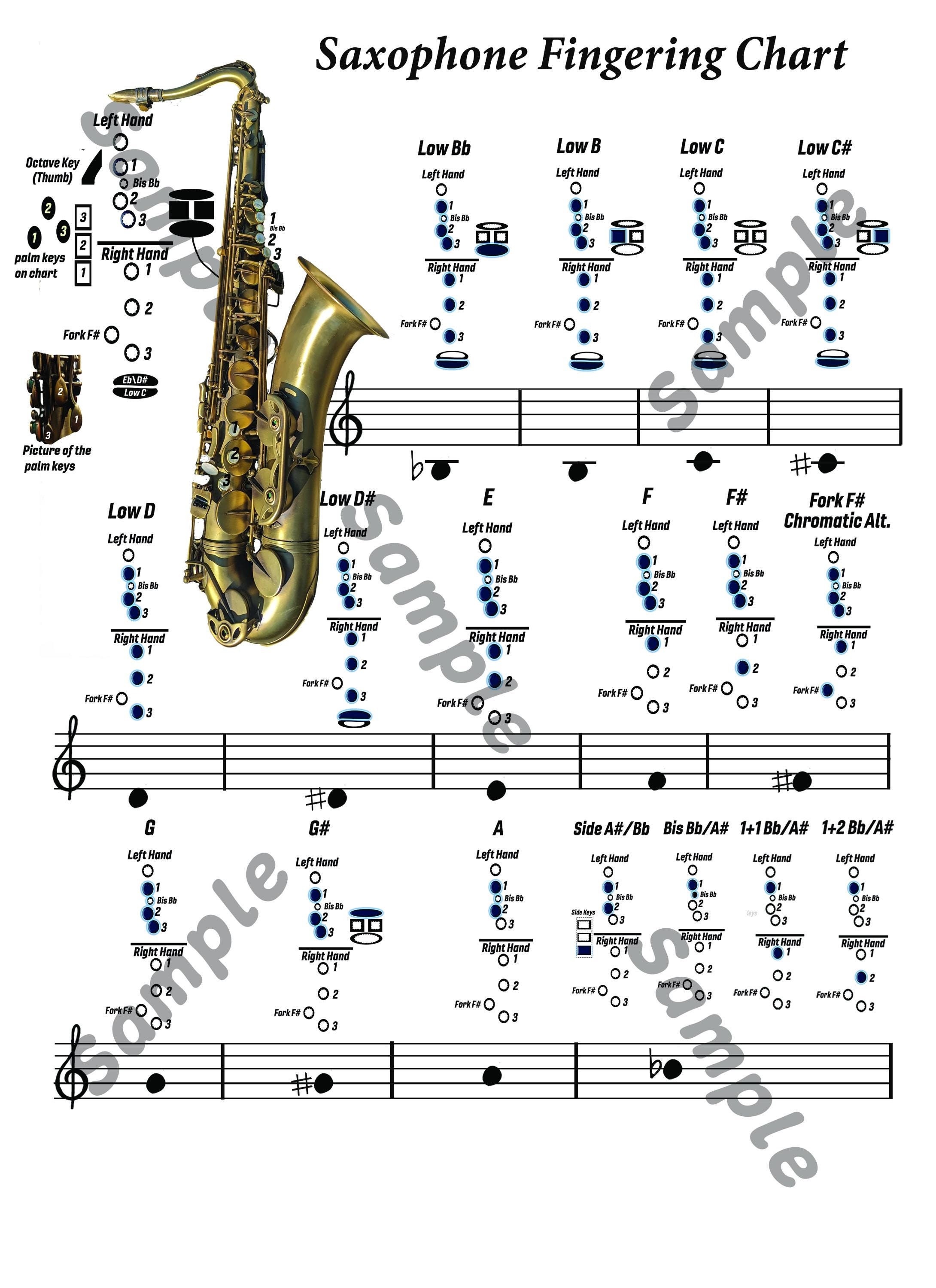
You're probably here because you need a quick fix, a go-to guide for your saxophone journey. Well, the sax finger chart is your reliable companion on this path. It's a simple yet powerful tool, a map that translates those mysterious finger positions into beautiful music. Whether you're a beginner or a pro, this chart is a must-have, offering a standard fingering system that can vary slightly but is universally understood.
Understanding the Sax Finger Chart
The sax finger chart is your go-to guide for mastering saxophone finger placement. It's a visual representation, often in the form of a table or diagram, that shows you which fingers to place where to produce specific notes. Think of it as a map for your fingers on the saxophone. This chart is an essential tool for any sax player, whether you're a beginner or a pro.
Comparing Chart Formats and Standards
There are a few different types of sax finger charts, but the most common is the standard fingering system. This system is widely used and is based on the layout of the saxophone's keys and pads. It provides a clear, universal guide for players. However, there can be slight variations depending on the type of saxophone, such as alto sax fingerings or tenor sax fingerings, as well as regional differences in notation.
Using the Chart: A Step-by-Step Guide
To use the sax finger chart, follow these steps:
- Identify the note you want to play. This is usually indicated by a letter and an octave number, e.g., C4 or G#5.
- Locate the corresponding fingering on the chart. The chart will show you which keys to press and which fingers to use.
- Place your fingers on the saxophone according to the chart. Ensure a firm but relaxed grip, and pay attention to the positioning of each finger.
- Practice and memorize the fingerings for common notes. The more you practice, the more natural it will become.
- Explore alternative fingerings for advanced techniques. Some charts may include these, offering options for different sounds or easier playing.
Common Misreadings and How to Avoid Them
While the sax finger chart is a valuable tool, there are a few potential pitfalls to watch out for:
- Common Saxophone Fingerings can vary slightly between different sax models and manufacturers. Always double-check the specific fingerings for your instrument.
- Pay attention to octave indicators. Notes with the same letter but different octave numbers will have different fingerings.
- Some charts may use abbreviations or symbols. Familiarize yourself with these to avoid confusion.
- Remember that finger placement is just one aspect of playing. Breath control, embouchure, and technique also play crucial roles in producing the desired sound.
The sax finger chart is a powerful tool, but it's just one part of the learning process. With practice and patience, you'll master the art of finger placement and produce beautiful music on your saxophone.
Well, there you have it! A simple yet effective tool to keep at hand. The sax finger chart is a handy reference, offering a quick solution to those tricky finger placements.
Remember, while this guide provides a solid foundation, always consider your specific instrument and playing style. Exact values might vary, so it's worth double-checking to ensure you're covered.
Feel free to explore our other guides; we've got plenty of resources to enhance your musical journey!