

Usc Depth Chart Letter Size Overview
A common pitfall when working with flange bolt charts is assuming they are universal and consistent across industries. In reality, these charts can vary based on factors like standards, regions, and specific applications. It's essential to understand that a flange bolt chart is a tailored tool, providing precise information for a particular context.
These charts offer a quick reference for flange bolt dimensions, including sizes, strengths, and markings. While the format may differ, the purpose remains the same: to ensure accurate selection and application of flange bolts, a critical component in many industries.
Understanding the Flange Bolt Chart
The flange bolt chart is a valuable reference tool for anyone working with flange connections. It provides a quick and practical guide to selecting the right bolts for your project. This chart offers a visual representation of various bolt sizes, strengths, and specifications, ensuring accurate choices for your application.
Comparing Standards and Formats
Different standards and regions may have variations in flange bolt charts. For instance, the metric bolt chart follows international standards, while the ANSI B18.2.1 is specific to the US. These charts detail bolt dimensions, including head size, shank length, and thread pitch, ensuring compatibility with flange dimensions. Additionally, bolt strength is indicated by markings on the head, following standards like SAE J429.
Applying the Flange Bolt Chart: A Step-by-Step Guide
To use the flange bolt chart effectively, follow these steps:
- Identify the flange size and type you are working with. This information is crucial for selecting the correct bolt.
- Refer to the chart and locate the corresponding flange size. Each flange size will have a range of recommended bolt sizes and strengths.
- Choose the bolt size that best fits your application, considering factors like load capacity and space constraints.
- Check the bolt head markings to ensure you select bolts with the appropriate strength rating.
- Confirm the thread pitch and length of the bolts to ensure they match the flange's thread and provide sufficient grip.
Common Misreadings and Pitfalls
While the flange bolt chart is a precise tool, misreadings can occur. Here are some common pitfalls:
- Failing to consider the specific standard or region's chart: Different standards may have variations in dimensions and markings. Always use the correct chart for your application.
- Neglecting to check bolt head markings: These markings indicate bolt strength and must match your requirements.
- Assuming all charts are universal: While charts provide general guidelines, some applications may require specific bolt dimensions or strengths. Always double-check exact specifications, especially for critical applications.
Key factors to consider:
- Flange size and type
- Bolt size and strength
- Thread pitch and length
- Specific application requirements
By following these guidelines and being mindful of potential variations, you can accurately utilize the flange bolt chart for your projects.
Remember, while this guide offers a comprehensive overview, the exact details may differ slightly depending on your specific needs and the standards you follow. It's always a good idea to refer to the latest editions of the relevant standards and consult with experts when making critical decisions.
Feel free to explore our other guides for more practical insights and tips. We've got a range of topics covered, so you can find the information you need to tackle various projects with confidence. Happy learning and exploring!
Related: How to Read the Shein Size Chart?
Many shoppers approach the Shein size chart with hesitation, assuming it's a complex puzzle to decipher. But fear not! It's a straightforward tool to ensure your Shein haul fits like a dream. This chart is your guide, offering a simple way to navigate the sizing differences that can vary across regions and brands.
Understanding the Shein Size Chart
The Shein size chart is a practical tool to help you find the perfect fit for your Shein fashion purchases. It's a simple guide that ensures you get the right size every time, making online shopping a breeze. This chart is your key to unlocking a seamless shopping experience, so let's dive in!
Key Details and Categories
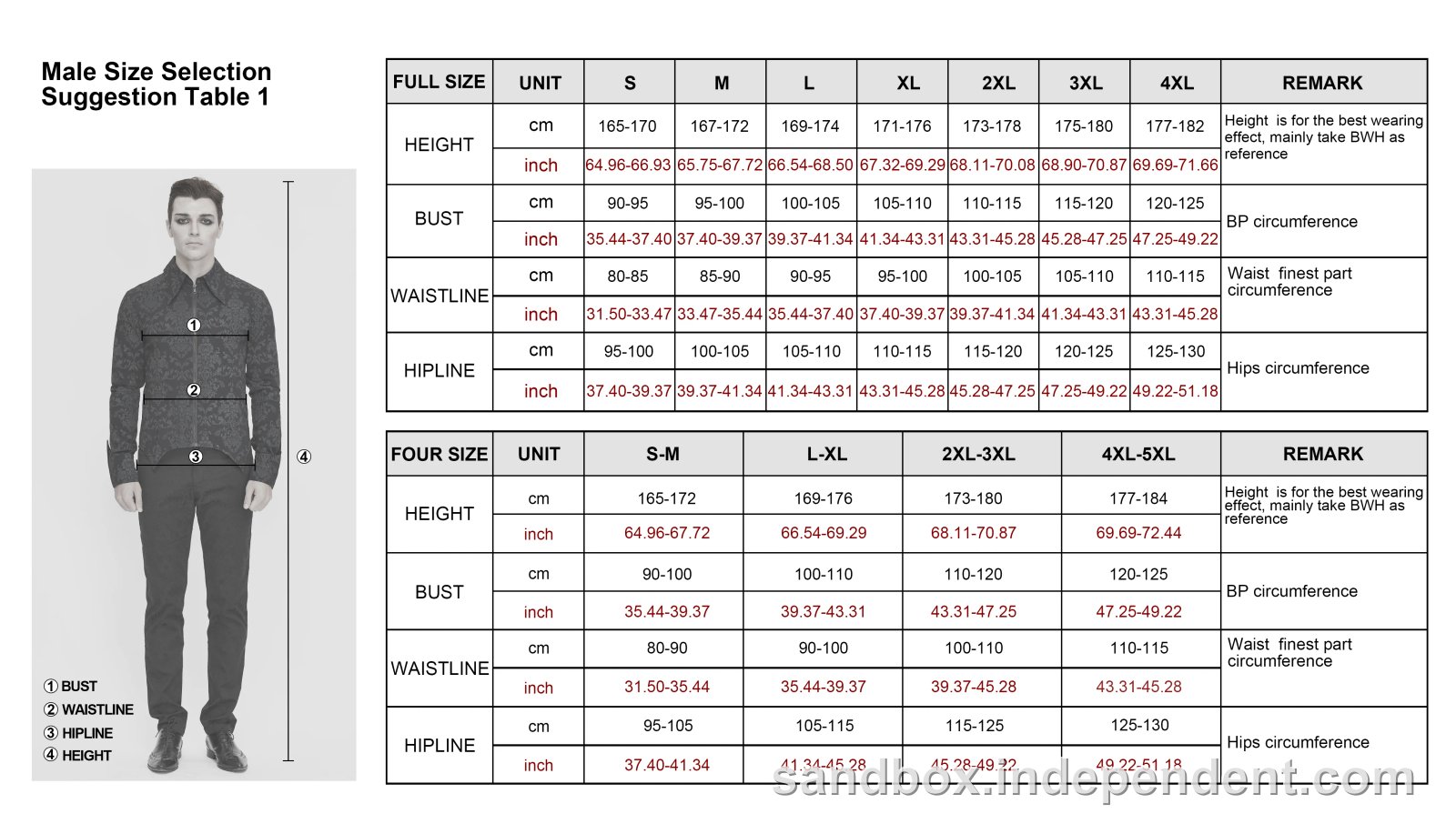
The Shein size chart typically follows international size standards, with measurements in both centimeters (cm) and inches. It covers various clothing categories, including tops, bottoms, dresses, and more. You'll find columns for different body measurements, such as bust, waist, and hip sizes, along with corresponding Shein size recommendations. The chart provides a clear, easy-to-read format, ensuring you can quickly find your ideal size.
How to Read and Apply the Size Chart
Using the Shein size chart is straightforward. Here's a step-by-step guide:
Measure yourself accurately. Use a measuring tape to get precise measurements for your bust, waist, and hips. Make sure you follow the guide's instructions for proper measuring techniques.
Find your measurements on the chart. Look for the columns that correspond to your body part measurements. For instance, if you're measuring for a top, locate your bust size.
Identify the recommended size. The chart will provide a suggested Shein size based on your measurements. Cross-reference your measurements with the size guide to find the best fit.
Consider the garment's style. Some styles may have a looser or tighter fit. If you prefer a specific fit, you can adjust your size choice accordingly.
Double-check the product's size guide. Each Shein product may have a specific size guide with slight variations. Always refer to the product's size chart for the most accurate information.
Size Chart Variations and Differences
It's important to note that size charts can vary across brands and regions. Shein's size chart follows international standards, but there may be slight differences compared to other brands' charts. Additionally, factors like fabric stretch, garment design, and personal preferences can influence the fit. It's always a good idea to refer to the specific product's size guide for the most precise sizing information.
Common Mistakes and How to Avoid Them
To ensure an accurate fit, avoid these common mistakes:
Relying solely on your usual size: Every brand's size chart can vary, so always refer to the Shein size chart for the best fit.
Ignoring the product's size guide: Each product may have unique sizing details, so always check the specific size guide provided.
Measuring inaccurately: Take precise measurements to ensure an accurate size recommendation.
Not considering fabric stretch: Some fabrics have more give, so choose a size that accounts for this factor.
By following these tips and utilizing the Shein size chart effectively, you'll enjoy a seamless shopping experience and find your perfect fit every time!
Hey there, we hope you found this guide helpful and that your Shein shopping experience is a breeze! Remember, size charts are a handy tool, but they can vary slightly depending on the brand and your personal preferences. It's always a good idea to check the measurements and reviews to ensure a perfect fit.
Feel free to bookmark this page for future reference, and don't forget to explore our other practical guides to make your online shopping adventures even more enjoyable and stress-free. Happy shopping!
Related: Find Your Perfect Fit: Brooks Size Chart
The Brooks size chart is a valuable tool for anyone seeking accurate sizing information, offering a simple and effective way to find the right fit. This guide will navigate you through the various charts and sizing guides Brooks provides, ensuring you understand the process and can make an informed choice. Whether you're after a precise shoe size or need to find the perfect bra fit, these charts are designed to simplify the process, and we'll explore how to utilize them effectively.
Understanding the Brooks Size Chart
The Brooks size chart is a valuable tool for anyone looking to find their perfect fit in Brooks footwear and apparel. It provides a comprehensive guide to help you determine your ideal size across various Brooks products, ensuring a comfortable and precise fit. This chart serves as a reference, offering size conversions and measurements to assist you in making informed choices.
Key Details and Categories
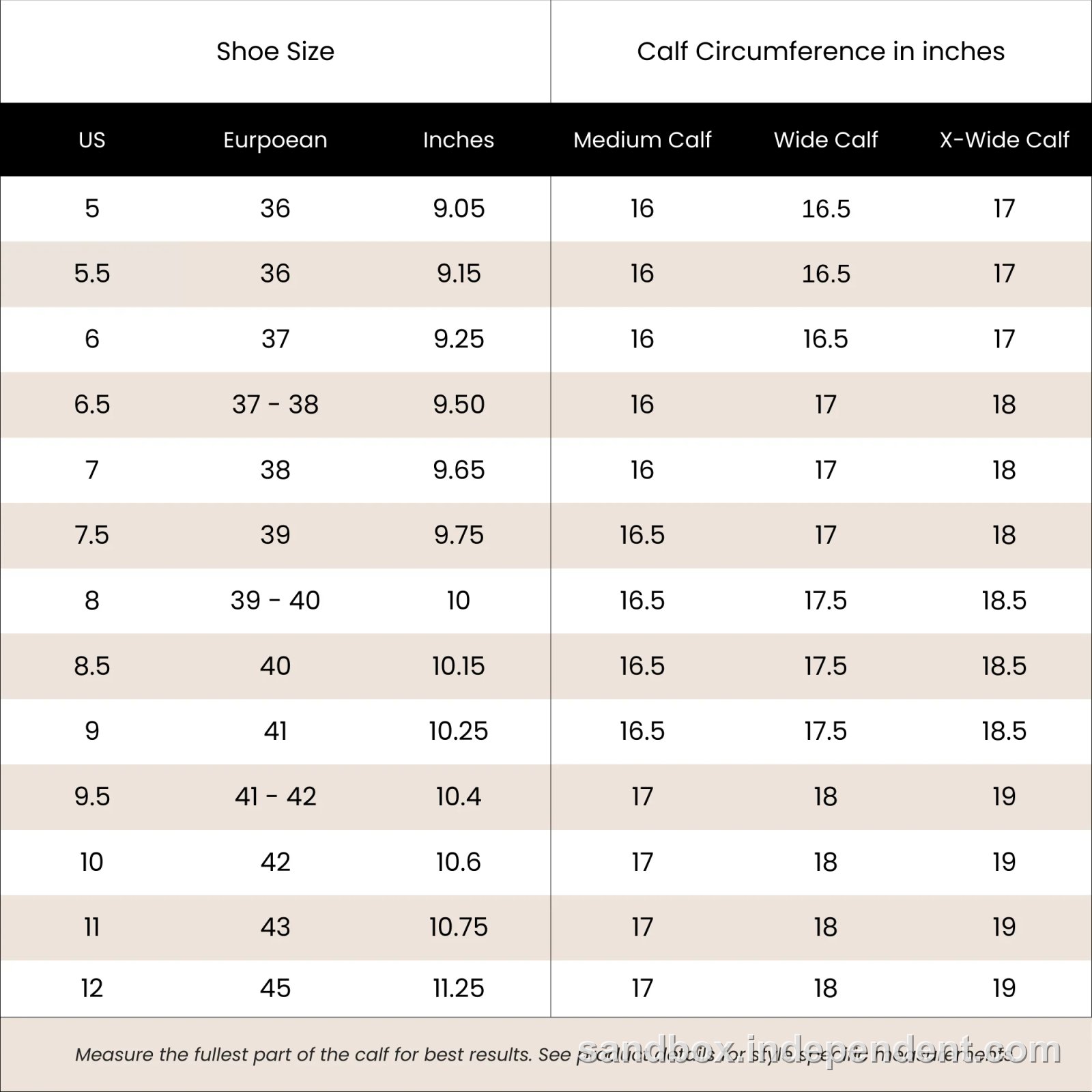
The Brooks size chart covers a range of sizes, typically starting from smaller sizes like 5 or 6 and extending up to larger sizes, such as 12 or 13, depending on the product category. It includes both men's and women's sizes, with separate charts for shoes and apparel. The shoe size chart provides measurements in both US and UK sizes, offering a conversion guide for international customers. For apparel, the chart typically uses standard sizing categories like small, medium, and large, with specific measurements for each category.
Step-by-Step Guide: Reading and Applying the Size Chart
To utilize the Brooks size chart, follow these steps:
- Identify the product category you are interested in, whether it's shoes or apparel.
- Locate the corresponding size chart for your gender.
- For shoes, find your US or UK size and refer to the provided measurements. Ensure you measure your foot length accurately, as this is crucial for a precise fit.
- In the case of apparel, identify your size category (e.g., small, medium) and refer to the provided measurements for chest, waist, and hip sizes.
- Compare your measurements with the size chart to determine the best fit. If your measurements fall between sizes, consider opting for the larger size for a more comfortable fit.
- Remember, the Brooks size chart serves as a guide, and individual preferences may vary. It's always a good idea to try on the product to ensure the perfect fit.
Size Variations and Differences
It's important to note that size variations can occur across different Brooks products and even within the same product line. These variations may be due to factors such as the intended use of the product, the materials used, or design differences. For instance, running shoes might have a slightly different fit compared to casual footwear. Additionally, Brooks may offer specialized fits, like wide or narrow options, to cater to individual foot shapes. Always refer to the specific size chart for the product you are interested in to ensure accuracy.
Common Mistakes and How to Avoid Them
When using the Brooks size chart, avoid these common mistakes:
- Relying solely on your usual shoe size without considering the specific fit of Brooks shoes.
- Neglecting to measure your feet accurately, especially if you're between sizes.
- Assuming that all Brooks apparel will fit the same; always refer to the size chart for each product.
- Failing to account for personal preferences; some may prefer a tighter or looser fit, so consider your comfort level.
- Not checking the size chart for any specific fit options, like wide or narrow, that may be available. By being mindful of these potential pitfalls, you can ensure a more accurate and satisfying shopping experience with the Brooks size chart.
Well, there you have it! A simple yet effective guide to understanding Brooks' size chart. Remember, these charts are a great tool, but it's always wise to confirm the specific details for your unique needs.
Don't forget to keep this page handy for future reference. It's a quick and easy way to ensure you're on the right track when it comes to sizing, and it might just save you some time and hassle down the line. Consider it your go-to resource for a smooth and stress-free sizing experience.