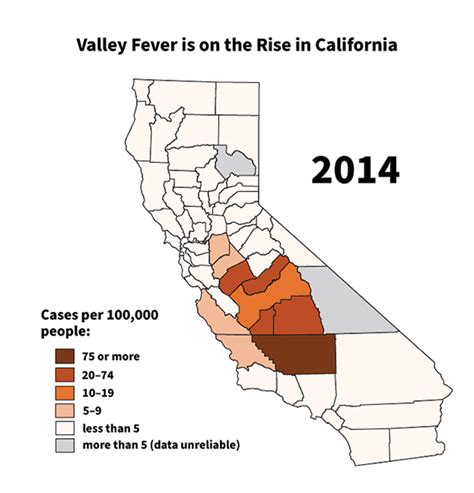
Valley Fever, also known as coccidioidomycosis, is a fungal infection that affects thousands of people in California every year. The disease is caused by the Coccidioides fungus, which is commonly found in the soil of the southwestern United States, particularly in the San Joaquin Valley and other parts of California. In this article, we’ll delve into the symptoms of Valley Fever, its diagnosis, treatment, and prevention.
The Coccidioides fungus thrives in the warm, dry soil of California, and when this soil is disturbed, the fungus can become airborne, infecting people who inhale it. While most cases of Valley Fever are mild and resolve on their own, some people can develop severe and even life-threatening complications.
Understanding Valley Fever Symptoms
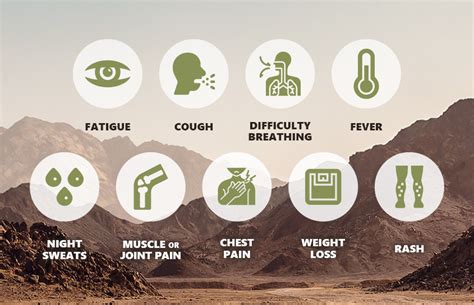
Valley Fever symptoms can vary widely from person to person, but most people experience some combination of the following:
- Flu-like symptoms: Fever, chills, headache, and muscle aches are common symptoms of Valley Fever. These symptoms can be mild or severe and may last for several weeks.
- Cough and chest pain: A persistent cough and chest pain or tightness are common symptoms of Valley Fever. In severe cases, the fungus can cause pneumonia, which can lead to serious complications.
- Fatigue and weight loss: People with Valley Fever often experience extreme fatigue and weight loss, which can be debilitating and affect daily life.
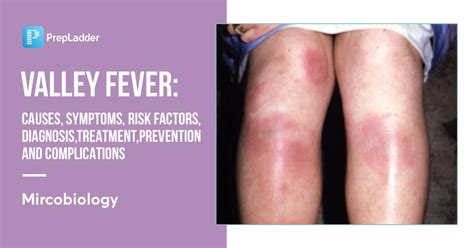
- Rash: Some people with Valley Fever may develop a rash on their skin, which can be painful and itchy.
- Joint pain and swelling: Valley Fever can cause joint pain and swelling, particularly in the knees, ankles, and elbows.
Who is at Risk?

While anyone can contract Valley Fever, some people are more susceptible to the disease than others. These include:
- People who work outdoors: Construction workers, farmers, and others who work outdoors in areas where the fungus is common are at higher risk of contracting Valley Fever.
- People with weakened immune systems: Individuals with weakened immune systems, such as those with HIV/AIDS or undergoing chemotherapy, are more likely to develop severe symptoms of Valley Fever.
- Older adults: Older adults are more susceptible to Valley Fever, particularly if they have underlying health conditions.
- Pregnant women: Pregnant women are at higher risk of developing severe symptoms of Valley Fever, which can affect the fetus.
Diagnosing Valley Fever
Diagnosing Valley Fever can be challenging, as the symptoms are similar to those of other diseases. To diagnose Valley Fever, doctors typically use a combination of the following tests:
- Blood tests: Blood tests can detect the presence of antibodies against the Coccidioides fungus.
- Chest X-rays: Chest X-rays can help doctors diagnose pneumonia or other complications of Valley Fever.
- Sputum tests: Sputum tests can detect the presence of the fungus in the lungs.
Treating Valley Fever
Treatment for Valley Fever typically depends on the severity of the symptoms. Mild cases of Valley Fever may not require treatment, as the disease can resolve on its own. However, in more severe cases, doctors may prescribe:
- Antifungal medications: Antifungal medications can help treat Valley Fever, particularly in people with weakened immune systems.
- Pain relief medications: Pain relief medications can help manage symptoms such as headaches and joint pain.
- Rest and hydration: Rest and hydration are essential for recovering from Valley Fever.
Preventing Valley Fever
While it’s not possible to completely eliminate the risk of Valley Fever, there are steps you can take to reduce your risk:
- Wear protective gear: When working outdoors in areas where the fungus is common, wear protective gear such as masks and gloves.
- Avoid disturbing soil: Avoid disturbing soil in areas where the fungus is common, as this can release the fungus into the air.
- Stay indoors during dust storms: During dust storms, stay indoors to avoid inhaling the fungus.
What are the most common symptoms of Valley Fever?
+The most common symptoms of Valley Fever include flu-like symptoms, cough and chest pain, fatigue and weight loss, rash, and joint pain and swelling.
How is Valley Fever diagnosed?
+Valley Fever is diagnosed using a combination of blood tests, chest X-rays, and sputum tests.
Can Valley Fever be prevented?
+While it's not possible to completely eliminate the risk of Valley Fever, wearing protective gear, avoiding disturbing soil, and staying indoors during dust storms can reduce the risk of contracting the disease.
What is the treatment for Valley Fever?
+Treatment for Valley Fever typically depends on the severity of the symptoms and may include antifungal medications, pain relief medications, and rest and hydration.
Who is at risk of contracting Valley Fever?
+People who work outdoors, have weakened immune systems, are older adults, or are pregnant are at higher risk of contracting Valley Fever.
How long does it take to recover from Valley Fever?
+Recovery time from Valley Fever varies depending on the severity of the symptoms, but most people recover within several weeks to several months.
In conclusion, Valley Fever is a serious disease that affects thousands of people in California every year. Understanding the symptoms, diagnosis, treatment, and prevention of Valley Fever is essential for reducing the risk of contracting the disease. By taking precautions and seeking medical attention if symptoms persist, people can reduce their risk of developing severe complications from Valley Fever.
According to the California Department of Public Health, Valley Fever cases have been increasing in recent years, with over 5,000 cases reported in 2020 alone. It's essential for people living in or visiting California to be aware of the risks and take precautions to reduce their risk of contracting the disease.
By being informed and taking proactive steps, people can protect themselves and their loved ones from the risks associated with Valley Fever. Remember, if you suspect you have Valley Fever, seek medical attention immediately to prevent severe complications.