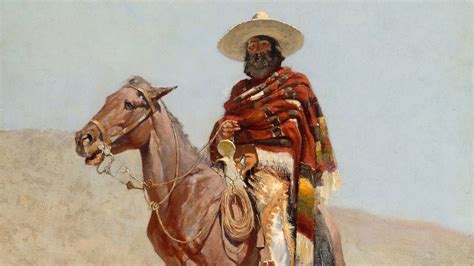
In the heart of Mexico, where the sun dips into the horizon and paints the sky with hues of crimson and gold, there exists a legendary figure that has captivated the imagination of people for centuries. The vaquero, a skilled cowboy with unparalleled expertise in horse riding, cattle herding, and ranching, is a symbol of Mexican culture and tradition. With a rich history that dates back to the 16th century, the vaquero has evolved into an iconic figure, embodying the values of courage, honor, and resilience.
The origins of the vaquero can be traced back to the early days of Spanish colonization in Mexico. As the Spanish conquistadors arrived in the New World, they brought with them their expertise in horse breeding, cattle raising, and ranching. The indigenous people of Mexico, who had previously been unfamiliar with these practices, quickly adopted them and developed their own unique style of horsemanship and cattle herding. Over time, the vaquero emerged as a distinct figure, characterized by his exceptional riding skills, his ability to navigate the rugged terrain of the Mexican countryside, and his unwavering dedication to his work.
One of the most fascinating aspects of the vaquero is his relationship with horses. In Mexican culture, horses are revered as noble creatures, and the vaquero’s ability to tame and train them is seen as a testament to his strength, patience, and understanding. The vaquero’s horse is not just a mode of transportation; it is an extension of himself, a partner that he relies on to navigate the challenges of the range. Together, the vaquero and his horse form an unbreakable bond, one that is forged through trust, respect, and a deep understanding of each other’s strengths and weaknesses.
The vaquero’s expertise in cattle herding is another aspect of his legend that has been passed down through generations. With a keen eye for detail and a deep understanding of animal behavior, the vaquero is able to navigate the complexities of the range, identifying the best grazing lands, detecting potential threats, and making split-second decisions that can mean the difference between life and death. His ability to communicate with animals, to read their body language, and to anticipate their movements is a remarkable sight to behold, one that has inspired countless stories, songs, and poems.
As the vaquero rides across the Mexican countryside, he is not just a cowboy; he is a custodian of tradition, a keeper of secrets, and a teller of tales. His stories are filled with humor, wit, and wisdom, offering insights into the human condition, the nature of courage, and the importance of community. The vaquero’s world is one of simplicity, yet profound complexity, where the rhythms of nature, the cycles of life and death, and the passage of time are all intertwined.
In modern times, the vaquero has become an iconic figure, symbolizing the values of a bygone era. His image has been immortalized in art, literature, and film, inspiring countless adaptations, interpretations, and reimaginings. From the classic Mexican films of the 1940s and 1950s to the contemporary works of artists and writers, the vaquero remains a powerful symbol of Mexican identity, a reminder of the country’s rich cultural heritage, and a testament to the enduring power of tradition.
For those who are interested in learning more about the vaquero, there are numerous resources available. From museums and cultural centers to documentaries and books, there is a wealth of information that can provide a deeper understanding of this fascinating figure. Some recommended resources include:
- The Vaquero Museum in Mexico City, which offers a comprehensive collection of artifacts, photographs, and exhibits that showcase the history and culture of the vaquero.
- The book “The Vaquero: A History of the Mexican Cowboy” by Richard W. Slatta, which provides a detailed and engaging account of the vaquero’s origins, evolution, and significance in Mexican culture.
What is the origin of the vaquero?
+The vaquero originated in the 16th century, during the Spanish colonization of Mexico. The Spanish conquistadors brought their expertise in horse breeding, cattle raising, and ranching, which was adopted by the indigenous people of Mexico and developed into a unique style of horsemanship and cattle herding.
What is the significance of the vaquero in Mexican culture?
+The vaquero is a symbol of Mexican culture and tradition, embodying the values of courage, honor, and resilience. He is a custodian of tradition, a keeper of secrets, and a teller of tales, and his stories offer insights into the human condition, the nature of courage, and the importance of community.
As we reflect on the legend of the vaquero, we are reminded of the importance of preserving our cultural heritage, honoring our traditions, and respecting the land and its creatures. The vaquero’s story is a testament to the power of human resilience, the significance of community, and the enduring spirit of the Mexican people. Whether you are a historian, a cultural enthusiast, or simply someone who appreciates the beauty of the Mexican countryside, the vaquero’s legend is sure to captivate and inspire, offering a glimpse into a world of simplicity, yet profound complexity, where the rhythms of nature, the cycles of life and death, and the passage of time are all intertwined.
In conclusion, the vaquero is a legendary figure who has captivated the imagination of people for centuries. With a rich history, exceptional horsemanship, and a deep understanding of the natural world, the vaquero is a symbol of Mexican culture and tradition. Through his stories, we can gain insights into the human condition, the nature of courage, and the importance of community. As we look to the future, it is essential that we preserve the vaquero’s legacy, honoring his traditions and respecting the land and its creatures. By doing so, we can ensure that the vaquero’s legend continues to inspire and captivate future generations.
Benefits of Learning About the Vaquero
- Gain insights into the human condition, the nature of courage, and the importance of community
- Develop a deeper understanding of Mexican culture and tradition
- Appreciate the beauty of the Mexican countryside and the significance of the land and its creatures
Challenges of Preserving the Vaquero's Legacy
- Ensuring that the vaquero's traditions are respected and preserved for future generations
- Protecting the land and its creatures from the impact of modernization and urbanization
- Keeping the vaquero's story alive through education, cultural events, and community outreach
By embracing the vaquero’s legend and preserving his legacy, we can ensure that his story continues to inspire and captivate future generations, offering a glimpse into a world of simplicity, yet profound complexity, where the rhythms of nature, the cycles of life and death, and the passage of time are all intertwined.