



Venom And Spider Man Coloring Pages Overview
You're here, searching for a quick fix, wanting to understand the Spotify pie chart and its insights. Well, this chart is a handy tool, a simple yet effective way to visualize Spotify's market share and audio streaming trends. It provides a snapshot of the music streaming data, offering a clear picture of the industry's landscape. The pie chart interpretation can vary; it's an adaptable visual, so you might find different versions, but the core idea remains the same: a quick, engaging way to grasp market share analysis.
Understanding the Data: A Quick Overview
The Spotify pie chart is a powerful tool to visualize and understand music streaming data. It provides a snapshot of music preferences, artist popularity, and market share analysis. This chart is a simple yet effective way to interpret complex streaming trends.
Comparing Key Metrics: A Standardized Approach
When reading a Spotify pie chart, you'll notice it displays different categories or metrics. These typically include artists, albums, or songs, each represented by a slice of the pie. The size of each slice indicates the proportion or percentage of total streams. It's a standardized way to compare music industry insights.
Step-by-Step Guide: Reading and Interpreting the Chart
Here's a simple process to read and understand a Spotify pie chart:
Identify the categories: Start by recognizing the different segments of the pie. These represent artists, albums, or songs.
Note the slice sizes: Pay attention to the size of each slice. Larger slices indicate higher popularity or market share.
Compare slices: Look for patterns or trends. Are certain artists consistently popular? Are specific genres more dominant?
Analyze the whole pie: Consider the overall distribution. Is it evenly balanced, or does one segment dominate? This gives insights into overall streaming trends.
Consider context: Think about the time frame and region. Streaming patterns can vary over time and across different regions.
Common Misreadings and Pitfalls: Avoiding Mistakes
It's easy to misinterpret a Spotify pie chart if you don't consider certain factors. Here are some common mistakes to avoid:
Assuming equal importance: Each slice represents a proportion, not an absolute value. Don't compare slices directly without considering their size.
Ignoring context: Streaming trends can vary widely. Always consider the time frame and region when interpreting the data.
Overlooking small slices: Even small slices can be significant. They might represent emerging artists or niche genres.
Forgetting to update: Streaming data changes rapidly. Ensure you're using the latest data for accurate insights.
Key Factors Affecting Accuracy and Real-World Use
The accuracy of a Spotify pie chart depends on several factors:
Data source: Ensure the data is from a reliable source, like Spotify's analytics tools.
Time frame: Consider the period the data covers. Streaming patterns can change over time.
Region: Streaming trends vary by region. Ensure the chart represents the desired region.
Category selection: Choose categories relevant to your analysis. Artist, album, and song data provide different insights.
Sample size: Larger sample sizes provide more accurate representations.
Choosing the Right Format: Adapting for Specific Needs
While the standard Spotify pie chart is versatile, you might need to adapt it for specific analyses. Here are some variations:
Multiple charts: Compare different regions or time frames side by side.
Stacked pie charts: Combine multiple categories (e.g., artists and albums) for a more detailed view.
Donut charts: Use a donut chart for a more visually appealing variation.
Bar charts: Consider a bar chart for a different visual representation of the data.
Interactive charts: Explore interactive charts for a dynamic, user-friendly experience.
Hey there! I hope this guide has given you a solid understanding of Spotify's pie chart feature and how to use it effectively. Remember, while the basics remain the same, there might be slight variations in the exact details, so keep an eye out for those.
Don't forget to explore other guides on our site. We've got a bunch of practical tips and tricks to help you get the most out of your music streaming experience. Happy listening!
Related: Understanding Screw Size Charts
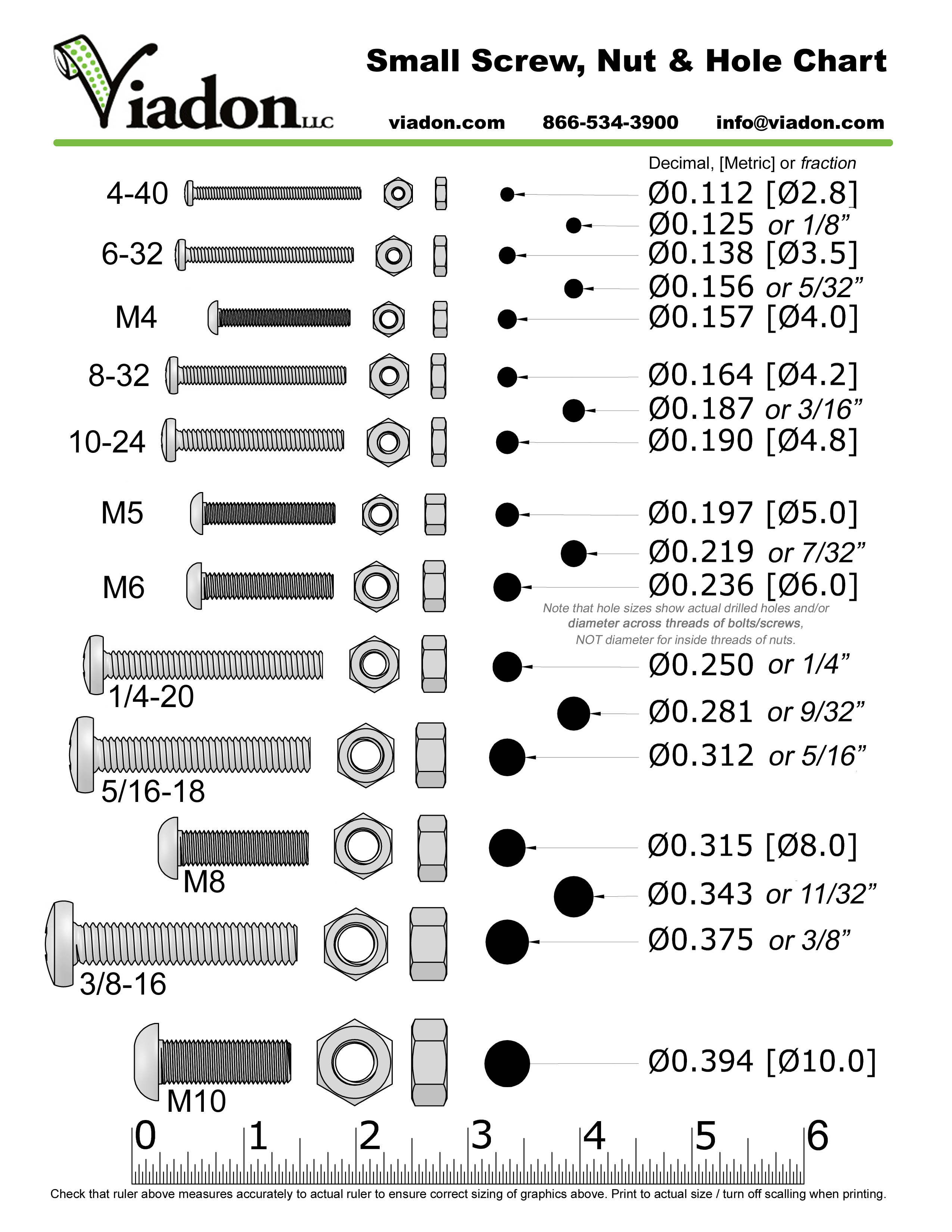
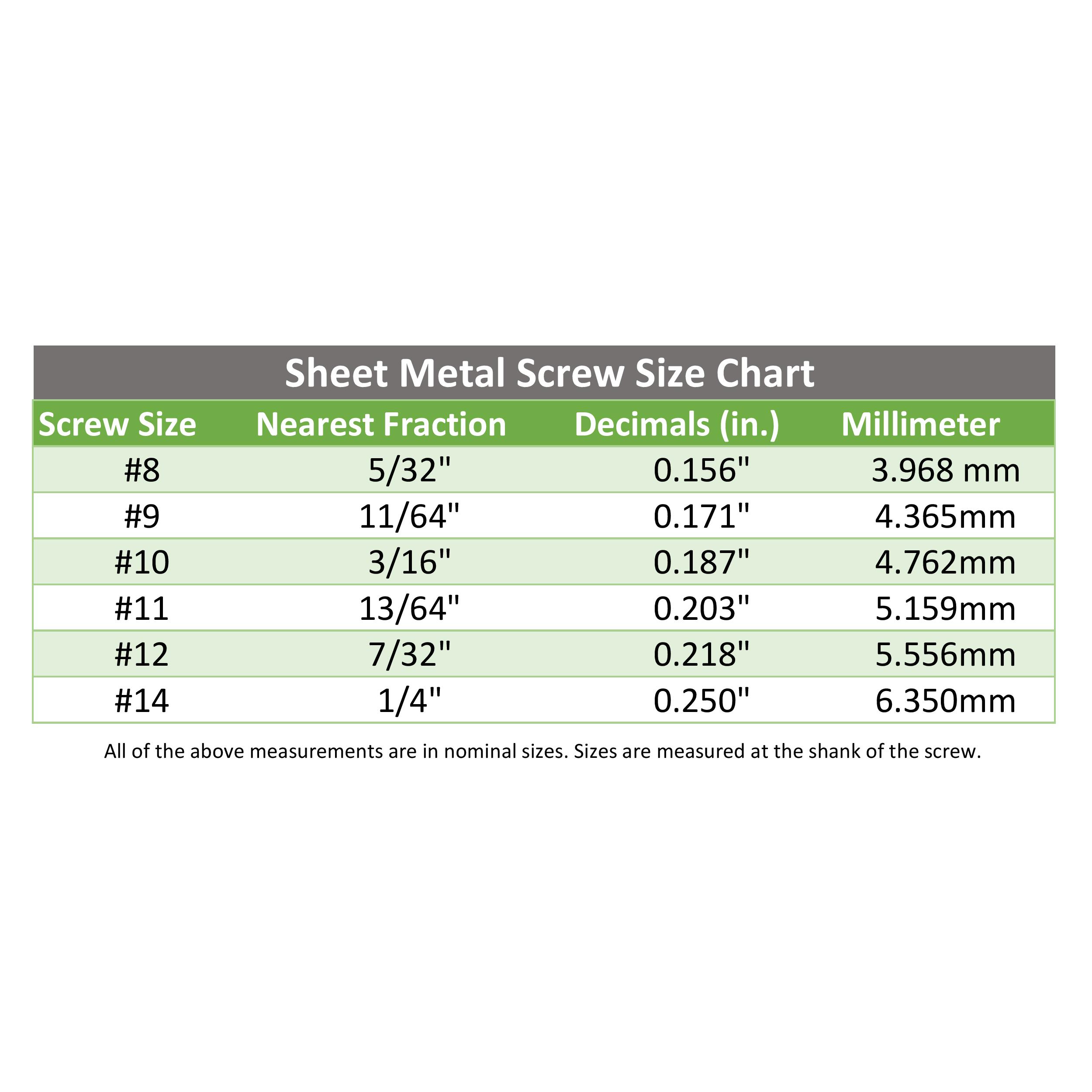
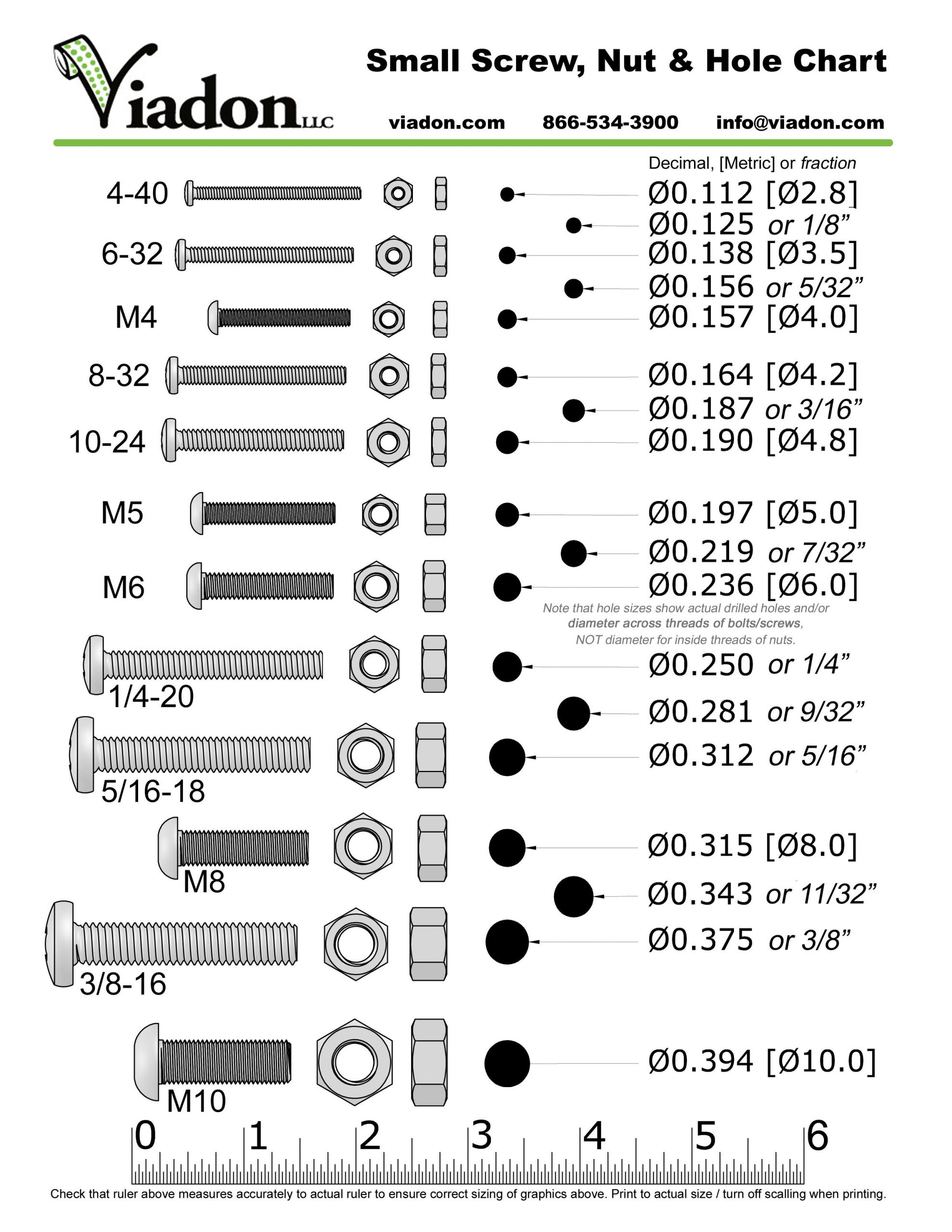
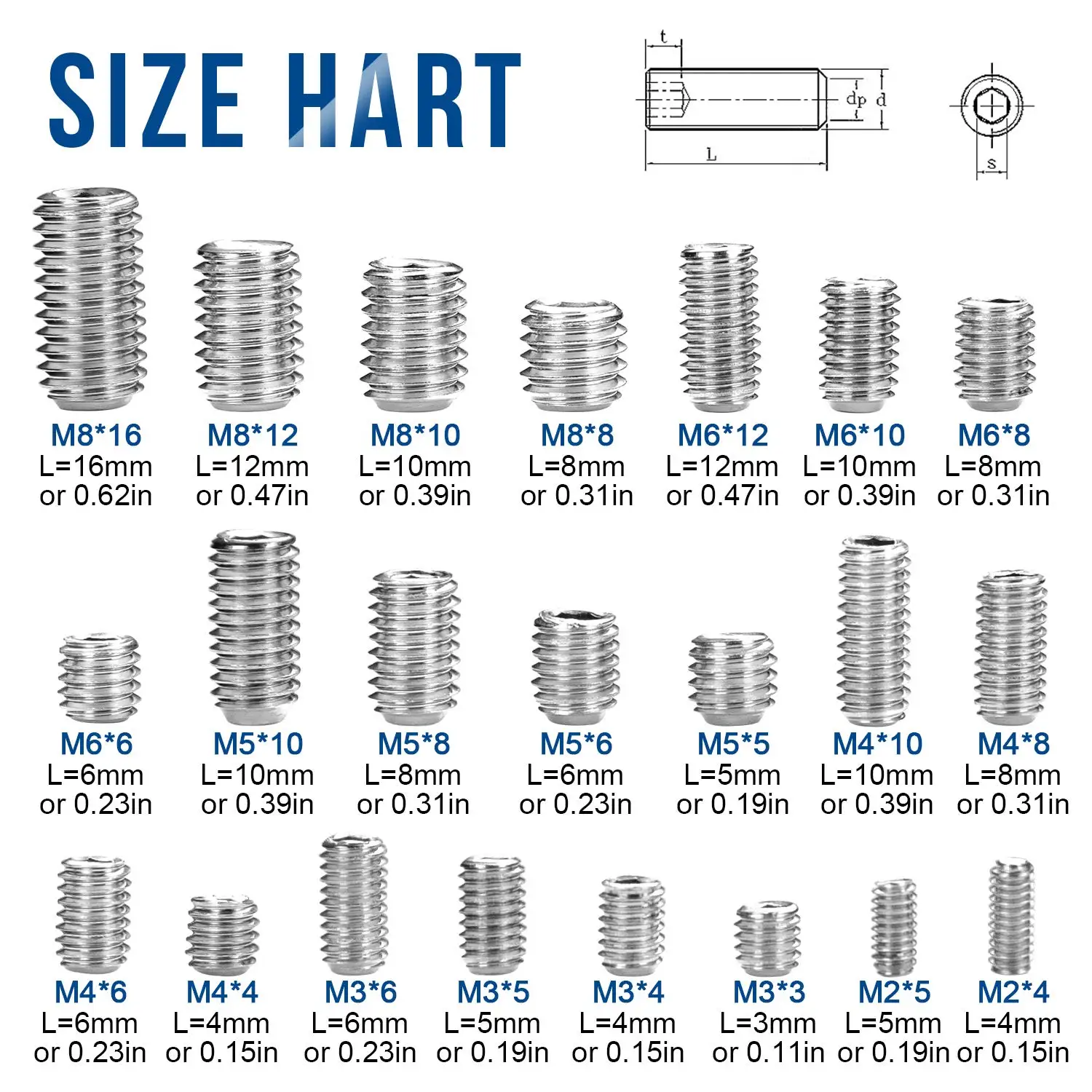
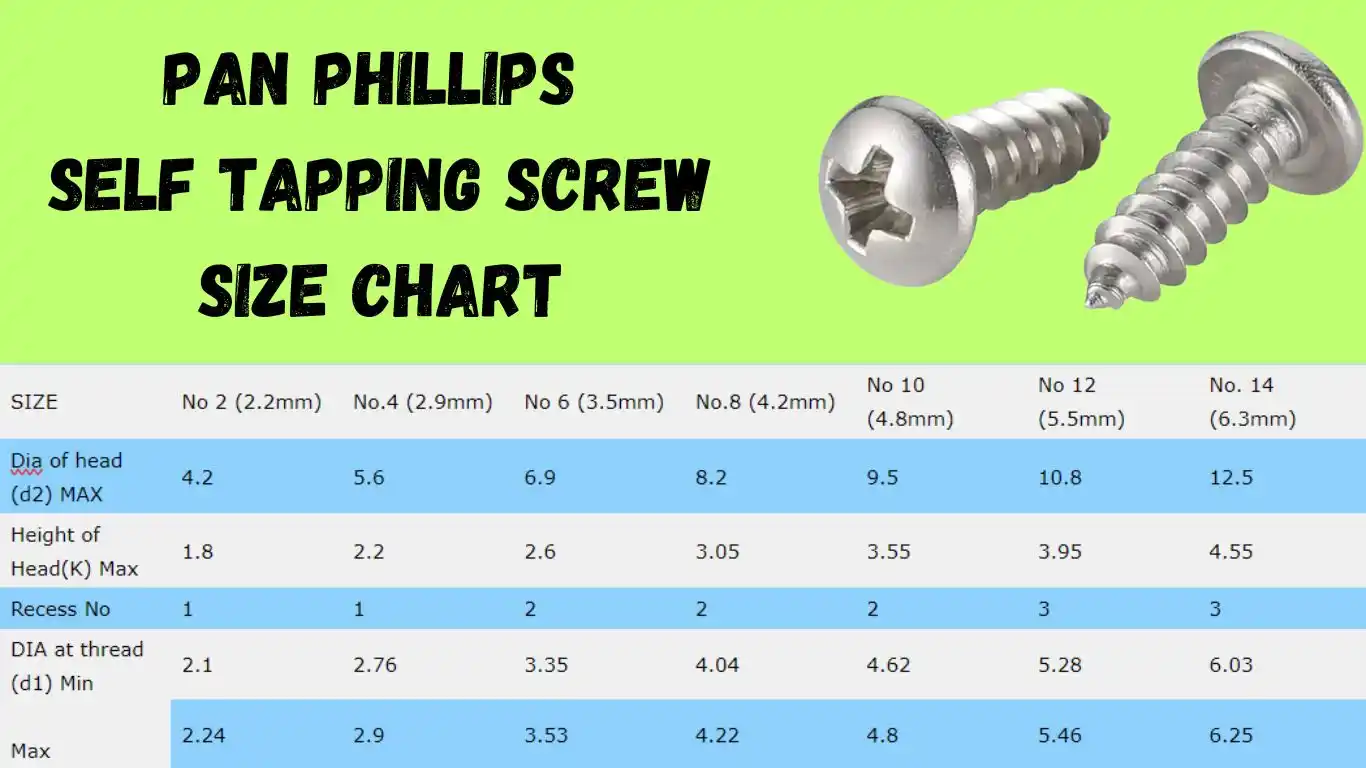
A screw size chart is a handy tool for anyone dealing with screws and fasteners. It's a simple yet effective way to ensure you're using the right size and type for your project. This guide will cover the basics, giving you the knowledge to read and utilize these charts with ease.
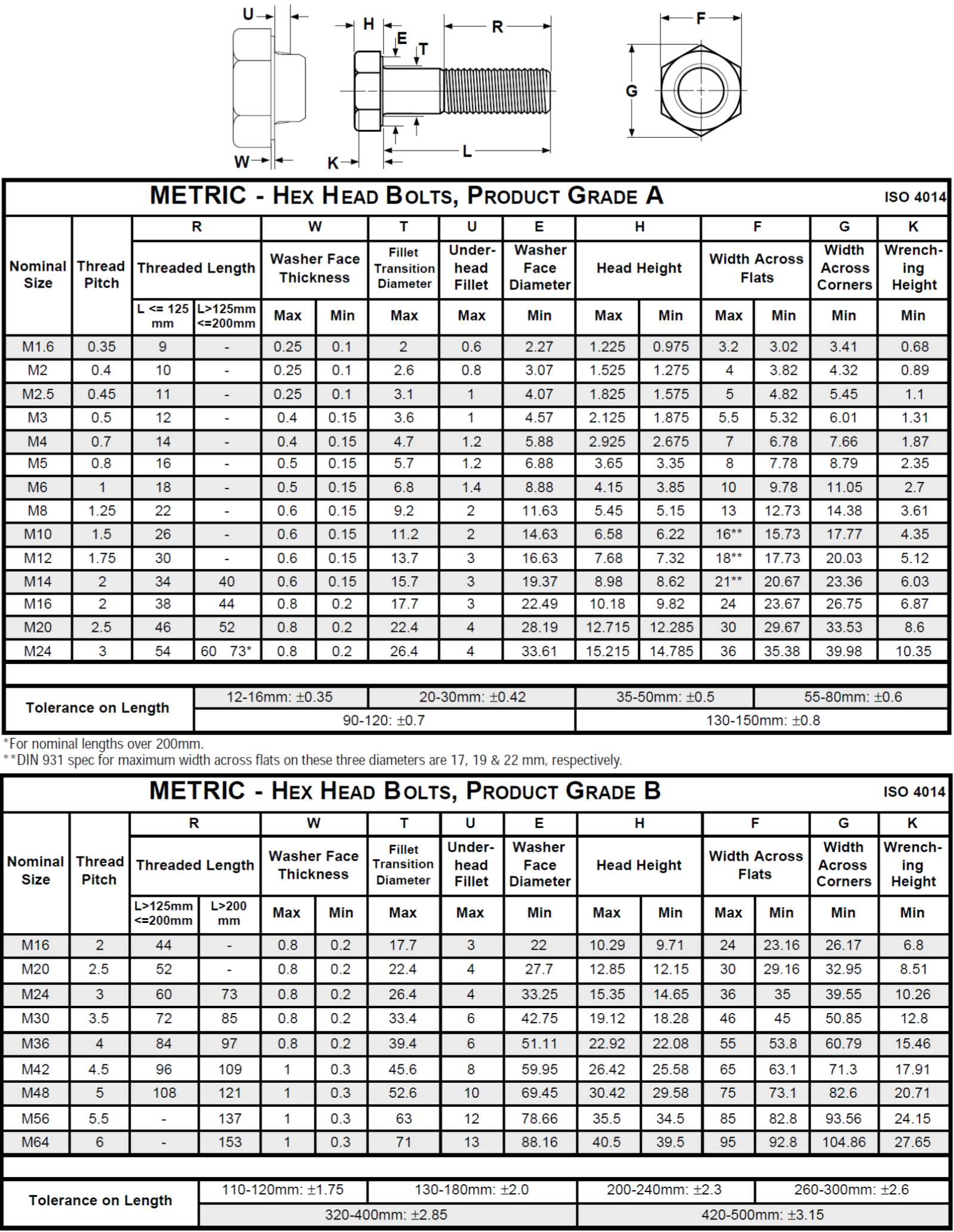
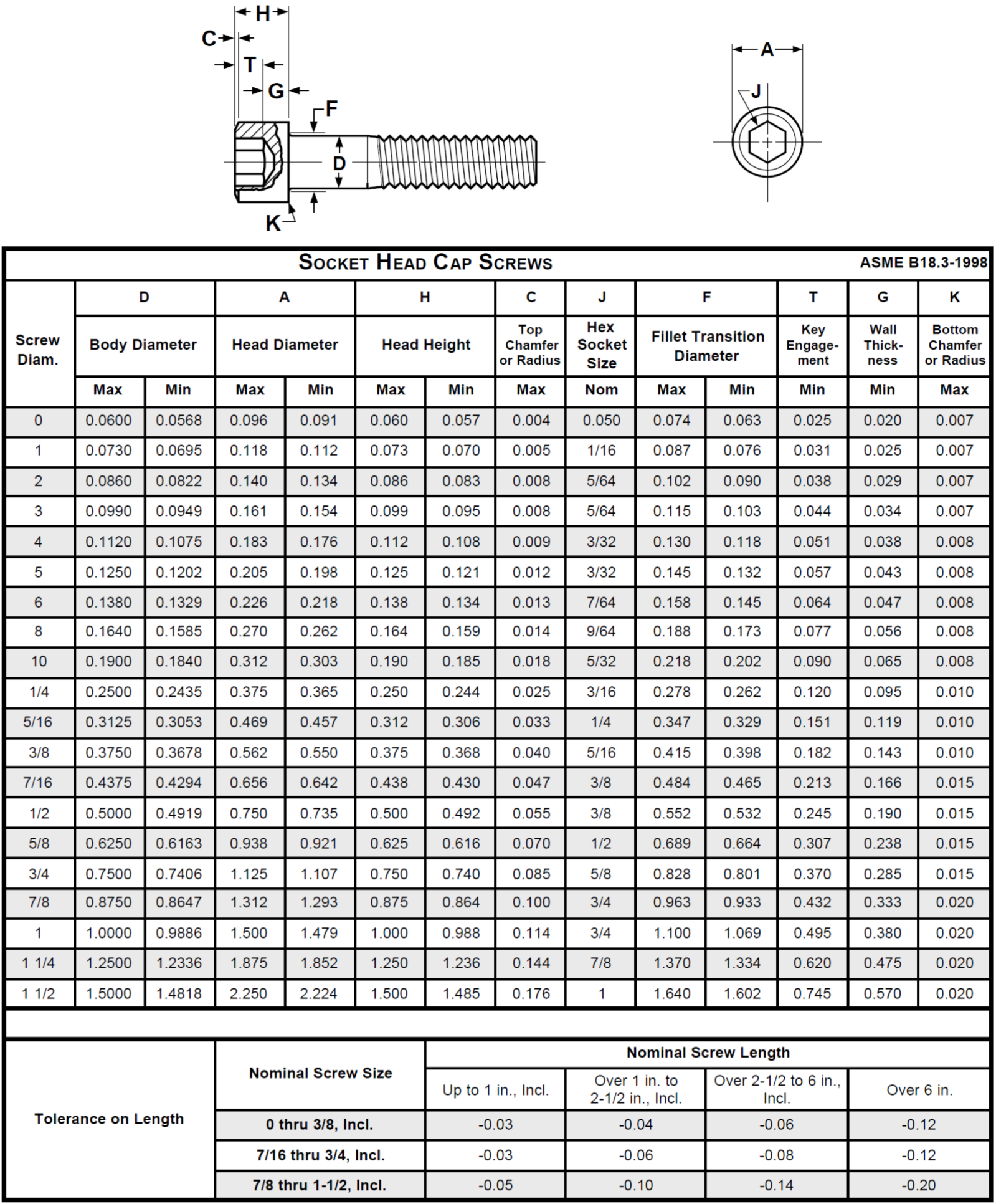
The chart provides a quick reference for various screw dimensions, including gauge, thread, and head type. While the values may differ slightly depending on the standard or region, the screw size chart offers a reliable starting point for your fastener needs.
Understanding the Screw Size Chart
A screw size chart is your practical guide to choosing the right screw for any project. It's a reference tool that simplifies the process of selecting screws based on their size, type, and intended use. This chart is a handy resource for anyone working with screws, from DIY enthusiasts to professional contractors.
Comparing Standards and Formats
Screw size charts can vary depending on the standard being followed. The two main standards are the metric system and the imperial system, with each having its own set of measurements and designations. The metric system is widely used internationally and offers a straightforward approach, while the imperial system, common in the US, uses a different set of thread sizes and designations. It's crucial to know which standard your project follows to ensure accurate screw selection.
Practical Screw Selection: A Step-by-Step Guide
Using a screw size chart is straightforward. Here's a simple process:
- Identify the screw's intended use. Different applications require specific screw types and sizes.
- Locate the relevant section on the chart based on the standard you're working with.
- Read across the chart to find the desired screw size. The chart typically displays screw length and diameter measurements.
- Match the measurements to the physical screw you need.
- Check the screw head type and drive style, which are often included in the chart.
- Select the appropriate screw based on your findings.
Avoiding Misreadings and Pitfalls
Misreading a screw size chart can lead to incorrect screw selection. Common mistakes include:
- Confusing metric and imperial measurements. Always double-check the standard being used.
- Misinterpreting screw head types. Pay attention to the symbols or descriptions provided.
- Overlooking drive style variations. Ensure the drive style matches your screwdriver or tool.
- Ignoring the screw's intended use. Different applications require specific screw characteristics.
Key Factors Affecting Accuracy
Several factors can influence the accuracy of your screw selection:
Screw gauge: The gauge refers to the thread pitch, which can vary and impact screw compatibility.
Head types: Different head shapes and sizes serve specific purposes and may affect your choice.
Drive style: The drive style, such as Phillips or flathead, must match your tool for easy installation.
Material: Screws are made from various materials, each with unique strengths and applications.
Finish: The screw's finish, like zinc plating or stainless steel, offers different levels of corrosion resistance.
Key factors:
- Screw gauge (thread pitch)
- Head type and size
- Drive style
- Material
- Finish
Adapting the Chart for Specific Needs
Screw size charts are versatile and can be adapted to suit specific projects. If you're working with unusual materials or have unique requirements, you may need to adjust the chart or seek expert advice. For instance, if you're dealing with soft materials, you might need longer screws to ensure a secure hold. Always consider the specific demands of your project to make the most accurate selection.
Keeping Your Reference Reliable
To ensure the reliability of your screw size chart, it's essential to keep it up-to-date. Regularly check for new standards and updates, especially if you work on diverse projects. Additionally, consider creating a personalized chart by noting down your frequently used screw sizes and their corresponding applications. This customized reference will streamline your selection process and reduce the risk of errors.
So, you've got your screw size chart, a handy tool to keep in your back pocket for any project. It's a simple yet effective reference, and with a few key considerations, you can ensure you're using it accurately.
Remember, these charts provide a great starting point, but your specific project and its unique requirements may vary. Always double-check the exact values and measurements you need, and don't be afraid to adapt and make it work for you. It's a useful guide, but it's not set in stone! Bookmark this page for a quick reminder, and you'll be a screw size expert in no time.
Related: Read and Understand the Round Lake Charter
You're probably here because you need a quick guide to understanding Round Lake Charter and its key elements. It's a handy tool for anyone navigating the waters, offering a snapshot of essential information. This simple reference, often a diagram or table, provides insights into lake depths, navigation aids, and more, all in one place.
What is the Round Lake Charter?
The Round Lake Charter is a detailed guide and diagram that provides essential information for navigating and understanding the unique features of Round Lake. It offers a comprehensive overview, helping boaters and outdoor enthusiasts explore the lake safely and efficiently.
Key Details and Categories
This charter includes a variety of critical data, presented in a clear and standardized format. It displays depth contours, which are lines connecting points of equal depth, helping users visualize the lake's bottom topography. Other crucial elements include navigation aids, such as buoys and markers, and important landmarks. The chart also features a legend, explaining the various symbols and abbreviations used.
Reading and Applying the Round Lake Charter
To read and interpret the Round Lake Charter, follow these steps:
- Begin by familiarizing yourself with the legend. Understand the symbols and their meanings, as they provide vital information about hazards, restrictions, and facilities.
- Observe the depth contours. These lines indicate different depth zones, helping you identify shallow areas and potential hazards.
- Note the scale of the chart. This will help you estimate distances and plan your route effectively.
- Pay attention to navigation aids and markers. They guide you and warn of potential dangers, such as restricted areas or obstacles.
- Identify landmarks and notable features. These can assist in orientation and provide reference points for your journey.
Variations and Differences
It's important to note that Round Lake Charter may vary depending on the standard or region. Depth contours, for instance, can be presented differently, with varying intervals and color codes. Additionally, symbols and abbreviations might differ slightly between charts, so it's crucial to refer to the specific legend provided.
Common Mistakes and How to Avoid Them
One common mistake is assuming that all charts follow the same conventions. Always refer to the legend and understand the unique features of each Round Lake Charter. Another pitfall is ignoring depth contours, which can lead to potential hazards. Always pay attention to these lines and plan your route accordingly. Lastly, failing to account for scale can result in inaccurate distance estimations, so always consider this factor when navigating.
Practical Tips for Accurate Results
To ensure accurate navigation, always double-check the specific details and tolerances of your Round Lake Charter. Keep in mind that charts may have limitations and exceptions, especially in dynamic environments like lakes. Regularly update your charts to access the most current information, and consider using additional resources, such as GPS or local knowledge, to complement your navigation.
Hey there! I hope this guide has given you a clear understanding of the Round Lake Charter. Remember, while the basics remain the same, the exact details can slightly differ depending on your specific context or the standard you're working with.
Feel free to explore our other guides for more practical insights and tips. And don't forget to bookmark this page for a quick refresher when you need it. Happy navigating!