



Verb Anchor Chart Black And White Overview
You're likely here because you need a suit size chart to ensure a perfect fit, and you're right to prioritize this. A well-fitted suit is essential, and having an accurate reference is key. The chart provides a simple yet effective way to determine your size, whether you're measuring yourself or referring to a tailor's guide. It's a straightforward process, but it's worth noting that sizing can vary slightly, depending on the brand and your personal preferences. With a quick glance at the suit size chart, you can navigate the differences and find the right measurements for a suit that flatters your figure.
Understanding the Suit Size Chart: A Quick Overview
The suit size chart is an essential tool for anyone looking to purchase or tailor a suit. It provides a standardized guide to help you find the perfect fit for your body type and preferences. This chart offers a simple yet effective way to determine your suit size, ensuring a comfortable and stylish look.
Comparing Suit Size Chart Standards and Formats
Suit size charts can vary slightly depending on the region and standard being used. The most common standards are the US and EU systems, each with its own measurement units and categories. The US system typically uses inches, while the EU system employs centimeters. It's crucial to know which standard you are referring to when using a size chart.
The charts often include categories such as chest size, waist size, and jacket length, providing a comprehensive guide for both the jacket and pants. These categories are further divided into specific measurements, ensuring a precise fit. For instance, the chest size may be categorized into small, medium, and large, with corresponding numerical ranges.
Taking Accurate Measurements: A Step-by-Step Guide
To use the suit size chart accurately, follow these steps:
- Gather a measuring tape and a mirror. Ensure the tape is flexible and can conform to your body's curves.
- Measure your chest size by wrapping the tape around your chest at the widest point, usually just below your armpits. Record this measurement.
- Determine your waist size by measuring the narrowest part of your waist. This measurement is crucial for a well-fitted jacket and pants.
- For jacket length, measure from the base of your neck to where you want the jacket to end. This measurement ensures the jacket's length suits your preference and body type.
- Compare your measurements to the suit size chart's categories and ranges. Choose the size that best aligns with your measurements for a comfortable and stylish fit.
Common Misreadings and How to Avoid Them
Misinterpreting the suit size chart is common, especially when dealing with different standards and measurement units. Always ensure you are using the correct standard for your region or the manufacturer's specifications.
Another pitfall is assuming that one size fits all. Suit sizes can vary between brands and styles, so it's essential to double-check the exact specifications, especially when ordering online. Additionally, remember that the chart provides a guide, and slight variations are normal.
Key Factors Affecting Accuracy and Real-World Use
- Suit measurement guide: Ensure you follow the guide accurately, taking precise measurements.
- Common size variations: Suit sizes can differ between brands, so always check the manufacturer's size guide.
- Pant waist size: This measurement is crucial for a comfortable fit and should be considered carefully.
- Standard suit sizing: While charts provide a standard, individual body shapes and preferences may require adjustments.
- Cm to inches conversion: If you are used to one unit of measurement, ensure you understand the conversion when referring to a different standard.
Adapting the Chart for Your Specific Needs
The suit size chart is a versatile tool, and you can adapt it to suit your preferences and body type. If you prefer a more tailored look, you can use the chart as a starting point and make adjustments based on your measurements.
For instance, if you have a broader chest and a narrower waist, you may need to size up for the jacket and size down for the pants. The chart provides a foundation, but it's essential to consider your unique body shape and style choices.
Remember, the perfect suit fit is a combination of accurate measurements and personal preference. With the right suit size chart and a little tailoring, you can achieve a stylish and comfortable look.
Remember, while this guide offers a comprehensive overview, the exact details can vary slightly across different sources and standards. It's always a good idea to refer back to this page for a quick refresh when you need it, and feel free to explore our other guides for more practical tips and insights. Stay organized, and happy measuring!
Related: Understand the Mult Chart 1-12: A Simple Guide
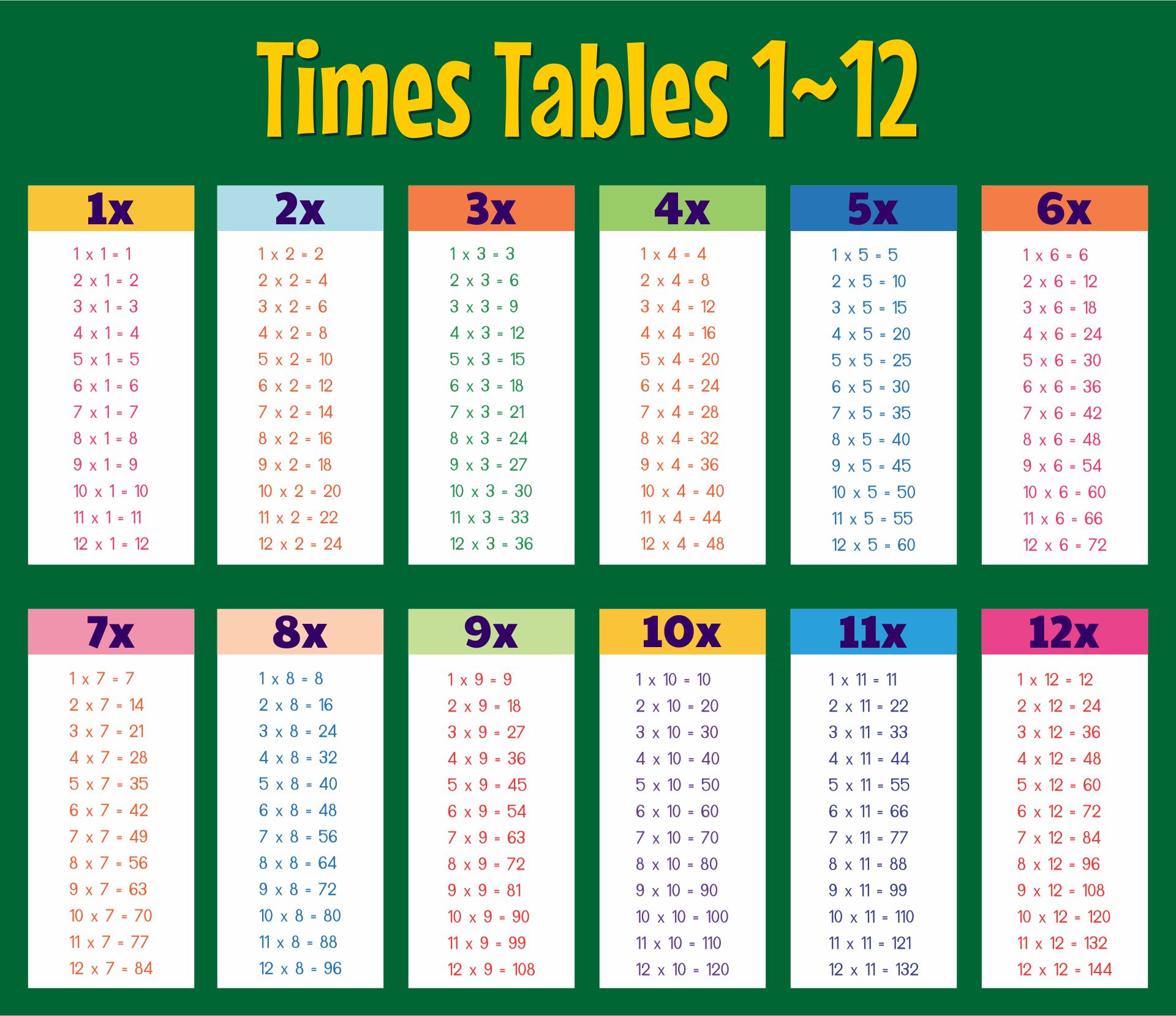
Many folks tend to overlook the simplicity of the mult chart 1-12, assuming it's just a basic multiplication table. But this chart is a powerful tool, offering a quick and easy way to grasp fundamental math concepts. It's not just about memorizing times tables; the mult chart 1-12 is a visual guide, showing the relationships between numbers and their products. While the format may vary slightly, the core principle remains the same: a reliable reference for basic math, an essential educational resource.
Mult Chart 1-12: Your Multiplication Guide
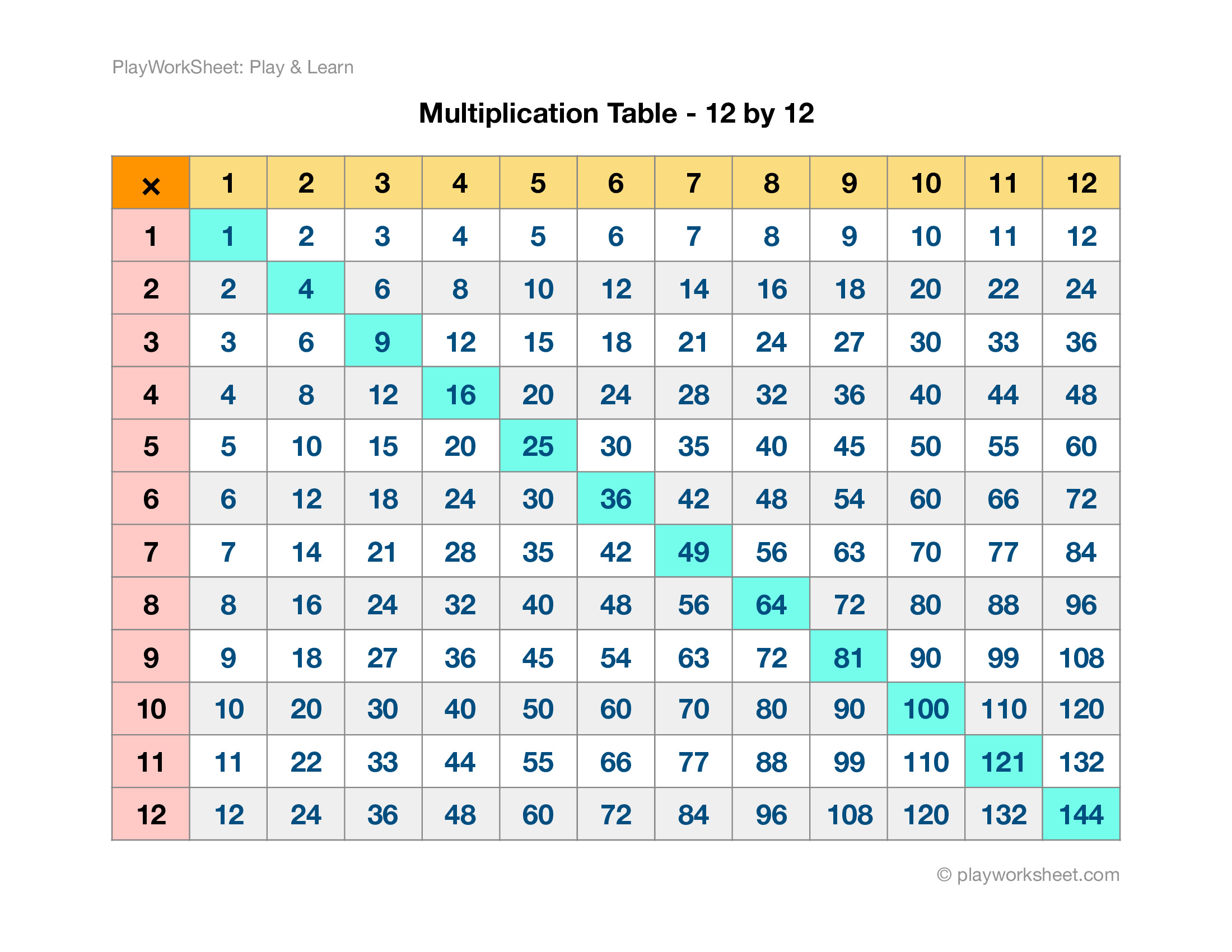
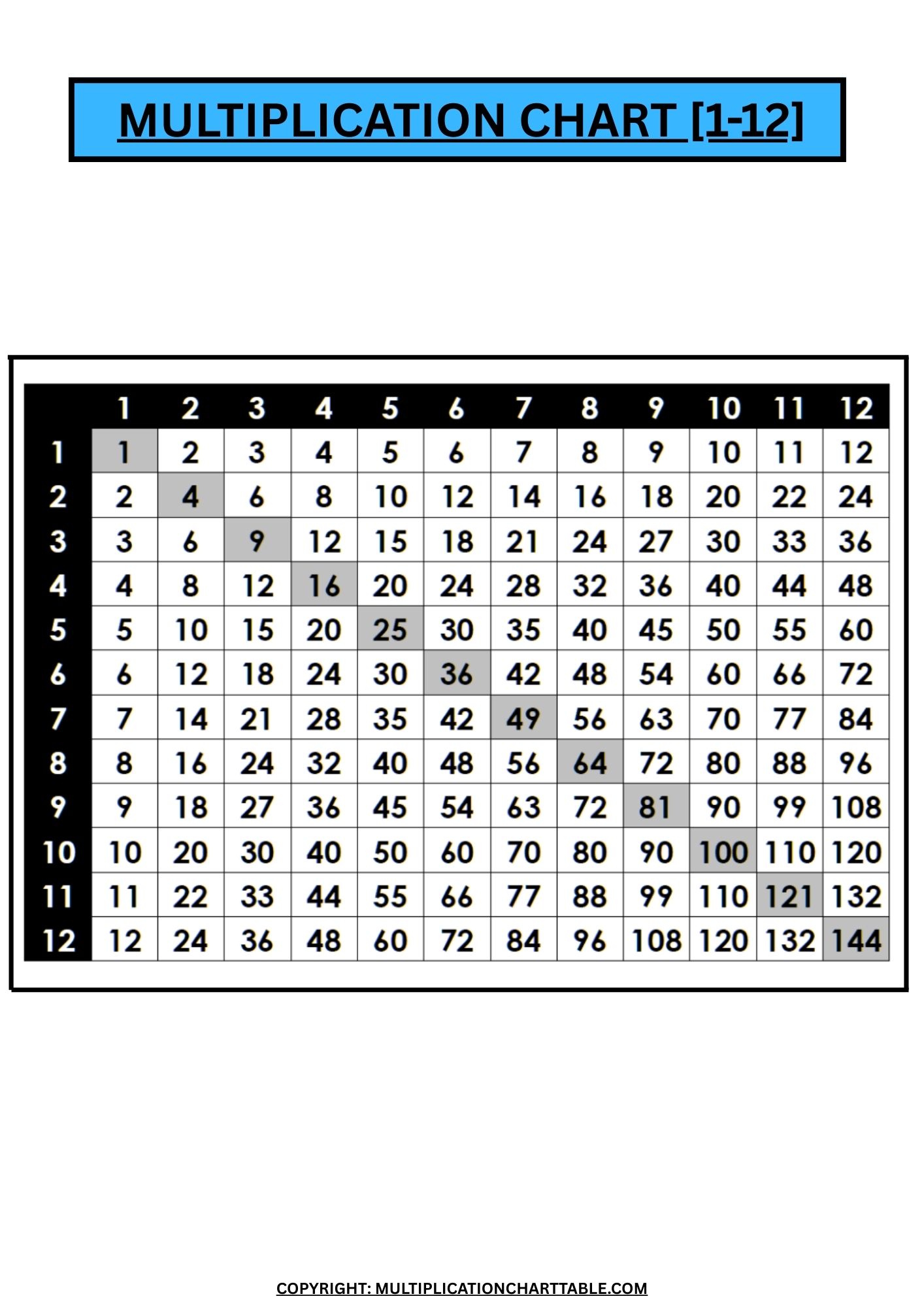
The mult chart 1-12 is a handy reference tool for anyone learning or brushing up on their multiplication skills. It's a simple grid that displays the results of multiplying numbers from 1 to 12. This chart is a great visual aid and can be a powerful learning tool, especially for visual learners.
Key Details and Categories
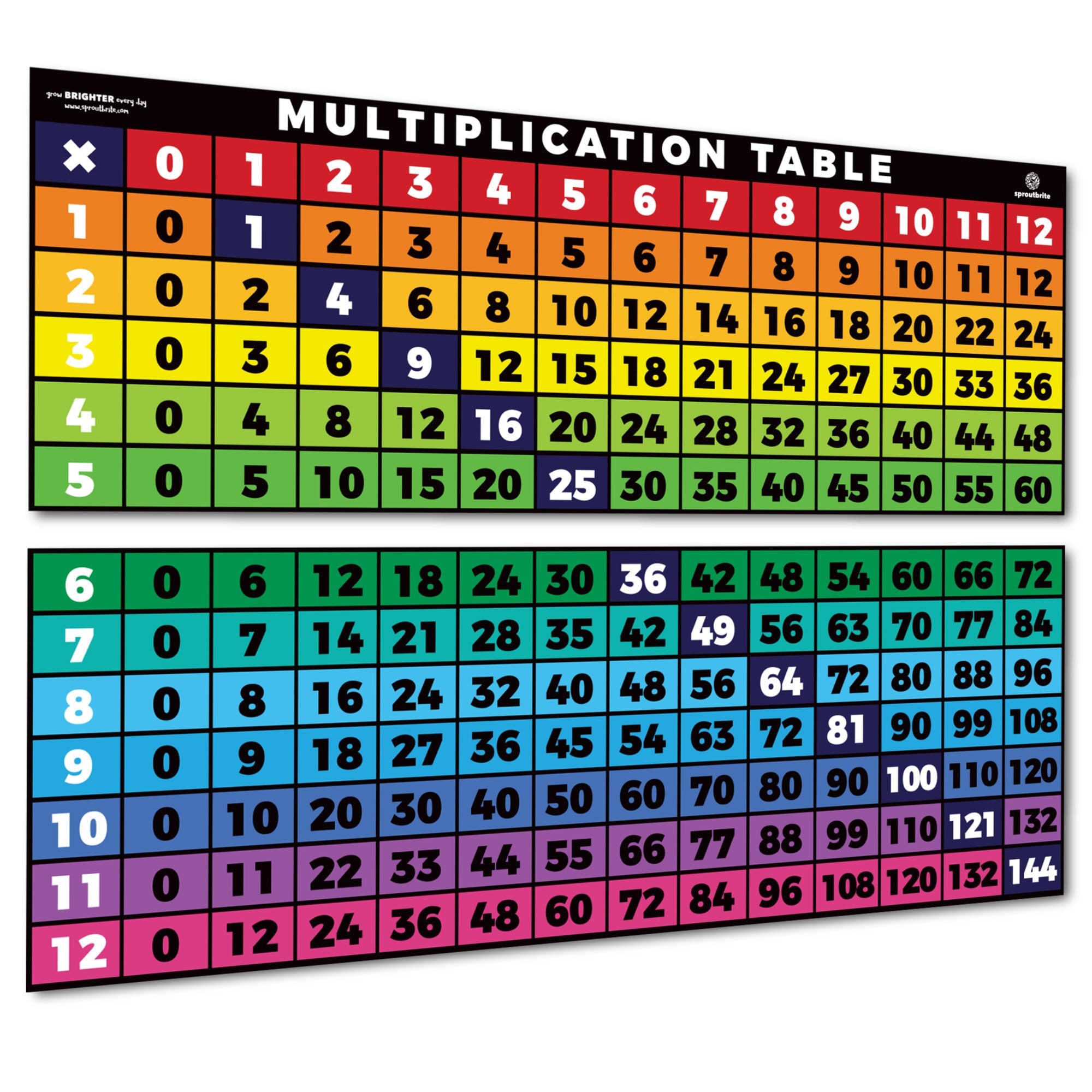
The mult chart is organized as a square grid, with numbers 1 to 12 along both axes. Each cell in the grid represents the product of the numbers in its row and column. For example, the cell where row 5 meets column 7 will show the result of 5 x 7. The chart typically uses a color-coded system, with different colors representing different factors or multiples. This visual cue helps users quickly identify patterns and relationships between numbers.
Reading and Applying the Chart
To use the mult chart 1-12, follow these steps:
- Identify the numbers you want to multiply. Let's say you want to find 6 x 8.
- Locate the row and column that correspond to these numbers. In this case, find row 6 and column 8.
- The cell where these rows and columns intersect will give you the answer. So, for 6 x 8, you'll find the answer in the cell where row 6 meets column 8.
- That's it! The chart provides a quick and easy way to find multiplication results.
Variations and Differences
While the basic concept of the mult chart 1-12 remains the same, there can be variations in its presentation and format. Different educational resources or learning aids may use slightly different color schemes or layouts. Additionally, some charts might extend beyond the 1-12 range, offering a more comprehensive reference. It's important to note that these charts are primarily designed for basic multiplication and may not cover more complex scenarios or advanced math topics.
Common Mistakes and How to Avoid Them
One common mistake is assuming that the chart provides exact answers for all multiplication problems. While it's a great tool for quick references, it's essential to double-check the specific multiplication rules and formulas for more complex calculations. Another pitfall is misreading the chart, especially when dealing with larger numbers. Always double-check your row and column selections to ensure accuracy. Finally, remember that the mult chart is a learning aid, not a replacement for understanding the underlying multiplication principles. Regular practice and a solid foundation in basic math are key to mastering multiplication.
Well, that's the lowdown on mult charts 1-12. You now know the basics, how to use them, and what to watch out for. It's a simple yet effective tool, and with a bit of practice, you'll be a pro in no time!
Just remember, these charts are a handy reference, but always double-check your specific needs and ensure you're using the right values and units for your context. Consider bookmarking this page for future reference - it might just save you some time and hassle down the line!
Related: How to Read a Cigar Size Chart?
A cigar size chart is a handy tool for any cigar enthusiast, offering a quick and easy way to understand cigar dimensions. This guide will take you through the basics, covering the essential info you need to read and interpret these charts like a pro.
From cigar ring gauge to length, these charts provide a simple visual reference, ensuring you can identify and choose the right cigar size. While values may vary, the cigar size chart remains a reliable starting point, offering a clear and consistent way to explore the world of cigar sizes.
Understanding Cigar Sizes: A Practical Guide
Cigar size charts are your go-to resource for navigating the world of cigars. They provide a visual representation of the various dimensions and formats cigars come in, helping you make informed choices. These charts typically showcase two key measurements: length and ring gauge. The ring gauge, often referred to as the diameter, is a critical factor in determining a cigar's burn and flavor.
Standard Cigar Dimensions: Comparing Formats
Cigar size charts offer a standardized way to understand cigar sizes. They present a range of common formats, each with its own name and unique dimensions. For instance, a robusto is typically around 5 inches long with a 50 ring gauge, while a toro might measure 6 inches with a 54 ring gauge. These charts provide a quick reference, allowing you to visualize the differences between various cigar sizes.
How to Use a Cigar Size Chart: A Step-by-Step Guide
- Identify the two primary measurements: length and ring gauge. These are usually displayed side by side or in a clear, tabular format.
- Match the length of the cigar you have or are considering with the chart's length column.
- Cross-reference the ring gauge to find the corresponding format. For example, if your cigar is 6 inches long and has a 52 ring gauge, it likely fits the description of a "Churchill."
- Understand the implications: Different sizes impact the smoking experience. Larger cigars may offer a longer, more complex smoke, while smaller ones provide a quicker, more focused flavor profile.
Common Misreadings and How to Avoid Them
One common pitfall is assuming all cigars within a size category are identical. While the ring gauge and length are standardized, other factors like brand, tobacco blend, and construction can vary. These nuances impact the smoking experience, so always consider the cigar's brand and specific details when making comparisons. Additionally, be mindful of regional variations; some countries may use different measurement systems or have unique size names.
Factors Affecting Accuracy and Real-World Use
Several variables can influence the accuracy of a cigar size chart. Firstly, the chart's origin matters; some are designed for specific regions or markets, so ensure you're using one relevant to your location. Secondly, while standardized, there can be slight variations in measurements across different manufacturers. Always check the cigar's packaging or official brand specifications for precise details. Lastly, remember that cigars, especially handmade ones, may have slight imperfections, so the chart serves as a guide rather than an absolute measurement tool.
Well, there you have it! A handy guide to cigar sizes, covering the main options, how to use the chart, and some common pitfalls to avoid. Remember, these measurements can vary slightly, so always double-check if precision is key.
Feel free to explore our other guides for more practical tips and tricks. We've got a whole range of topics to help you navigate the world of cigars and beyond!