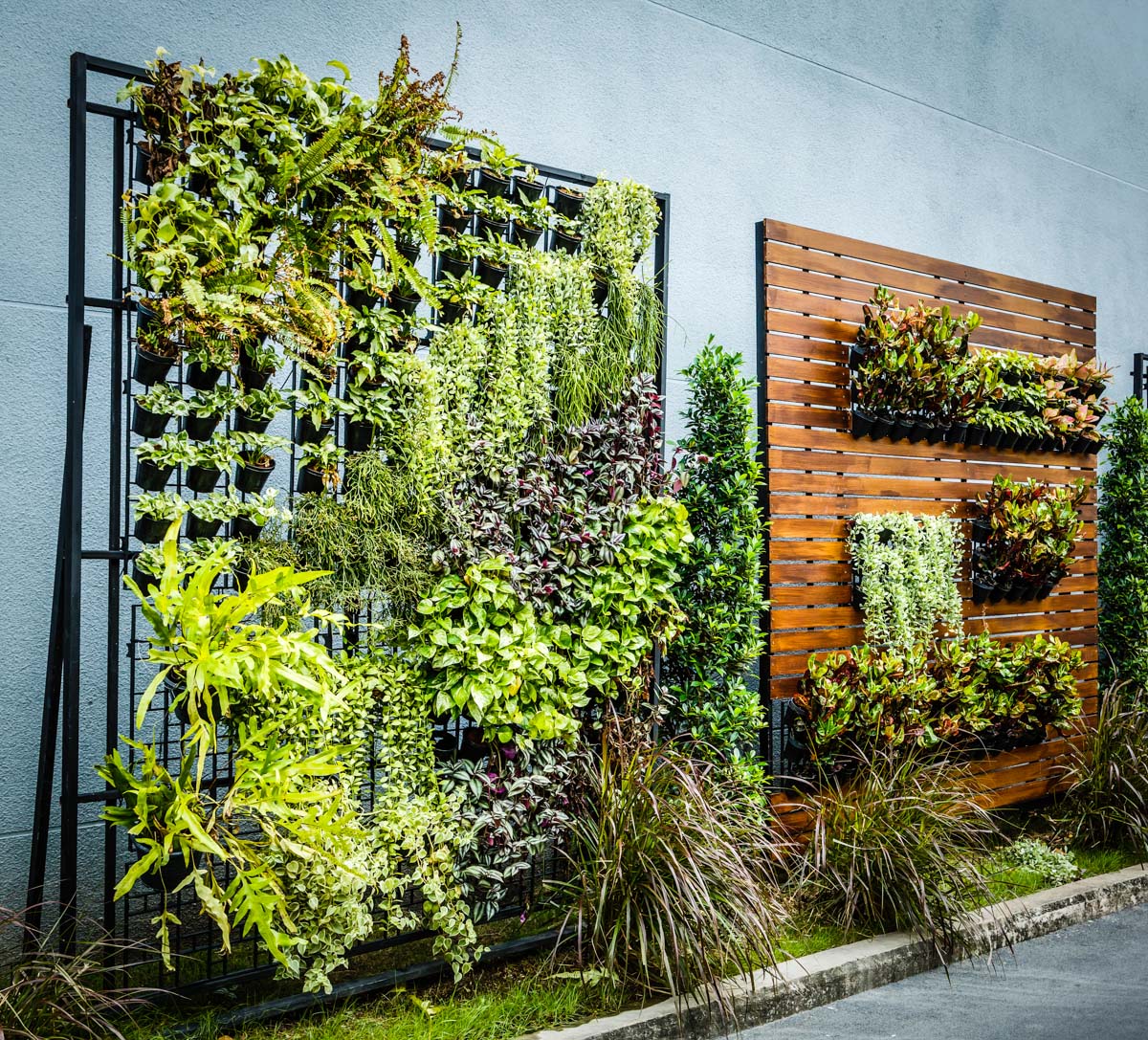
The incorporation of a vertical wood slat wall into a room’s design is a striking way to add a touch of modern style while maintaining a connection to natural elements. This architectural feature has gained popularity in recent years due to its versatility, aesthetic appeal, and ability to seamlessly blend into various interior design schemes. From subtly enhancing the ambiance of a living room to dramatically transforming the look of a corporate office, vertical wood slat walls offer a multitude of design possibilities.
History and Evolution of Wood Slat Walls
The use of wood slats in interior design is not a new concept. Historically, wood has been a preferred material for construction and decoration due to its durability, beauty, and the sense of warmth it brings to a space. However, the modern interpretation of vertical wood slat walls as a design element has evolved significantly. It now encompasses a wide range of styles, from minimalist and sleek to rustic and distressed, catering to different tastes and interior themes.
Design and Installation Considerations
Designing and installing a vertical wood slat wall requires careful consideration of several factors, including the type of wood, the width and spacing of the slats, and the color or finish. Each of these elements can significantly impact the final look and feel of the wall. For instance, narrower slats closely spaced can create a more uniform and modern appearance, while wider slats with greater spacing might evoke a more rustic or traditional ambiance.
The choice of wood is also crucial, as different types of wood vary in grain pattern, color, and durability. Oak, pine, and cedar are popular choices due to their aesthetic appeal and resistance to decay. Additionally, considering the sustainability and eco-friendliness of the wood source is increasingly important for environmentally conscious homeowners and businesses.
Technical Breakdown: Materials and Construction
The construction of a vertical wood slat wall involves several key components and processes: - Frame: The base structure to which the wood slats are attached. It’s crucial for ensuring the wall’s stability and evenness. - Slats: These are the visible wooden elements that make up the face of the wall. They can be attached vertically or horizontally, though vertical attachment is more common for this style. - Fastening System: The method used to secure the slats to the frame. This can include nails, screws, or a concealed fastening system for a sleeker look. - Finishing: The final step involves applying a stain, paint, or sealant to protect the wood and enhance its appearance.
Comparative Analysis: Wood Slat Walls vs. Traditional Walls
When deciding between incorporating a vertical wood slat wall and using traditional wall coverings, such as paint or wallpaper, several factors come into play: - Aesthetic Appeal: Wood slat walls offer a unique, natural beauty that can add depth and character to a room. - Durability: Wood is generally more durable than paint or wallpaper, requiring less maintenance over time. - Acoustics: The slatted design can also act as a sound barrier, improving the acoustic quality of a room. - Cost: While the initial installation cost of a wood slat wall might be higher, its longevity and low maintenance needs can make it a cost-effective choice in the long run.
Problem-Solution Framework: Addressing Common Concerns
One of the primary concerns with vertical wood slat walls is their potential impact on the room’s insulation and energy efficiency. However, with proper installation and the use of materials with good thermal insulation properties, these walls can be as energy-efficient as traditional constructions.
Another concern is maintenance. While wood does require periodic sealing or staining to protect it from moisture and UV damage, modern finishes and treatments have made this process relatively straightforward and infrequent.
Expert Insights: Trends and Future Directions
According to interior design experts, the trend towards incorporating natural materials and biophilic design elements into buildings is expected to continue. Vertical wood slat walls, with their blend of natural beauty and modern style, are poised to remain a popular choice for homeowners, architects, and interior designers looking to create spaces that are not only aesthetically pleasing but also sustainable and connected to nature.
FAQ Section
What are the benefits of using a vertical wood slat wall in interior design?
+The benefits include adding a touch of modern style, enhancing the aesthetic appeal of a room, improving acoustics, and potentially increasing the durability and longevity of the wall compared to traditional finishes.
How do I choose the right type of wood for my vertical wood slat wall?
+Choosing the right type of wood involves considering factors such as durability, resistance to decay, aesthetic appeal, and sustainability. Popular choices include oak, pine, and cedar,each offering unique characteristics that can match different design themes and preferences.
Can a vertical wood slat wall be used in any room of the house?
+Yes, a vertical wood slat wall can be used in any room, from living rooms and bedrooms to kitchens and bathrooms, provided that the appropriate wood type and finish are selected to withstand the room's specific conditions, such as moisture levels in bathrooms and kitchens.
Conclusion
The vertical wood slat wall represents a fusion of modern design sensibilities with the timeless appeal of natural wood, offering a versatile and stylish solution for interior decoration. Whether used to create a statement piece in a residential setting or to enhance the ambiance of a commercial space, this design element has the potential to transform any room into a unique and captivating environment. As trends in interior design continue to evolve, the incorporation of natural elements and innovative uses of traditional materials like wood are likely to remain at the forefront of architectural and design discourse.