


Voice Level Chart Black And White Overview
You've stumbled upon the keep it chart, a nifty tool that's here to make your life easier. It's a simple yet effective way to keep track of things, and it's a real time-saver for those quick reference moments.
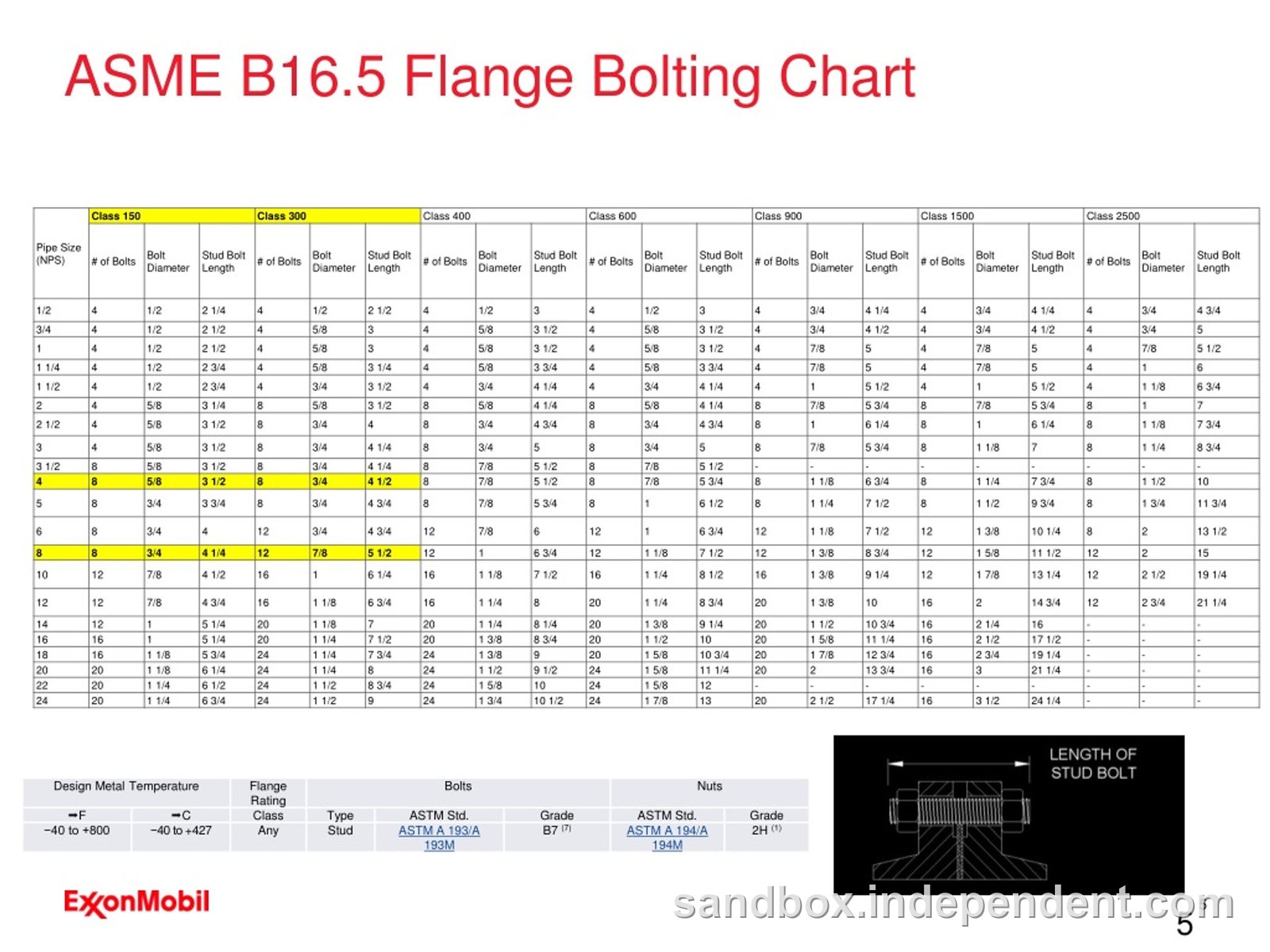
This chart, or visual guide, offers a straightforward solution to keep your information organized. Whether it's a common measurements table or a practical tips diagram, the keep it chart ensures you have a reliable reference at your fingertips.
What is the Keep It Chart?
The keep it chart is a handy visual reference guide that simplifies complex information. It's a practical tool designed to help you quickly find and understand key data points, making it an essential companion for various tasks and projects.
Understanding the Chart's Details
Before diving in, let's clarify some basics. The keep it chart typically covers a range of common measurements and specifications, presented in a clear, organized manner. You'll find categories like length, width, height, weight, and more, each with its specific units. These units can vary depending on the standard you're using, so it's essential to be aware of the system in play. For instance, you might see inches, feet, and pounds in one chart, while another might use centimeters, meters, and kilograms.
How to Read and Use the Keep It Chart
Using the keep it chart is straightforward. Here's a step-by-step guide:
- Identify the category you need. Let's say you're looking for length measurements.
- Locate the relevant section on the chart. It will likely have a clear label or heading.
- Within that section, find the specific measurement or range you require. The chart might provide a range of values, so choose the one that best suits your needs.
- Note the corresponding value or specification. This could be a dimension, a weight, or any other relevant data point.
- Apply this information to your project or task. Whether you're building, designing, or simply organizing, the keep it chart provides a quick and reliable reference.
Common Variations and Differences
While the keep it chart is a valuable tool, it's important to note that variations exist across different standards and contexts. For example, the units and ranges may differ between the metric system and the imperial system. Additionally, specific industries or applications might have unique requirements, leading to customized charts. Always double-check the exact specifications when dealing with critical or specialized tasks.
Tips and Tricks to Avoid Mistakes
To ensure accurate use of the keep it chart, keep these tips in mind:
- Always verify the standard being used, especially when working with international projects or diverse teams.
- Pay attention to the units. Converting between systems can be tricky, so double-check your calculations if needed.
- If you're unsure about a measurement or if the chart seems to contradict your expectations, trust your instincts and seek further clarification.
- Regularly review and update your keep it chart to ensure you have the latest and most relevant information.
Remember, the keep it chart is a practical tool designed to simplify your work, but it's essential to use it with care and attention to detail. With these tips, you'll be able to make the most of this valuable resource!
Well, there you have it! A handy guide to keep you on track and ensure you're using the right tools for the job. Remember, these charts are a great reference, but it's always wise to double-check the specifics for your unique situation.
Consider bookmarking this page for future use; it's a simple yet effective way to stay organized and informed. Happy charting!
Related: Find the Right Dog Size: A Simple Chart
You're likely here because you need a quick reference, a reliable guide to help you understand dog size charts and their applications. These charts are an essential tool for anyone dealing with canine care, offering a simple yet effective way to visualize and compare dog sizes. From small dog breeds to larger ones, the dog size chart provides a clear overview, often including weight charts and breed size standards. It's a handy resource, especially when metric conversions or imperial measurements are involved.
Understanding the Dog Size Chart: A Practical Guide
The dog size chart is a valuable tool for anyone wanting to quickly estimate a dog's size and understand its standard category. This chart provides a visual reference, typically using height and weight measurements, to categorize dogs into various size groups. It offers a convenient way to grasp the size range of different breeds and individual dogs.
Standard Size Categories: Comparing the Options
The dog size chart typically divides dogs into categories like small, medium, large, and extra-large. These categories are based on standardized height and weight ranges. For instance, a small dog might be defined as under 10 inches tall and weighing less than 20 pounds, while a large dog could be over 24 inches tall and weigh more than 50 pounds. These ranges can vary slightly between different charts and standards, so it's essential to check the specific guidelines you are using.
Measuring Your Dog: A Step-by-Step Guide
- Stand your dog upright on a flat surface, ensuring they are comfortable and relaxed.
- Use a measuring tape to record their height from the ground to the highest point of their shoulder or withers.
- Weigh your dog using a scale suitable for their size. Ensure they are stationary and the scale is level.
- Compare these measurements to the dog size chart to determine their size category.
Common Misreadings and How to Avoid Them
One common mistake is assuming that all dogs within a size category are the same. While the chart provides a standard, individual dogs can vary significantly within these ranges. Additionally, some breeds may have unique characteristics that affect their size, such as long legs or a heavy build. Always consider these factors and compare your dog's specific measurements to the chart rather than relying solely on their breed's typical size.
Key Factors Affecting Accuracy and Real-World Use
Several factors can impact the accuracy of the dog size chart. First, the chart's measurements are approximate and may not account for all variations in dog breeds and individuals. Second, dogs can change size over time, especially during growth or weight fluctuations. Regularly re-measuring your dog, especially if they are young or their weight is changing, ensures the most accurate assessment. Finally, remember that the chart is a guide, and individual dogs may not fit neatly into a single category. Always consider your dog's unique characteristics and consult a veterinarian for specific health or nutritional advice based on their size and breed.
Well, there you have it! A comprehensive guide to dog size charts, covering all the bases. Remember, while these charts provide a helpful framework, exact values may differ slightly based on various factors.
Feel free to explore our other guides for more practical insights. We've got plenty of resources to keep you informed and inspired, so take a look around and find something that piques your interest!
Related: Understand Destin Tide Chart: A Quick Guide
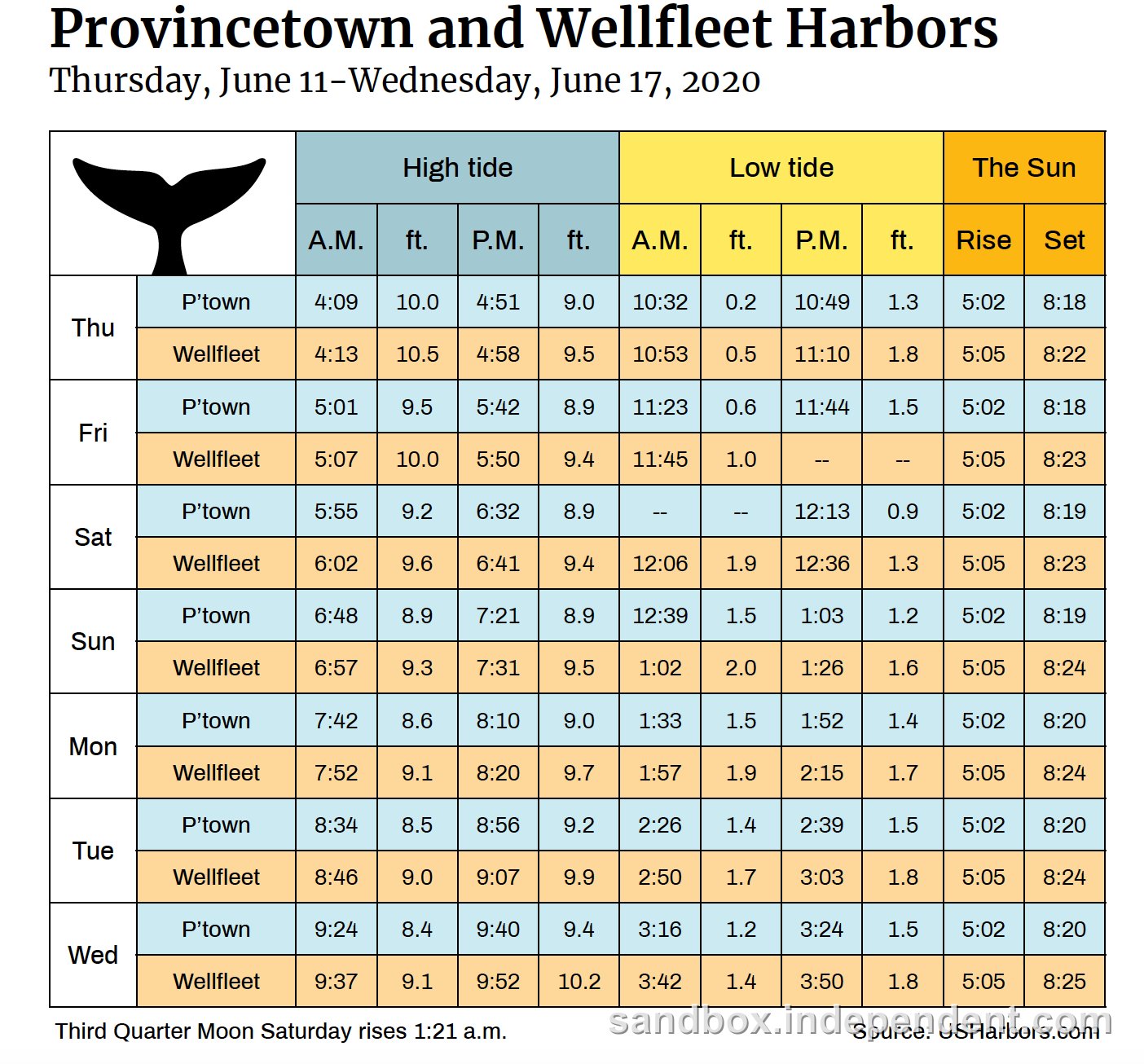
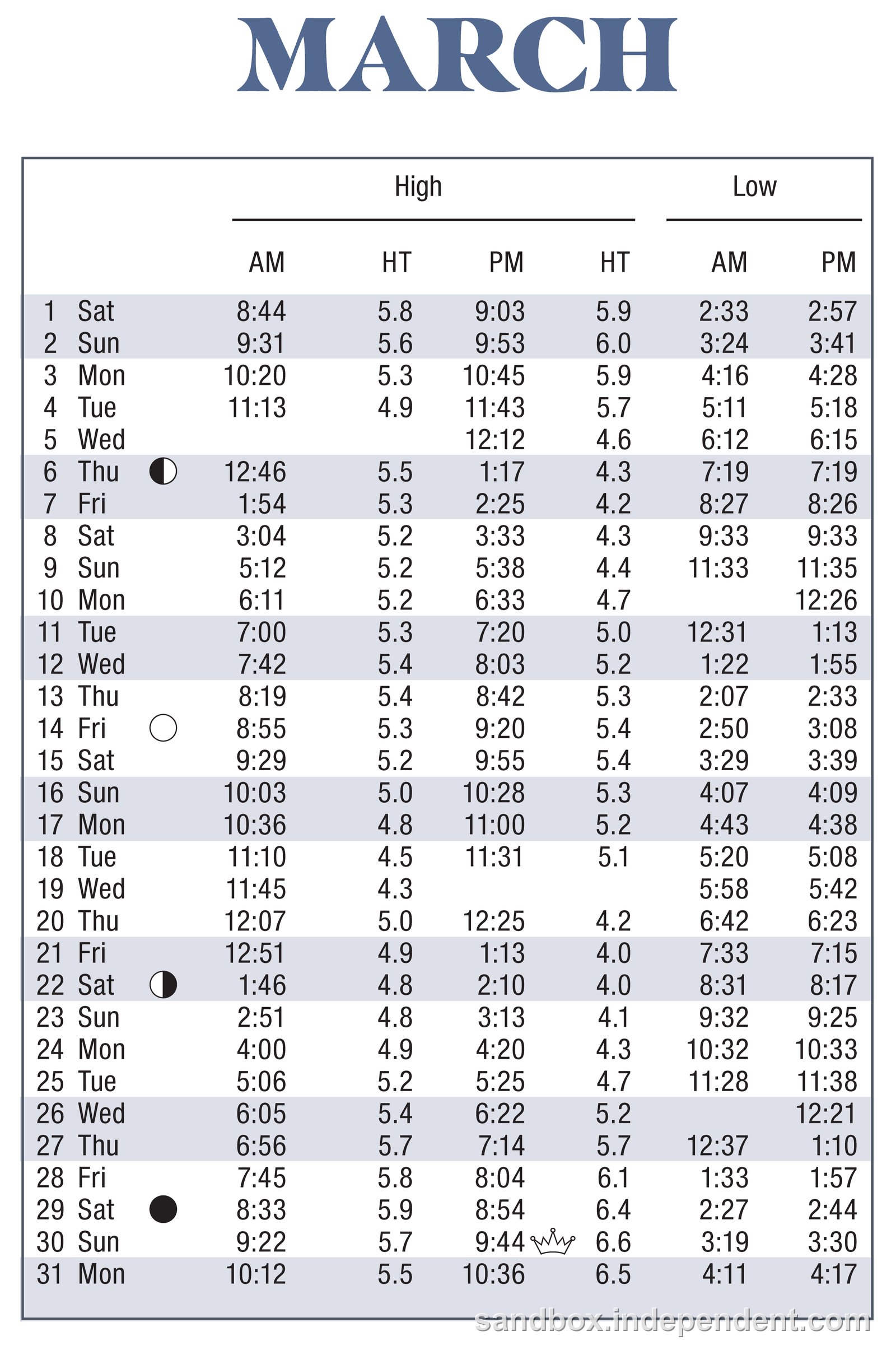
A destin tide chart is your handy tool for understanding the tides in this beautiful Florida destination. It's a simple yet powerful resource for anyone planning a day by the water.
This guide will show you how to read and interpret the chart's information, so you can make the most of your time on the Gulf of Mexico. From tide heights to current flow, we'll cover the basics, ensuring you're prepared for your next adventure.
Understanding Destin Tide Charts
The destin tide chart is a handy tool for anyone planning activities on the water or along the coastline. It provides a visual representation of the tides, showing when high and low tides occur and the corresponding water levels. This chart is especially useful for fishermen, boaters, and beachgoers who need to know the tide times and conditions to plan their activities.
Key Details and Categories
The destin tide chart typically displays the tide times and heights for a specific location, usually a coastal city or area. It shows the daily tide patterns, with times and heights for both high and low tides. The chart will often cover a few days, providing a forecast for planning purposes. The key categories to look out for are:
- High Tide Times: These are marked with a "H" or "HT" and indicate the times when the water level is at its peak.
- Low Tide Times: Marked with an "L" or "LT," these show when the water level is at its lowest.
- Tide Heights: This is the vertical distance between the high and low tide levels, often measured in feet or meters.
Reading and Applying the Tide Chart
To use the destin tide chart, follow these simple steps:
- Identify the date and time you plan to be on the water or at the beach.
- Locate the corresponding high and low tide times on the chart for that date.
- Consider the activity you have in mind. For fishing, you might want to aim for the highest high tide or the lowest low tide, as this can affect fish behavior and access to certain areas. For boating, you'll want to ensure there's enough water depth for your vessel.
- Check the tide heights to understand the water level conditions. This is especially important for activities like kayaking or paddleboarding, where shallow waters can be an issue.
- Plan your activity around the tide times and heights to ensure a safe and enjoyable experience.
Interpreting Variations
Tide charts can vary based on several factors. Here are some key considerations:
- Location: Different coastal areas experience unique tidal patterns due to geographical features and the shape of the coastline.
- Weather Conditions: Storms, winds, and atmospheric pressure can influence tide heights and times.
- Moon Phases: The gravitational pull of the moon affects tides, so full and new moon phases can result in higher high tides and lower low tides.
- Seasonal Changes: Tides can vary slightly with the changing seasons, especially in areas with significant temperature fluctuations.
Common Mistakes and How to Avoid Them
When using a destin tide chart, it's important to avoid these common pitfalls:
- Assuming Standard Times: Always double-check the time zone and daylight savings adjustments, especially if you're traveling to a new area.
- Ignoring Weather Effects: Be aware that extreme weather conditions can significantly impact tides. Check local weather reports for any alerts or advisories.
- Overlooking Seasonal Changes: If you're visiting during a different season, ensure you're using a recent tide chart that accounts for seasonal variations.
- Not Considering Location-Specific Factors: Research any unique geographical features or local conditions that might affect tides in your chosen area.
Remember, while the destin tide chart is a valuable tool, it's always a good idea to stay informed about local conditions and any potential changes that might impact your plans.
Hey there! I hope this guide has given you a clear understanding of the Destin tide chart and how to use it effectively. Remember, while the basics remain the same, the exact details might shift a bit based on your specific context or the source you're referring to.
So, the next time you need a quick tide reference, feel free to bookmark this page for a handy reminder. There are also plenty of other practical guides on various topics that might come in handy, so feel free to explore and discover more!