



Voice Level Chart Template Overview
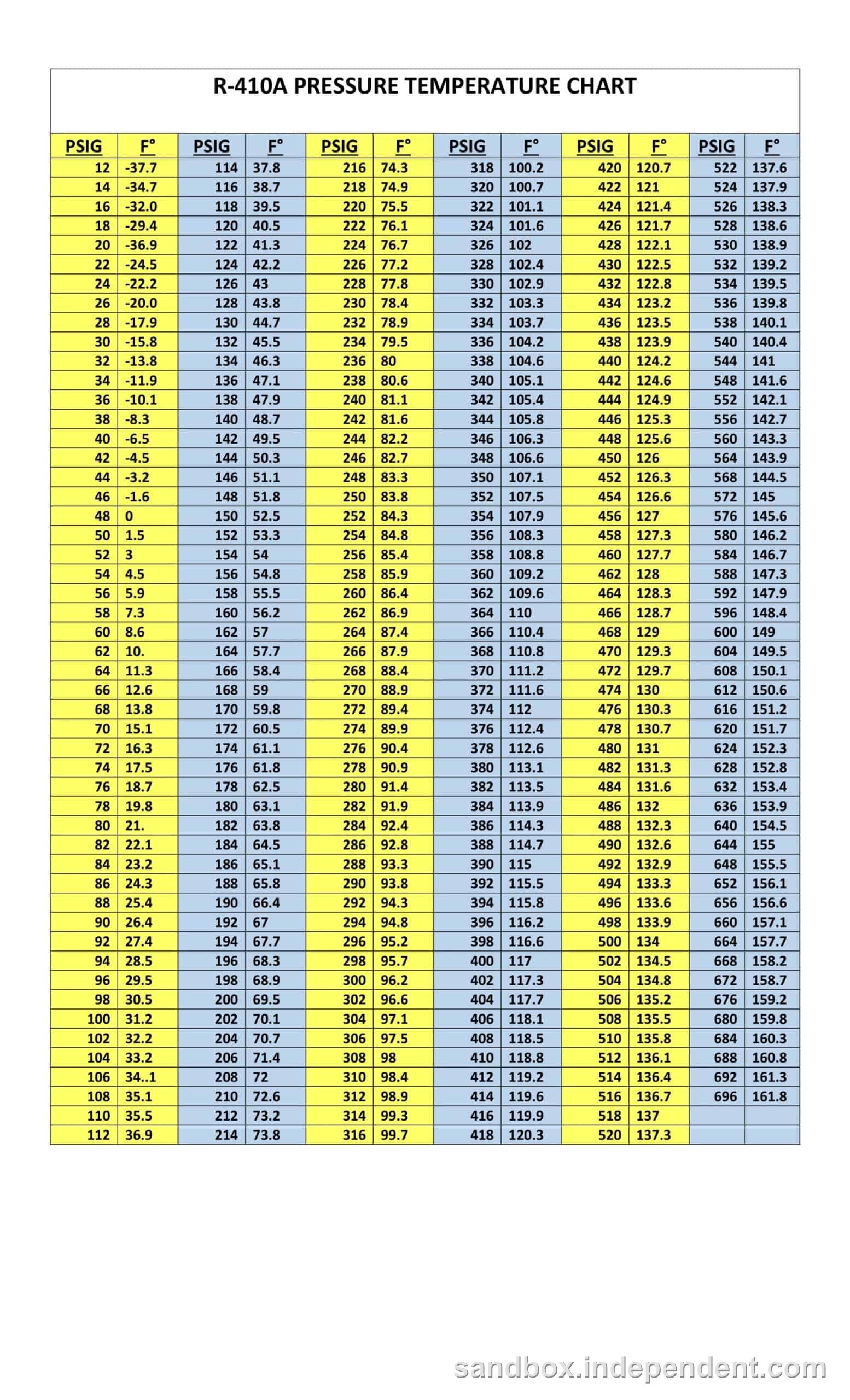
You're probably here because you need a quick guide to understanding the R454b PT chart and its applications. This handy reference tool is a go-to for many, offering a visual representation of refrigerant behavior. It's a simple yet powerful diagram, often used to interpret refrigerant temperature and pressure data. While the values and formats may vary depending on your specific needs or region, the R454b PT chart is a reliable starting point.
Understanding the r454b pt Chart
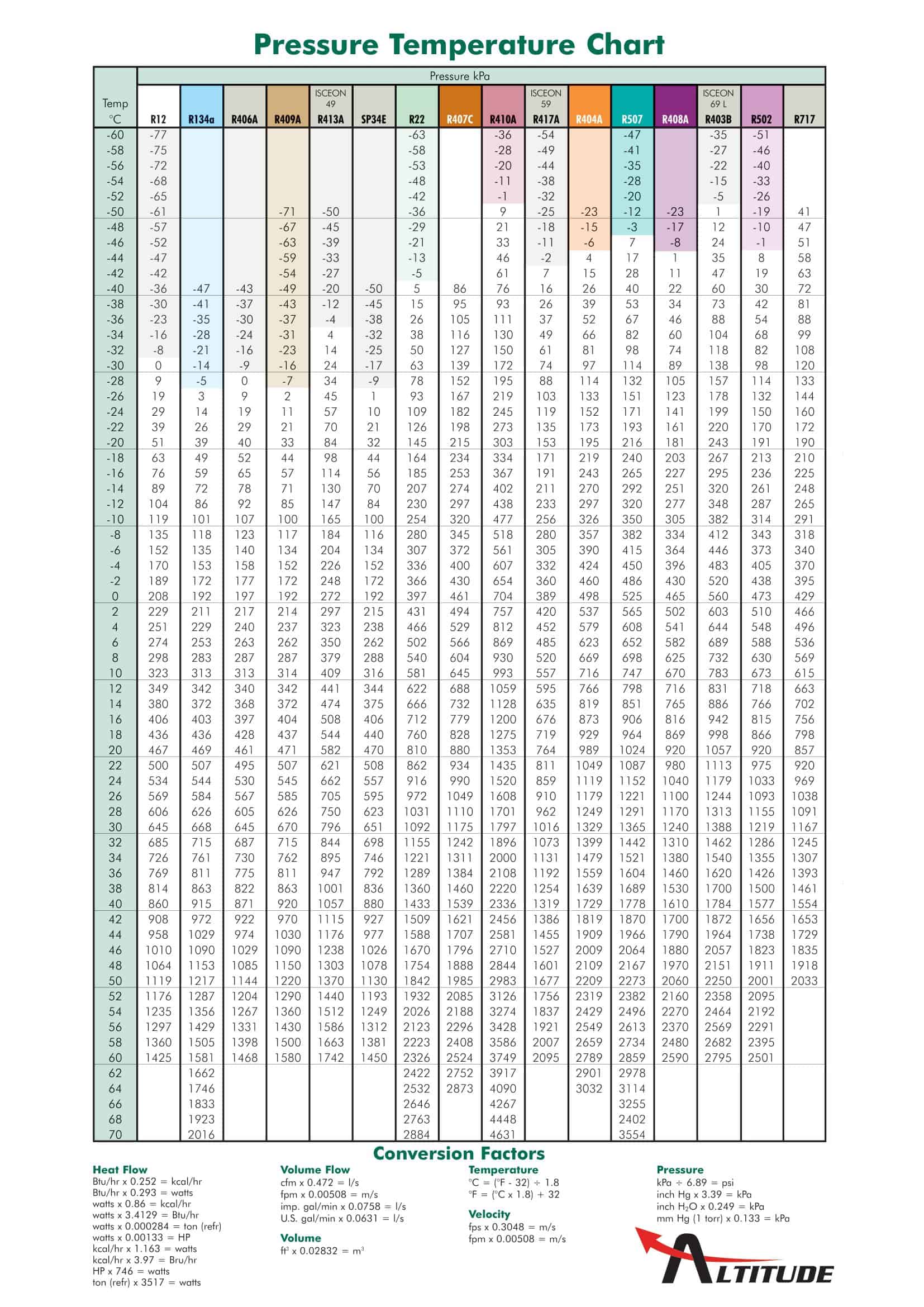
The r454b pt chart is a handy reference tool for anyone working with refrigeration and air conditioning systems. It provides a visual representation of the relationship between pressure and temperature for the refrigerant R454b. This chart is a valuable resource, offering a quick way to understand the state of the refrigerant under different conditions.
Comparing Chart Standards and Formats
There are variations in r454b pt charts, depending on the standard and region. Some charts use the metric system, while others follow the US customary units. It's essential to ensure you're using the right chart for your specific application and region. The format and layout may also differ, but the core information remains the same.
Step-by-Step Guide to Using the r454b pt Chart
Using the r454b pt chart is straightforward. First, locate the pressure value on the chart's horizontal axis. Then, move vertically to find the corresponding temperature. The intersection of these two values represents the state of the refrigerant. Here's a simple 3-step process:
- Identify the pressure.
- Find the temperature.
- Read the intersection point for the refrigerant's state.
For example, if you have a pressure of 100 psi and a temperature of 40°F, the chart will show that the refrigerant is in a liquid state.
Avoiding Misreadings and Pitfalls
Misinterpreting the r454b pt chart can lead to incorrect assumptions. Always ensure you're using the correct chart for your refrigerant and region. Pay attention to the units; some charts use psi, while others use bar or kPa. Converting units can be a simple fix but is essential for accuracy. Also, be aware that the chart represents a general guide; real-world conditions may vary slightly due to system design and other factors.
Factors Affecting Accuracy and Real-World Use
Several factors can influence the accuracy of the r454b pt chart. Firstly, the chart is a simplified representation and may not account for all variables in complex systems. Additionally, the chart assumes ideal conditions, so actual results may vary. It's crucial to consider the specific application and system design when using the chart. For instance, the presence of other gases or contaminants can affect the refrigerant's behavior. Always refer to manufacturer specifications and guidelines for precise information.
Hey there, we hope you found this guide helpful in navigating the world of R454B PT charts. Remember, while the basics remain consistent, the exact details can vary slightly, so always refer to the specific standards and sources relevant to your project.
Feel free to explore our other guides; we've got a range of practical resources to help you tackle various topics with ease. Happy learning, and keep those charts handy!
Related: How to Read a Cigar Size Chart?
A cigar size chart is a handy tool for any cigar enthusiast, offering a quick and easy way to understand cigar dimensions. This guide will take you through the basics, covering the essential info you need to read and interpret these charts like a pro.
From cigar ring gauge to length, these charts provide a simple visual reference, ensuring you can identify and choose the right cigar size. While values may vary, the cigar size chart remains a reliable starting point, offering a clear and consistent way to explore the world of cigar sizes.
Understanding Cigar Sizes: A Practical Guide
Cigar size charts are your go-to resource for navigating the world of cigars. They provide a visual representation of the various dimensions and formats cigars come in, helping you make informed choices. These charts typically showcase two key measurements: length and ring gauge. The ring gauge, often referred to as the diameter, is a critical factor in determining a cigar's burn and flavor.
Standard Cigar Dimensions: Comparing Formats
Cigar size charts offer a standardized way to understand cigar sizes. They present a range of common formats, each with its own name and unique dimensions. For instance, a robusto is typically around 5 inches long with a 50 ring gauge, while a toro might measure 6 inches with a 54 ring gauge. These charts provide a quick reference, allowing you to visualize the differences between various cigar sizes.
How to Use a Cigar Size Chart: A Step-by-Step Guide
- Identify the two primary measurements: length and ring gauge. These are usually displayed side by side or in a clear, tabular format.
- Match the length of the cigar you have or are considering with the chart's length column.
- Cross-reference the ring gauge to find the corresponding format. For example, if your cigar is 6 inches long and has a 52 ring gauge, it likely fits the description of a "Churchill."
- Understand the implications: Different sizes impact the smoking experience. Larger cigars may offer a longer, more complex smoke, while smaller ones provide a quicker, more focused flavor profile.
Common Misreadings and How to Avoid Them
One common pitfall is assuming all cigars within a size category are identical. While the ring gauge and length are standardized, other factors like brand, tobacco blend, and construction can vary. These nuances impact the smoking experience, so always consider the cigar's brand and specific details when making comparisons. Additionally, be mindful of regional variations; some countries may use different measurement systems or have unique size names.
Factors Affecting Accuracy and Real-World Use
Several variables can influence the accuracy of a cigar size chart. Firstly, the chart's origin matters; some are designed for specific regions or markets, so ensure you're using one relevant to your location. Secondly, while standardized, there can be slight variations in measurements across different manufacturers. Always check the cigar's packaging or official brand specifications for precise details. Lastly, remember that cigars, especially handmade ones, may have slight imperfections, so the chart serves as a guide rather than an absolute measurement tool.
Well, there you have it! A handy guide to cigar sizes, covering the main options, how to use the chart, and some common pitfalls to avoid. Remember, these measurements can vary slightly, so always double-check if precision is key.
Feel free to explore our other guides for more practical tips and tricks. We've got a whole range of topics to help you navigate the world of cigars and beyond!
Related: Find Your Perfect Fit: vuori size chart guide
"Vuori size chart" is your trusted companion when shopping for the perfect fit. This guide will walk you through the essentials, ensuring you understand how to navigate and utilize this valuable tool effectively.
The Vuori size chart is a simple yet powerful resource, offering a clear and concise overview of sizing options. It's a quick reference, ensuring you find the right fit for Vuori's activewear and apparel. While standards can vary, this chart provides a reliable starting point for your sizing journey.
Understanding the Vuori Size Chart
The Vuori size chart is a handy tool that helps you find the perfect fit for your activewear. It's a simple guide that ensures you get the right size for your body and the style you want. This chart is a great way to shop with confidence, especially when buying online.
Key Details and Categories
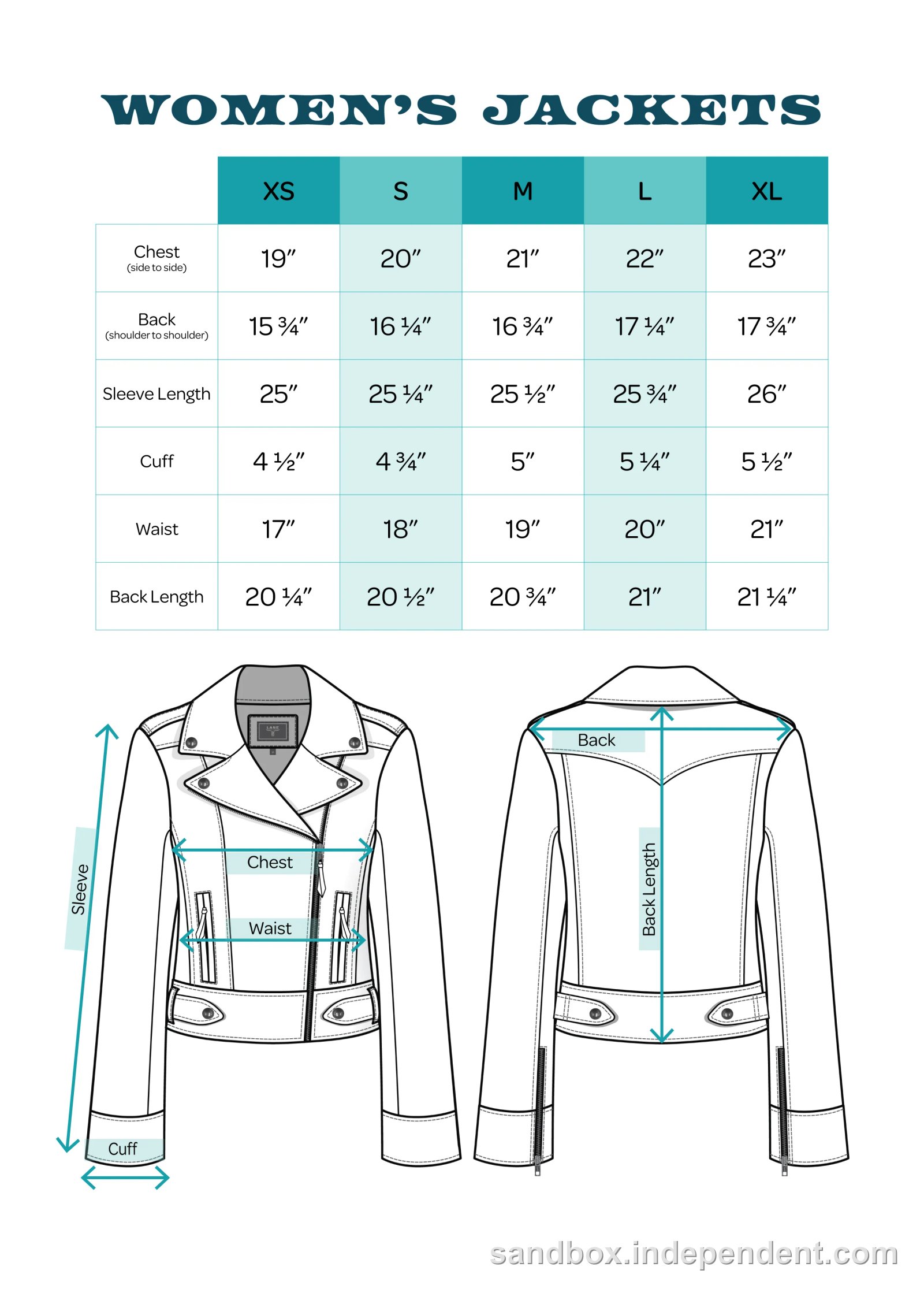
The Vuori size chart covers a range of sizes, typically from extra small to extra large, and sometimes even beyond. It provides measurements for key body parts, such as chest, waist, hips, and inseam length. These measurements are crucial for a comfortable and flattering fit. The chart also includes specific size categories, like small, medium, and large, which are standard across many clothing brands.
Reading and Applying the Chart
Using the Vuori size chart is straightforward. First, locate your usual size based on your height and weight. Then, check the corresponding measurements for chest, waist, and other relevant body parts. Compare these measurements with your own body's dimensions. If you're between sizes, consider going for the larger size for a more relaxed fit, or the smaller size for a more fitted look. It's all about personal preference and the style of the garment.
Size Variations and Differences
It's important to note that size charts can vary slightly between brands and even within a brand's different product lines. Vuori apparel sizing guide may have slight variations depending on the fabric and design of the garment. For instance, a relaxed-fit top might have a looser fit than a more structured jacket, even if they are the same size. Additionally, personal preferences and body types can also influence the fit. Some people prefer a snug fit, while others like a looser, more comfortable feel.
Common Mistakes and How to Avoid Them
One common mistake is relying solely on your usual size without considering the specific measurements. Every brand's size chart can differ, so always refer to the Vuori size chart for accurate sizing. Another pitfall is not measuring yourself correctly. Ensure you measure your body accurately, following the guide's instructions. Lastly, don't forget to consider the style and fit of the garment. Some items are designed to be more fitted, while others are meant to be loose and relaxed.
Tips for a Perfect Fit
To ensure the best fit, always measure yourself before ordering. Use a flexible tape measure and follow the guide's instructions for accurate measurements. If you're unsure, it's a good idea to measure a garment you already own and love the fit of. Compare these measurements with the Vuori size chart to find your ideal size. Remember, the chart is a guide, and personal preferences play a role. If you prefer a looser fit, choose a size up; for a more tailored look, go for a size down.
By following these tips and understanding the Vuori size chart, you'll be able to shop with confidence and enjoy the perfect fit for your activewear. Happy shopping!
Well, there you have it! A size chart can be a handy tool, but it's important to remember that these are general guides, and your personal fit may vary. Always consider your own preferences and the specific garment's style when choosing a size.
So, before you hit the checkout, take a moment to ensure you've got the right measurements and context covered. It's a simple step that can save you time and ensure a perfect fit. And hey, if you need a quick reference in the future, just bookmark this page for easy access!