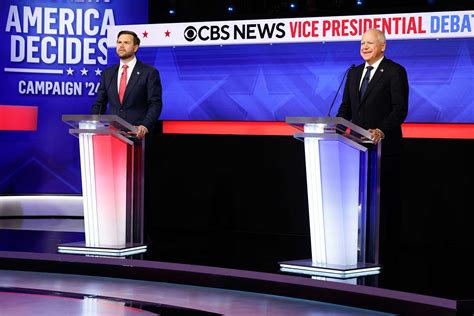
The vice presidential debate between Senator Kamala Harris and Vice President Mike Pence was a highly anticipated event that drew millions of viewers. The debate, which took place on October 7, 2020, was moderated by Susan Page, a veteran journalist and Washington Bureau Chief for USA Today. In this article, we will provide a comprehensive recap of the debate, highlighting the key moments, winners, and losers.
Introduction
The vice presidential debate was seen as an opportunity for both candidates to showcase their skills, policies, and vision for the country. Senator Harris, a former prosecutor and attorney general of California, was expected to bring a strong debating style and a deep understanding of policy issues. Vice President Pence, on the other hand, was seen as a seasoned politician with extensive experience in government and politics. The debate was expected to be a closely watched event, with many analysts predicting that it could have a significant impact on the outcome of the presidential election.
Key Moments
The debate began with a discussion on the COVID-19 pandemic, with both candidates presenting their respective plans for addressing the crisis. Senator Harris criticized the Trump administration’s response to the pandemic, citing the high number of cases and deaths in the United States. Vice President Pence defended the administration’s response, highlighting the efforts to develop a vaccine and provide economic support to affected individuals.
One of the key moments of the debate came when Senator Harris directly addressed Vice President Pence, stating that the Trump administration had “forfeited its right to re-election” due to its handling of the pandemic. Vice President Pence responded by accusing Senator Harris and Democratic presidential nominee Joe Biden of promoting a “socialist” agenda.
Another notable moment came when the debate turned to the topic of climate change. Senator Harris emphasized the need for immediate action to address the crisis, while Vice President Pence emphasized the importance of balancing environmental concerns with economic growth.
Winners
Based on the performance of both candidates, it can be argued that Senator Harris was the winner of the debate. She presented a clear and concise vision for the country, highlighting the need for a more equitable and just society. Her debating style was strong, and she effectively challenged Vice President Pence on several key issues.
Senator Harris also effectively used the debate to highlight her own policies and vision, including her plan to address the COVID-19 pandemic, climate change, and economic inequality. Her performance was well-received by many analysts and viewers, who praised her for her confidence, poise, and preparedness.
Losers
Vice President Pence, on the other hand, was seen as the loser of the debate. He struggled to effectively defend the Trump administration’s record on several key issues, including the COVID-19 pandemic and climate change. His debating style was often interrupted by Senator Harris, and he failed to effectively challenge her on several key issues.
Vice President Pence also faced criticism for his response to a question on the topic of systemic racism. He denied that the United States is a racist country, stating that “we have made great progress” on issues of racial equality. This response was seen as insensitive and out of touch by many viewers, who argued that the Vice President failed to acknowledge the ongoing struggles faced by communities of color.
Conclusion
In conclusion, the vice presidential debate between Senator Kamala Harris and Vice President Mike Pence was a closely watched event that highlighted the key differences between the two candidates. While both candidates presented their respective visions for the country, Senator Harris was seen as the winner of the debate due to her strong debating style and effective policy proposals.
The debate also highlighted the ongoing challenges faced by the United States, including the COVID-19 pandemic, climate change, and economic inequality. As the country moves forward, it is clear that these issues will continue to be major priorities for policymakers and citizens alike.
Problem-Solution Framework
One of the key takeaways from the debate was the need for a comprehensive plan to address the COVID-19 pandemic. Senator Harris presented a clear and concise plan, which included increasing funding for public health programs, expanding access to healthcare, and promoting economic support for affected individuals.
Vice President Pence, on the other hand, emphasized the importance of developing a vaccine and providing economic support to affected individuals. However, his plan was seen as less comprehensive and less effective than Senator Harris’ proposal.
Comparative Analysis
The debate also provided a unique opportunity for comparative analysis of the two candidates’ policies and vision. Senator Harris presented a clear and concise vision for the country, highlighting the need for a more equitable and just society. Her policies, including her plan to address the COVID-19 pandemic, climate change, and economic inequality, were seen as comprehensive and effective.
Vice President Pence, on the other hand, emphasized the importance of balancing environmental concerns with economic growth. His policies, including his plan to address the COVID-19 pandemic, were seen as less comprehensive and less effective than Senator Harris’ proposals.
Historical Evolution
The vice presidential debate also provided a unique opportunity to examine the historical evolution of the vice presidency. The office of the vice president has undergone significant changes over the years, from its original role as a largely ceremonial position to its current role as a key advisor to the president.
The debate highlighted the importance of the vice presidency in modern American politics. Both candidates presented their respective visions for the country, highlighting the need for effective leadership and policy proposals.
FAQ Section
What were the key issues discussed during the vice presidential debate?
+The key issues discussed during the vice presidential debate included the COVID-19 pandemic, climate change, and economic inequality.
Who was seen as the winner of the debate?
+Senator Kamala Harris was seen as the winner of the debate, due to her strong debating style and effective policy proposals.
What were the key takeaways from the debate?
+The key takeaways from the debate included the need for a comprehensive plan to address the COVID-19 pandemic, the importance of addressing climate change, and the need for economic policies that promote equity and justice.