







Weekly Planner A4 Overview
A chore weekly chart is a handy tool to keep your household tasks organized and ensure a smooth daily routine. This guide will show you how to make the most of your chart, offering a simple and effective way to manage chores.
The beauty of a chore chart is its adaptability; you can customize it to fit your family's needs. Whether you prefer a simple task list or a more visual weekly planner, the key is finding a format that works for you and helps keep everyone on track with their household duties.
What is a Chore Weekly Chart?
A chore weekly chart is a practical tool to help you organize and manage household tasks efficiently. It's a visual representation of your weekly chores, making it easier to stay on top of your responsibilities and ensure a clean and well-maintained home.
Understanding the Key Details
The chart typically consists of a grid with days of the week across the top and chore categories down the side. Each cell represents a specific chore for a particular day. Common categories include cleaning tasks like vacuuming, laundry, dishes, and grocery shopping. The chart provides a clear overview of what needs to be done and when.
Reading and Applying the Chart
Here's a step-by-step guide to using your chore weekly chart:
- Start by identifying the tasks you want to include. Consider daily, weekly, and monthly chores, as well as any specific tasks that need to be done regularly, like taking out the trash or changing bed linens.
- Assign tasks to each day of the week. Distribute the chores evenly to avoid an overwhelming workload on any single day.
- Use symbols or colors to indicate the status of each chore. For example, a checkmark can signify completion, while a red X might mean the task is overdue.
- Review and update your chart regularly. As you complete tasks, mark them off. If something comes up and a chore needs to be rescheduled, adjust the chart accordingly.
- Involve your family or housemates. If you're sharing the workload, ensure everyone understands their responsibilities and can refer to the chart for guidance.
Variations and Differences
While the basic concept of a chore weekly chart remains consistent, there can be variations based on personal preferences and household needs. Here are some factors that may cause differences:
- Household size: A larger family may require more complex chore rotations to ensure fairness.
- Individual preferences: Some people prefer a simple list format, while others like the visual appeal and organization of a chart.
- Task frequency: Certain chores may need to be done daily or monthly, influencing how you structure your chart.
Common Mistakes and How to Avoid Them
It's easy to make mistakes when creating a chore weekly chart, but these tips can help you avoid them:
- Overloading: Avoid assigning too many tasks to one day. Spread the workload evenly to prevent burnout.
- Forgetting regular tasks: Include all recurring chores, even if they seem obvious. It's easy to overlook something like taking out the recycling or wiping down kitchen counters.
- Not updating: Regularly review and update your chart to reflect changes in your routine or household needs.
Tips for Success
To make the most of your chore weekly chart and ensure it works effectively for your household, consider these best practices:
- Personalize your chart: Tailor it to your specific needs and preferences. Add notes or symbols that make sense to you and your family.
- Keep it visible: Display your chart in a central location, like the kitchen or family room, so everyone can refer to it easily.
- Review and adjust: Regularly assess how well your chart is working and make adjustments as needed. Flexibility is key to a successful chore management system.
- Involve everyone: Encourage participation and ownership of chores by involving all family members or housemates in creating and maintaining the chart.
A chore weekly chart is a great way to stay organized and ensure everyone pitches in. With the right approach, you can create a simple and effective system for your household. Remember, it's all about finding a balance and making it work for your unique situation.
When adapting any guide, it's important to consider your specific needs and context. While these charts offer a solid framework, they can be tailored to suit your family's routines and preferences. So, take the time to customize and make it your own! And don't forget to explore our other resources for even more practical tips and tricks.
Related: Unraveling the OCMD Tide Chart
Many people assume that reading a ocmd tide chart is complex and confusing, but it's actually a straightforward process once you know the basics. So, let's clear up any misconceptions and make it simple!
The ocmd tide chart, whether for Ocean City Maryland or other coastal areas, provides a clear visual guide to tide levels and times. It's a handy tool, and with a quick glance, you can understand the current and upcoming tide conditions. While the specific values and formats may vary, the core information remains the same and is easy to interpret.
Understanding the ocmd Tide Chart: A Quick Overview
The ocmd tide chart is a valuable tool for anyone planning activities or relying on the ocean's tides. It provides a visual representation of the water levels at Ocean City Maryland, helping you predict when the tides will be high or low. This chart is like a map, guiding you through the ever-changing ocean tides.
Comparing Tide Chart Formats: Standard vs. Metric
Tide charts can follow different standards, but the ocmd tide chart typically uses the US standard. This standard measures tide levels in feet, providing precise data for the region. However, some charts might use the metric system, showing tide levels in meters. It's essential to know which standard your chart follows to avoid confusion.
Reading the Graph: A Step-by-Step Guide
Understanding the ocmd tide chart is straightforward:
Identify the date and time: Each entry on the chart represents a specific date and time. Ensure you're referring to the correct entry for your planned activity.
Locate the tide level: The chart displays high and low tide times, often with a clear visual indicator. Look for the height of the tide at the given time.
Interpret the data: High tide indicates the maximum water level, while low tide shows the minimum. Plan your activities accordingly, considering the tide's impact on your location.
Common Misreadings and How to Avoid Them
A common mistake is assuming all tide charts are the same. Different charts might use varying scales or formats, so always check the units and labels. Another pitfall is neglecting to consider weather conditions, which can impact tide levels. Always double-check the current weather and its potential effects on the tides.
Factors Affecting Tide Levels: A Practical Guide
Several factors influence tide levels, and understanding these can improve your accuracy:
Weather conditions: Storms, winds, and atmospheric pressure can cause significant variations in tide levels. Always check the weather forecast to anticipate potential changes.
Moon phases: The moon's gravitational pull affects tides. Full and new moon phases often bring higher high tides and lower low tides.
Seasonal changes: Tides can vary seasonally, with some months experiencing more extreme ranges. Be aware of these patterns for better predictions.
Choosing the Right Tide Chart: Adapting to Your Needs
Not all tide charts are created equal. When selecting a chart, consider your specific needs:
Activity type: Different activities require varying levels of precision. Fishing, for example, might need more detailed tide information than a casual beach visit.
Location: Ensure the chart covers your exact location. Ocean City Maryland is a vast area, and tide levels can vary within it.
Timeframe: Some charts provide daily data, while others offer weekly or monthly overviews. Choose a chart that suits your planning horizon.
Remember, while the ocmd tide chart is a valuable tool, it's just one piece of the puzzle. Stay informed about weather conditions and local factors to make the most accurate predictions for your ocean adventures.
Hey there, I hope this guide has been helpful in navigating the world of OCMD tide charts. Remember, while we've covered the basics, the exact details might differ slightly based on your specific needs and the sources you consult.
Feel free to bookmark this page for future reference, and don't hesitate to explore our other guides for more practical tips and insights. Happy charting!
Related: Construction Companies in USA 50 Reliable Picks
Hey, I'm curious about this list of top 50 construction companies in the USA I found online. Who are these giants, and how do they stack up? I mean, what's the deal with these big names in the industry? Let's explore and see what we can uncover!
Unveiling the Top 50: A Closer Look
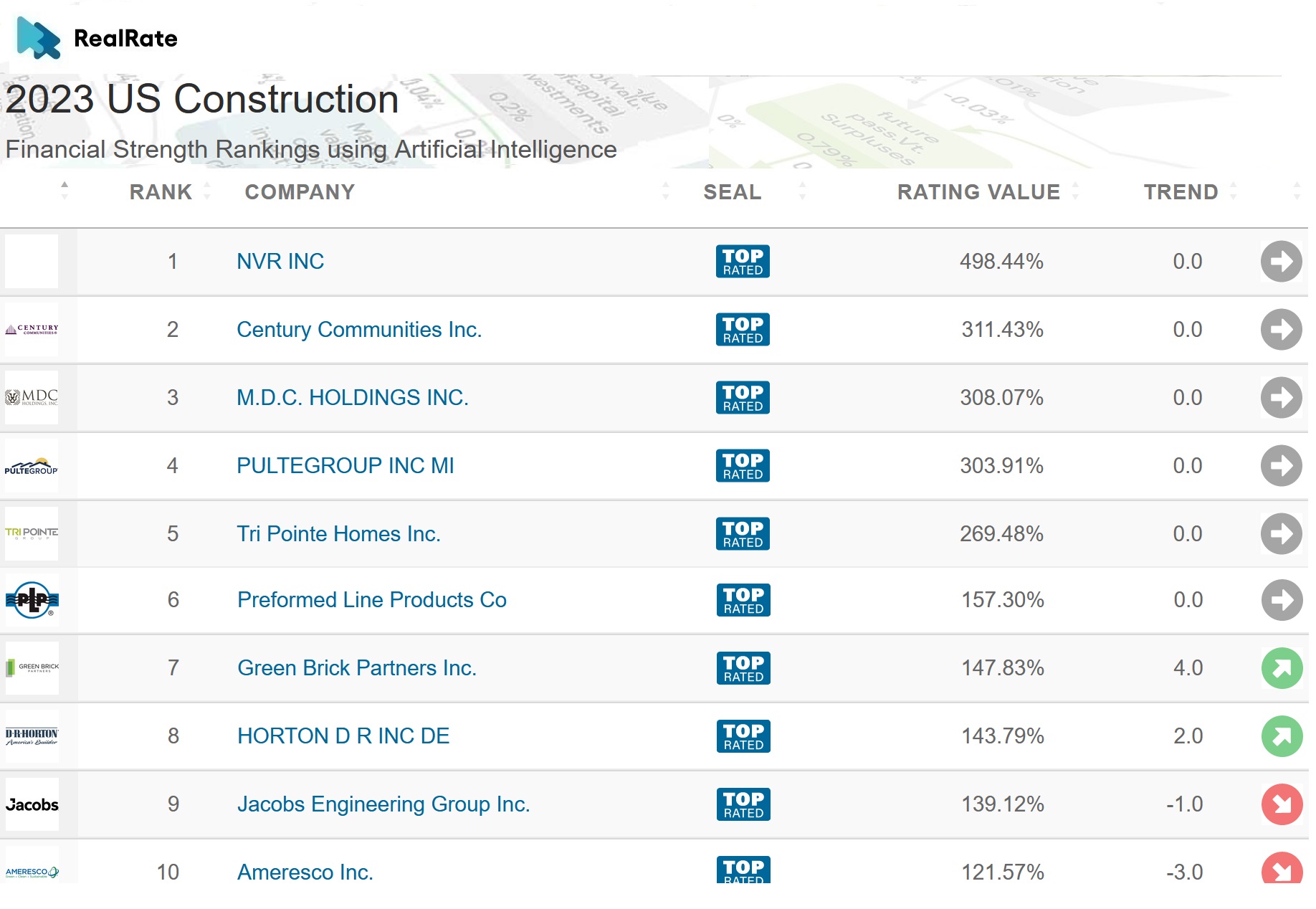
When we talk about the top 50 construction companies in the USA, we're referring to the industry's heavyweights. These are the firms that have made a significant impact and left their mark on the construction landscape. But what sets them apart? Well, it's a combination of factors. These companies often have a long-standing reputation, a solid track record, and a diverse range of projects under their belt. They might specialize in certain areas, like commercial or residential construction, and have the resources to take on large-scale ventures.
One of the key aspects to consider is their reach. Many of these top companies operate nationwide, with a presence in multiple states. This allows them to tackle projects of all sizes and cater to a wide range of clients. It's also worth noting that their size often translates to a larger workforce, which can be an advantage when it comes to managing complex projects with tight deadlines.
Practical Insights for Construction Enthusiasts
So, why does this list matter to us? Well, for one, it can be a great resource when you're looking to hire a contractor or company for your own construction needs. These top companies often have a wealth of experience and can offer a certain level of assurance when it comes to quality and reliability. However, it's important to remember that just because a company is on this list, it doesn't mean they're the right fit for every project.
When hiring, it's crucial to assess your specific needs and compare quotes. Don't be afraid to ask questions and seek references. A good quote should provide a detailed breakdown of costs, including labor, materials, and any additional fees. It's also a good idea to check their licensing and insurance, especially for larger projects.
Naming and Branding: A Quick Note
Naming a construction company can be an art in itself. A great name should be memorable, reflect the company's values or services, and be unique enough to stand out. Some companies opt for a straightforward approach, using their founder's name or a simple description of their services. Others go for a more creative route, choosing a name that's catchy and easy to remember.
Here are a few original name ideas:
- BuildCraft
- Constructive Solutions
- Skyrise Builders
- Foundation First
- HomeCrafters
- BuildPro
Remember, before finalizing a name, check its availability for domains and local registration to avoid any legal hiccups.
A Glimpse into the Industry
The construction industry is a diverse and dynamic field, offering a range of roles and opportunities. From general contractors to estimators and project managers, there's a role for almost every skill set. Salaries can vary greatly depending on experience, location, and the specific role.
When it comes to finding construction jobs, online job boards and industry-specific websites are a great place to start. Many companies also post their openings on social media or their own websites, so it's worth keeping an eye out.
Tools of the Trade: A Brief Overview
In the construction world, tools like RSMeans are highly valued. RSMeans is a cost database that provides valuable insights and estimates for construction projects. It's a go-to resource for many in the industry, offering accurate data on material and labor costs.
Another important aspect is escalation, which refers to the potential increase in costs over time. This could be due to factors like inflation or changes in the market. Construction companies often use cost indexes to track and predict these escalations, helping them provide more accurate quotes and manage projects effectively.
Final Thoughts
So, there you have it! A quick dive into the world of the top 50 construction companies in the USA. While we can't delve into every detail or provide exact rankings, we've uncovered some practical insights and interesting aspects of the industry. Remember, when it comes to construction, it's always a good idea to do your research, compare quotes, and ensure you're getting the best fit for your specific needs. Happy building!