


Weekly Planner By Hour Overview
A chore weekly chart is a handy tool to keep your household tasks organized and ensure a smooth daily routine. This guide will show you how to make the most of your chart, offering a simple and effective way to manage chores.
The beauty of a chore chart is its adaptability; you can customize it to fit your family's needs. Whether you prefer a simple task list or a more visual weekly planner, the key is finding a format that works for you and helps keep everyone on track with their household duties.
What is a Chore Weekly Chart?
A chore weekly chart is a practical tool to help you organize and manage household tasks efficiently. It's a visual representation of your weekly chores, making it easier to stay on top of your responsibilities and ensure a clean and well-maintained home.
Understanding the Key Details
The chart typically consists of a grid with days of the week across the top and chore categories down the side. Each cell represents a specific chore for a particular day. Common categories include cleaning tasks like vacuuming, laundry, dishes, and grocery shopping. The chart provides a clear overview of what needs to be done and when.
Reading and Applying the Chart
Here's a step-by-step guide to using your chore weekly chart:
- Start by identifying the tasks you want to include. Consider daily, weekly, and monthly chores, as well as any specific tasks that need to be done regularly, like taking out the trash or changing bed linens.
- Assign tasks to each day of the week. Distribute the chores evenly to avoid an overwhelming workload on any single day.
- Use symbols or colors to indicate the status of each chore. For example, a checkmark can signify completion, while a red X might mean the task is overdue.
- Review and update your chart regularly. As you complete tasks, mark them off. If something comes up and a chore needs to be rescheduled, adjust the chart accordingly.
- Involve your family or housemates. If you're sharing the workload, ensure everyone understands their responsibilities and can refer to the chart for guidance.
Variations and Differences
While the basic concept of a chore weekly chart remains consistent, there can be variations based on personal preferences and household needs. Here are some factors that may cause differences:
- Household size: A larger family may require more complex chore rotations to ensure fairness.
- Individual preferences: Some people prefer a simple list format, while others like the visual appeal and organization of a chart.
- Task frequency: Certain chores may need to be done daily or monthly, influencing how you structure your chart.
Common Mistakes and How to Avoid Them
It's easy to make mistakes when creating a chore weekly chart, but these tips can help you avoid them:
- Overloading: Avoid assigning too many tasks to one day. Spread the workload evenly to prevent burnout.
- Forgetting regular tasks: Include all recurring chores, even if they seem obvious. It's easy to overlook something like taking out the recycling or wiping down kitchen counters.
- Not updating: Regularly review and update your chart to reflect changes in your routine or household needs.
Tips for Success
To make the most of your chore weekly chart and ensure it works effectively for your household, consider these best practices:
- Personalize your chart: Tailor it to your specific needs and preferences. Add notes or symbols that make sense to you and your family.
- Keep it visible: Display your chart in a central location, like the kitchen or family room, so everyone can refer to it easily.
- Review and adjust: Regularly assess how well your chart is working and make adjustments as needed. Flexibility is key to a successful chore management system.
- Involve everyone: Encourage participation and ownership of chores by involving all family members or housemates in creating and maintaining the chart.
A chore weekly chart is a great way to stay organized and ensure everyone pitches in. With the right approach, you can create a simple and effective system for your household. Remember, it's all about finding a balance and making it work for your unique situation.
When adapting any guide, it's important to consider your specific needs and context. While these charts offer a solid framework, they can be tailored to suit your family's routines and preferences. So, take the time to customize and make it your own! And don't forget to explore our other resources for even more practical tips and tricks.
Related: Find Your Square Root: A Quick Chart Reference
Many folks might glance at a square root chart and feel daunted, assuming it's complex and only for math whizzes. But, rest assured, it's a simple, visual tool that anyone can use and understand!
The chart is a straightforward reference, offering a quick way to find square roots without complex calculations. You'll notice it's structured with a clear format, and while the specific values may vary, the concept remains the same. It's like having a handy calculator at your fingertips, especially for those perfect squares!
Understanding the Square Root Chart
The square root chart is a handy tool that simplifies the process of finding square roots for various numbers. It's like a map that guides you through the world of square roots, making it easier to understand and calculate them. This chart is a visual representation, often presented as a table, that displays the square roots of a range of numbers, typically from 1 to 100 or more.
Comparing Chart Formats and Standards
There are different formats and standards for square root charts, depending on the region and the specific use case. For instance, some charts might use the radical sign to represent square roots, while others may opt for a simpler numerical format. Additionally, the range of numbers covered and the precision of the values can vary. It's important to note that the chart's format and values should align with the standard you are working with, whether it's the metric system or another regional standard.
Step-by-Step Guide to Using the Chart
Using the square root chart is a straightforward process:
- Identify the number for which you need to find the square root.
- Locate the number on the chart. It's usually arranged in ascending order, so finding your number should be easy.
- Read the corresponding square root value from the chart. Ensure you are reading the correct column or row, depending on the chart's layout.
- If your number is not an exact match, you can estimate the square root by interpolating between the values provided. This involves finding the values above and below your number and calculating a rough estimate.
Avoiding Common Misreadings
Misreading a square root chart can lead to inaccurate results. One common mistake is confusing the square root value with the original number. Always double-check that you are reading the correct column or row, especially if the chart is complex or densely packed with information. Another pitfall is assuming that the chart provides exact values for all numbers. Remember, some numbers may not have perfect square roots, and the chart provides approximations for these cases.
Factors Affecting Accuracy
Several factors can impact the accuracy of your calculations when using a square root chart. Firstly, the precision of the chart itself matters. Some charts offer more precise values, especially for larger numbers, while others provide a general approximation. Additionally, the range of numbers covered by the chart can vary, and if your number falls outside this range, you may need to estimate or use a different method. It's also essential to consider the standard being used, as different standards may have slight variations in their square root calculations.
Adapting the Chart for Specific Needs
The square root chart can be adapted to suit specific needs and applications. If you require a more precise calculation, you might opt for a chart with a larger range of numbers and more detailed values. For simpler calculations or educational purposes, a basic chart with a limited range might be sufficient. Additionally, if you are working with a specific standard or industry, ensure you choose a chart that aligns with those requirements. Some charts might even be tailored for specific professions, like engineering or mathematics, offering specialized values and categories.
Hey there, math enthusiasts! We've covered a lot of ground with our square root chart adventure. From understanding its purpose to navigating the different formats and potential pitfalls, you're now equipped with the knowledge to tackle any square root challenge.
Remember, when it comes to accuracy and real-world applications, your specific context matters. So, take a moment to ensure you've got the right chart for your needs, and don't hesitate to adapt or create a customized version if necessary. It's all about finding the perfect fit!
Related: Diaper Size Chart: A Quick Reference Guide
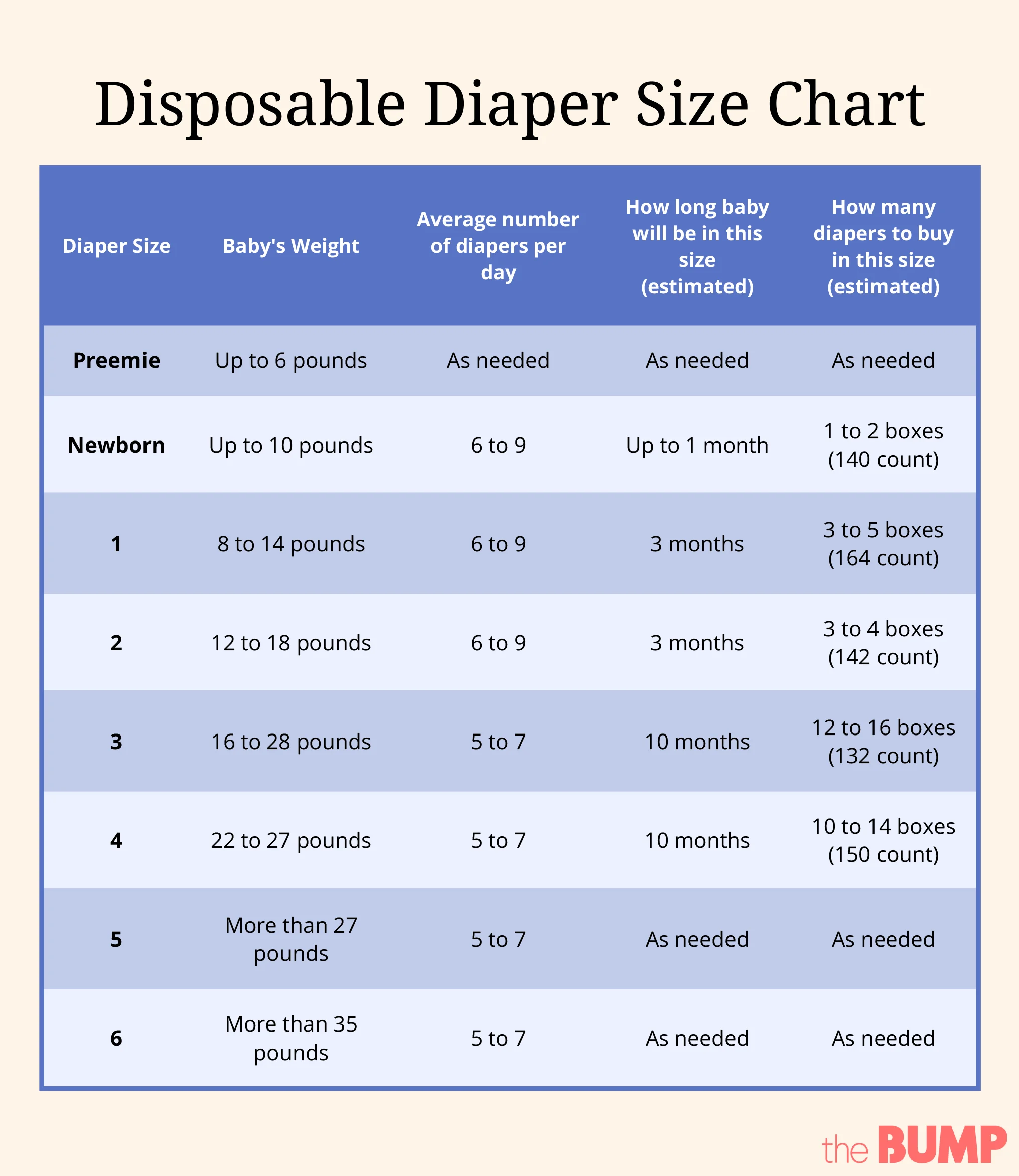
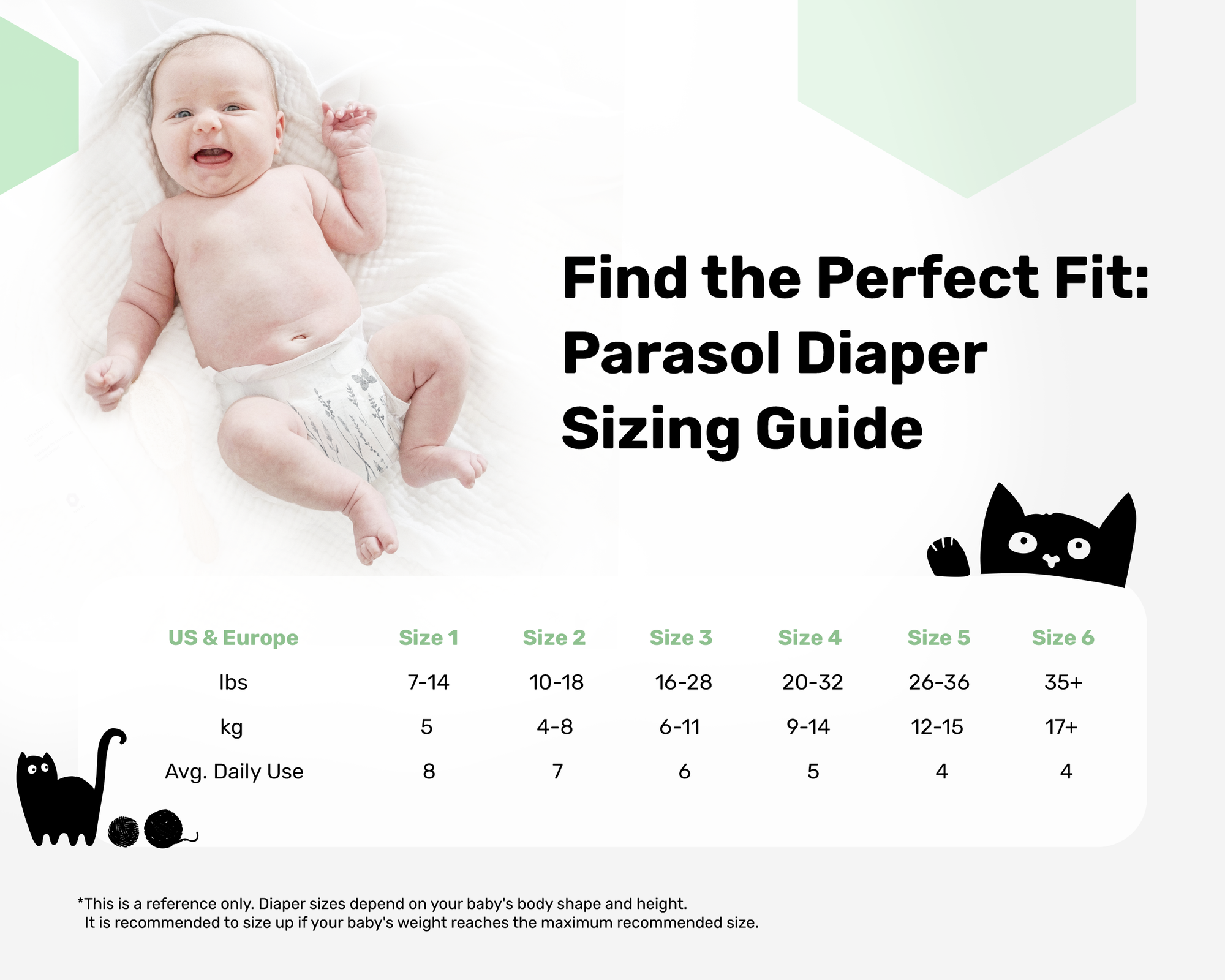
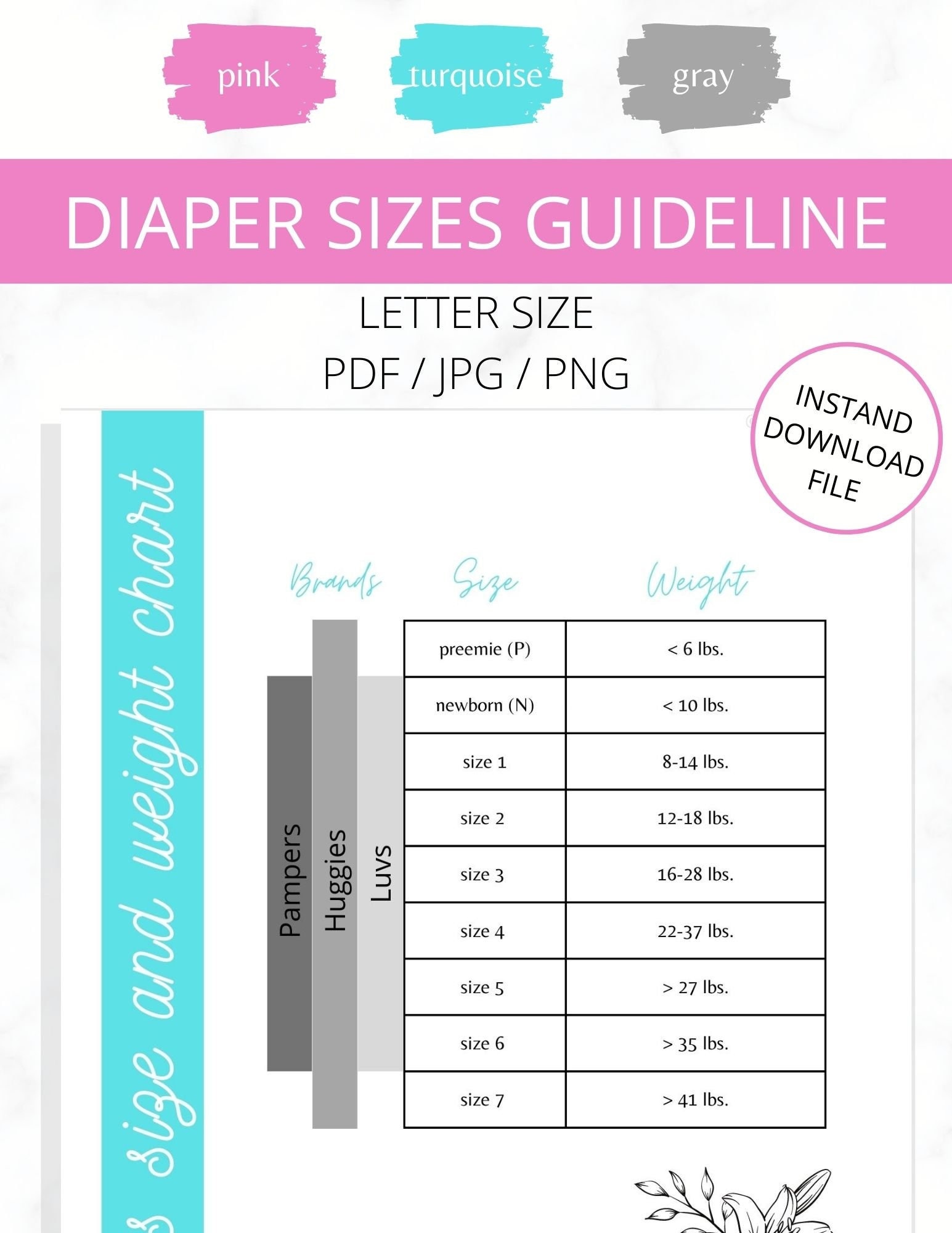
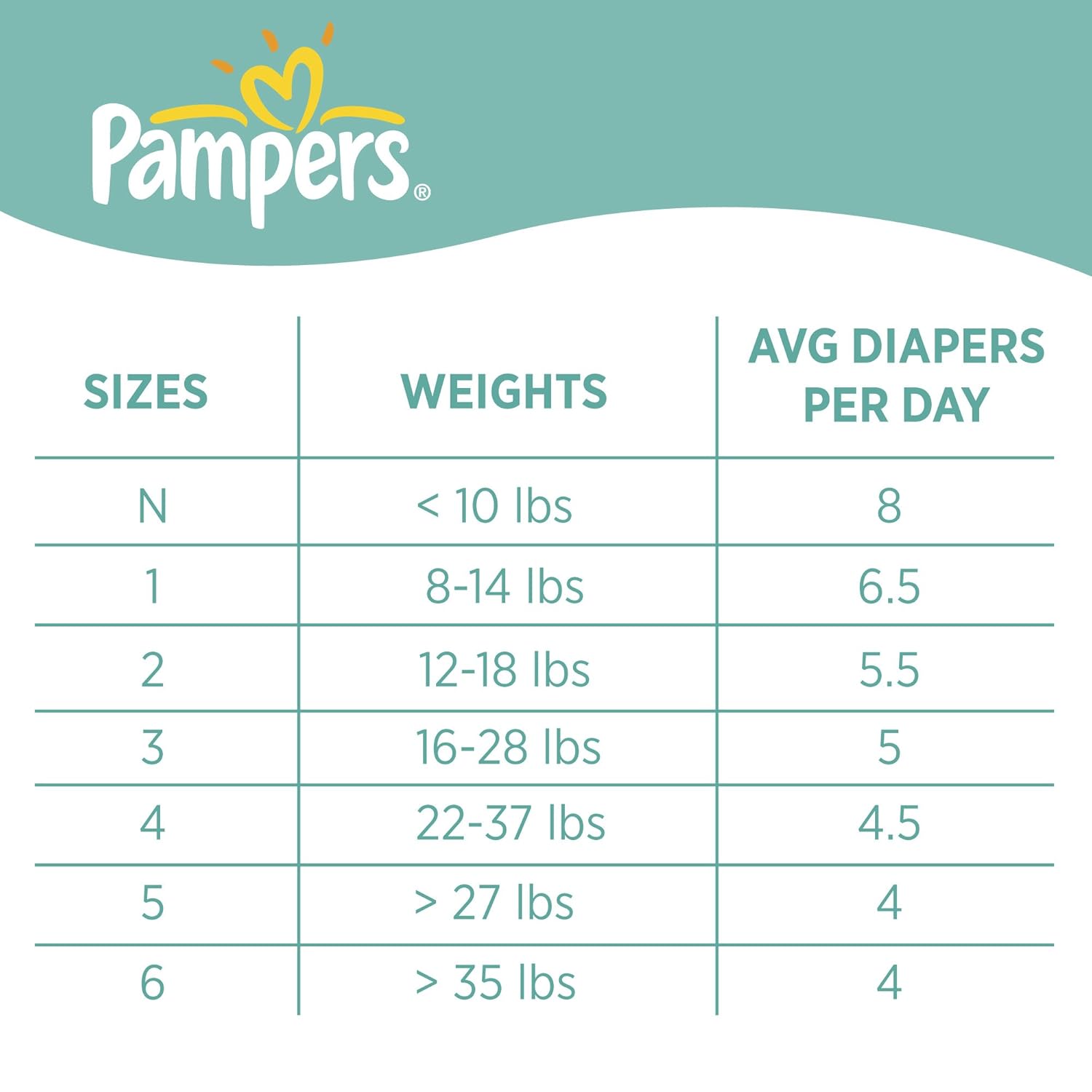
A common misconception about diaper size charts is that they are one-size-fits-all, but in reality, these charts are a guide, and an important one at that, to help you find the perfect fit for your little one. While it may seem straightforward, choosing the right diaper size is crucial for your baby's comfort and well-being.
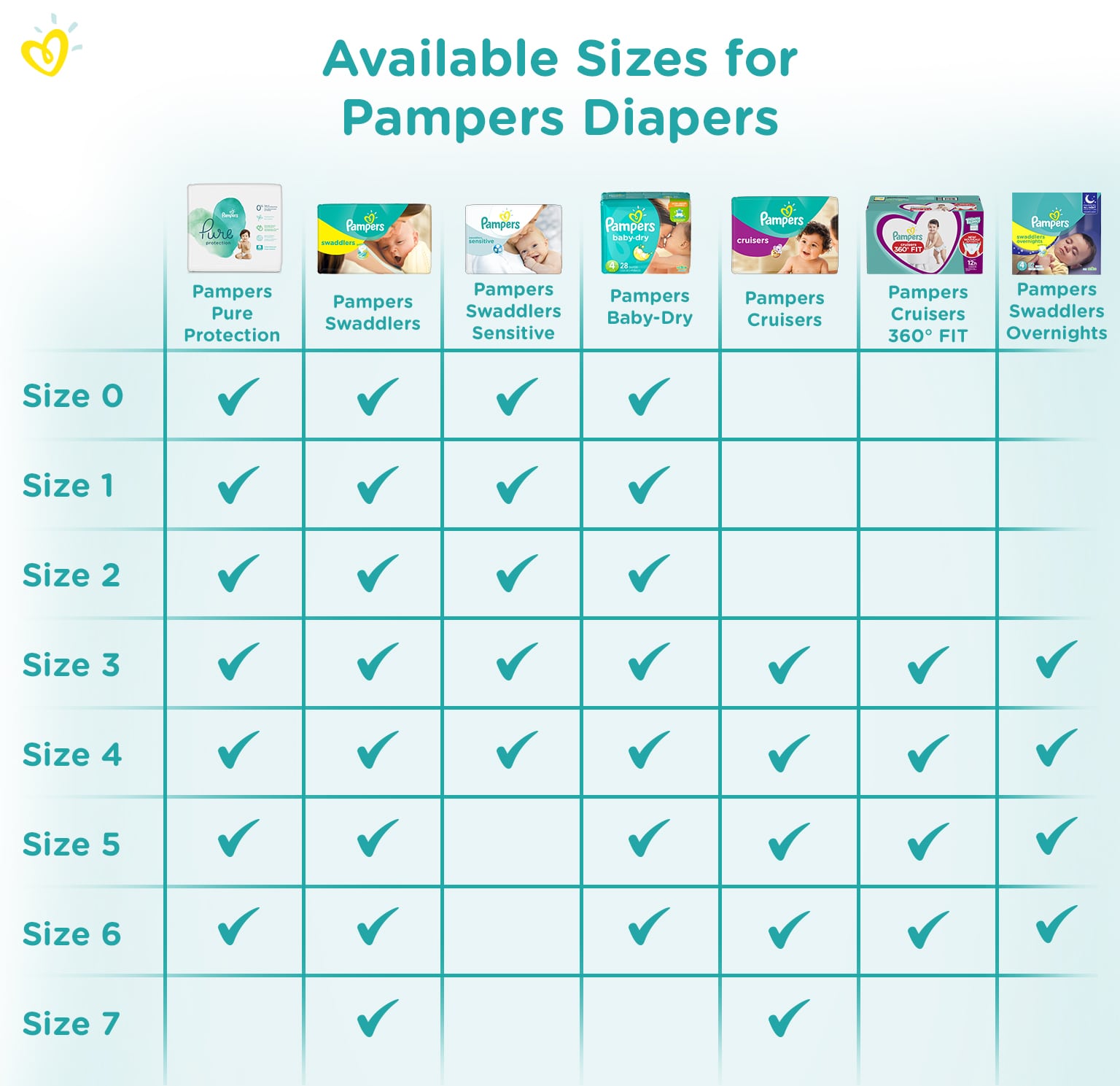
These charts provide a quick reference, offering a range of sizes and their corresponding weight and height recommendations. It's a simple tool, but one that can save you from the hassle of constantly guessing and ensuring your baby has the right-sized diaper. With various brands and types available, including cloth and disposable options, the diaper size chart is your go-to resource for an accurate fit.
Understanding the Diaper Size Chart: A Practical Overview
The diaper size chart is a handy tool for parents and caregivers, offering a quick reference guide to ensure your little one's diaper fits perfectly. This chart provides a simple way to match your baby's weight and waist size to the right diaper size, typically categorized by letters or numbers.
Comparing Diaper Size Standards and Formats
Diaper size charts can vary depending on the brand and region. While most follow a similar format, the specific weight and waist measurements may differ slightly. For instance, some brands might use a letter-based system (e.g., S, M, L), while others prefer a numerical approach (e.g., 1, 2, 3). Additionally, international standards may use different units, such as kilograms and centimeters, so it's essential to check the chart's origin.
Step-by-Step Guide to Using the Diaper Size Chart
Here's a simple process to determine the correct diaper size for your baby:
Weigh your baby: Use a reliable scale to get an accurate weight measurement.
Measure the waist: Place your baby on their back and use a soft measuring tape to get the waist circumference. Ensure the tape is snug but not tight.
Refer to the chart: Locate your baby's weight and waist size on the diaper size chart. The chart will guide you to the appropriate diaper size, usually indicated by a letter or number.
Choose the right diaper: Select diapers that match the size indicated on the chart.
Common Misreadings and How to Avoid Them
It's easy to misinterpret the diaper size chart, especially if you're new to parenting. Here are some common mistakes and how to avoid them:
Don't rely solely on age: While age can be a rough guide, it's not always accurate. Babies grow at different rates, so always check the weight and waist measurements.
Understand weight ranges: Diaper sizes often cover a range of weights. Ensure your baby's weight falls within the specified range for that size.
Consider growth spurts: If your baby is going through a growth spurt, their weight and size may change rapidly. Regularly check the chart to ensure you're still using the right size.
Factors Affecting Accuracy: Key Considerations
Several factors can impact the accuracy of the diaper size chart:
Cloth vs. disposable diapers: Cloth diapers often have different sizing standards, so ensure you're using the right chart.
Baby's build: Some babies have a stockier build, while others are longer and leaner. The chart provides a general guide, but individual variations may require some trial and error.
Manufacturer variations: Different diaper brands may have slightly different sizing standards, so always check the specific brand's chart.
Newborns and preemies: Newborn and preemie diaper sizes are critical, as these babies have unique needs. Ensure you're using the correct chart for their specific size.
Adapting the Diaper Size Chart for Your Needs
While most diaper size charts provide a general guide, you may need to adapt them for specific situations:
Premature babies: Preemie diaper sizes are essential for these tiny babies. Ensure you're using a chart designed for premature infants, as their sizes may differ significantly from full-term babies.
Mixed-age daycare: If you're caring for multiple children of different ages, you may need to refer to different charts or have a clear system to ensure each child gets the right size.
Overweight or underweight babies: If your baby is significantly above or below the average weight for their age, you may need to consult a healthcare professional for advice on the best diaper size.
Keeping Your Diaper Size Guide Reliable
To ensure your diaper size chart remains accurate and reliable:
Regularly update: As your baby grows, their size will change. Ensure you update your chart or refer to a newer version to account for these changes.
Check for updates: Manufacturers may update their sizing standards over time. Stay informed by checking for the latest charts or asking healthcare professionals or other parents for recommendations.
Keep a record: Consider keeping a record of your baby's weight and waist measurements. This can help you quickly identify when it's time to move up a size and ensure a perfect fit every time.
Well, that's a wrap on our diaper size chart guide! We've covered a lot of ground, from understanding the different standards to finding the right fit and avoiding common mistakes. Remember, when it comes to diaper sizing, exact details might differ slightly, so always refer to the brand's guidelines or consult a professional if needed.
If you found this guide helpful, why not explore more of our practical parenting resources? We've got plenty of other tips and tricks to share, so feel free to browse and discover something new!