





Weekly Planner With Notes Pages Overview
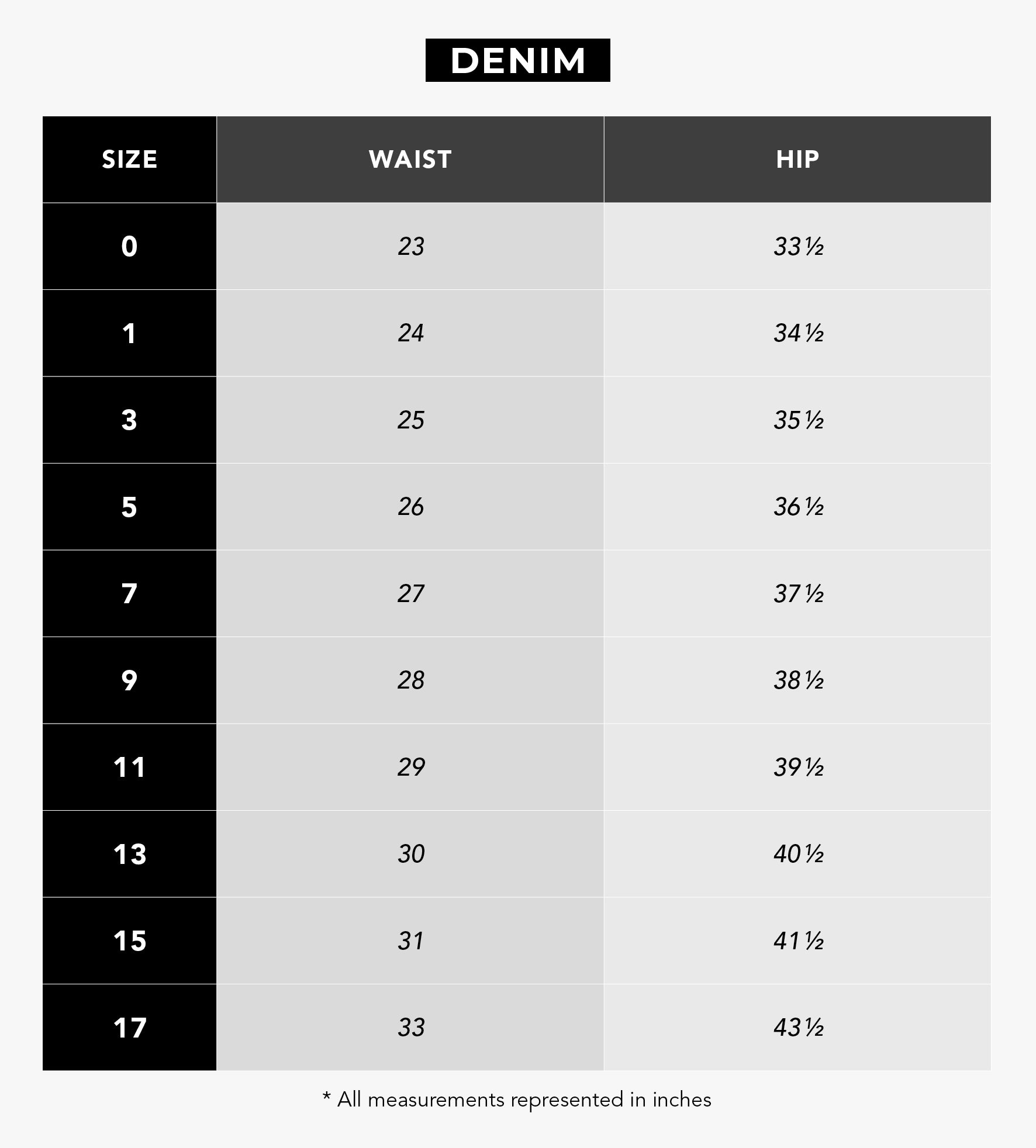
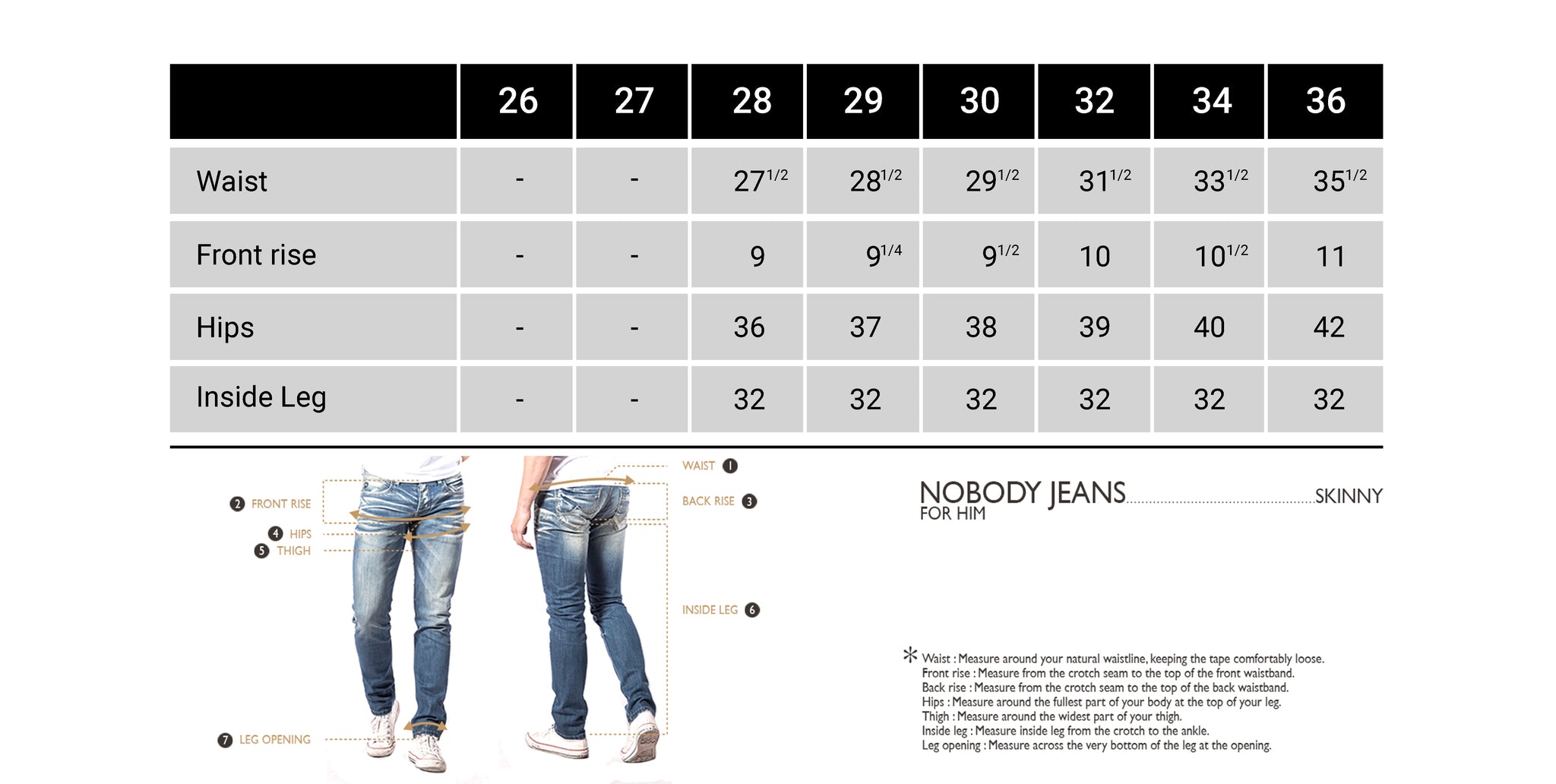
You've likely found yourself searching for a jean size chart at some point, whether it's to double-check a size before ordering online or to understand the measurements listed on a clothing tag. These charts are a handy tool, offering a quick reference for finding your perfect fit, and they can vary slightly depending on the brand and region. With a simple glance, you can navigate the world of denim sizing, ensuring you always get the right pair of jeans.
Understanding Size Charts: A Guide to Jean Sizing
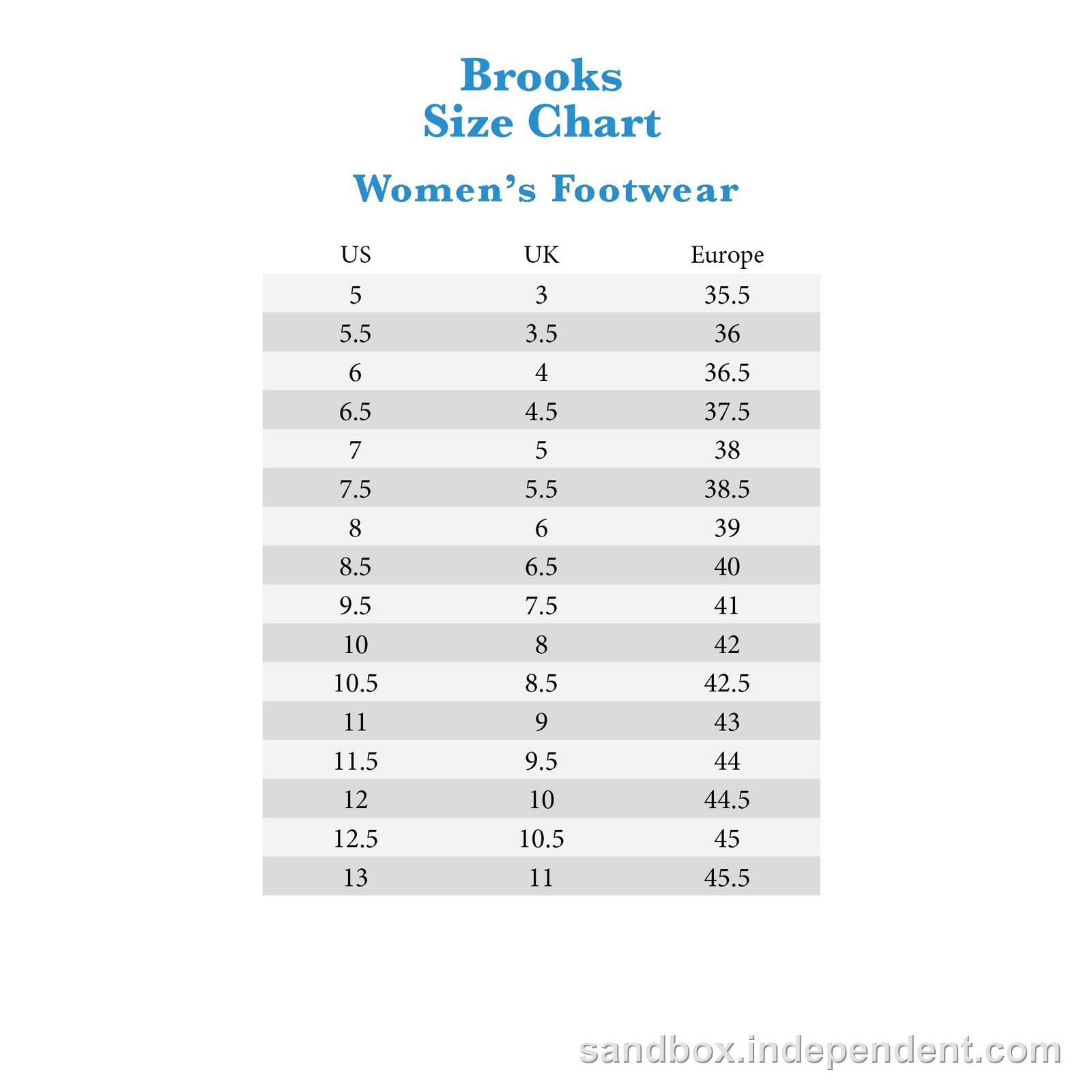
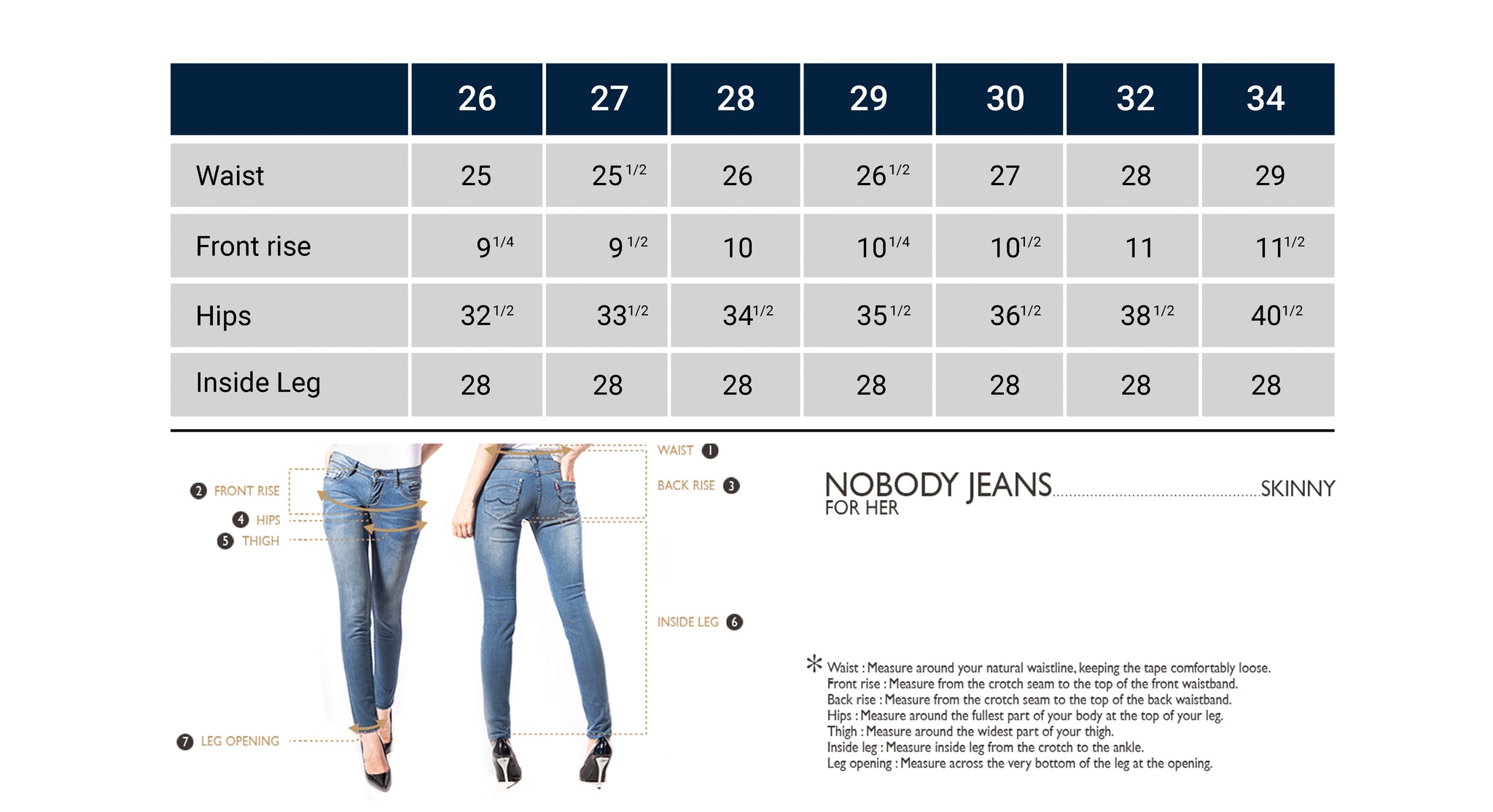
The jean size chart is a handy tool that simplifies the process of finding your perfect fit in denim. This chart provides a standardized way to determine your jean size, making it easier to shop for jeans, both in-store and online. It offers a quick reference for waist and hip measurements, ensuring you choose the right size for your body.
Comparing Standards and Formats
Jean size charts can vary depending on the region and manufacturer. The most common standards are the US and international (metric) systems, each with its own set of measurements and size labels. US sizes are often based on waist size, while international sizes may use a combination of waist and hip measurements. It's essential to know which standard a chart follows to ensure accurate sizing.
Step-by-Step Guide: Measuring for Jeans
To use a jean size chart accurately, follow these steps:
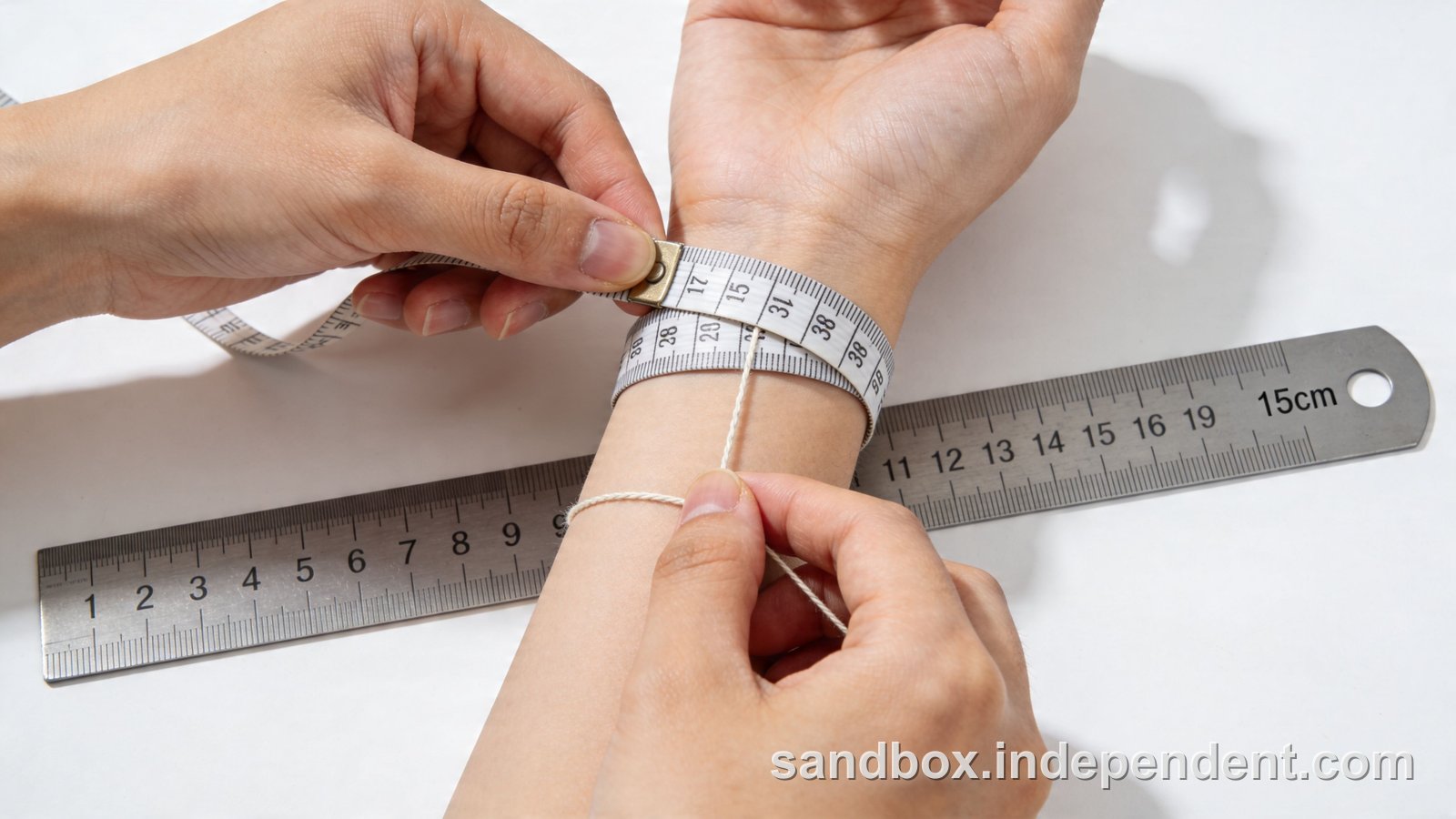
- Gather a measuring tape and stand in a comfortable position. Ensure the tape is straight and not twisted.
- Measure your waist at the narrowest point, usually just above your belly button. This is your waist size.
- Optionally, measure your hip at its widest point, typically around the hip bones. This measurement is crucial for a precise fit, especially for curvier figures.
- Refer to the jean size chart and locate your waist size. Some charts may also provide a hip size range for each waist size, ensuring a better fit.
- Choose the size that corresponds to your measurements. If your waist and hip measurements fall into different size categories, select the size that accommodates your hip measurement to ensure comfort and a flattering fit.
Avoiding Misreadings and Pitfalls
One common mistake is assuming all jean size charts are universal. Always check the standard and units used on the chart. For instance, a US size 8 may not align with an international size 8. Additionally, remember that jeans can stretch over time, so consider choosing a size that feels slightly snug initially.
Factors Affecting Accuracy
Several factors can influence the accuracy of a jean size chart. Firstly, body shape and proportions vary greatly, so a single chart may not cater to all body types. Secondly, denim fabric can stretch and shrink, especially with frequent wear and washing. To account for this, some charts provide a size range or suggest choosing a size down for a more tailored look. Lastly, manufacturing variations can lead to slight size discrepancies between brands. Always refer to the brand's size guide for specific tolerances.
Adapting the Chart for Your Needs
If you prefer a more tailored fit, consider using a pant size calculator or a detailed clothing size chart that considers multiple body measurements. These tools offer a precise fit by accounting for various body dimensions. Alternatively, for a quick and convenient option, stick to the standard jean size chart, which provides a good starting point for finding your size.
Well, there you have it! A comprehensive guide to jean sizes, covering all the bases and offering a practical solution for your sizing needs.
Remember, while this chart is a fantastic tool, it's always wise to double-check your specific requirements and context. Exact values can vary, so ensure you're using the right standards and measurements for your situation. With this guide, you're well-equipped to navigate the world of jean sizes confidently.
Consider bookmarking this page for future reference; it'll be a handy resource whenever you need to size up your denim game!
Related: Navigate Maui Tides with Ease
You've landed on this post because you're likely seeking a quick solution or some clarity on Maui's tide chart. It's a handy tool, a simple visual guide, that offers a snapshot of the ocean's tides and their timings. Whether you're planning a beach day, a fishing trip, or just need to know the tide heights, the Maui tide chart is your reliable companion. These charts can vary, offering different formats and details, but they all serve the same purpose: to provide an easy-to-read prediction of the ocean's tides.
Understanding Tide Patterns: A Guide to the Maui Tide Chart
The Maui tide chart is your go-to tool for predicting and understanding the ocean's movements around the Hawaiian island. It's like a secret code that reveals the rhythm of the tides, helping you plan your beach days, surfing adventures, or even fishing trips with precision.
Reading the Chart: Formats and Standards
Maui tide charts typically display two key pieces of information: the tide height and the time. The height is often shown in feet (ft) or meters (m), depending on the chart's standard. For example, a height of 2.5 ft indicates a relatively low tide, while 6 ft suggests a high tide. The time is usually in 24-hour format, so 14:00 is 2 pm. Some charts may also include additional info like the moon phase, which can influence tide patterns.
Step-by-Step: Using the Tide Chart Accurately
To make the most of your Maui tide chart, follow these simple steps:
- Identify the date and time you're interested in.
- Locate the corresponding time on the chart.
- Read the tide height for that time.
- Consider any additional info, like the moon phase, to get a fuller picture.
- Plan your activities accordingly!
For instance, if you're a surfer, you might prefer lower tides for certain breaks, while higher tides can create different wave conditions.
Common Misreadings and How to Avoid Them
It's easy to misinterpret a tide chart if you're not familiar with it. Here are some common mistakes and how to avoid them:
- Confusing tide height with water depth. Remember, the tide height is the vertical distance between the water's surface and a reference point, not the depth of the water.
- Assuming all charts are the same. Different charts may use different standards or units, so always check the labels and scales.
- Forgetting to account for time zones. If you're using a chart from a different region, ensure you convert the time to your local zone.
Key Factors Affecting Tide Variations
Several factors can cause variations in tide patterns, and understanding these can help you interpret your Maui tide chart more accurately:
- Ocean tides in Maui are influenced by the gravitational pull of the moon and sun.
- Local geography, such as bays, inlets, and reefs, can amplify or dampen tides.
- Weather conditions, especially strong winds, can affect water levels.
- Seasonal changes can lead to variations in tide heights and times.
- Human activities, like damming or dredging, can impact natural tide patterns.
By considering these factors and referring to your Maui tide chart, you'll be well-equipped to plan your activities around the island's dynamic tides.
Hey there, we hope you found this guide helpful and that it serves as a handy reference for your Maui adventures. Remember, the exact details of tide charts can vary slightly, so it's always a good idea to double-check and stay informed.
We've got more practical guides like this one, so feel free to explore and bookmark our site for future use. It's a great way to ensure you're prepared and can make the most of your time by the sea. Happy exploring!
Related: What's the deal with steak cuts chart?
You've got your steak cuts chart at hand, ready to navigate the world of beef cuts with ease. This handy reference tool is a lifesaver for any cooking enthusiast, offering a quick glance at the various cuts and their unique characteristics. The steak cuts chart provides a simple visual guide, ensuring you choose the right cut for your culinary creation. While formats may vary, the essence remains the same: a practical tool to elevate your steak game.
A Practical Guide to Understanding the Steak Cuts Chart
The steak cuts chart is your go-to reference for all things steak-related. It's a visual guide that helps you navigate the world of steak cuts, making it easier to choose the perfect cut for your culinary adventures. This chart is a valuable tool for both beginners and experienced cooks.
Comparing Steak Cuts: Standard Sizes and Popular Variations
The steak cuts chart typically displays different cuts of beef, organized by their names and standard sizes. You'll find classic cuts like ribeye, sirloin, and tenderloin, each with its own unique characteristics. These charts often follow regional or industry standards, so you might see variations in measurements or names depending on where you are. For instance, a ribeye steak can range from 1 to 1.5 inches thick, but some charts may specify a slightly different thickness.
How to Use the Steak Cuts Chart: A Step-by-Step Guide
Start by identifying the type of steak you want to cook. The chart will provide a visual representation of each cut, making it easy to recognize.
Check the thickness or weight of the steak. This information is crucial for cooking times and methods. Most charts will give a standard range, but always double-check the exact specifications on the package or with your butcher.
Consider the fat content and marbling. Some charts will indicate the amount of fat, which can impact the flavor and juiciness of your steak.
Choose the right cut for your cooking method. Different cuts are better suited for grilling, pan-searing, or slow cooking. The chart can guide you on which cuts work best for your preferred cooking style.
Avoiding Missteps: Common Pitfalls and How to Avoid Them
While the steak cuts chart is a fantastic resource, it's essential to be aware of potential variations. Always remember that charts might not cover every single cut or variation. For instance, some specialty butchers may offer unique cuts with different names or sizes. Additionally, cooking times and methods can vary based on personal preference and the specific cut's thickness. It's always a good idea to consult multiple sources or ask your butcher for advice to ensure you're getting the best cut for your needs.
Well, that's a wrap on our steak cuts chart adventure! We've covered a lot of ground, from understanding the different cuts to learning how to use our handy guide. Now you're equipped with the knowledge to make informed choices and impress your steak-loving friends.
Remember, while this chart is a great tool, it's always wise to double-check the specifics for your region or personal preferences. Exact values might vary, so it's good to be aware of any local standards or your own unique requirements. Consider bookmarking this page for future steak adventures—it'll be a lifesaver when you need a quick refresh!