


Weight Chart Yarn Black And White Overview
Many people overlook the importance of a simple boot size chart, assuming it's just a basic guide. But, it's a common pitfall to think that one size fits all, and this is where the chart becomes crucial. A boot size chart is your go-to tool, offering a quick and accurate way to find your perfect fit. It's not just about shoe size; it considers foot measurements and provides a reliable reference for various brands and international sizing standards.
Boot Size Chart Explained
A boot size chart is your go-to guide for finding the perfect fit for your feet. It's a handy tool that helps you understand the standard sizing systems used for boots, ensuring you get the right size every time. These charts are especially useful when shopping online or comparing different brands, as they provide a consistent reference point.
Understanding the Key Details
Before diving into the chart, let's cover some basics. Boot size charts typically display two key measurements: length and width. Length is measured in either centimeters (cm) or US sizes, and it represents the overall size of your foot. Width, on the other hand, is often indicated by letters (e.g., A, B, C) or a scale (e.g., narrow, medium, wide). It's important to note that the width scale may vary slightly between brands, so always check the specific chart for clarity.
How to Read and Use the Boot Size Chart
Using a boot size chart is straightforward:
Measure your foot length: Take an accurate measurement of your foot, following the guidelines provided on the chart. This ensures you get the right length.
Find your length category: Locate your foot length on the chart. It will typically be divided into categories, such as men's, women's, and kids' sizes, with corresponding length ranges.
Check the width: Once you've identified your length category, look for the width options available within that range. Choose the width that best suits your foot shape and comfort preferences.
Convert if needed: If the chart uses a different sizing system than you're familiar with, don't worry! Most charts provide conversion guides, allowing you to easily translate between US, UK, and EU sizes, or even cm to US size conversions.
Variations and Differences
One of the challenges with boot size charts is the variation between different standards and brands. While many brands adhere to international sizing standards, some may have slightly different measurements or use unique width scales. This is especially true for specialty boots, like hiking or skiing boots, which may have unique fit requirements. Always double-check the specific brand's sizing guide to ensure an accurate fit.
Common Mistakes and How to Avoid Them
A common mistake is assuming that all boot size charts are the same. Different charts may have slight variations, so always refer to the chart provided by the brand or retailer you're purchasing from. Another pitfall is relying solely on your usual shoe size. Boot sizes can vary, so it's best to measure your foot each time to ensure an accurate fit. Lastly, don't forget to consider the width! A boot that's too narrow or wide can cause discomfort and affect your overall experience.
Tips for Accurate Measurements and Best Practices
To ensure the most accurate results when using a boot size chart, consider these tips:
Measure your foot at the end of the day when it's slightly swollen, as this is often the time when your feet are at their largest.
If you're between sizes, err on the side of a slightly larger size. A tight fit can be uncomfortable and restrict blood flow, while a slightly larger size can be adjusted with the right sock thickness.
When trying on boots, wear the same type of socks you plan to wear with them. This ensures a true representation of the fit.
Consider the type of boot and its intended use. Some boots, like work boots, may require a different fit than casual boots, so be mindful of the activity and choose accordingly.
Remember, while boot size charts are a valuable tool, they are just a guide. Always trust your comfort and fit preferences, and don't hesitate to seek advice from experts or customer support if you need further assistance. Happy shopping and happy trails!
Well, there you have it! A boot size chart is a handy tool, but remember, it's a guide, and exact values may differ slightly between standards. Always double-check your specific needs and the manufacturer's guidelines to ensure a perfect fit.
This chart is a quick reference, so bookmark this page, and you'll always have it at your fingertips when you need to find the right boot size. Happy measuring, and may your feet always be comfortable!
Related: How to Read a Cap Size Chart?
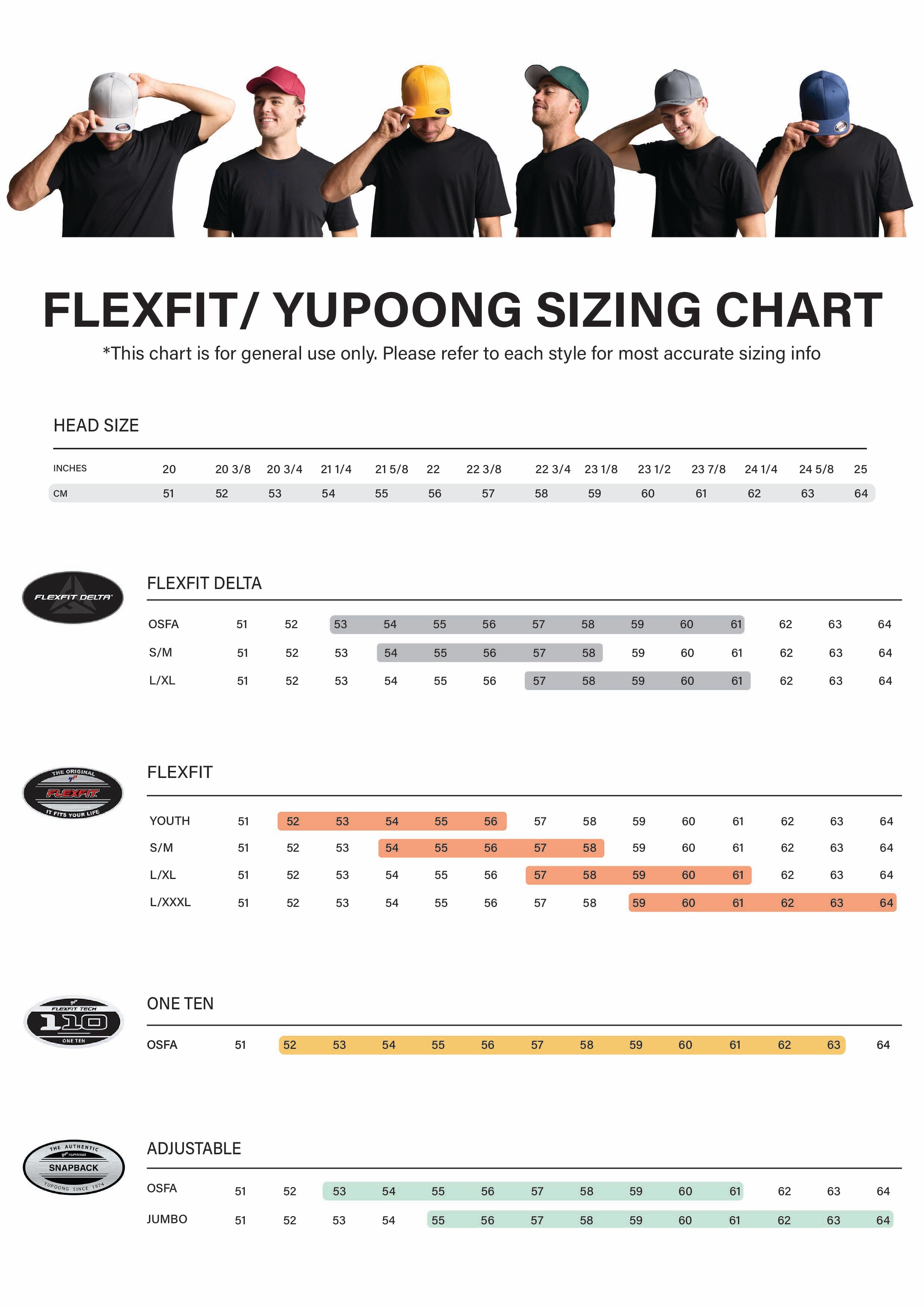
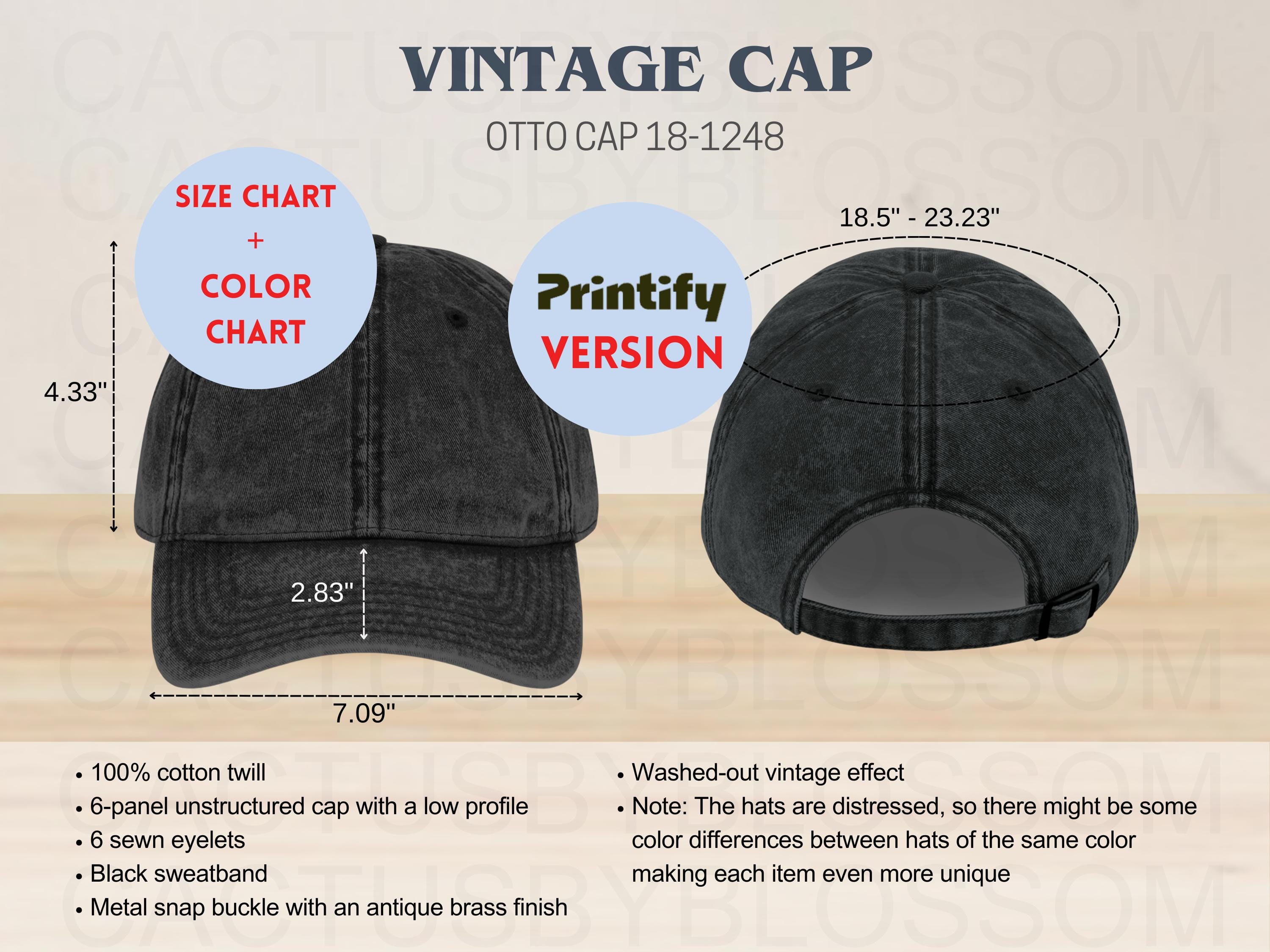
You're probably here because you need a quick fix, a simple solution to a sizing dilemma. Well, you've come to the right place! The cap size chart is your handy tool, a quick reference guide to ensure you get the perfect fit every time. It's a straightforward way to measure and match your head size to the right cap, and it's a lifesaver when you're in a rush or shopping online. This chart offers a simple solution, and it's worth familiarizing yourself with, especially if you want to avoid those pesky sizing mistakes!
Understanding the Chart: A Quick Overview
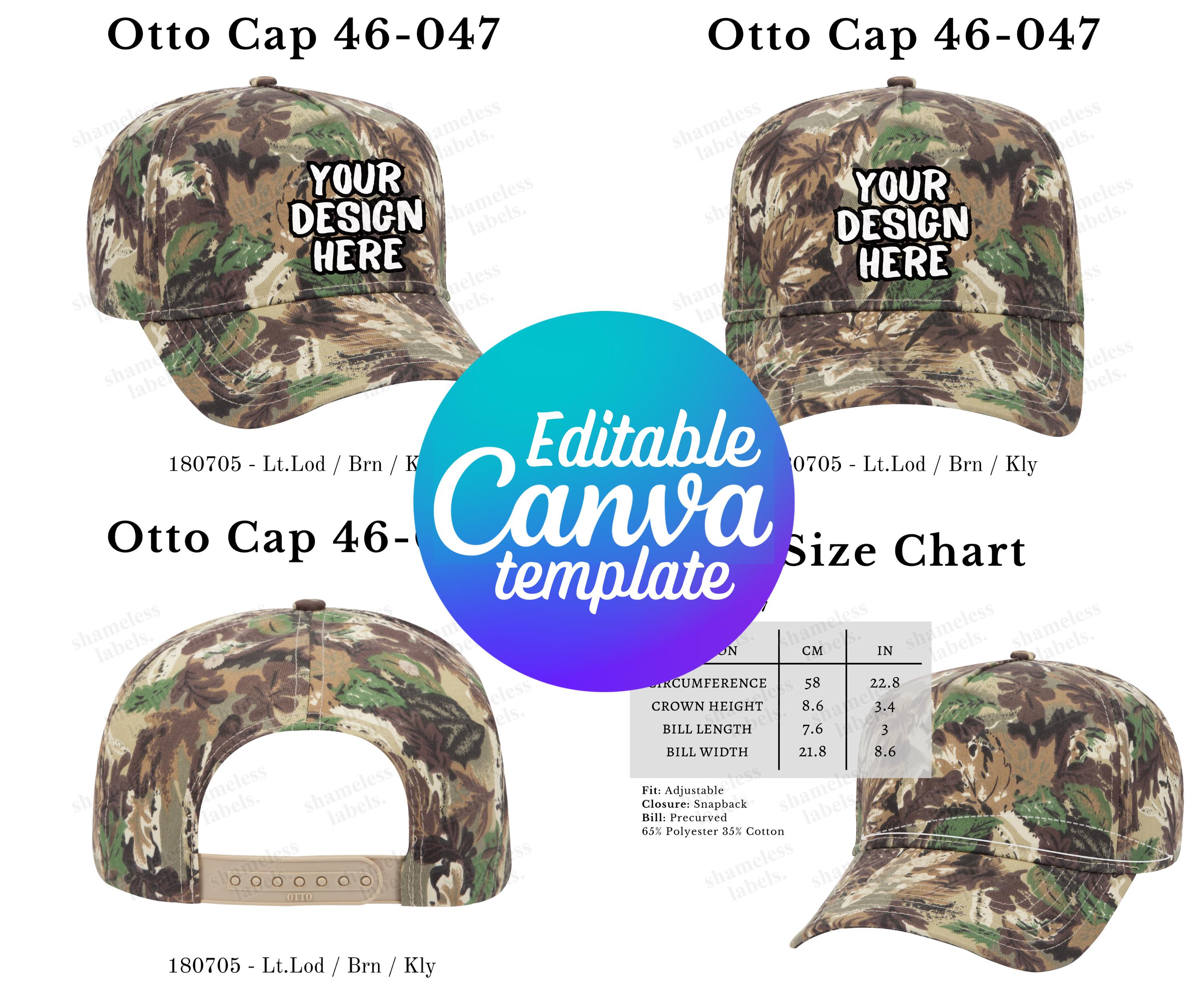
The cap size chart is a handy tool that helps you find the perfect fit for your headwear. It's a simple guide, often presented as a table or diagram, that matches your head measurements to the right cap size. This chart ensures your caps are neither too tight nor too loose, providing a comfortable and secure fit.
Comparing Common Cap Sizes and Standards
Cap size charts typically use two main standards: metric and imperial measurements. The metric system is widely used internationally and offers precise measurements in centimeters. On the other hand, the imperial system, common in the US, uses inches. These standards determine the cap circumference, which is the key measurement for finding your ideal cap size.
Step-by-Step Guide to Using the Cap Size Chart
Measure your head circumference: Take a flexible tape measure and wrap it around your head, just above your ears and across your forehead. Ensure it's not too tight or too loose. Note down the measurement in either centimeters or inches, depending on your preference or the chart's standard.
Refer to the cap size chart: Look for the column or row that corresponds to your head circumference measurement. The chart will provide you with a recommended cap size based on this measurement.
Adjust for comfort: While the chart offers a guide, personal preference plays a role. If you prefer a looser fit, consider going up a size. For a snugger fit, especially for activewear, you might want to choose a slightly smaller size.
Check the hat sizing chart: Some charts provide additional information, such as hat sizing. This can be useful if you're looking for a specific hat style and want to ensure it fits well.
Avoiding Common Misreadings and Pitfalls
It's important to remember that the cap size chart is a guide, and individual preferences may vary. While it provides a reliable starting point, you might need to make slight adjustments to find your perfect fit. Always double-check the chart's measurements and ensure they align with your head size guide. If you're between sizes, consider trying both and choosing the one that feels most comfortable.
Key Factors Affecting Accuracy and Real-World Use
Several factors can influence the accuracy of the cap size chart. Firstly, the chart's measurements may vary slightly depending on the manufacturer and the intended use of the cap. For instance, a baseball cap might have different sizing standards compared to a beanie. Additionally, personal factors like hair volume and style can impact the fit. If you have thick hair or a hairstyle that adds volume, you might need to adjust the size accordingly. Always consider these factors and refer to the specific cap's instructions or sizing guidelines for the most accurate fit.
Well, that's a wrap on our cap size chart adventure! We've covered a lot of ground, from understanding the different options to nailing down the key steps for accurate measurements.
Remember, when it comes to getting the right fit, always double-check your specific needs and the guidelines for your chosen standard or source. Exact values can vary slightly, so it's good to be aware of that.
Consider bookmarking this page for future reference; it's a handy tool to have at your fingertips when you need it most!
Related: Need a Hair Color Guide? Use Our Simple Chart
Many people approach hair colors charts with a bit of trepidation, assuming they are complex and confusing. But fear not! These charts are your friends and can be incredibly useful tools.
They provide a simple, visual way to understand and choose hair colors. While the specific values and formats may vary, the hair colors chart remains a reliable guide, offering a clear path to achieving your desired hair color. Think of it as a map, leading you to your perfect shade, with the color wheel and hair color levels acting as your compass.
Hair Colors Chart: A Visual Guide to Hair Dye Shades
The hair colors chart is a handy reference tool for anyone looking to experiment with hair dye. It's a visual representation of different hair colors, shades, and tones, helping you choose and understand the various options available. This chart is a great starting point for anyone new to hair coloring or those seeking a specific shade.
Key Details and Categories
The hair color guide typically features a range of colors, organized into sections or families. You'll often find categories like "blonde," "brunette," "red," and "black," with further subdivisions for specific shades. Each color is usually represented by a swatch or a small square, showing the exact shade. Additionally, the chart may include a color wheel or a visual representation of color theory, which helps understand the relationships between colors.
Reading and Applying the Chart
To use the hair colors chart, start by identifying the color family you're interested in. Let's say you're looking for a specific shade of brown. Locate the "brunette" section and explore the various shades within. Each shade will have a unique code or number, which represents the specific formulation of that color. These codes are essential when purchasing hair dye, as they ensure you get the exact shade you want.
Here's a step-by-step guide:
- Identify the color family.
- Locate the specific shade you desire.
- Note the corresponding code or number.
- Use this code when purchasing hair dye to ensure an accurate match.
Variations and Differences
It's important to note that hair color charts may vary depending on the brand or manufacturer. Different companies may use slightly different shades or numbering systems. Additionally, the way hair reacts to dye can vary based on individual hair types and previous coloring treatments. Here are some key factors that can cause variations:
- Tone and depth: Hair color can appear different depending on the natural tone and depth of your hair.
- Previous coloring: If your hair has been dyed before, the new color may interact with the existing dye, resulting in a unique outcome.
- Hair type: The porosity and texture of your hair can affect how it absorbs and holds color.
- Environmental factors: Sun exposure and water quality can impact the longevity and vibrancy of your hair color.
When using a hair color chart, it's always a good idea to consult with a professional stylist, especially if you're aiming for a specific look or have unique hair characteristics. They can guide you towards the best shade and provide tips for achieving and maintaining your desired hair color.
Hey there! So, we've covered a lot of ground with this hair color chart, and I hope it's given you a clear picture of what you need to know. Remember, these charts are a great starting point, but exact details can differ slightly, so it's always good to double-check.
Feel free to explore our other guides; we've got plenty of practical tips and tricks to help you navigate the world of hair care and styling. Happy coloring!