Weld Symbol Chart Free Printable Overview
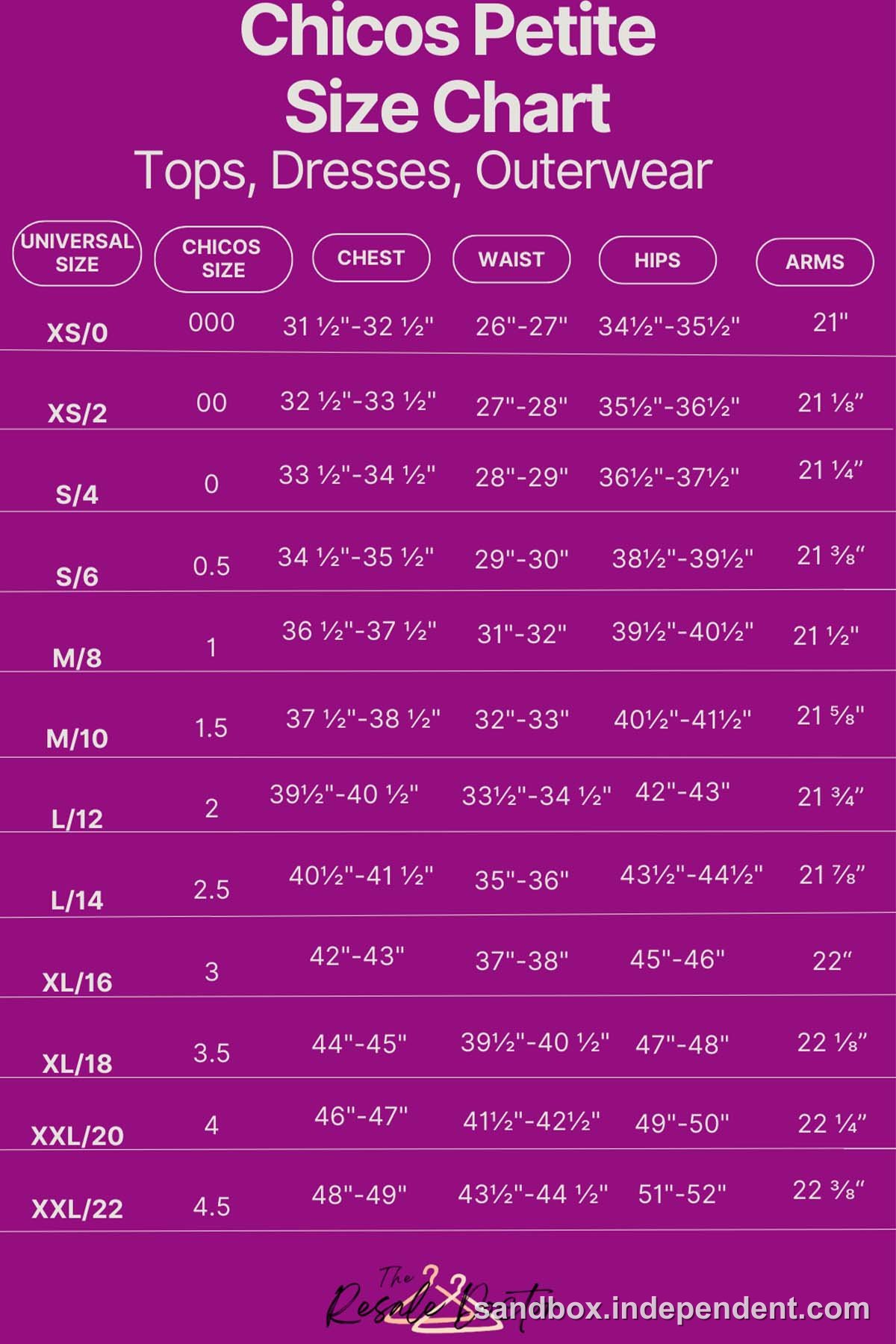
Frustrated by the endless search for the right size? You're not alone. That's why having a reliable ae size chart at your fingertips can be a game-changer. It's a simple yet effective tool, offering a quick solution to a common dilemma. This chart provides a clear and concise guide, helping you navigate the world of apparel sizing with ease. Whether you're an online shopper or prefer in-store browsing, understanding ae size charts and apparel size guides is key to ensuring a perfect fit every time.
Understanding the AE Size Chart: A Quick Overview
The ae size chart is a handy tool for anyone shopping for apparel, especially online. It provides a standardized guide to help you choose the right size for your body measurements. This chart is particularly useful for the AE (American Eagle) brand, ensuring a perfect fit for their clothing range.
Comparing Size Chart Standards and Formats
Size charts can vary depending on the brand and region. The AE size chart follows the US sizing standard, which is different from international or metric sizing. It's important to note that even within the US, some brands may have slightly different size guides, so always refer to the specific brand's chart for accuracy.
Step-by-Step Guide to Using the AE Size Chart
Using the AE size chart is straightforward:
Take your body measurements: bust, waist, and hip. These are the key measurements for most apparel items. Ensure you measure accurately and consistently.
Locate your measurements on the chart. The chart will typically have a column for each measurement type (bust, waist, hip) and rows for different sizes.
Find the size where your measurements intersect. For example, if your bust measurement corresponds to a size 6 and your waist and hip measurements align with size 8, you might want to opt for a size 8 to ensure a comfortable fit.
Consider the garment type. Different clothing items may fit differently, so always check the product description for any specific fitting notes or recommendations.
If you're still unsure, refer to the brand's size guide, which often provides additional fitting tips and advice.
Common Misreadings and How to Avoid Them
One common mistake is assuming that all brands use the same size chart. Always double-check the brand's specific size guide, as even within the US, there can be slight variations.
Another pitfall is relying solely on your usual size without considering your actual measurements. Remember, size charts are guidelines, and your body measurements are unique. Always measure yourself and refer to the chart for the best fit.
Factors Affecting Accuracy and Real-World Use
Several factors can impact the accuracy of size charts and your real-world experience:
Fabric type and stretchiness: Some fabrics have more give, so a garment might fit differently depending on the material.
Style and cut: Different clothing styles can have varying fits, even within the same size. For example, a loose-fit top might feel more comfortable than a fitted one, even if they are the same size.
Personal preference: Some people prefer a tighter or looser fit. Consider your personal style and comfort when choosing a size.
Body shape variations: Size charts provide a general guide, but everyone's body is unique. If you have a unique body shape, you might need to size up or down to achieve the desired fit.
Remember, the ae size chart is a helpful tool, but it's not an exact science. Always trust your measurements and consider the specific garment's style and fabric when making your size choice.
Well, there you have it! A quick and easy guide to navigating the world of AE size charts. Remember, these charts are a handy tool, but it's always wise to double-check the specific context and requirements for your project.
Consider bookmarking this page for future reference; it's a simple way to ensure you always have the right information at your fingertips. Happy measuring, and may your creations fit perfectly!
Related: How to read a nail size chart?
Many people approach the nail size chart with confusion, assuming it's a complex tool reserved for professionals. In reality, this chart is a simple and essential guide, offering a clear reference for anyone working with nails, be it for construction or crafting. It provides a straightforward way to understand nail dimensions, with values that can vary depending on your region and the specific standards you follow.
Understanding the Chart: A Practical Guide
The nail size chart is a valuable tool for anyone working with nails, offering a quick reference guide to standard nail lengths and diameters. It provides a visual representation of common nail types, helping you choose the right nail for your project. This chart is an essential resource for ensuring accuracy and efficiency in your work.
Comparing Standards and Formats
Nail size charts can vary depending on the standard being followed. The most common standards are the imperial and metric systems, which use different units of measurement. Imperial charts typically display nail sizes in inches or fractions of an inch, while metric charts use millimeters. It's crucial to select the appropriate chart based on your region and project requirements.
Step-by-Step Guide to Using the Chart
To utilize the nail size chart effectively, follow these simple steps:
- Identify the nail type you need. Different nails are designed for specific purposes, such as framing, finishing, or roofing.
- Locate the relevant section on the chart. Nail types are often categorized based on their intended use.
- Determine the desired length and diameter. The chart provides a range of options, allowing you to choose the most suitable nail size.
- Select the appropriate gauge or diameter. Nail gauges are numbered, with lower numbers indicating larger diameters.
- Cross-reference the length and gauge to find the perfect match. The chart will provide a clear indication of the nail's size and its corresponding code or description.
Avoiding Misreadings and Pitfalls
While the nail size chart is straightforward, there are a few potential pitfalls to avoid:
- Ensure you are using the correct standard. Imperial and metric charts are not interchangeable, so double-check your region's standard.
- Pay attention to the gauge numbers. Lower gauge numbers mean larger diameters, so don't mistake them for smaller sizes.
- Be aware of tolerances. Nail sizes may have slight variations, so always refer to the specific manufacturer's specifications for precise measurements.
Factors Affecting Accuracy
Several factors can influence the accuracy of your nail size selection:
- Material: Different materials, such as wood or metal, may require specific nail sizes.
- Project requirements: Consider the strength and holding power needed for your project.
- Head style: Nail heads come in various shapes, and the right head style can impact the overall nail size.
- Coating and treatment: Nails with coatings or treatments, like galvanization, may have slightly different dimensions.
Adapting the Chart for Specific Needs
While the nail size chart provides a comprehensive guide, there may be instances where you need to adapt it for your unique requirements. In such cases:
- Consult manufacturer-specific charts or guidelines. Some manufacturers offer detailed charts for their nail products, ensuring precise sizing.
- Consider custom-sized nails. If your project demands non-standard nail sizes, you can explore custom options with specialized manufacturers.
- Seek expert advice. For complex projects or specific industry needs, consulting with professionals can ensure you select the right nail sizes.
Remember, while these charts provide a helpful reference, the exact details can vary slightly, so it's always good to double-check the specific standards or sources you're working with. We've got plenty more guides to explore, so feel free to browse around and find the perfect resource for your next project. Happy nailing!
Related: Uncover the Perfect Beard Length Chart
A beard length chart is a handy tool for anyone wanting to navigate the world of facial hair with precision. This guide will provide an overview of these charts, explaining their purpose and how they can assist in achieving the desired beard style.
They offer a visual representation, often with measurements, to help individuals understand and communicate their preferred beard length. Whether you're aiming for a specific beard growth stage or seeking a particular style, these charts provide a reliable reference, ensuring you get the look you want.
Understanding Beard Length Charts
A beard length chart is a valuable tool for those looking to achieve and maintain their desired facial hair style. It provides a visual guide to help you understand and measure the length of your beard, offering a practical reference for trimming and styling.
Key Details and Categories
The chart typically displays different beard lengths, often categorized into stages or styles. These categories may include terms like "stubble," "medium," and "full beard," each representing a specific range of lengths. The units used are usually inches or centimeters, depending on the standard followed. It's essential to know your preferred unit of measurement to accurately interpret the chart.
Reading and Applying the Beard Length Chart
To use the beard length chart, follow these steps:
- Identify your current beard growth stage. Examine your facial hair and determine if it falls into the stubble, short, medium, or long category.
- Measure your beard length. Use a ruler or measuring tape to get an accurate reading. Ensure you measure from the same point on your face each time for consistency.
- Compare your measurement to the chart. Find the category that matches your beard length and refer to the corresponding style or stage.
- Trim and style accordingly. Use the chart as a guide to achieve the desired length and shape. Remember, it's a reference, so adjust as needed to suit your face shape and personal preference.
Variations and Differences
It's important to note that beard length charts may vary depending on the standard or source. Common styles and categories may differ slightly, and the exact measurements can vary between charts. Additionally, individual factors like face shape, hair texture, and personal preference can influence how you interpret and apply the chart. Here are some key factors to consider:
- Beard growth stages: Everyone's facial hair grows at a different rate, so your experience may vary from the chart's timeline.
- Facial hair length guide: Some charts provide more detailed guides, offering precise measurements for various lengths.
- Standard beard lengths: These can differ between regions and cultures, so be mindful of the standard being referenced.
- Beard style chart: This can offer a more comprehensive view of different styles and their associated lengths.
- Beard growth timeline: Remember that growth rates can vary, so use the timeline as a general guide.
When using a beard length chart, always refer to the specific standard or source to ensure accuracy. While charts provide a helpful framework, they may not cover every unique situation. Trust your judgment and adjust as needed to achieve your desired look.
While the chart provides a handy reference, it's important to remember that these measurements are not set in stone. Exact details may vary slightly depending on the context and the individual's unique facial features.
Feel free to bookmark this page for future use. We have many other practical guides and charts to explore, so be sure to check them out for more helpful tips and tricks!