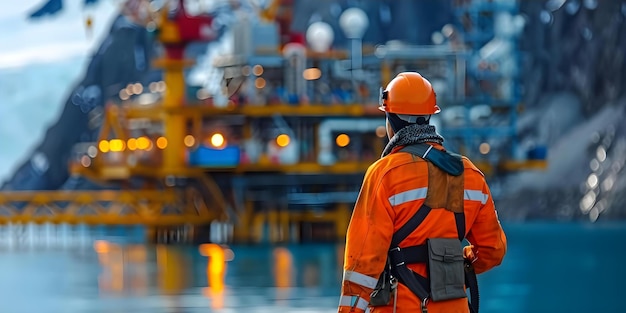
The discovery of offshore oil reserves has significantly contributed to the global energy supply, but it also comes with a unique set of challenges and risks. Offshore oil platforms, which are used for the extraction and processing of oil and natural gas, pose significant environmental, safety, and health risks. These risks are not only limited to the workers on the platform but also to the surrounding marine ecosystem and the global community.
Environmental Risks
Offshore oil platforms are situated in harsh marine environments, where the risk of accidents is higher due to the proximity to water and the complexities of drilling operations. One of the most significant environmental risks associated with offshore oil platforms is oil spills. These spills can occur due to equipment failure, human error, or natural disasters, and they have devastating effects on marine life. The oil spill can contaminate the water and soil, leading to the death of marine animals and plants, and disrupting the entire ecosystem.
Environmental risks associated with offshore oil platforms are a major concern. The impact of oil spills on marine life can be catastrophic, and the cleanup process can be challenging and costly.
Safety Risks
Offshore oil platforms are hazardous workplaces, and workers are exposed to a variety of safety risks. Some of the common safety risks include:
- Explosions and Fires: The presence of flammable materials and electrical equipment on the platform increases the risk of explosions and fires.
- Falls: The platform’s elevation and the presence of open decks and stairs increase the risk of falls.
- Equipment Failure: The failure of drilling equipment or other machinery can lead to accidents and injuries.
- Weather Conditions: Offshore oil platforms are exposed to harsh weather conditions, including strong winds, heavy rains, and extreme temperatures.
Steps to Mitigate Safety Risks
- Regular maintenance of equipment to prevent failure
- Implementation of safety protocols and emergency response plans
- Provision of personal protective equipment (PPE) to workers
- Conducting regular safety training and drills
Health Risks
Workers on offshore oil platforms are also exposed to various health risks, including:
- Physical Health Risks: The physical demands of working on an offshore oil platform can lead to injuries and illnesses, such as musculoskeletal disorders and respiratory problems.
- Mental Health Risks: The isolation and confinement of working on an offshore oil platform can lead to mental health issues, such as depression and anxiety.
- Exposure to Hazardous Substances: Workers may be exposed to hazardous substances, such as chemicals and heavy metals, which can have serious health consequences.
Pros and Cons of Offshore Oil Platforms
| Pros | Cons |
|---|---|
| Contribution to global energy supply | Environmental risks, including oil spills |
| Creation of jobs and economic benefits | Safety risks, including explosions and fires |
| Technological advancements and innovation | Health risks, including physical and mental health issues |
Safety Solutions
To mitigate the risks associated with offshore oil platforms, several safety solutions can be implemented, including:
- Regular Maintenance: Regular maintenance of equipment can help prevent failures and reduce the risk of accidents.
- Safety Protocols: Implementation of safety protocols and emergency response plans can help minimize the impact of accidents.
- Worker Training: Providing workers with regular safety training and drills can help them respond to emergencies and prevent accidents.
- Personal Protective Equipment (PPE): Provision of PPE to workers can help protect them from physical and health risks.
- Technological Advancements: The use of technological advancements, such as automation and robotics, can help reduce the risk of accidents and improve safety.
What are the main environmental risks associated with offshore oil platforms?
+The main environmental risks associated with offshore oil platforms are oil spills, which can contaminate the water and soil, leading to the death of marine animals and plants.
What are the common safety risks associated with offshore oil platforms?
+The common safety risks associated with offshore oil platforms include explosions and fires, falls, equipment failure, and harsh weather conditions.
How can the risks associated with offshore oil platforms be mitigated?
+The risks associated with offshore oil platforms can be mitigated by implementing safety protocols and emergency response plans, providing regular safety training and drills, and using technological advancements.
In conclusion, offshore oil platforms pose significant environmental, safety, and health risks. However, these risks can be mitigated by implementing safety solutions, such as regular maintenance, safety protocols, worker training, and technological advancements. It is essential to prioritize the safety of workers and the environment to ensure the responsible extraction and processing of oil and natural gas from offshore reserves.