Pop-up events have become increasingly popular in recent years, offering a unique and exciting way for businesses, organizations, and individuals to connect with their target audience. But what exactly are pop-up events, and how can you host a successful one? In this article, we’ll delve into the world of pop-up events, exploring their definition, benefits, and the secrets to hosting a memorable and effective experience.
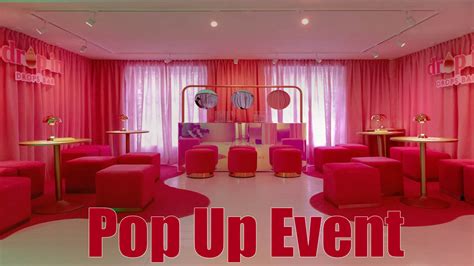
To start, let’s define what a pop-up event is. A pop-up event is a temporary event or activation that takes place in a unique, often unconventional location, such as a vacant storefront, park, or other public space. These events can take many forms, including product launches, art exhibitions, concerts, workshops, and more. The key characteristic of a pop-up event is its ephemeral nature, typically lasting from a few hours to a few days.
One of the primary benefits of hosting a pop-up event is the ability to create a unique and engaging experience for attendees. By taking over a non-traditional space, you can craft an immersive environment that reflects your brand or theme, allowing guests to interact with your product or message in a memorable way. Pop-up events also offer a level of exclusivity, as they are often limited-time experiences that encourage attendees to share their experiences on social media, generating buzz and word-of-mouth marketing.
Now, let’s explore some secrets to hosting a successful pop-up event:
Define Your Objective: Before planning your pop-up event, clearly define its purpose and objectives. What do you want to achieve? Is it to launch a new product, build brand awareness, or drive sales? Having a clear understanding of your goals will help guide your decisions and ensure a focused execution.
Choose the Right Location: The location of your pop-up event can make or break its success. Consider factors such as foot traffic, accessibility, and the target audience’s demographics. Ensure that the location aligns with your brand and event theme, and that it provides the necessary infrastructure and amenities.
Create an Immersive Experience: A successful pop-up event should be an immersive experience that engages attendees on multiple levels. Consider incorporating interactive elements, such as workshops, demos, or installations, to encourage participation and create memorable moments.
Promote Your Event Effectively: To attract attendees, you need to promote your pop-up event effectively. Utilize social media, email marketing, and influencer partnerships to create buzz and generate interest. Consider offering exclusive promotions or incentives to encourage attendees to share the event with their networks.
Measure and Evaluate: After the event, it’s essential to measure and evaluate its success. Track attendance numbers, engagement metrics, and sales or lead generation. Use this data to refine your strategy and improve future events.
What is the average cost of hosting a pop-up event?
+The average cost of hosting a pop-up event can vary widely, depending on factors such as location, size, and complexity. However, a rough estimate for a small-scale pop-up event can range from $5,000 to $20,000, while larger events can cost $50,000 or more.
How do I choose the right vendors for my pop-up event?
+When selecting vendors for your pop-up event, consider factors such as their experience, reputation, and pricing. Research potential vendors, read reviews, and ask for referrals to ensure you're working with reliable and skilled professionals.
What are some common mistakes to avoid when hosting a pop-up event?
+Common mistakes to avoid when hosting a pop-up event include poor planning, inadequate marketing, and insufficient staffing. Ensure you have a clear plan, budget, and timeline, and that you're prepared for unexpected challenges and contingencies.
In conclusion, hosting a successful pop-up event requires careful planning, creativity, and attention to detail. By defining your objectives, choosing the right location, creating an immersive experience, promoting your event effectively, and measuring its success, you can create a memorable and engaging experience that resonates with your target audience. Remember to stay flexible, be prepared for unexpected challenges, and continually evaluate and improve your strategy to ensure the success of your pop-up event.
As the world of pop-up events continues to evolve, it’s essential to stay ahead of the curve and adapt to changing trends and consumer behaviors. By embracing creativity, innovation, and experimentation, you can create pop-up events that inspire, educate, and delight your audience, ultimately driving business growth and success. Whether you’re a seasoned event planner or just starting out, the world of pop-up events offers endless opportunities for creativity, connection, and experimentation. So why not take the leap and create your own pop-up event experience? The possibilities are endless, and the rewards can be substantial.