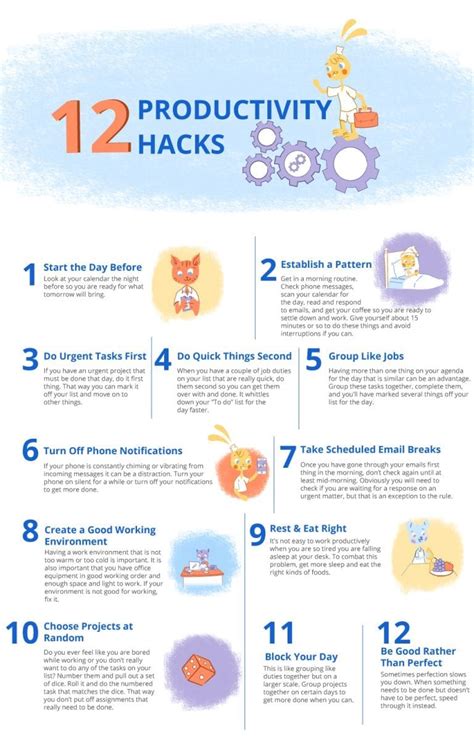
In the realm of personal productivity, few tools have gained as much widespread acclaim as the humble “to-do list.” This simple yet powerful tool has been a cornerstone of time management strategies for decades, helping individuals from all walks of life achieve their goals and tackle their daily tasks with greater ease and efficiency. But what exactly are to-do lists, and how can they be leveraged to maximize productivity?
At its core, a to-do list is a written record of tasks that need to be completed. It can take many forms, from a handwritten note on a sticky pad to a sophisticated digital application on a smartphone. The basic premise, however, remains the same: by writing down the tasks you need to accomplish, you create a clear plan of action that helps guide your efforts and ensure that important responsibilities are not overlooked.
One of the primary benefits of using a to-do list is its ability to help individuals prioritize their tasks. By listing out everything that needs to be done, it becomes easier to identify which tasks are most critical and should be tackled first. This is particularly useful in situations where time is limited, and making the most of the available hours is essential. Prioritization can be as simple as numbering tasks in order of importance or using a more complex system, such as the Eisenhower Matrix, which categorizes tasks into urgent vs. important and focuses on the most critical ones first.
Utilizing the Eisenhower Matrix can significantly enhance your ability to prioritize tasks. This decision-making tool helps individuals determine the urgency and importance of tasks, allowing for a more focused approach to productivity.
Beyond prioritization, to-do lists also serve as a powerful tool for reducing stress and mental fatigue. When tasks are written down, they are essentially transferred from the mind to the page, freeing up mental resources that would otherwise be dedicated to remembering what needs to be done. This can lead to a sense of clarity and calm, as the pressure to recall numerous tasks is alleviated.
In addition to their psychological benefits, to-do lists are also incredibly versatile. They can be tailored to fit any lifestyle or work style, incorporating a wide range of tasks from professional responsibilities to personal errands. Whether you’re a student looking to stay on top of assignments, a professional aiming to meet deadlines, or simply an individual trying to manage the demands of daily life, a to-do list can be customized to meet your specific needs.
Implementing an Effective To-Do List Strategy
- Identify Your Tasks: Start by brainstorming all the tasks you need to complete. This can include work projects, household chores, personal goals, and anything else that requires your attention.
- Prioritize Your Tasks: Once you have your list, prioritize your tasks based on their urgency and importance. Tools like the Eisenhower Matrix can be very helpful in this step.
- Break Down Large Tasks: If you have large or complex tasks, break them down into smaller, manageable chunks. This will make them less overwhelming and easier to tackle.
- Set Realistic Goals: Be realistic about what you can accomplish in a day or a week. Setting achievable goals will help you stay motivated and avoid the disappointment of not meeting your targets.
- Review and Adjust: Regularly review your to-do list and adjust it as necessary. Life is unpredictable, and priorities can change. Keeping your list up to date ensures it remains a relevant and useful tool.
Despite their many benefits, to-do lists are not without their drawbacks. One common issue is the tendency to make lists too long or too ambitious, leading to feelings of overwhelm and frustration when tasks cannot be completed as planned. Furthermore, some individuals may find that their lists become too rigid, failing to account for the unexpected twists and turns that inevitably arise in both personal and professional contexts.
To mitigate these challenges, it’s essential to approach to-do lists with flexibility and realism. This might involve setting fewer, more achievable goals, or building in buffer time to account for unexpected interruptions. It’s also crucial to regularly review and update your list, ensuring that it remains relevant and aligned with your current priorities and goals.
Pros and Cons of To-Do Lists
| Pros | Cons |
|---|---|
| Enhances productivity by focusing efforts on critical tasks | Can be overwhelming if the list is too long or ambitious |
| Helps in prioritizing tasks based on urgency and importance | May become too rigid, failing to accommodate unexpected changes |
| Reduces stress by transferring tasks from memory to a physical or digital medium | Requires regular review and updating to remain effective |
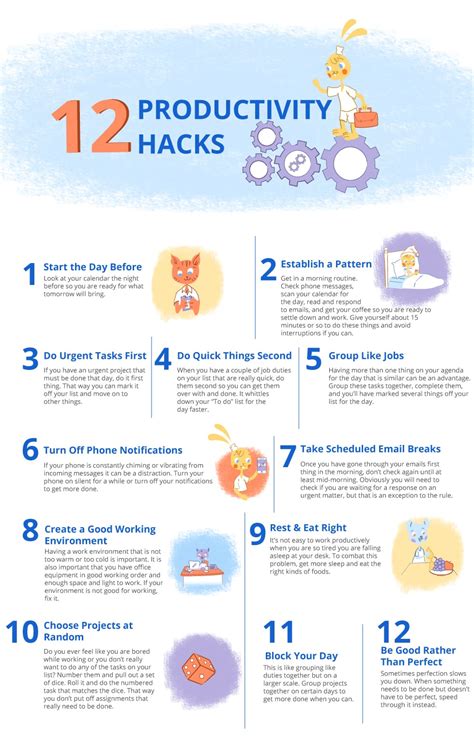
In conclusion, to-do lists represent a powerful productivity hack, offering a simple yet effective way to manage tasks, prioritize efforts, and achieve goals. By understanding the benefits and potential pitfalls of to-do lists, individuals can harness their full potential, creating a tool that is tailored to their unique needs and work style. Whether you’re a seasoned productivity enthusiast or just looking for a way to better manage your time, the humble to-do list is an indispensable ally in the quest for greater efficiency and success.
What is the primary purpose of a to-do list?
+The primary purpose of a to-do list is to help individuals organize and prioritize their tasks, ensuring that important responsibilities are not overlooked and that time is used efficiently.
How can I make my to-do list more effective?
+To make your to-do list more effective, prioritize your tasks based on their urgency and importance, break down large tasks into smaller ones, set realistic goals, and regularly review and adjust your list as needed.
What are some common drawbacks of using to-do lists?
+Common drawbacks include making lists too long or ambitious, which can lead to feelings of overwhelm, and failing to account for unexpected changes or interruptions. Regular review and flexibility can help mitigate these issues.