



What Do The Colors Blue And Green Make Overview
You're here, searching for a hair levels chart, a handy tool to help you understand your hair's characteristics. This chart is a simple yet effective way to visualize and assess your hair's thickness, density, and overall volume. It provides a quick reference, offering a snapshot of your hair's current state and a guide to track any changes over time. With various formats and standards, these charts offer a standardized way to measure and compare hair, ensuring an accurate and reliable assessment.
Understanding the Hair Levels Chart: Your Guide to Hair Volume
The hair levels chart is a handy tool to understand and categorize your hair's volume and thickness. It provides a simple, visual way to assess your hair's characteristics, which can be useful for styling, product selection, and even tracking hair growth progress. This chart typically uses a scale or a set of categories to describe hair volume, offering a quick reference for everyday use.
Comparing Hair Volume Standards: A Range of Options
There are various ways to categorize hair volume, and different charts may use different standards. Some common scales include a simple 1 to 10 scale, with 1 being the finest hair and 10 the thickest. Others might use a more detailed system, like a 1 to 20 scale, offering a broader range of options. Additionally, some charts might categorize hair into broad types, like "thin," "medium," and "thick," providing a more general overview.
Step-by-Step Guide: Using the Hair Levels Chart
- Start by gathering a small section of clean, dry hair, preferably from the top of your head.
- Hold the hair between your fingers and assess its thickness. Compare it to the visual representations or descriptions on your chosen hair levels chart.
- Match the thickness of your hair to the corresponding category or number on the chart. This will give you an idea of your hair's volume level.
- For a more precise assessment, you can count the number of hairs in the section you've gathered. This follicle count guide can provide additional insight into your hair's density.
Common Misconceptions and How to Avoid Them
One common mistake is assuming that the hair levels chart is a universal standard. While it provides a useful framework, it's important to note that hair characteristics can vary widely, and individual differences may not always fit neatly into these categories. Additionally, hair can change over time due to various factors, so regular assessments are beneficial. Always refer to the specific chart's instructions and consider any additional notes or explanations provided.
Factors Affecting Accuracy: Real-World Considerations
Several factors can influence the accuracy of your hair levels chart assessment. These include your hair's natural texture, whether it's curly, straight, or somewhere in between, as well as its overall health and condition. Environmental factors, such as humidity, can also temporarily affect your hair's volume and texture. It's essential to consider these variables when using the chart and to be aware that your hair's level may fluctuate. Regular assessments and a consistent approach will provide the most accurate results over time.
Hey there! We've covered a lot of ground in this post, and I hope it's given you a clear idea of how to navigate the hair levels chart and its various aspects. Remember, while the basics remain the same, there might be slight variations in the details, so always refer to the most relevant and up-to-date sources for your specific needs.
If you found this guide helpful, why not explore some of our other practical articles? We've got a range of topics that might just simplify your life, from organizing tips to handy reference guides. So, feel free to browse and discover more ways to make your daily routines a breeze!
Related: What is an AWG Size Chart?
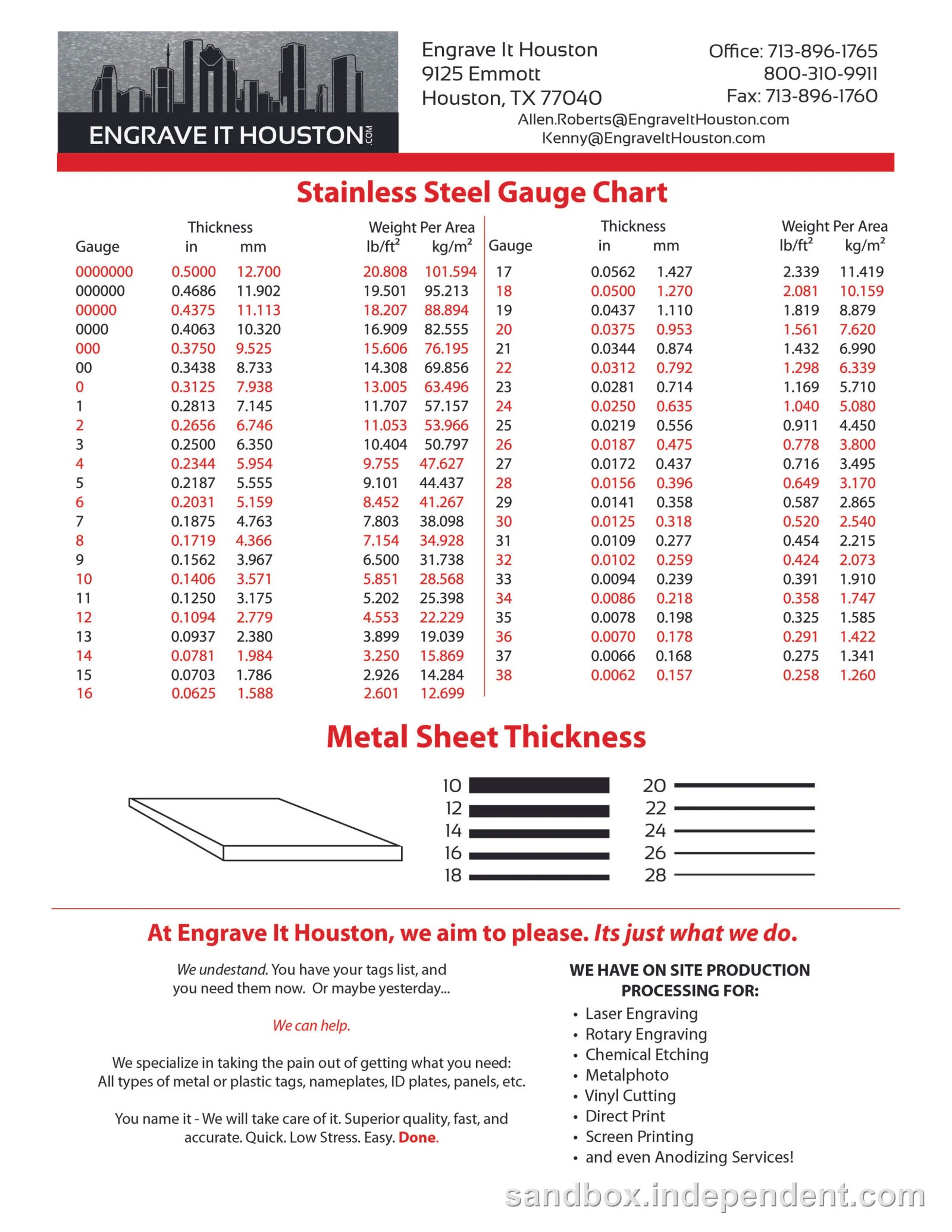
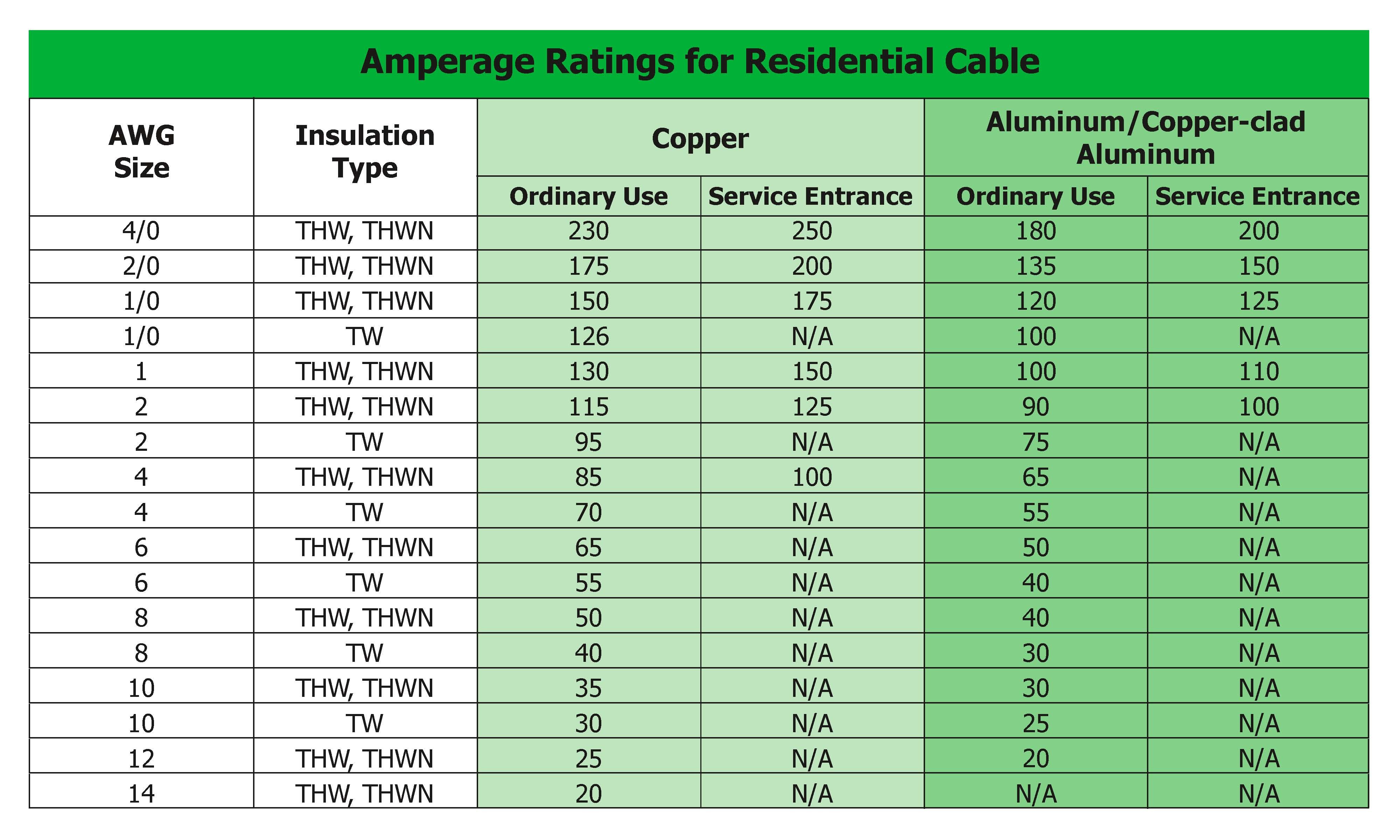
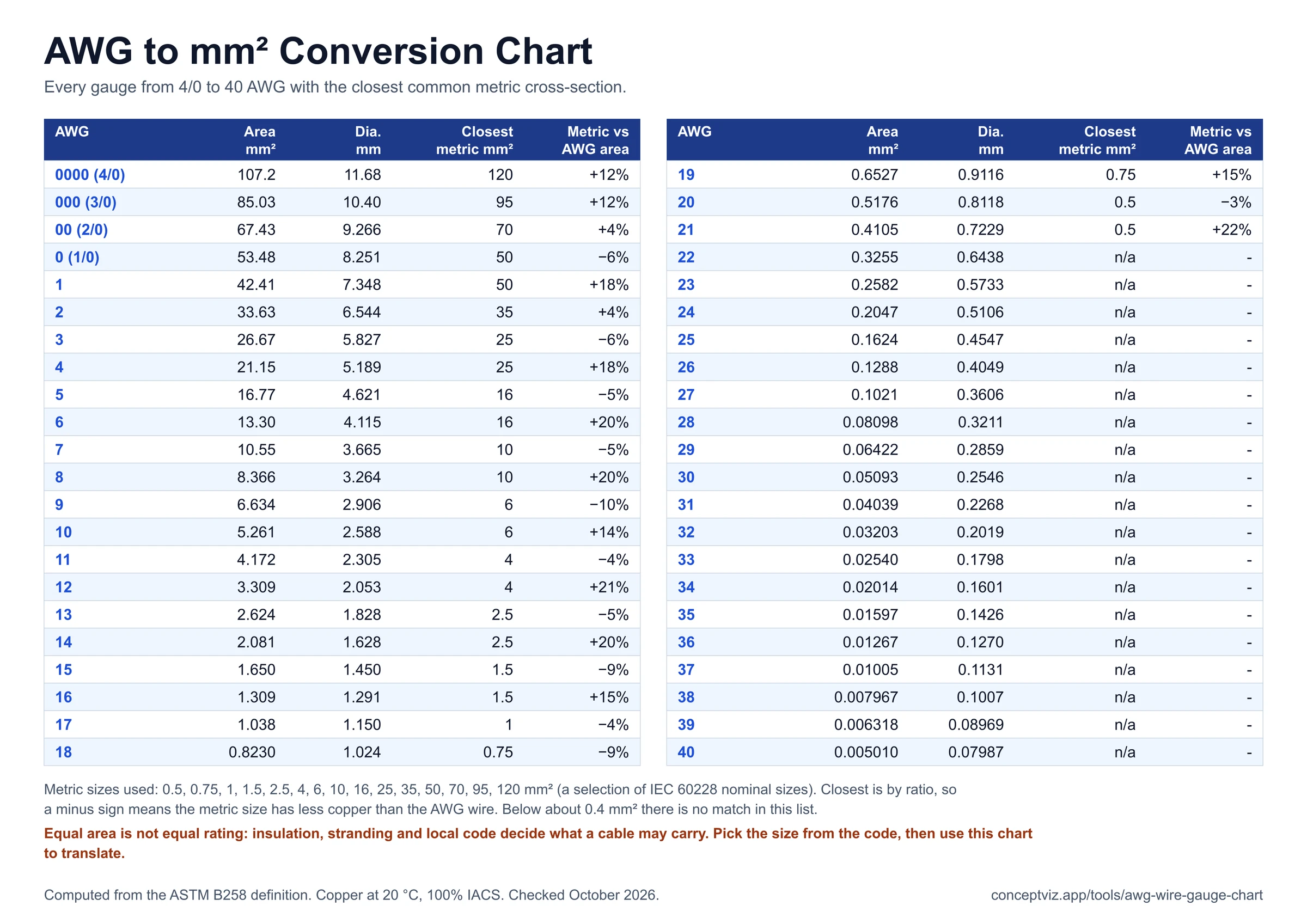
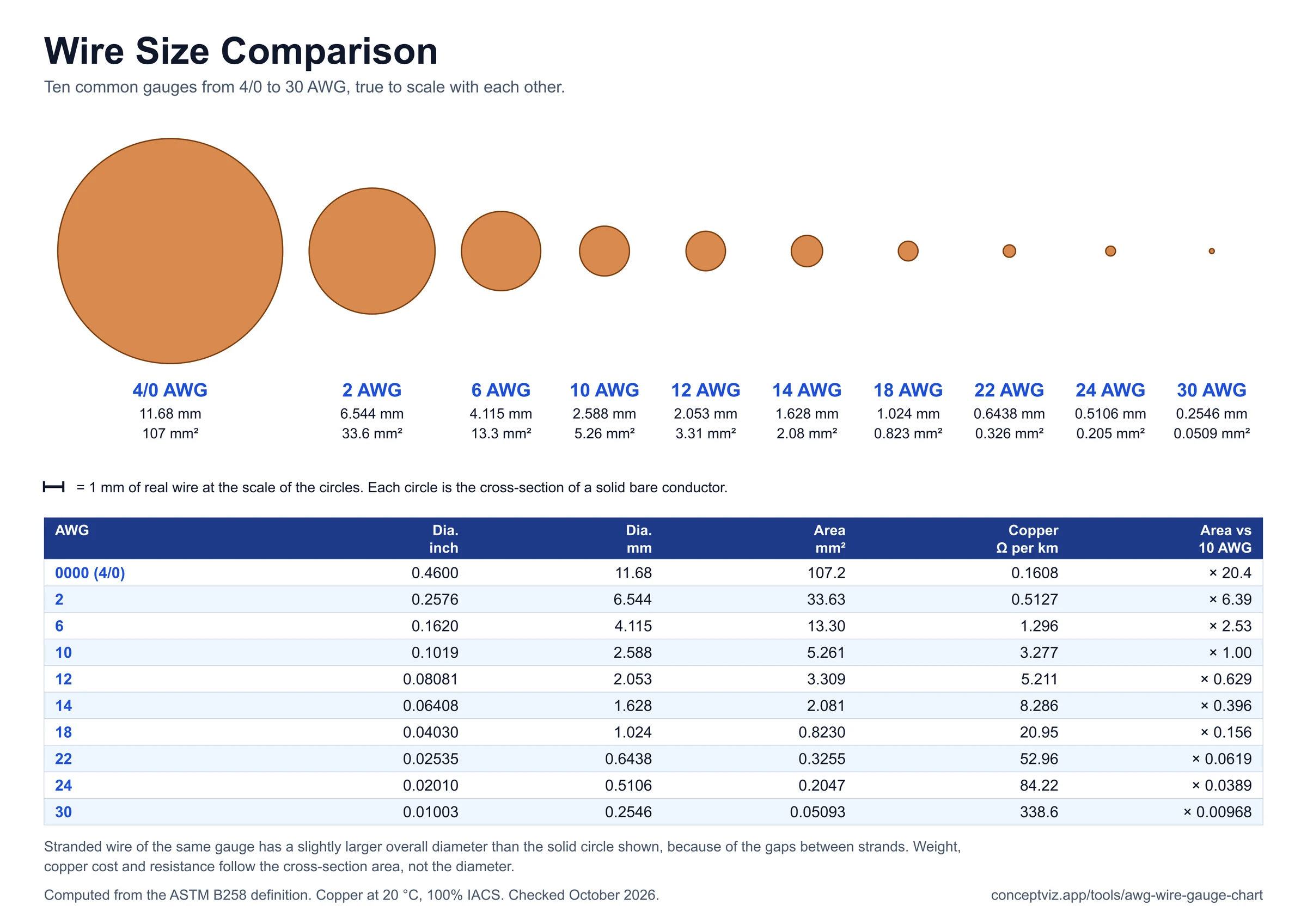
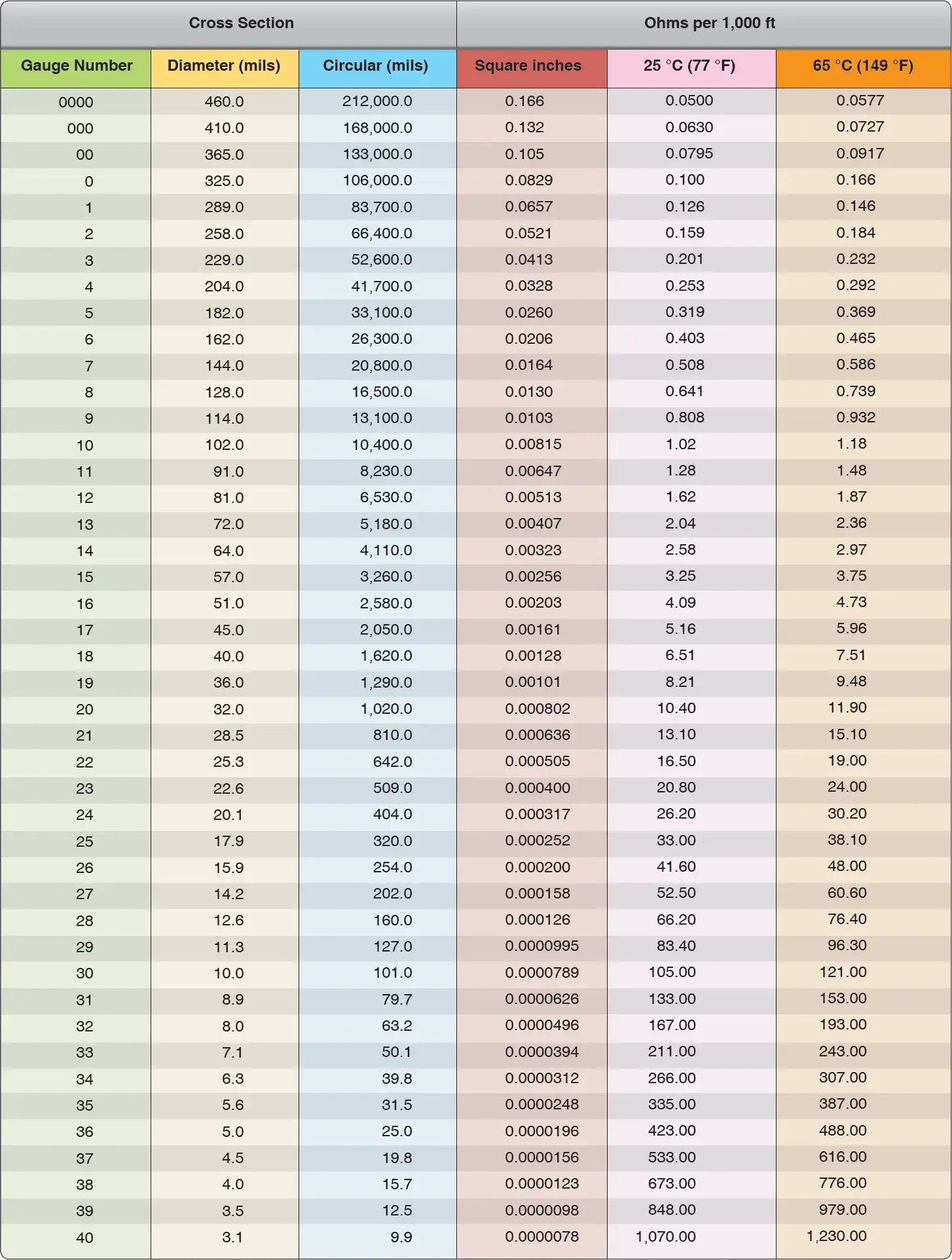
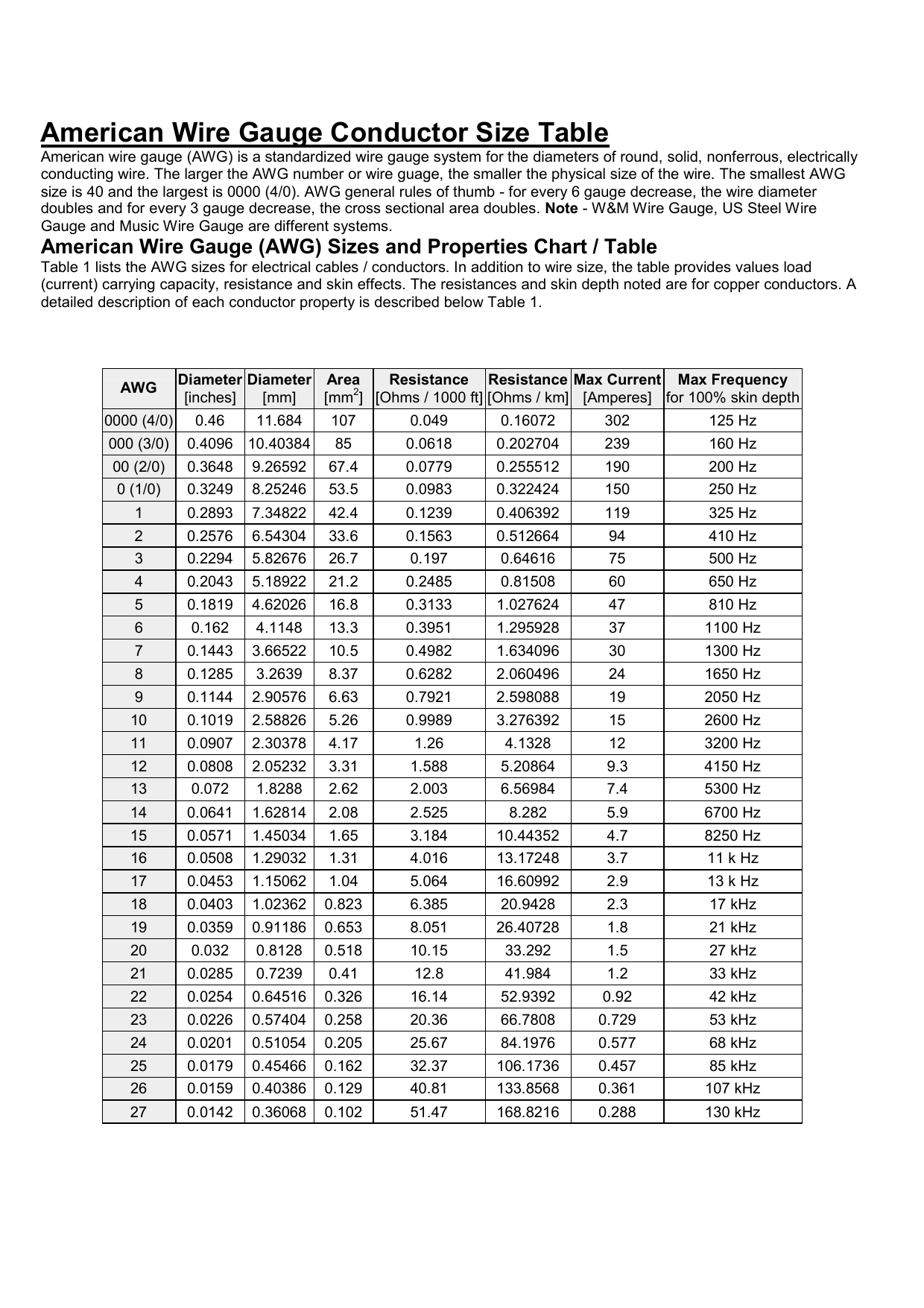
A common misconception about the AWG size chart is that it's a complex, mysterious tool, but it's actually a simple and practical reference guide. This chart, often referred to as the American Wire Gauge or wire size chart, is your go-to for quickly finding wire dimensions and properties. It's not as daunting as it may seem; the AWG size chart is a straightforward visual aid, ensuring you select the right wire size for your electrical projects.
Understanding the AWG Size Chart
The AWG (American Wire Gauge) size chart is a handy reference tool for anyone working with electrical wiring. It provides a standardized way to determine the size and characteristics of different wires, making it an essential guide for electrical installations and projects. This chart offers a quick and reliable method to identify wire sizes, ensuring accurate selections for various applications.
Comparing AWG Standards and Formats
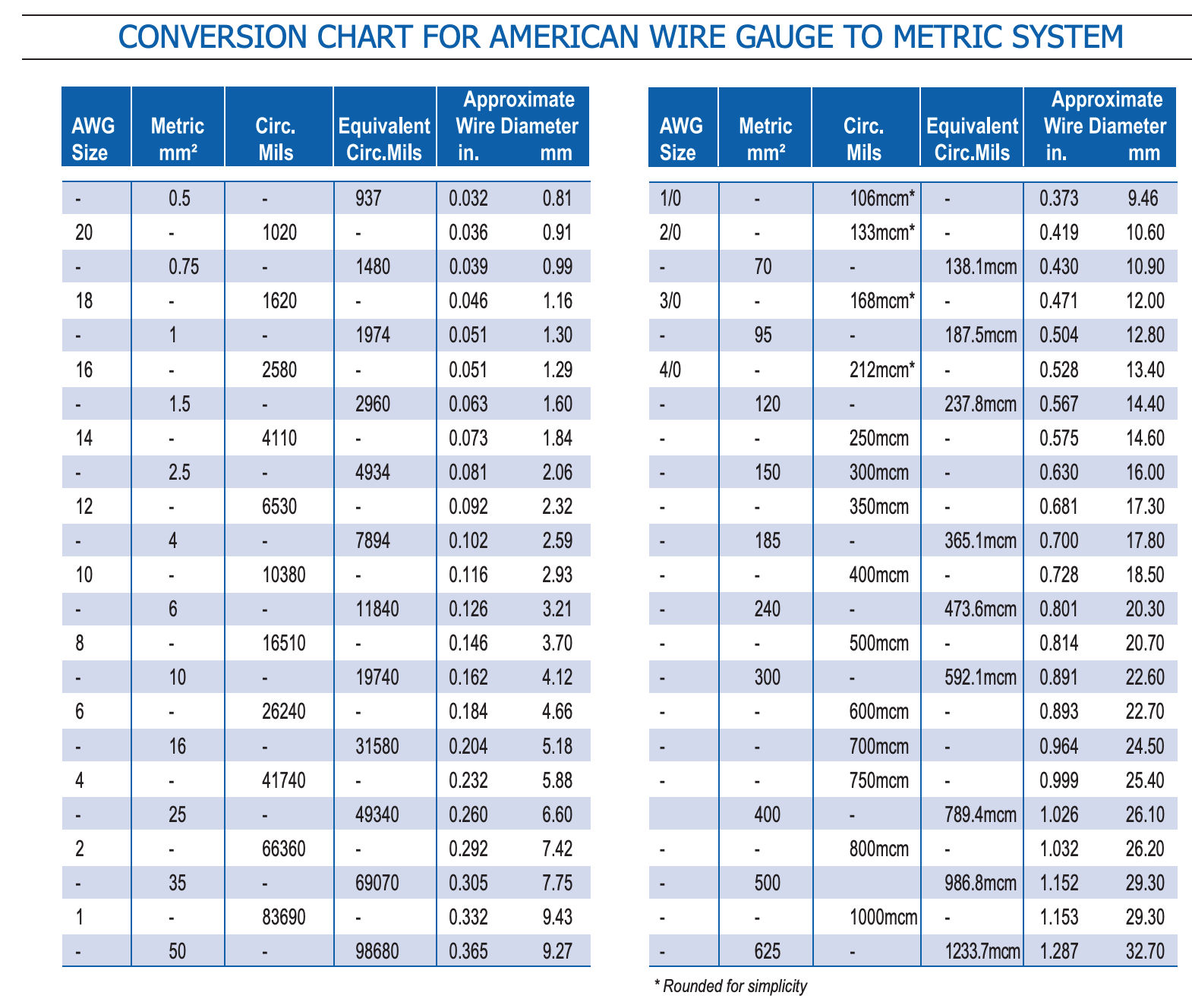
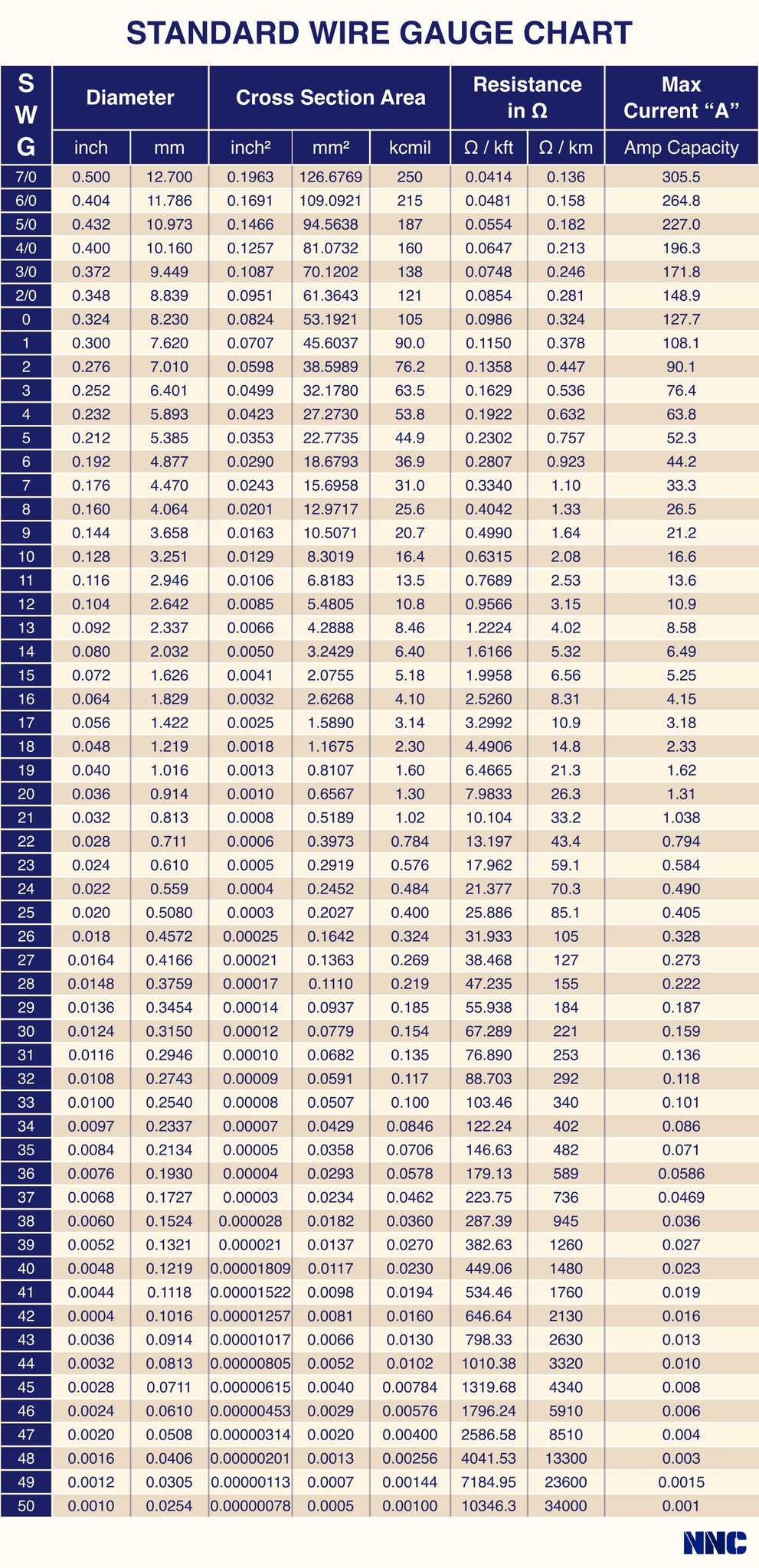
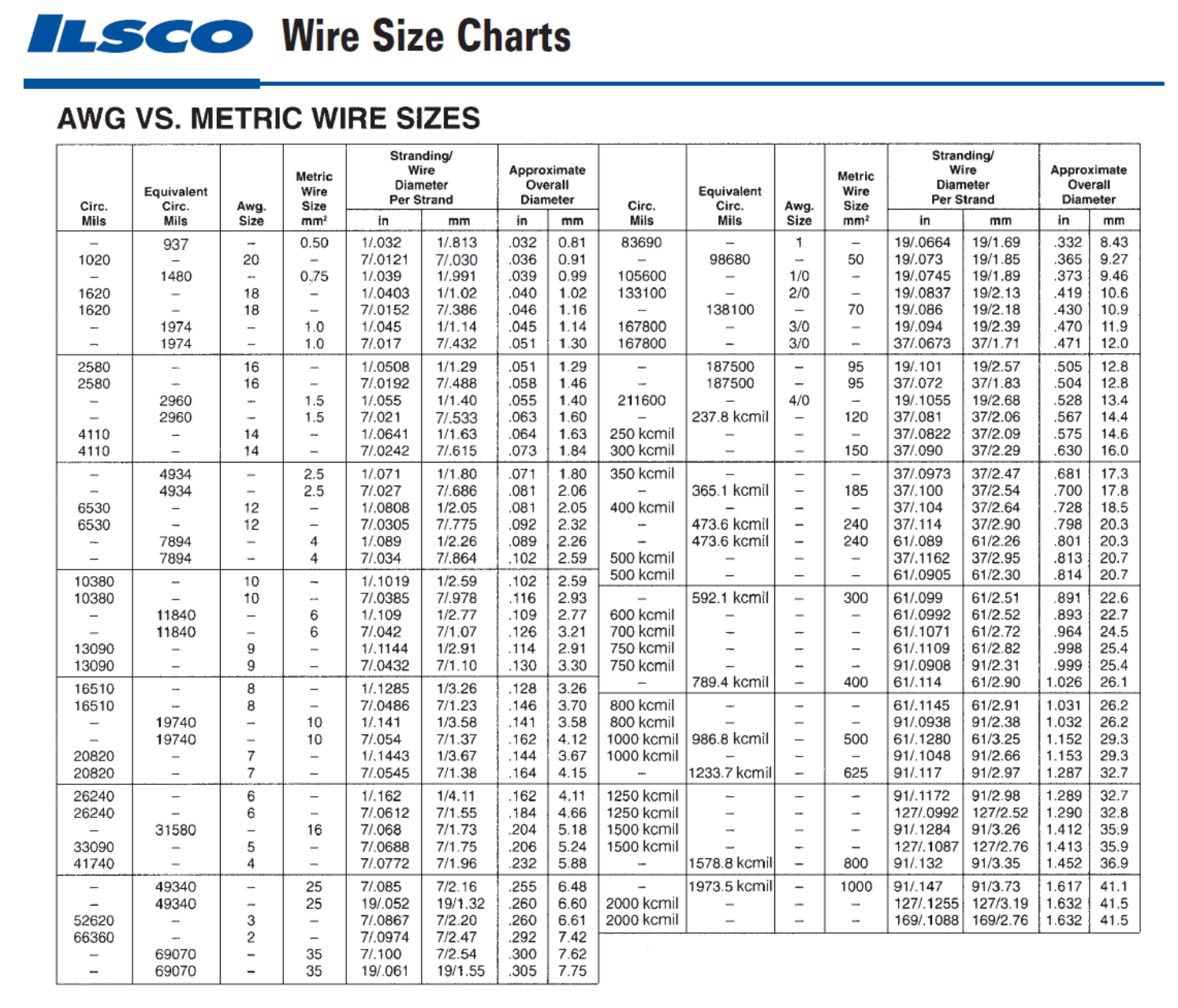
AWG charts can vary depending on the standard being followed. While the American AWG system is widely used, there are also international or metric wire gauge systems. These different standards may have slight variations in measurements and categories, so it's crucial to use the right chart for your specific region or project requirements.
Step-by-Step Guide to Reading Wire Sizes
When using an AWG size chart, follow these simple steps:
Identify the wire gauge you need for your project. This is usually specified by the electrical equipment or component you're working with.
Locate the gauge on the chart. AWG charts typically list wire gauges in ascending or descending order, making it easy to find the right one.
Read the corresponding wire diameter and other relevant data, such as cross-sectional area and current-carrying capacity. These values are essential for ensuring the wire can handle the electrical load and fit the intended application.
Compare the wire's characteristics with your project's requirements. Make sure the wire's diameter and other specifications meet the necessary standards and safety guidelines.
Common Misreadings and How to Avoid Them
One common mistake when using an AWG size chart is assuming that wire gauge and diameter are the same. While the gauge number is a convenient way to identify wire size, it doesn't directly correspond to the physical diameter. Always refer to the chart to get the accurate diameter measurement.
Another pitfall is using an outdated or incorrect chart. Ensure you have the most recent version of the AWG chart, as standards and specifications can change over time.
Factors Affecting Accuracy and Real-World Use
The accuracy of an AWG size chart depends on several factors. Firstly, the chart's reliability is based on the precision of the measurements and the adherence to the chosen standard. Secondly, real-world applications may have specific requirements or tolerances that need to be considered. For instance, high-current applications might require thicker wires than what is typically recommended by the chart. Always refer to the exact specifications for your project to ensure safety and performance.
Choosing the Right AWG Format for Your Needs
Different projects and applications may require variations of the AWG size chart. For instance, some charts provide more detailed information on wire resistance or temperature ratings, which can be crucial for specialized projects. Other charts might focus on common wire applications, offering simplified data for everyday use. Choose the format that best suits your specific needs and project requirements.
Keeping Your Reference Reliable for Future Use
To ensure your AWG size chart remains a reliable reference, consider the following:
Regularly update your chart to the latest version, especially if you work on various projects with different standards.
Store your chart in a safe and easily accessible place, ensuring it's always available when needed.
If you frequently work with wires and cables, consider investing in a durable, laminated chart that can withstand regular use.
For digital versions, keep the file backed up and easily retrievable, ensuring you always have access to the latest data.
Hey there! I hope this AWG size chart guide has been helpful and given you a solid understanding of the topic. Remember, while the basics remain the same, the exact details can vary slightly, so it's always good to double-check the specific standards or sources you're working with.
If you're keen to explore more practical guides and resources, feel free to browse around the site. We've got a range of topics covered, so you might just find something else that piques your interest and makes your life a little easier. Happy learning, and see you around!
Related: Demystifying the Dental Chart Dog: A Simple Guide
A dental chart dog is a handy tool for anyone dealing with canine dental health. It's a simple yet effective visual guide, offering a quick reference to understand a dog's teeth. This guide will walk you through the basics, covering what these charts reveal and how to interpret them accurately.
You'll find these charts useful for identifying teeth, understanding their development, and even getting insights into common dental issues. While the specifics may vary slightly depending on the source, the core information remains consistent, providing a reliable framework for dog owners and professionals alike.
What is a Dental Chart Dog?
A dental chart dog is a reference tool used by veterinarians and dog owners to understand and identify a dog's teeth. It provides a visual representation, often in the form of a diagram or table, that helps locate and name each tooth in a dog's mouth. This chart is an essential guide for anyone involved in canine dental care, offering a quick and easy way to identify teeth and their positions.
Key Details and Categories
The dental chart dog typically displays a comprehensive layout of a dog's dentition, including both permanent and deciduous (baby) teeth. It often follows a standard tooth notation system, which uses specific symbols or letters to represent different teeth. For instance, 'I' might represent incisors, 'C' for canines, and 'PM' for premolars. Additionally, the chart may include information on the tooth's position in the mouth, its side (left or right), and sometimes even its specific quadrant. It's important to note that while there are international standards, slight variations in notation and layout may exist between different veterinary organizations or regions.
How to Read and Apply the Chart
Reading a dental chart dog is straightforward:
- Identify the tooth symbol or notation on the chart. For example, 'I' for incisors.
- Locate the corresponding tooth in your dog's mouth based on the chart's visual guide or written description.
- Note any issues or abnormalities, such as missing, damaged, or misaligned teeth, and compare them to the standard layout on the chart.
- Record the findings for future reference or to share with your veterinarian.
Variations and Differences
Variations in dental chart dog standards can occur due to several factors. Different veterinary associations or regions may have their own specific tooth notation systems and layouts. Additionally, the chart's design might vary depending on the breed of dog it is intended for, as tooth structure and positioning can differ between breeds. For instance, a chart designed for a small breed like a Chihuahua might have a different layout compared to one for a large breed like a Great Dane. It's crucial to ensure you are using the correct chart for your dog's breed and that you understand the specific notation system it employs.
Common Mistakes and How to Avoid Them
One common mistake is using the wrong dental chart dog for your dog's breed, which can lead to incorrect tooth identification. Always ensure you have the appropriate chart for your dog's breed and that you understand the specific notation system it uses. Another pitfall is failing to account for individual variations within a breed. While charts provide a standard layout, individual dogs may have slightly different tooth positions or structures. Regular dental check-ups with a veterinarian can help identify and address any abnormalities. Finally, remember that dental chart dogs are tools for identification and reference. They should not replace professional veterinary advice or treatment. If you notice any dental issues, consult a veterinarian for proper diagnosis and care.
Well, there you have it! A handy dental chart dog guide to keep things simple and clear. Remember, when it comes to these charts, it's important to ensure you're using the right one for your specific needs. Exact values and details can vary, so always double-check the relevant standards or guidelines for your context.
Consider bookmarking this page for future reference. It's a quick and easy way to ensure you have the right info at your fingertips when you need it most. Happy charting!