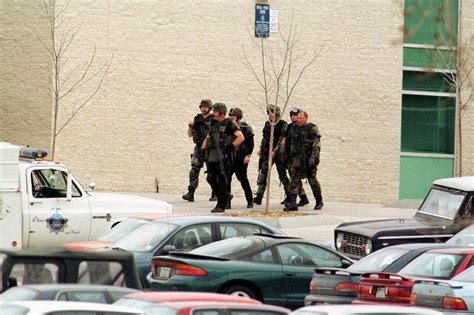
The University of California, Santa Barbara (UCSB) has faced its share of challenges, but one incident that still resonates with the community is the 2014 shooting that shook the campus and the nation. On May 23, 2014, a tragic event unfolded in Isla Vista, a neighborhood adjacent to the UCSB campus, leaving a profound impact on the students, faculty, and the broader community. This guide aims to provide an overview of what happened, the aftermath, and the steps taken towards healing and prevention.
The Incident
The shooting occurred when Elliot Rodger, a 22-year-old student at Santa Barbara City College, carried out a premeditated attack. Before the incident, Rodger had posted a manifesto and videos online detailing his intentions and his feelings of isolation and entitlement. He began his assault by stabbing three roommates at his apartment, then drove to the Alpha Phi sorority house, where he shot three women outside, killing two of them. He continued his rampage, driving through Isla Vista and shooting at people, ultimately killing a total of six people and injuring 14 before taking his own life.
Immediate Aftermath
The immediate response from law enforcement and emergency services was swift, with the Santa Barbara County Sheriff’s Office leading the investigation. The university and local community came together in solidarity, holding vigils and offering support to the victims’ families and those affected by the tragedy. The shooting brought to the forefront issues of gun control, mental health, and societal pressures that can lead to such violent acts.
Long-term Aftermath and Reforms
In the years following the tragedy, there has been a significant effort to address the underlying issues that may have contributed to the shooting. California passed stricter gun control laws, including Senate Bill 505, which allows law enforcement to seize firearms from individuals who pose a threat to themselves or others. Additionally, there has been a push for better mental health resources on college campuses, recognizing that early intervention and support can play a critical role in preventing similar incidents.
The University of California system, including UCSB, has also taken steps to improve campus safety and mental health services. This includes enhancing emergency response protocols, increasing the availability of counseling services, and promoting a culture of respect and inclusivity. Students, faculty, and staff have been encouraged to report any behaviors or comments that suggest someone might be at risk of harming themselves or others.
Reflection and Healing
The UCSB community has come a long way in healing and reflection. Annually, the university and the Isla Vista community hold memorial events to honor the victims and reflect on the tragedy. These events serve as a reminder of the importance of community, the need for continued vigilance in supporting mental health, and the push for societal changes that can prevent such tragedies.
Prevention Efforts
Prevention efforts have become a cornerstone of the response to the tragedy. This includes outreach programs to identify and support individuals who may be struggling, educational campaigns to challenge harmful stereotypes and beliefs, and advocacy for policies that promote gun safety and mental health support. The conversation has also extended to broader societal issues, such as masculinity, entitlement, and the portrayal of violence in media.
Conclusion
The 2014 UCSB shooting was a wake-up call, not just for the university or the local community, but for the nation. It highlighted the complexities of addressing violence, the importance of mental health support, and the need for community engagement in prevention efforts. As time moves forward, the memory of the victims and the lessons learned from this tragedy continue to guide efforts towards creating safer, more supportive environments for everyone.
FAQ Section

What were the key factors that led to the 2014 UCSB shooting?
+The shooting was a result of a complex interplay of factors, including the perpetrator's mental health issues, feelings of social isolation, and a sense of entitlement. These factors were exacerbated by easy access to firearms and a societal environment that may have contributed to his beliefs and actions.
How has the University of California, Santa Barbara, improved campus safety since the shooting?
+UCSB has taken several steps to enhance campus safety, including enhancing emergency response protocols, increasing mental health resources, and promoting a culture of respect and inclusivity. The university has also worked closely with local law enforcement and the community to identify and support individuals who may be at risk.
What societal changes are being advocated for in the aftermath of the shooting?
+Advocates are pushing for stricter gun control laws, better mental health support systems, and a shift in societal attitudes towards masculinity, entitlement, and the portrayal of violence. There is also a focus on community engagement and education to prevent similar tragedies.
Advanced Insights
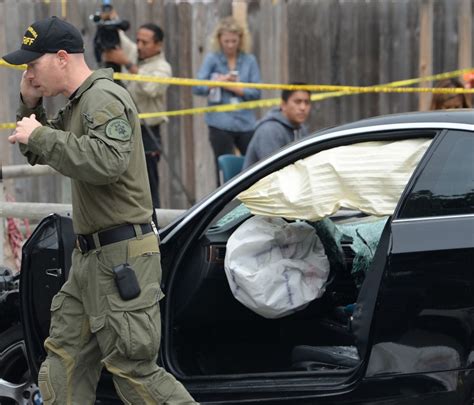
The UCSB shooting underscores the complexity of addressing and preventing violent acts. It highlights the need for a multifaceted approach that includes policy changes, community engagement, and individual support. By understanding the factors that led to this tragedy and the steps taken in response, communities can work towards creating environments that foster safety, respect, and inclusivity.
In reflecting on the UCSB shooting, it’s clear that prevention requires a long-term commitment to addressing the root causes of violence. This includes challenging harmful stereotypes, supporting mental health initiatives, and advocating for policies that promote safety and well-being. The journey towards healing and prevention is ongoing, with the UCSB community serving as a model for resilience, solidarity, and the pursuit of a safer, more compassionate society.